Table of Contents >> Show >> Hide
- Why These Snake Tattoos Stop the Scroll
- The Korean Tattoo Context Makes the Work Even More Interesting
- What Makes a Snake Tattoo Work So Well on the Body
- Why Zihee’s Snakes Feel Different From the Usual Tattoo Clichés
- What Collectors and Design Lovers Can Learn From This Style
- The Experience of Seeing Work Like This Up Close
- Final Thoughts
Most snake tattoos arrive with a familiar sales pitch: danger, temptation, edge, mystery, and just enough “don’t talk to me before coffee” energy to fill an entire sleeve. Then along comes a Seoul artist who takes that old reptilian playbook, shreds it like yesterday’s stencil paper, and gives the snake a completely different job description. Suddenly the serpent is not just sinister. It is lyrical. It is graceful. It is colorful enough to make a box of expensive markers feel underdressed.
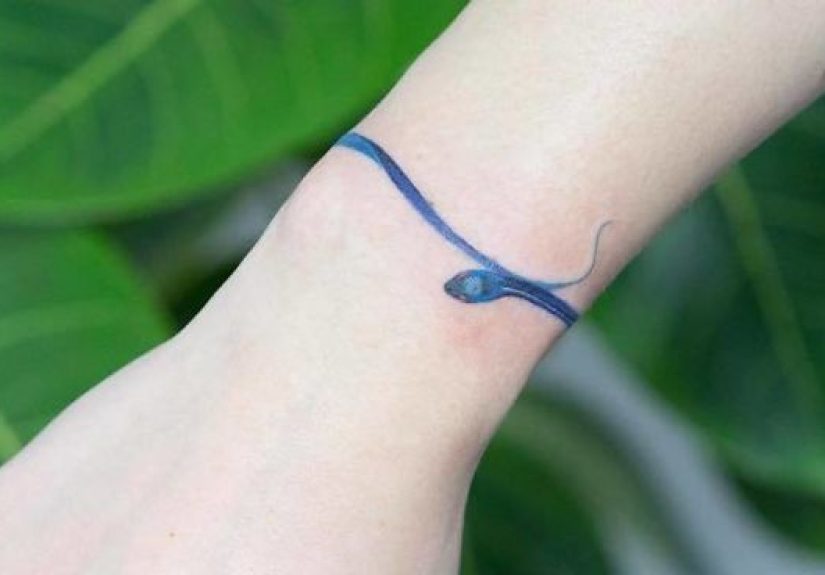
That artist is Zihee, a Korean tattooist whose snake pieces look less like standard flash and more like finely tuned visual poems. Her work turns the reptile’s natural curves into motion, rhythm, and mood. Instead of relying on heavy outlines and aggressive shading, she uses carefully controlled color, floral elements, and a remarkably clean finish to transform snakes into something elegant, expressive, and almost dreamlike. In a tattoo world where the serpent often shows up ready to fight, Zihee’s version seems more interested in dancing.
And that is exactly why her work stands out. These tattoos do not just sit on the body. They travel across it. They wrap around arms, climb calves, circle shoulders, and follow spines with the confidence of a creature that knows it has perfect posture. The effect is striking online, but the real genius is how the designs respect the body underneath. They are decorative without feeling stiff, symbolic without becoming corny, and bold without yelling in all caps.
For readers curious about modern Korean tattoo culture, Zihee’s snakes offer a perfect lens. They tell a story about artistry, design, symbolism, and a larger creative movement in South Korea that has helped redefine what tattooing can look like. This is not just a story about an artist who likes snakes. This is a story about an artist who made them feel new again.
Why These Snake Tattoos Stop the Scroll
The first thing that grabs you is the color. Zihee is known for using bright blocks of pigment in a way that feels intentional rather than chaotic. Her tattoos often skip the heavy black outlines that dominate more traditional styles, which gives the work a lighter, cleaner, and more contemporary feel. The result is eye-catching, but not in a “look at me, I swallowed a paint store” kind of way. It is vibrant with discipline.
That balance matters because snakes are already visually dramatic. Their bodies are all line, curve, and tension. A tattoo artist can easily overdo them. Too much detail and the design feels muddy. Too much darkness and the snake becomes a cliché. Too much symbolism and suddenly your forearm looks like it is majoring in comparative mythology. Zihee avoids all of that by simplifying where needed and adding complexity where it counts.
Her snake tattoos often combine soft floral elements, carefully layered shades, and a near-geometric neatness that keeps the composition from slipping into visual chaos. They feel painterly, but also engineered. Organic, but edited. Wild, but not messy. That is a tricky balance, and it is probably why people who normally think snake tattoos are “not their thing” suddenly start reconsidering their entire personality.
There is also a strong sense of collaboration in the work. Rather than forcing one rigid formula onto every client, the designs seem tailored to the person and the placement. That flexibility gives the tattoos life. A serpent on the arm can read sleek and romantic. One on the leg can look fashion-forward and theatrical. One curving around the back can feel almost architectural. Same animal, different energy. Very versatile. Better than most of us on a Monday morning.
The Korean Tattoo Context Makes the Work Even More Interesting
Zihee’s rise also reflects a broader truth about Korean tattoo culture: for years, many artists built world-class careers while working in a legal and cultural gray zone. That tension shaped the scene. Tattoos in South Korea were long associated with stigma, older social taboos, and laws that restricted tattooing to medical professionals. Even as the art form grew in popularity, many studios operated discreetly, artists used aliases, and social media became the main runway, portfolio, and global booking system all at once.
That underground-meets-global dynamic helped Korean tattooing develop a distinctive visual identity. Many artists in Seoul became known for delicate line work, restrained scale, detail-rich illustration, and highly polished aesthetics that photographed beautifully online. In other words, they learned how to make tattoos that were both intimate on skin and magnetic on screen. That dual skill matters in the Instagram era, where a tattoo often needs to look stunning from two feet away and on a five-inch phone display.
Zihee fits perfectly into that creative wave, but she also pushes it further. Where some Korean tattoo trends lean minimalist, she embraces color and visual storytelling. Where some artists go tiny and whisper-soft, she lets the snake stretch, coil, and claim space. Yet her work still carries the precision and elegance associated with Korean tattooing at its best. She is not abandoning the scene’s strengths. She is remixing them.
That helps explain why her work resonates far beyond Korea. It combines the technical cleanliness many collectors love with a sense of personality that feels harder to manufacture. These tattoos are not generic “pretty snakes.” They feel authored. They have a point of view. And in a market flooded with copied motifs and algorithm-chasing trends, a clear point of view is worth its weight in very expensive tattoo balm.
What Makes a Snake Tattoo Work So Well on the Body
1. The Shape Does Half the Job
Snake tattoos are naturally suited to the human body because snakes already move the way good tattoos should. They bend. They taper. They guide the eye. A serpent can wrap around a limb, echo the line of a collarbone, or run along the spine without feeling forced. Few motifs are this naturally cooperative. Flowers can be beautiful, sure, but they tend to sit. Snakes perform.
That is one reason Zihee’s pieces feel so alive. She does not fight the body’s structure. She uses it. The tattoo becomes less of a sticker and more of an extension of motion. Even when a client is standing still, the design suggests movement. That quality gives the work elegance and drama at the same time.
2. Color Changes the Mood Completely
Traditional snake tattoos often rely on black, gray, green, or dark red to amplify menace. Zihee flips the emotional script. By using multicolored palettes, she shifts the snake from a symbol of threat to a symbol of transformation, beauty, and imagination. The reptile still keeps its mystique, but it loses the cartoon villain energy.
Color also lets her build dimension without overloading the design with heavy shading. Blues, reds, greens, yellows, and florals can suggest scales, motion, or atmosphere in a softer way. It feels closer to illustration and modern art than to old-school flash. That difference is not small. It is the whole mood.
3. Symbolism Comes Built In
Snakes have been carrying symbolic baggage for centuries, and surprisingly, most of it is good baggage. Across different cultures and traditions, serpents have been connected to renewal, healing, wisdom, protection, infinity, transformation, and cyclical life. That wide range of meanings makes the snake one of tattooing’s most flexible symbols. It can mean rebirth to one person, resilience to another, and “I simply love the design” to a third. All are valid. Tattoos are wonderfully democratic that way.
Zihee’s interpretation leans into the more layered side of the snake’s symbolism. Her designs do not scream danger. They suggest change. They feel like tattoos for people who have shed an old version of themselves and are not interested in going backward. That may sound poetic, but honestly, poetry is doing a lot of the heavy lifting here.
Why Zihee’s Snakes Feel Different From the Usual Tattoo Clichés
Let us be honest: snake tattoos can go wrong fast. Done poorly, they look like angry shoelaces. Done lazily, they become visual wallpaper. Done without regard for placement, they can look like they lost a fight with anatomy. What makes Zihee’s work so compelling is that it avoids those traps.
First, her snakes do not feel copied from a standard tattoo catalog. They feel designed. There is intent behind the flow, the palette, and the use of surrounding motifs. Second, her work carries softness without losing structure. That is rare. Soft tattoos can become vague. Structured tattoos can become rigid. Zihee manages to split the difference.
Third, she understands restraint. Even when a piece is colorful, it does not feel crowded. Even when it is decorative, it still reads clearly from a distance. This matters more than many collectors realize. A great tattoo has to age not just physically, but visually. It needs enough clarity to remain legible over time. Clean composition is not merely aesthetic. It is practical.
Most of all, her snakes feel emotionally modern. They are not trying to perform toughness for its own sake. They are expressive, beautiful, and a little mysterious without becoming theatrical in a cheesy way. They feel like tattoos made for people who want symbolism and style, not a costume.
What Collectors and Design Lovers Can Learn From This Style
Even if you never plan to get a snake tattoo, there is a lesson in why these designs work. Great body art is not just about the subject. It is about interpretation. Hundreds of artists can tattoo a rose, a tiger, or a serpent. What matters is how they see it.
Zihee sees the snake not as a stock image but as a moving design opportunity. She treats it as line, color, emotion, and placement all at once. That is why the work feels fresh. She does not depend on the animal’s reputation to make the tattoo interesting. She rebuilds the reputation from scratch.
There is also a smart lesson here about trends. Korean tattooing has become globally influential in part because many artists blend technical discipline with a fashion-aware eye. The work is wearable in every sense. It fits the body, photographs beautifully, and carries a strong editorial feel. Zihee’s snakes capture that perfectly. They are tattoos, yes, but they also feel like design objects. Like art direction decided to get a backbone and crawl onto skin.
And because tattooing is still a skin procedure, not just an aesthetic one, the practical side matters too. Anyone investing in a serious piece should care about artist hygiene, aftercare, and long-term skin health. Beautiful design is only part of the equation. A good tattoo also needs proper healing, sun protection, and attention if irritation appears. Art may be forever, but healing still follows a schedule.
The Experience of Seeing Work Like This Up Close
There is a particular kind of surprise that happens when you encounter a tattoo like this in person. On a phone screen, Zihee’s snakes already look polished and sophisticated. But in real life, the work shifts. The colors breathe differently. The curves feel more deliberate. The relationship between the tattoo and the body becomes the whole show.
Imagine watching someone roll up a sleeve and reveal a serpent that does not glare at you in the usual tattoo language of fangs, smoke, and fury. Instead, it glides across the skin in layered color, curling through floral notes and negative space with the confidence of something both wild and perfectly composed. Your first reaction is not fear. It is curiosity. Your second reaction is probably, “Well, now my current tattoo wishlist feels embarrassingly unimaginative.”
That experience is part of the magic. These tattoos reward a second look. From far away, they read as elegant and unusual. Up close, you notice the precision. The transitions between shades are controlled. The flow is mapped carefully to muscle and movement. The edges are clean. Nothing feels accidental. It is the kind of work that makes even non-tattoo people pause mid-conversation and ask a question they thought they would never ask: “Who did that?”
There is also an emotional side to the experience. Snake tattoos have long carried dramatic meanings, but Zihee’s versions feel more intimate. They suggest growth, reinvention, and personal symbolism without spelling everything out. A viewer can project onto them. A wearer can live with them. The tattoo becomes less like a billboard and more like a private story told beautifully in public.
That is especially powerful in a Korean context, where tattoos have often existed between visibility and discretion, rebellion and beauty, stigma and style. To see a snake rendered with this much grace is to see a small cultural shift happening in real time. The subject is ancient, but the treatment is contemporary. The tattoo says something old in a fresh accent.
And then there is the studio atmosphere that work like this implies. You can almost hear the machine, the low music, the consultation that begins with a loose idea and ends with a custom composition. A client says they want a snake, maybe with flowers, maybe with more color than they first intended. The artist sketches, adjusts, considers the body, refines the line, and suddenly the design stops being a concept and starts becoming a living object. That transformation is easy to romanticize because, frankly, it deserves a little romance.
What stays with people after seeing one of these tattoos is not just the craftsmanship. It is the feeling that the familiar has been made unfamiliar again. A snake is still a snake. It still carries myth, danger, beauty, and history. But under Zihee’s hand, it also becomes airy, modern, and unexpectedly tender. That combination lingers. It is stylish without being cold, symbolic without being heavy-handed, and memorable without begging for attention.
In a culture where countless images fight for a glance and disappear a second later, that kind of lasting impression is rare. Zihee’s snakes do not just look good. They change the way you think about what a snake tattoo can be. And that, in tattooing, is no small trick. It is a full-body mic drop.
Final Thoughts
Zihee’s snake tattoos stand out because they do more than reinterpret a classic motif. They widen its emotional range. Her work proves that a serpent can be elegant without losing power, colorful without losing control, and symbolic without turning into a lecture on legs. In the broader story of Korean tattoo art, her pieces also represent something bigger: a scene that has turned constraint into innovation and local style into global influence.
If the old snake tattoo was about menace, Zihee’s version is about transformation. If the old formula was darkness, hers is color. If the old visual language shouted, hers speaks with precision. That is why the work feels memorable. It is not trying to out-snake every other snake tattoo on the internet. It is doing something much smarter. It is making the viewer see the serpent all over again.