Table of Contents >> Show >> Hide
- Why This Italian Pork Roast Recipe Works
- What Makes a Pork Roast Taste Italian?
- Best Cut of Pork for This Recipe
- Ingredients
- How to Make Italian Pork Roast
- How to Know When Pork Roast Is Done
- Flavor Variations
- Best Side Dishes for Italian Pork Roast
- Common Mistakes to Avoid
- How to Store and Reheat Leftovers
- Conclusion
- Experiences Related to Italian Pork Roast Recipe
Note: Body-only HTML for web publishing. Unnecessary oaicite/contentReference artifacts removed.
There are weeknight dinners, there are holiday dinners, and then there is Italian pork roastthe kind of meal that walks into the room smelling like garlic, rosemary, and good decisions. It is savory, rustic, comforting, and just fancy enough to make people assume you worked much harder than you actually did. That is one of the great joys of a well-made roast: it looks dramatic, tastes rich, and mostly requires you to let the oven do the heavy lifting while you pretend you are starring in a cooking show.
This version is built for real home cooks. It leans on the classic Italian flavor profile of garlic, fennel, rosemary, oregano, olive oil, lemon, and white wine, but keeps the method approachable. Instead of turning your kitchen into a professional butcher shop, this recipe uses a boneless pork loin roast, which gives you beautiful slices, a cleaner carving experience, and less mid-recipe existential dread. The result is juicy pork with a fragrant crust, tender onions and fennel underneath, and a pan sauce so good it deserves its own fan club.
Why This Italian Pork Roast Recipe Works
The secret to a great Italian-style pork roast is balance. Pork is mild enough to absorb bold seasonings, but lean enough that it can go from juicy to disappointing if overcooked. That is why this recipe focuses on three things: a strong herb-and-garlic rub, a roasting method that protects moisture, and careful temperature control.
The crushed fennel seeds bring a classic sausage-shop aroma. Rosemary and oregano add piney, savory depth. Lemon zest brightens the roast so it does not taste heavy, and white wine in the pan creates steam, flavor, and the beginnings of a glossy sauce. The onions and fennel roast beneath the meat, soaking up drippings like they were born for the job.
If you have ever eaten pork roast that tasted dry enough to file paperwork with, this recipe should restore your faith. The goal here is juicy, sliceable pork loin with a flavorful crust and an Italian personalitynot a bland slab of sadness.
What Makes a Pork Roast Taste Italian?
Italian-inspired pork roast recipes often build flavor from a handful of familiar ingredients rather than a mile-long spice list. Garlic is the obvious starting point. Rosemary is almost non-negotiable. Fennel, whether in seed form or as a fresh bulb, gives the roast that unmistakable porchetta-adjacent perfume. Oregano, sage, parsley, black pepper, olive oil, citrus zest, and wine also show up often depending on the region or the cook.
That does not mean every Italian pork roast needs to be a full porchetta production with rolled pork belly, crackling skin, and a drumroll. For many home kitchens, an Italian pork roast recipe simply means using those classic aromatics and cooking the roast in a way that coaxes out deep flavor without making dinner feel like a final exam.
Best Cut of Pork for This Recipe
For this article’s main recipe, use a boneless pork loin roast, about 3 to 4 pounds. It is lean, easy to season, easy to carve, and ideal when you want neat slices for a family dinner, a holiday table, or leftovers that turn into excellent sandwiches the next day.
Could you use pork shoulder? Absolutelybut you would be making a different style of roast. Shoulder has more fat and connective tissue, so it shines with lower, slower cooking until it becomes fork-tender. Pork loin, by contrast, is the better choice when you want a roast that slices cleanly and cooks in a more predictable timeframe. In other words, loin is your elegant dinner guest; shoulder is your all-day Sunday project.
Ingredients
For the pork roast
- 1 boneless pork loin roast, 3 to 4 pounds
- 2 tablespoons extra-virgin olive oil
- 6 garlic cloves, finely minced
- 1 tablespoon chopped fresh rosemary
- 2 teaspoons fennel seeds, lightly crushed
- 1 teaspoon dried oregano
- 1 1/2 teaspoons kosher salt
- 1 teaspoon freshly ground black pepper
- 1/2 teaspoon crushed red pepper flakes, optional
- Zest of 1 lemon
- 1 tablespoon chopped fresh parsley
For the roasting pan
- 1 large yellow onion, sliced
- 1 fennel bulb, sliced
- 2 tablespoons olive oil
- 1/2 teaspoon kosher salt
- 1/4 teaspoon black pepper
- 3/4 cup dry white wine
- 1/2 cup low-sodium chicken broth
Optional for serving
- Roasted potatoes
- Polenta or creamy mashed beans
- Sauteed greens such as kale, spinach, or broccoli rabe
- Lemon wedges
- Extra chopped parsley
How to Make Italian Pork Roast
1. Season the pork like you mean it
Pat the pork loin dry with paper towels. This matters more than people think. A dry surface helps the seasoning adhere and gives you a better exterior. In a small bowl, mix the olive oil, garlic, rosemary, crushed fennel seeds, oregano, salt, black pepper, red pepper flakes if using, lemon zest, and parsley. Rub the mixture all over the roast, including the sides and any crevices.
If you have time, refrigerate the seasoned roast uncovered for 2 to 12 hours. This short dry-brine style rest gives the salt time to work its magic and deepens flavor. If dinner is already late and people are circling the kitchen, proceed immediately. It will still be delicious.
2. Build the flavor base
Preheat the oven to 350°F. In a roasting pan or Dutch oven, toss the sliced onion and fennel with olive oil, salt, and pepper. Spread them in an even layer. Pour in the white wine and chicken broth. These vegetables will soften under the roast, absorb drippings, and help create a pan sauce with real personality.
3. Roast until juicy, not tragic
Set the pork roast on top of the vegetables. Roast uncovered until the thickest part reaches 145°F on an instant-read thermometer. Depending on the exact shape and size of the roast, this usually takes about 55 to 85 minutes. Time is a guideline; temperature is the truth.
If the top starts browning too quickly before the center is ready, loosely tent the roast with foil. If it looks pale near the end, give it a few extra minutes uncovered. The goal is a handsome crust, not a charcoal reenactment.
4. Rest the roast
Transfer the pork to a cutting board and tent loosely with foil. Let it rest for 10 to 15 minutes. This step is not optional unless you enjoy watching delicious juices escape onto the board in a dramatic but disappointing puddle. Resting helps the roast stay moist and makes carving much cleaner.
5. Finish the pan sauce
While the pork rests, place the roasting pan over medium heat on the stovetop if needed. Stir the onions and fennel into the liquid and scrape up any browned bits. Simmer for 3 to 5 minutes until slightly reduced. Taste and adjust with a pinch more salt, black pepper, or a squeeze of lemon if it needs brightness.
For a smoother sauce, you can blend part of the vegetables into the liquid. For a more rustic presentation, spoon everything as-is over the sliced pork. Both approaches are valid. This is dinner, not a constitutional amendment.
6. Slice and serve
Slice the pork against the grain into 1/2-inch pieces. Arrange on a platter and spoon the warm onion-fennel pan sauce over the top. Finish with extra parsley and serve with potatoes, greens, or polenta.
How to Know When Pork Roast Is Done
The best answer is wonderfully boring: use a thermometer. The center of the roast should hit 145°F before resting. That temperature gives you pork that is safe, juicy, and tender. A slight blush of pink in the middle is fine. In fact, that is often where the magic lives.
Do not rely on old pork lore that says the meat must be cooked until it resembles drywall. Modern pork is leaner, and overcooking is the fastest way to lose tenderness. If you want a roast that people actually remember fondly, pull it on temperature, let it rest, and carve with confidence.
Flavor Variations
Porchetta-inspired version
Add chopped sage, more fennel seed, and orange zest to the rub. You can also butterfly the loin, spread the seasoning inside, roll it, and tie it with kitchen twine for a more dramatic presentation.
Tuscan-style roast
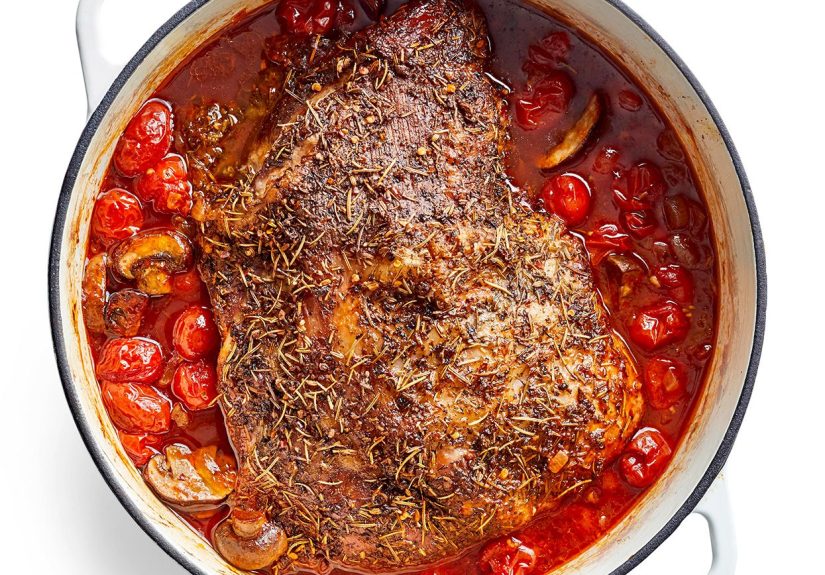
Add more rosemary, whole garlic cloves, and a handful of cherry tomatoes to the pan. Serve with white beans and crusty bread for a supper that tastes like it belongs in a stone farmhouse fantasy.
Spicier southern Italian profile
Increase the red pepper flakes and add a spoonful of Calabrian-style chile paste or a pinch of smoked paprika. The result is punchier and a little moodierin a good way.
Best Side Dishes for Italian Pork Roast
This roast gets along very well with sides that can absorb sauce or contrast with the pork’s richness. Roasted potatoes are the obvious crowd-pleaser. Creamy polenta is excellent if you want the meal to feel slightly more elegant. Cannellini beans tossed with olive oil and garlic work beautifully too.
For vegetables, bitter greens are a great match. Broccoli rabe, kale, escarole, or spinach help cut the richness and make the plate feel more complete. A crisp salad with lemon vinaigrette also works if you want a lighter finish. And if there is bread on the table, nobody will complain. Bread plus pork juices is one of civilization’s better ideas.
Common Mistakes to Avoid
Using the wrong cut
If you want neat slices, use pork loin. If you want shreddable tenderness, use shoulder and change the method. They are both delicious, but they are not interchangeable twins wearing different hats.
Skipping the rest
Cutting too early lets the juices run out. Resting keeps the meat juicier and the slices prettier.
Under-seasoning
Pork loves assertive seasoning. Garlic, herbs, salt, fennel, and citrus should be noticeable. You are seasoning a roast, not whispering at it.
Cooking by time alone
Ovens vary. Roast shapes vary. Thermometers keep everyone honest.
How to Store and Reheat Leftovers
Store leftover pork in an airtight container in the refrigerator for up to 3 to 4 days. Keep some of the pan sauce with it so the slices stay moist. To reheat, place the pork in a baking dish with a splash of broth or a spoonful of sauce, cover loosely, and warm at 300°F until heated through. Microwave reheating works in a pinch, but gentle oven heat gives better texture.
Leftover Italian pork roast is also extremely useful. Pile thin slices into crusty sandwiches with provolone and greens. Chop it into pasta sauce. Add it to a skillet with white beans and spinach. Or reheat it with roasted peppers and call it lunch with excellent self-esteem.
Conclusion
A great Italian pork roast recipe does not need culinary acrobatics. It needs the right cut, a confident herb rub, a thermometer, and enough patience to let the roast rest before slicing. When you combine pork loin with garlic, rosemary, fennel, lemon, olive oil, and a splash of wine, you get the kind of dinner that feels generous, deeply savory, and just a little celebratory.
It is also one of those rare recipes that works across situations. You can make it for a Sunday dinner, a holiday crowd, a casual family gathering, or a night when you simply want your kitchen to smell like someone’s Italian grandmother is about to compliment your life choices. Serve it with potatoes, greens, or beans, and you have a meal that is comforting without being heavy, classic without being boring, and practical enough to earn a permanent spot in your rotation.
Experiences Related to Italian Pork Roast Recipe
One of the most memorable things about making an Italian pork roast is that the experience starts long before the first slice hits the plate. It begins when the garlic meets the cutting board and the fennel seeds get crushed. Suddenly the kitchen smells alive. Rosemary releases that woodsy fragrance, lemon zest wakes everything up, and the olive oil turns the seasoning into a paste that already feels like dinner is going to work out. Even before the pork goes into the oven, the recipe creates a mood. It says, “Relax, something good is happening here.”
For many home cooks, the first surprise is how manageable the process feels. A roast sounds serious. It sounds like guests should be arriving in wool coats with respectable opinions about wine. But in practice, once the pork is seasoned and set over onions and fennel, the oven takes over and the stress level drops. That is part of the charm. It gives the cook time to tidy up, make a side dish, set the table, or stand near the stove looking thoughtful and accomplished.
Then comes the second great experience: learning that pork does not have to be cooked into oblivion. Many people grew up with pork that was firm, dry, and suspiciously committed to beige. Pulling a pork roast at the right temperature and letting it rest is one of those kitchen turning points that changes how you cook forever. The first time you slice into a roast and see moist, tender meat instead of a sad, gray center, it feels like a small but meaningful victory. You realize the problem was never pork. The problem was fear.
There is also the social side of the recipe. Italian pork roast has a way of making an ordinary meal feel communal. People gather when a roast is on the counter. Somebody asks when it will be ready. Somebody else steals a roasted onion from the pan. The person carving becomes temporarily important. Even leftovers feel generous. You are not just reheating meat; you are extending the good part of the meal into the next day.
Another experience tied to this dish is how adaptable it feels across seasons. In cooler months, it becomes a cozy centerpiece with potatoes and greens. In spring, it can be served with lemony beans and a sharper salad. Around holidays, it looks festive enough to hold its own on a crowded table without demanding steak-house money or all-day labor. That flexibility makes the recipe feel useful, not just impressive.
Perhaps the best part, though, is confidence. Once you have made an Italian pork roast successfully, other roasts stop feeling intimidating. You start to trust thermometers, seasoning, and rest time. You understand how herbs and aromatics shape flavor. You get better at judging doneness and building a sauce from the pan instead of from a packet. In that way, the recipe gives more than dinner. It gives experience, instincts, and the quiet satisfaction of making something that tastes like effort without requiring a meltdown.