Table of Contents >> Show >> Hide
- Why Bread Recipes Never Go Out of Style
- The Foundations of Better Bread
- Five Bread Recipes Worth Baking Again and Again
- How to Choose the Right Bread Recipe for Your Mood
- Common Bread Mistakes That Ruin Good Intentions
- Storage, Freezing, and Leftover Magic
- What Bread Recipes Teach You Beyond the Kitchen
- Conclusion
There are two kinds of people in this world: people who bake bread for practical reasons, and people who bake bread because they enjoy turning a kitchen into a warm, flour-dusted perfume factory. Sometimes, of course, these are the same person wearing sweatpants and pretending not to eat the heel straight off the cooling rack.
Bread recipes have survived every trend cycle for a reason. They are comforting, affordable, flexible, and wildly satisfying. A basic loaf can become toast, sandwiches, garlic bread, croutons, breadcrumbs, or the star of a dramatic late-night snack involving too much butter and zero regret. Better yet, once you understand a few fundamentals, bread baking feels less like kitchen wizardry and more like a reliable skill you can repeat on purpose.
This guide breaks down the most useful types of bread recipes, the ingredients that matter most, the mistakes that sabotage otherwise good dough, and several go-to bread ideas that deserve a permanent spot in your baking rotation. Whether you want a soft sandwich loaf, a rustic no-knead boule, or a quick bread that skips yeast entirely, there is a path here for you. And yes, your house will smell amazing. That is not a side effect. That is part of the business model.
Why Bread Recipes Never Go Out of Style
The beauty of bread is that it can be simple or ambitious without becoming snobbish about it. A four-ingredient artisan loaf and a buttery braided bread may look like they belong to different culinary tax brackets, but they rely on the same big ideas: structure, fermentation, moisture, time, and heat.
Most bread recipes fall into a few practical categories. Yeast breads include classic sandwich loaves, dinner rolls, French bread, challah, and whole wheat bread. No-knead breads trade elbow grease for time, using wetter dough and longer rests to build flavor and texture. Quick breads use baking powder or baking soda instead of yeast, which means banana bread, zucchini bread, beer bread, and savory loaf cakes can head to the oven without a proofing session. Flatbreads and enriched breads expand the menu even more, from focaccia and naan to brioche and pull-apart buns.
That variety is exactly why “bread recipes” remains such a useful topic. You are not learning one loaf. You are learning a whole category of comfort.
The Foundations of Better Bread
1. Flour is not just flour with better marketing
All-purpose flour is versatile and friendly, which makes it great for many home bakers. Bread flour, however, usually contains more protein, which helps create stronger gluten development and a chewier, loftier loaf. Whole wheat flour brings deeper flavor and nutrition, but it can make bread heavier unless the recipe balances hydration and structure well. Rye, oat, and multigrain additions add personality, but they also change texture, so they work best when introduced intentionally rather than in a random pantry raid.
2. Yeast needs warmth, not a tropical vacation
Too-cold water slows yeast down. Too-hot water can damage it. That sweet spot of pleasantly warm liquid matters because yeast is alive, dramatic, and slightly offended by poor treatment. Once activated, it produces gas that helps dough rise and flavor that makes homemade bread taste like an actual achievement rather than a beige science experiment.
3. Salt matters more than people think
Salt does not just add flavor. It also helps regulate yeast activity and strengthens dough. Skip it, and your bread may taste flat and rise too fast in a way that hurts texture. That is a cruel trade. Keep the salt.
4. Time improves flavor
One of the biggest differences between decent bread and memorable bread is fermentation time. A longer rise, a second rise, or an overnight rest can deepen flavor and improve crumb. That is why no-knead bread works so well. It lets time do the heavy lifting while you do something noble, like ignoring laundry.
5. Color is your friend
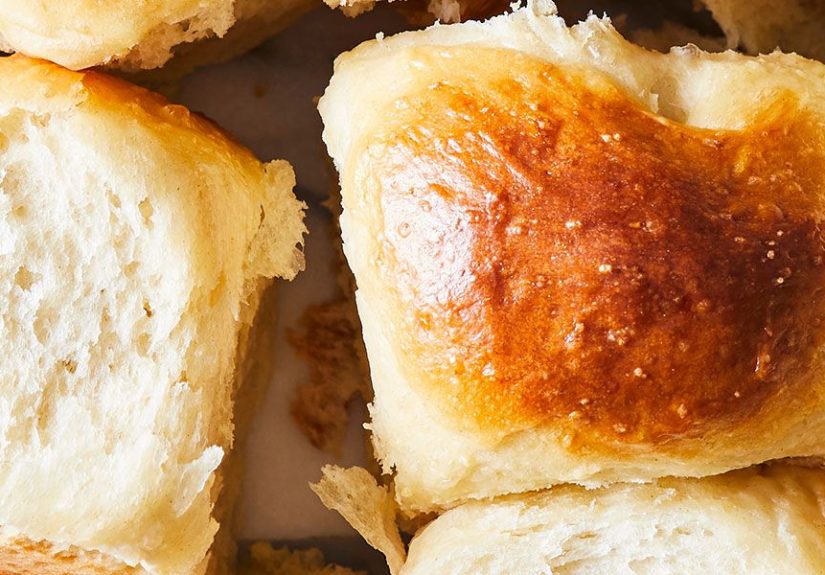
Pale bread is often underbaked bread. A loaf with rich golden color usually brings better flavor and texture because the crust had time to develop. Bread should not leave the oven looking shy.
Five Bread Recipes Worth Baking Again and Again
Below are five dependable bread ideas, written in an original, streamlined format for real-life kitchens. They are not fussy. They are useful. And unlike some internet recipes, they do not require a degree in bread geometry.
Classic Soft Sandwich Bread
This is the everyday loaf: soft crumb, gentle flavor, great for toast and sandwiches.
- 3 1/4 cups bread flour
- 1 cup warm milk
- 2 1/4 teaspoons instant yeast
- 2 tablespoons sugar or honey
- 1 1/2 teaspoons salt
- 2 tablespoons softened butter
- Mix the warm milk, yeast, and sugar. Let it sit briefly until foamy.
- Add flour, salt, and butter. Knead until smooth and elastic.
- Let the dough rise until doubled.
- Shape into a loaf and place in a greased loaf pan.
- Let it rise again until puffy and slightly above the rim.
- Bake at 375°F for about 30 to 35 minutes, until golden brown.
- Cool before slicing, unless you enjoy squashing warm bread with your own impatience.
No-Knead Artisan Loaf
If you want dramatic crust with very little effort, this is your move.
- 3 cups all-purpose or bread flour
- 1 1/2 teaspoons salt
- 1/2 teaspoon instant yeast
- 1 1/2 cups water
- Stir everything together into a shaggy, sticky dough.
- Cover and let it rest 12 to 18 hours at room temperature.
- Shape gently on a floured surface and let it rise for about 45 minutes.
- Bake in a preheated Dutch oven at 450°F until deep golden and crackly.
- Listen for that crusty soundtrack when it cools. That tiny crackling sound is baker applause.
Honey Whole Wheat Bread
This loaf is hearty without turning into a brick disguised as wellness.
- 2 cups whole wheat flour
- 1 1/2 cups bread flour
- 1 1/4 cups warm water
- 2 1/4 teaspoons yeast
- 3 tablespoons honey
- 2 tablespoons oil or butter
- 1 1/2 teaspoons salt
- Bloom the yeast in warm water with the honey.
- Add the remaining ingredients and knead until the dough is supple.
- Let rise until doubled, then shape into a loaf.
- Proof again and bake at 375°F until browned and fragrant.
- Use it for toast, peanut butter, grilled cheese, or morally superior sandwiches.
Quick Beer Bread
No yeast proofing, no kneading, no waiting around wondering if the dough likes you back.
- 3 cups self-rising flour
- 2 tablespoons sugar
- 12 ounces beer
- 3 tablespoons melted butter
- Mix the flour and sugar, then pour in the beer.
- Stir just until combined. Do not overmix.
- Transfer to a loaf pan and pour melted butter over the top.
- Bake at 375°F for 45 to 50 minutes.
- Serve warm with soup, chili, or a level of confidence disproportionate to your effort.
Garlic Herb Pull-Apart Bread
This one leans more into party bread territory, which is a noble territory indeed.
- 1 loaf of homemade or bakery bread
- 4 tablespoons softened butter
- 2 to 3 garlic cloves, minced
- 1 tablespoon chopped parsley
- 1 tablespoon chopped chives
- Pinch of salt
- Optional shredded mozzarella or Parmesan
- Slice the loaf in a crosshatch pattern without cutting all the way through.
- Mix butter, garlic, herbs, and salt.
- Spread the mixture between the cuts. Add cheese if desired.
- Wrap loosely in foil and bake at 375°F until warm and fragrant.
- Put it on the table and watch people suddenly become very social.
How to Choose the Right Bread Recipe for Your Mood
If you are brand-new to baking, start with a simple sandwich loaf, quick bread, or no-knead recipe. These styles are forgiving and teach useful habits without asking too much too soon. If you want better flavor and a rustic texture, choose an artisan or overnight loaf. If you need speed, quick breads are the clear winner. If you want softness and richness, look for enriched doughs made with milk, eggs, butter, or sugar.
In other words, the best bread recipe is not always the fanciest one. It is the one that fits your schedule, skill level, and craving. Some days you are ready to nurture dough for 18 hours. Some days you just need beer bread before dinner and emotional stability after lunch.
Common Bread Mistakes That Ruin Good Intentions
Using too much flour
Sticky dough scares beginners, so they keep adding flour until the dough becomes dry and stubborn. Slightly tacky dough is often better than a dense loaf with the texture of old gym socks.
Underproofing or overproofing
If dough has not risen enough, the loaf can be tight and small. If it rises too long, it may collapse or bake up flat. The dough should look puffy and alive, not exhausted.
Ignoring pan size and oven temperature
A beautiful recipe can fail if stuffed into the wrong pan or baked in an oven running hot. Bread likes consistency. Ovens, unfortunately, are known liars. An oven thermometer helps.
Slicing too soon
Fresh bread smells so good it makes patience feel like an unreasonable demand. But cutting into a loaf too early can turn the crumb gummy. Let it cool long enough to set.
Storage, Freezing, and Leftover Magic
Homemade bread usually lacks the preservatives found in store-bought loaves, which is good news for your ingredient list and bad news for your counter longevity. Store fully cooled bread in an airtight container or tightly wrapped at room temperature for a couple of days. For longer storage, slice it and freeze it. That way you can grab individual pieces for toast without thawing an entire loaf like you are defusing a carbohydrate emergency.
Stale bread is not a failure. It is an opportunity wearing a crust. Turn it into croutons, stuffing, breadcrumbs, bread pudding, strata, French toast, or panzanella. A loaf with a second life is still doing excellent work.
What Bread Recipes Teach You Beyond the Kitchen
After enough loaves, bread baking stops feeling like a recipe and starts feeling like a relationship. Not a dramatic relationship. Bread is much healthier than that. But it is a relationship in the sense that you begin to notice patterns, moods, signals, and little clues. You learn what tacky dough feels like when it is still correct. You learn how a loaf sounds when it comes out of the oven and starts softly crackling on the rack. You learn that yeast can be both cooperative and chaotic depending on room temperature, timing, and whether you wandered away to answer a message and forgot the second rise existed.
There is also something deeply practical about bread recipes that makes them different from trendier baking projects. A layer cake is a celebration. Bread is infrastructure. It is breakfast, lunch, dinner, snack, side dish, and backup plan. When you know how to make bread, your kitchen feels more capable. A bag of flour becomes possibility. A packet of yeast becomes an insurance policy against bland evenings.
Many home bakers also discover that bread changes how they experience time. Modern life trains people to expect everything quickly, cleanly, and on demand. Bread politely declines that arrangement. Dough needs rest. Flavor needs development. The loaf is done when it is done, not when your attention span would prefer a faster storyline. In that sense, bread recipes are a quiet rebellion against hurry. They reward patience without making a speech about it.
Then there is the sensory side. Bread is wonderfully physical. You stir, knead, fold, stretch, shape, dust, score, and bake. You smell fermentation. You feel elasticity. You watch dull dough become a bronzed loaf with actual character. Even mistakes are educational. A dense loaf teaches you about hydration. A flat loaf teaches you about proofing. A pale loaf teaches you to stop being timid with bake time. Bread is generous that way. It lets you eat the lesson.
And perhaps that is why bread recipes remain beloved across generations. They are not just instructions for making food. They are instructions for making atmosphere. A loaf in the oven changes the mood of a home. It slows people down. It draws them into the kitchen. It makes butter seem more important, which is a public service. Whether you bake once a month or every weekend, bread has a way of making ordinary days feel a little more anchored, a little more fragrant, and a lot more edible.
So if you have been meaning to try homemade bread, this is your nudge. Start with the loaf that fits your life right now. Keep notes. Expect one or two awkward attempts. Celebrate the wins. Toast the imperfect slices anyway. Because the real charm of bread recipes is not perfection. It is repeatability. It is the quiet confidence of knowing that with a little flour, water, salt, and time, you can make something warm, useful, generous, and genuinely delicious from scratch.
Conclusion
The best bread recipes are not necessarily the most elaborate ones. They are the ones that match your schedule, taste, and confidence level while delivering real flavor and texture. A soft sandwich loaf handles daily life beautifully. A no-knead artisan round gives you bakery drama with minimal effort. Whole wheat bread brings hearty depth, quick breads rescue busy days, and garlic bread exists for the noble purpose of making dinner immediately better.
Once you understand the basics of flour, yeast, salt, hydration, fermentation, and baking time, the whole category opens up. Bread recipes stop feeling intimidating and start feeling adaptable. That is when baking gets fun. Not just “look what I made” fun, but “I can do this again” fun. And that is the kind that keeps people coming back to the mixing bowl.