Table of Contents >> Show >> Hide
- Why This Headline Works So Well
- What “Real Wheels” Actually Change
- The Catch: More Grip Means More Stress
- How the Market Has Changed Beyond the Original Power Wheels
- Safety Still Runs the Show
- Maintenance Is the Most Boring Part, Which Is Why It Matters
- Why Power Wheels Matter Beyond Play
- The Real Appeal of “Real Wheels”
- Experiences Related to “Power Wheels Gets Real With Real Wheels”
- Conclusion
There comes a moment in every parent’s life when a backyard toy stops looking like a toy and starts looking like a tiny off-road test mule. That moment usually arrives when a child in sunglasses hits the driveway in a Power Wheels Jeep, gives the steering wheel a serious nod, and drives off like they have a meeting with the HOA. But lately, the fantasy has been getting even more believable. The phrase “Power Wheels gets real with real wheels” captures a growing trend: kid-sized ride-ons are becoming more capable, more realistic, and, frankly, more car-like than ever before.
This is not just about cute styling or plastic dashboards pretending to be the real deal. It is about traction, durability, suspension, tire design, and the broader shift in how battery-powered ride-on toys are built, modified, and understood. What used to be a slippery plastic cruiser for sidewalk loops is now, in some cases, a rugged mini machine with rubberized tires, steel framing, working sounds, and terrain-ready design. And when enthusiasts swap stock plastic rollers for pneumatic wheels, the humble Power Wheels starts flirting with real automotive behavior. That is adorable, yes. It is also a little hilarious. One minute you are buying a toy. The next minute you are discussing grip, axle strength, and whether your preschooler really needs “off-road capability.”
Why This Headline Works So Well
The title “Power Wheels Gets Real With Real Wheels” sounds playful, but it also nails the engineering story. Traditional ride-on toys often use hard plastic wheels. They are lightweight, inexpensive, and perfectly acceptable for basic play. But they are not exactly known for graceful performance on wet grass, bumpy yards, or anything that can be described as “terrain” with a straight face.
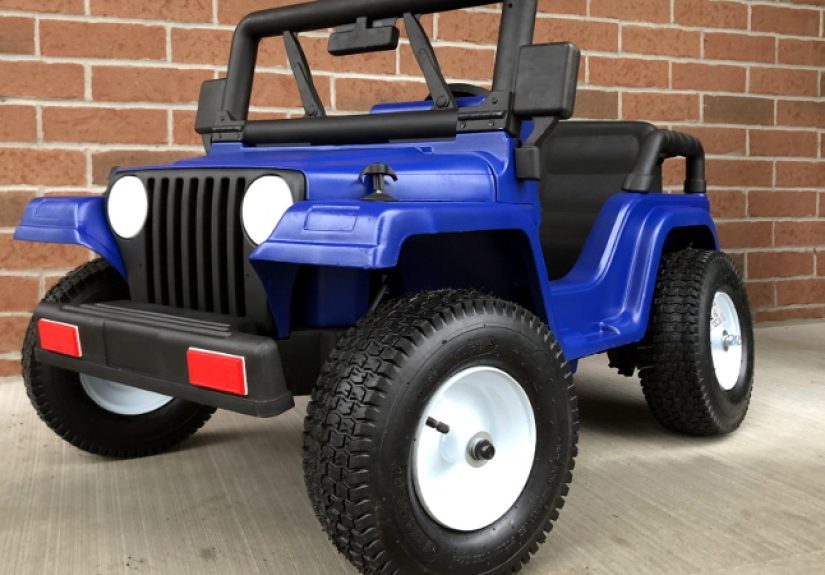
Real wheels, or at least more realistic wheel setups, change that equation. In the maker world, enthusiasts have experimented with swapping in pneumatic tires or rubber-treaded wheels to give toy vehicles better grip and a smoother ride. The appeal is obvious. A Power Wheels Jeep already looks like a mini off-roader. Add tires that bite into the ground instead of skating across it, and suddenly the vehicle behaves more like the real thing it imitates.
That extra realism is part of a much broader trend. Modern ride-on vehicles for kids increasingly borrow cues from real cars and utility vehicles, from faux dashboards and working sounds to suspension systems, training modes, seat belts, and parent-controlled speed settings. In other words, the toy aisle has been hanging around the auto industry and clearly taking notes.
What “Real Wheels” Actually Change
1. Traction Becomes a Big Deal
The biggest difference is grip. Hard plastic wheels are fine on smooth surfaces, but once the ground gets damp, uneven, or loose, they can start acting like they have absolutely no plans to cooperate. Rubber or pneumatic tires improve contact with the ground, which means better climbing, better steering feel, and less useless wheelspin. For kids, that can translate into a ride that feels more stable and more fun. For adults, it translates into a deeply unnecessary but strangely satisfying thought: Ah yes, improved backyard drivability.
Official Power Wheels models have leaned into this reality for years with features such as wide tires, “Monster Traction” branding, steel frames, and low-profile off-road styling. Models like the Dune Racer and Jeep Hurricane Extreme have sold the dream of all-terrain adventure without pretending your child is entering the Baja 1000. They are still limited in speed, but they are designed to handle more than a perfectly polished driveway.
2. Ride Quality Improves
Anyone who has heard a plastic ride-on chattering across cracked pavement knows the soundtrack. It is somewhere between shopping cart roulette and a tiny robot having an emotional breakdown. Rubberized wheels and better suspension calm that down. They absorb vibration, smooth out bumps, and help the vehicle feel less toy-like. For a child, that means a more comfortable and confidence-building ride. For parents, it may mean one less excuse to hear, “Dad, it’s broken,” when the issue is really just a lawn full of roots.
3. Realism Becomes the Product
Modern ride-ons are selling more than transportation. They are selling imagination. Car-inspired bodywork, working doors, radios, storage compartments, headlights, themed dashboards, and branded styling all help children role-play as drivers, explorers, racers, or off-road adventurers. When the wheels look and behave more like actual wheels, the illusion gets stronger. The vehicle does not just resemble a Jeep or dune buggy. It starts to perform like a toy version of one.
The Catch: More Grip Means More Stress
Here is where the grown-up part of the conversation shows up, wearing a clipboard. Better traction is wonderful right up until it starts exposing the limits of everything else. In one widely discussed pneumatic-tire conversion project, the builder discovered that adding real wheels was not as simple as bolting them on and calling it a day. The front setup needed fitment work, bushing improvisation, and new hardware. The rear required more substantial adaptation to connect with the existing drive system. Even the axle had to be upgraded after a weaker solution sagged during testing.
That story reveals the central truth of the whole trend: wheels are part of a system. Change the grip, and you change the loads on the gearbox, the motor, the axle, and the frame. Stock plastic wheels can slip, and that slip acts like an unofficial safety valve. Replace them with grippier wheels, and suddenly the drivetrain has to deal with forces it was never really invited to handle. So yes, real wheels can make a Power Wheels feel more legit. They can also make weak components wave a tiny white flag.
That is why the most sensible conversation around upgraded ride-on toys is not “How fast can this go?” It is “How balanced is the build?” That may sound less exciting, but it is the difference between a fun project and a very expensive way to learn what stripped gears sound like.
How the Market Has Changed Beyond the Original Power Wheels
The broader kids’ electric car market has gotten much more ambitious. Automotive media now covers ride-on vehicles with features that would have sounded comically overbuilt a generation ago: 24-volt systems, all-wheel drive, four motors, remote parental override, suspension at all four corners, larger rubber tires, Bluetooth audio, touchscreen controls, and training modes. Tiny luxury SUVs, mini pickup trucks, and pint-sized utility buggies now compete for attention in a category that once thrived on simple novelty.
That evolution matters because it shows how expectations have changed. Families no longer see these products as just silly little neighborhood cruisers. They want durability, safety features, more realistic operation, and enough versatility to survive actual outdoor use. That demand is part of why the phrase “real wheels” feels so timely. The fantasy has shifted from “pretend car” to “toy that behaves more like a real car, just at kid speed.”
Safety Still Runs the Show
The fun part of this topic is easy to sell. The responsible part matters more. Official Power Wheels products are usually designed with age ranges, speed limits, braking systems, and parent-controlled lockouts for a reason. Many common models stay in the 2.5 to 5 mph range and are marketed for young children, often roughly ages 2 to 7 depending on the model. That is deliberate. These are not miniature performance vehicles. They are supervised ride-on toys.
Product recall history also reminds parents not to treat any ride-on as foolproof. Battery-powered riding toys have been recalled in the past for issues such as pedals sticking or continued motion after the pedal was released. That does not mean parents should panic. It means they should check recall notices, follow assembly instructions, inspect the toy regularly, and supervise use on appropriate surfaces away from traffic, slopes, pools, and general chaos.
Protective gear deserves a mention too. Pediatric safety guidance consistently supports helmet use for children in wheeled activities where falls are possible. No, the helmet does not ruin the cool factor. If anything, it enhances it. Every tiny driver looks more serious in a helmet. That is just science. Probably.
Maintenance Is the Most Boring Part, Which Is Why It Matters
If the goal is to make a ride-on feel more real, maintenance comes with the territory. Official guidance for many Power Wheels batteries emphasizes proper charging habits, including a long initial charge, charging after each use, and not letting the battery sit discharged for extended periods. Average battery life is not forever, and neglect is often what kills the fun before the child ever outgrows the toy.
Parents also need to pay attention to tire wear, wheel wobble, loose fasteners, cracked plastic, battery condition, and whether the vehicle still behaves predictably under load. Real cars need maintenance because real use creates real stress. A more capable ride-on is no different. Tiny Jeep, tiny responsibility.
Why Power Wheels Matter Beyond Play
There is another reason this category deserves more respect than it usually gets. Power Wheels and similar ride-ons are not just toys in the cultural sense. They are often a child’s first taste of independence, control, and motion. Steering, starting, stopping, judging space, and exploring under their own power all feel huge when you are small enough to think a curb is a mountain range.
That is also why modified ride-ons have been used in therapeutic settings. Programs such as GoBabyGo have shown that adapted ride-on cars can help children with mobility challenges experience self-directed movement in a joyful way. That gives the whole category more emotional weight. A ride-on vehicle can be silly fun, yes. It can also be a tool for exploration, confidence, and social interaction. Sometimes the smallest cars do some pretty big work.
The Real Appeal of “Real Wheels”
At the end of the day, the phrase works because it captures the dream at the heart of Power Wheels. Kids do not want a lecture on wheel compounds. They want something that feels real enough to believe in. They want the vehicle to go where they point it, survive the grass, bounce through the yard, and make them feel like the hero of their own afternoon. Parents, meanwhile, want something sturdy, safe, and worth the money. Real wheels, whether literal pneumatic upgrades or factory rubberized improvements, speak to both audiences at once.
They promise realism. They suggest capability. They hint at durability. They make the vehicle feel less like molded plastic and more like a miniature machine with a job to do. Even when that job is just driving three stuffed animals to an imaginary campsite behind the hydrangeas.
Experiences Related to “Power Wheels Gets Real With Real Wheels”
The most memorable part of this trend is not the hardware. It is the experience. Ask any parent who has watched a child climb into a ride-on with improved wheels, and they will tell you the same thing: the kid’s entire attitude changes. The posture gets taller. The steering wheel grip gets firmer. The expression says, with complete sincerity, “I am currently operating a very serious vehicle.” It is half comedy, half magic.
On smooth pavement, the experience feels familiar. The toy moves with that classic Power Wheels confidence, slow enough to keep parents relaxed but fast enough to make kids feel gloriously independent. But once the surface changes, that is when “real wheels” start to earn their keep. Grass feels less like a trap. Gravel stops being the enemy. Small bumps that once rattled the whole vehicle become part of the adventure. Instead of getting stuck and calling for a rescue crew, the little driver keeps moving, and that continuity matters. Kids do not want a machine that quits when the yard gets interesting.
There is also a confidence factor that sneaks up on adults. Children who are unsure on a basic ride-on often look more relaxed when the vehicle tracks straighter and grips better. The toy feels more predictable. Turns are less awkward. Starts feel less jerky. Even the sound changes; the clattery plastic-scrape soundtrack gives way to something smoother and more planted. It still looks cute, of course, because all tiny cars are cute by law. But it also feels more competent.
Parents experience the shift differently. For them, the thrill is mixed with logistics. Suddenly they are noticing the path through the yard, the slope of the driveway, the state of the battery, and whether the child has a helmet on. They become crew chief, safety officer, and race commentator all at once. “Nice line through the patio, buddy,” they say, five minutes after swearing they would never become emotionally invested in a toy Jeep.
Then there is the nostalgia. That may be the most powerful part of all. Adults who grew up wanting a Power Wheels, or who had one and remember it like a sacred artifact from childhood, see these upgraded versions and immediately feel the pull. The machine in front of them is for the child, sure, but it also taps into an old fantasy of freedom, adventure, and neighborhood-scale rebellion. It is hard not to project a little. Very hard. That is how a normal Saturday turns into an afternoon discussion about tire pressure, spare batteries, and “future improvements” nobody asked for.
The best experiences, though, are the simplest ones. A child loading toys into the back storage compartment before a “road trip.” A sibling asking for a turn and being told, with shocking authority, to wait at the curb. A careful first drive across grass that turns into a proud lap around the yard. A grin that appears when the vehicle does not bog down, does not slip out, and does not need an adult push. That grin is the whole point. Real wheels are not really about wheels. They are about making the experience feel believable enough that the imagination never has to stop for traction.
Conclusion
“Power Wheels Gets Real With Real Wheels” is more than a catchy phrase. It is the perfect description of where the category is headed. Better tires, smarter design, stronger frames, more realistic features, and a growing culture of customization have pushed ride-on toys closer to real automotive behavior than ever before. The best versions keep the fantasy alive while respecting the basics: safety, age-appropriate speed, solid maintenance, and adult supervision. That balance is what makes the whole thing work. Not every child needs a backyard overlander. But every child deserves a ride that feels a little magical when the pedal goes down.