Table of Contents >> Show >> Hide
- Can You Eat Kiwi During Pregnancy?
- Why Kiwi Is Worth a Second Look in Pregnancy
- Top Benefits of Eating Kiwi in Pregnancy
- How Much Kiwi Can You Eat While Pregnant?
- Are There Any Side Effects of Kiwi in Pregnancy?
- Can Kiwi Help with Pregnancy Constipation?
- Can Kiwi Replace Prenatal Vitamins?
- Best Ways to Eat Kiwi During Pregnancy
- Green Kiwi vs. Gold Kiwi in Pregnancy
- When to Call Your Doctor
- Bottom Line
- Experiences Related to Kiwi in Pregnancy
- SEO Tags
Pregnancy has a funny way of turning ordinary foods into big questions. One day you are casually slicing fruit, and the next you are staring at a kiwi like it holds the secrets of the universe. Fair enough. When you are growing a human, even snack choices start to feel like job interviews.
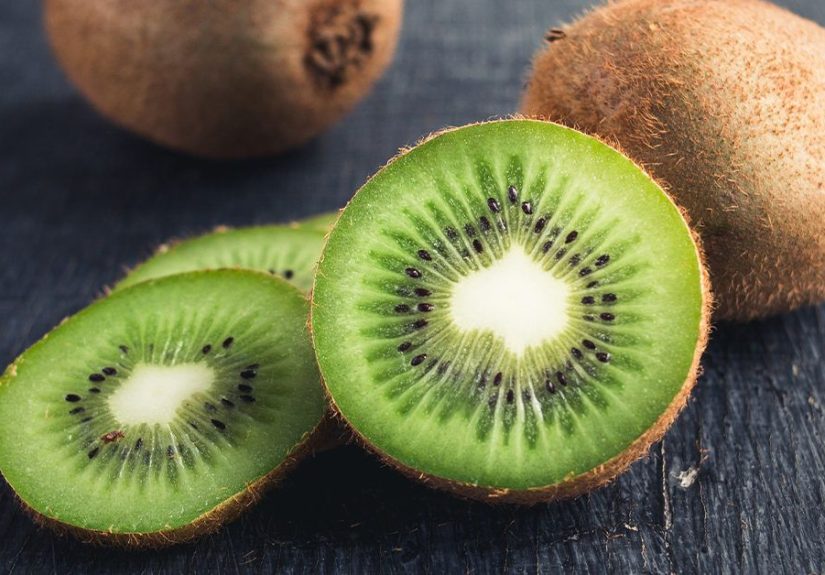
The good news is that kiwi is generally a smart fruit to keep in the rotation during pregnancy. It is refreshing, easy to eat when heavy meals sound rude, and packed with nutrients that matter in pregnancy, including vitamin C, fiber, potassium, and some folate. It can also be a welcome ally when pregnancy constipation decides to arrive uninvited and overstay its welcome.
That said, kiwi is not magical. It will not replace a prenatal vitamin, cancel out a takeout-heavy week, or transform you into a perfectly hydrated goddess who suddenly enjoys yoga at 6 a.m. But as part of a balanced diet, kiwi can absolutely earn its spot on the plate.
Can You Eat Kiwi During Pregnancy?
Yes, most pregnant women can eat kiwi safely. In fact, kiwi can be a nutritious addition to a pregnancy diet because it delivers several key nutrients without a lot of calories or added sodium. It is also naturally sweet and juicy, which makes it appealing when pregnancy cravings swing toward fruit or when bland, cold foods are easier to tolerate than full meals.
The main rules are simple: wash the fruit well before cutting or eating it, avoid smoothies or juices made with unpasteurized juice, and pay attention to your own body. If kiwi gives you itching, swelling, stomach upset, or other symptoms, it is worth pausing and checking with your healthcare professional.
Why Kiwi Is Worth a Second Look in Pregnancy
1. It is rich in vitamin C
Kiwi is famous for vitamin C, and honestly, it deserves the reputation. Vitamin C helps your body make collagen, supports immune function, and improves the absorption of non-heme iron, the kind of iron found in plant foods and fortified foods. That matters in pregnancy because your iron needs rise as your body makes more blood to support your growing baby.
Translation: pairing kiwi with iron-rich foods can be a clever move. Think kiwi alongside fortified cereal, oatmeal with chia seeds, spinach in a smoothie, or even a simple snack plate with nuts and fruit. Kiwi is not iron itself, but it can help your body make better use of the iron in the rest of your diet.
2. It contributes some folate
Kiwi also contains folate, which is a big deal in pregnancy because folate supports cell growth and healthy fetal development. This is one reason kiwi often gets a gold star in pregnancy nutrition conversations. Still, let’s keep the halo appropriately sized: kiwi is a helpful food source of folate, but it does not replace the folic acid in a prenatal vitamin or the broader need for folate-rich and fortified foods.
In other words, kiwi is a teammate, not the entire team. Eat it, enjoy it, and still take the prenatal your clinician recommends.
3. It can help with constipation
Pregnancy constipation is one of those glamorous topics nobody puts on the baby shower invitation. Hormonal changes can slow digestion, and iron supplements can make that even more dramatic. Kiwi contains fiber, which adds bulk and helps keep digestion moving. Some people also find kiwi easier to tolerate than heavier, bran-heavy foods when their stomach feels sensitive.
If constipation is part of your pregnancy plotline, kiwi can be one useful piece of the strategy. The full cast usually includes water, fiber from multiple foods, movement if your doctor says it is okay, and sometimes stool softeners or other treatments if needed.
4. It supplies potassium and other useful nutrients
Kiwi also offers potassium, which helps with fluid balance, nerve function, and muscle function. It is not the only potassium-rich fruit in the produce aisle, but it is a good option when you want something light and portable. Kiwi also contains vitamin K and antioxidants, which add to its overall nutrition profile.
Basically, kiwi is not just “that fuzzy green fruit.” It pulls its weight.
Top Benefits of Eating Kiwi in Pregnancy
It may make healthy eating easier when appetite is weird
Pregnancy can do strange things to appetite. Some days you are hungry every 90 minutes. Other days the smell of toast feels personal. Kiwi works well in both situations. It is light, chilled, and easy to portion. You can eat one kiwi as a mini snack, add slices to yogurt, or toss it into a smoothie made with pasteurized ingredients.
It is naturally hydrating
Kiwi has a high water content, so it can help contribute to overall hydration. No, it does not replace drinking water. But when plain water feels boring and your mouth wants something fresh, fruit can help make hydration less of a chore and more of a snack.
It supports a fiber-friendly eating pattern
Fiber is one of the most helpful nutrients in pregnancy, especially if bowel habits start acting like they have their own opinions. Kiwi can be part of a fiber-friendly routine that also includes vegetables, beans, oats, whole grains, chia seeds, and other fruits.
Some people even eat kiwi with the skin on for extra fiber. That is allowed, technically. Emotionally? That depends on your relationship with fuzz. If the texture makes you want to file a complaint, peeling it is perfectly fine.
It is an easy way to add variety
Eating a range of fruits and vegetables helps cover more nutritional ground. Kiwi adds variety in flavor, color, and nutrients. During pregnancy, variety matters because no single food covers every base. Kiwi plays especially well with berries, bananas, citrus, yogurt, cottage cheese, oats, and salads.
How Much Kiwi Can You Eat While Pregnant?
There is no official “kiwi quota” for pregnancy. For most people, one or two kiwis in a day as part of an overall balanced diet is a reasonable amount. A practical serving is one medium kiwi or about a cup of sliced kiwi.
The smarter question is not “What is the maximum amount of kiwi I can survive?” but “Does kiwi fit comfortably into my overall fruit intake, digestion, and appetite?” If yes, great. If eating a lot at once leaves you with bloating, diarrhea, or mouth irritation, dial it back.
Are There Any Side Effects of Kiwi in Pregnancy?
Kiwi is healthy, but healthy does not mean universally harmless. Here are the main issues to know about.
1. Allergy is possible
Kiwi can cause allergic reactions in some people. Symptoms may include itching in the mouth, tingling, swelling of the lips or tongue, hives, trouble swallowing, or in severe cases, breathing problems. People with latex allergy may also react to kiwi because of latex-fruit cross-reactivity. If kiwi has ever caused a reaction for you, pregnancy is not the time to “test it one more time for science.” Talk with your clinician instead.
2. Too much can upset your stomach
Because kiwi contains fiber and natural acids, eating a lot of it at once can trigger stomach discomfort in some people. That may look like bloating, loose stools, or abdominal cramping. If your digestive system is already feeling dramatic, smaller portions may be a better idea.
3. It may not work for every medical condition
Kiwi contains potassium, which is generally a positive. But if you have kidney disease or have been told to limit potassium, kiwi may not be the best fruit to eat freely. The same goes for any special pregnancy diet given by your healthcare team. Pregnancy nutrition is never one-size-fits-all, no matter what the internet tries to sell you.
4. Food safety still matters
Even safe foods need safe handling. Wash kiwi thoroughly under running water before cutting it, even if you plan to peel it. Do not scrub it with soap or produce wash. And if kiwi is going into a smoothie, make sure the juice or dairy used is pasteurized. Pregnancy is not the season for mystery microbes.
Can Kiwi Help with Pregnancy Constipation?
It can help, yes, especially as part of a broader high-fiber, well-hydrated routine. Kiwi contains fiber, and research on kiwi and digestion in adults has helped build its reputation as a gut-friendly fruit. Many people find it gentler and more enjoyable than forcing down a bowl of bran that tastes like cardboard ambition.
Still, kiwi is not a cure-all. If constipation is persistent, painful, or paired with bleeding, nausea, or severe abdominal pain, it deserves a conversation with your healthcare provider. Pregnancy constipation is common, but “common” and “ignore it forever” are not the same thing.
Can Kiwi Replace Prenatal Vitamins?
No. Kiwi is nutritious, but it is food, not a substitute for a prenatal vitamin. Pregnancy nutrition needs are higher for several nutrients, especially folate, iron, iodine, and others that are hard to guarantee through diet alone every single day. Kiwi can support your nutrient intake, but it should sit beside your prenatal plan, not replace it.
Think of kiwi as helpful supporting cast. Your prenatal vitamin is one of the lead actors.
Best Ways to Eat Kiwi During Pregnancy
- With yogurt: A simple combo that brings together protein, calcium, and fruit.
- In oatmeal: Add sliced kiwi after cooking for a bright, tangy finish.
- In a smoothie: Blend kiwi with banana, Greek yogurt, and pasteurized milk or juice.
- On cottage cheese or ricotta toast: Sweet, creamy, and surprisingly satisfying.
- With other fruit: Pair kiwi with berries, mango, or melon for more variety.
- Frozen in slices: Great when you want something cold and refreshing.
If nausea is part of your pregnancy experience, chilled kiwi may be easier to eat than heavier snacks. If heartburn is your bigger issue, test your tolerance. Some people do fine, while others find tangy fruit too sharp when reflux is already stirring up drama.
Green Kiwi vs. Gold Kiwi in Pregnancy
Both green and gold kiwi can fit into a pregnancy diet. Green kiwi is tangier and often feels a little more tart, while gold kiwi is usually sweeter and less sharp. If you are dealing with nausea or taste changes, you may prefer one over the other. Nutritionally, both are solid options, so your best pick is the one you will actually eat.
When to Call Your Doctor
Reach out to your healthcare provider if kiwi causes swelling, hives, wheezing, vomiting, or trouble breathing. Also check in if constipation becomes severe, if you have been told to follow a potassium-restricted diet, or if you are unsure how kiwi fits into a medical condition such as kidney disease or food allergy history.
And, because this always deserves repeating, sudden breathing trouble or signs of a severe allergic reaction need urgent medical attention, not another round of frantic fruit-related Googling.
Bottom Line
Kiwi is generally a healthy fruit to eat during pregnancy. It offers vitamin C, fiber, potassium, antioxidants, and some folate, all in a snack-sized package that feels fresh instead of heavy. It may be especially helpful when you are trying to stay regular, eat more fruit, or find foods that still sound appealing when pregnancy symptoms are making the menu complicated.
The main cautions are allergy, possible stomach upset if you overdo it, and the need for safe produce handling. Most important, kiwi is a helpful addition to a balanced pregnancy diet, not a replacement for prenatal vitamins or personalized medical advice.
So yes, you can stop staring at the kiwi like it owes you a dissertation. Slice it, wash it, eat it, and let it do what good fruit does.
Experiences Related to Kiwi in Pregnancy
Many pregnant women describe kiwi as one of those rare foods that keeps showing up in different trimesters for different reasons. In the first trimester, the biggest compliment a food can receive is often, “It didn’t make me nauseous.” Kiwi tends to win points here because it is cold, juicy, and easy to eat in small amounts. Some women say they could handle half a kiwi straight from the fridge even on days when eggs, meat, or anything hot felt impossible. It became less of a “superfood” and more of a practical survival snack, which, frankly, is sometimes the highest honor in pregnancy.
Others talk about kiwi becoming part of a constipation routine. Not in a dramatic movie-montage way, unfortunately, but in a very real, very adult “I am now emotionally invested in fiber” kind of way. A common experience is adding kiwi in the morning with yogurt or oatmeal and noticing that digestion feels a little less sluggish after a few days, especially when water intake is also better. No one is writing poetry about this, but the relief is real enough that kiwi earns a permanent spot on the grocery list.
There are also plenty of women who prefer kiwi because it feels lighter than many snack foods. In the second trimester, when appetite may improve but huge meals still feel like too much, kiwi can fit into a snack plate with cheese, crackers, nuts, or toast. It gives sweetness without the heaviness of dessert, and that matters when you want something refreshing rather than rich. Some say kiwi became their “reset food” after greasy meals, restaurant takeout, or random cravings that sounded brilliant at the time and less brilliant afterward.
Not every experience is glowing, of course. Some pregnant women find kiwi too tart, especially if heartburn is already turning the third trimester into a low-budget dragon movie. Others notice mouth tingling or irritation and quickly learn that kiwi is not their friend. And then there are the texture opinions. Pregnancy has made many people deeply suspicious of perfectly normal foods, so it is not unusual to hear, “I loved kiwi before pregnancy, but suddenly the seeds felt weird and the fuzz looked hostile.” Fair. Pregnancy taste changes are nothing if not creative.
One more common experience is simple convenience. When energy is low and motivation to cook is somewhere near the floor, kiwi feels manageable. It does not need a recipe, it travels well, and it can be dressed up or left alone. That matters more than nutrition headlines sometimes admit. During pregnancy, the best healthy food is often the one you can actually tolerate, prepare, and eat consistently. For many women, kiwi fits that role beautifully: not perfect, not required, but genuinely useful.