Table of Contents >> Show >> Hide
- What Counts as Binge-Watching, Anyway?
- Binge-Watching Wrecks Your Sleep
- It Turns Your Evening Into a Sitting Marathon
- It Encourages Mindless Snacking
- It Can Leave Your Mood Worse, Not Better
- It Can Hurt Focus and Daily Performance
- The “One More Episode” Trap Is Real
- Real-Life Experiences: What Binge-Watching Looks Like Off the Screen
- How to Enjoy TV Without Letting It Run Your Life
- Conclusion
There is nothing inherently evil about a good TV marathon. Sometimes a rainy Saturday, a fuzzy blanket, and a season finale with outrageous plot twists are exactly what the soul ordered. But binge-watching becomes a problem when “just one episode” quietly mutates into four, bedtime gets body-slammed, your posture starts auditioning for a shrimp role, and dinner becomes a family-size bag of snacks you did not technically mean to finish.
That is the real issue: not television itself, but the habit pattern that binge-watching creates. When you spend long stretches glued to a screen, especially late at night, it can affect your sleep, movement, mood, eating habits, focus, and even your relationships. In other words, the danger is not that your favorite series exists. The danger is that autoplay knows your weaknesses and uses them without mercy.
This article breaks down why binge-watching TV is bad for you, what it does to your body and brain over time, and how to enjoy your favorite shows without letting them eat your evenings alive.
What Counts as Binge-Watching, Anyway?
There is no single universal rulebook, but binge-watching is generally understood as watching multiple episodes of a show in one sitting. For some people, that means two episodes. For others, it means realizing the streaming platform is now asking, “Are you still watching?” in the same tone a disappointed uncle might use at Thanksgiving.
The bigger clue is not the exact episode count. It is whether the viewing session becomes long, passive, and hard to stop. If you regularly stay up later than planned, skip movement, ignore hunger or fullness cues, or put off responsibilities because of “one more episode,” you are not merely watching TV. You are entering binge territory.
Binge-Watching Wrecks Your Sleep
Late-night viewing pushes bedtime later
One of the clearest problems with binge-watching is what it does to sleep. Most binge sessions happen at night, when people are already tired and their self-control is running on fumes. It is easy to promise yourself one episode and then discover that your 10:30 p.m. plan has become a 1:07 a.m. lifestyle choice.
That matters because sleep is not optional maintenance. It is central to mood regulation, memory, decision-making, metabolism, and overall health. When binge-watching pushes bedtime later, you shorten your sleep window and often make the next day harder before it even starts.
Your brain does not always power down after a cliffhanger
People often assume TV helps them “unwind,” but binge-watching does not always produce calm. Fast plots, emotional storylines, suspense, and bright screens can leave your mind more activated than relaxed. You may be physically still while mentally chasing a plot twist through the ceiling fan.
That combination can make it harder to fall asleep, lower sleep quality, and create a cycle of bedtime procrastination. The result is familiar: you wake up groggy, drink more caffeine, feel less focused, and tell yourself you deserve a relaxing night. Then the binge begins again.
Poor sleep spills into everything else
When sleep quality drops, the consequences rarely stay in the bedroom. Poor sleep can make you more irritable, less patient, less productive, and more likely to crave high-calorie foods the next day. It can also make workouts easier to skip and stress harder to manage. So yes, that “harmless” midnight episode can end up messing with your mood, appetite, and energy long after the credits roll.
It Turns Your Evening Into a Sitting Marathon
Too much sitting has its own health risks
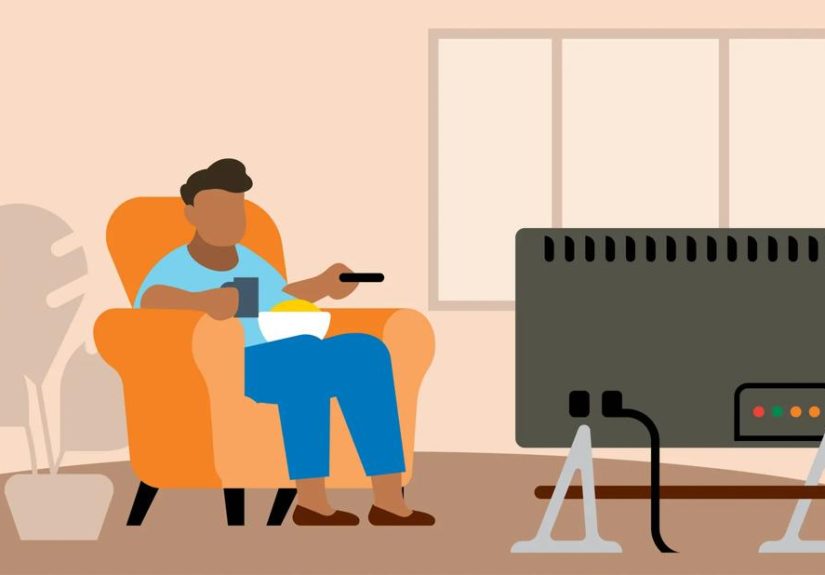
Binge-watching is not just screen time. It is usually seated screen time, often for hours with very little movement. That matters because long periods of inactivity are not great for your body, even if you mean well and own sneakers with excellent intentions.
When you binge-watch for long stretches, you are more likely to sit still longer than you realize. That can mean less calorie burn, tighter muscles, poorer circulation, and fewer opportunities to break up sedentary time with the kind of everyday movement your body actually likes. Over time, a routine that revolves around long sitting sessions may contribute to weight gain and increased cardiometabolic risk, especially when paired with poor sleep and snack-heavy habits.
Your body was built for more than couch-based existence
Humans are remarkably adaptable, but we are not designed to spend our prime hours folded into furniture every night. The body tends to do better when movement is sprinkled throughout the day. When TV becomes the default evening activity for hours at a time, it crowds out walks, chores, stretching, exercise, hobbies, and even simple standing breaks.
That does not mean every quiet evening is unhealthy. It means a binge habit can quietly turn active time into passive time, and that tradeoff adds up.
It Encourages Mindless Snacking
Distracted eating makes it easier to overeat
Binge-watching and mindless eating go together like popcorn and bad decisions. When your attention is locked on a screen, it becomes much easier to eat automatically instead of intentionally. You grab a handful, then another, then somehow your snack disappears in a way that feels both shocking and suspicious.
The problem is not just the food itself. It is the distraction. When you eat while absorbed in a show, you are less likely to notice hunger cues, fullness signals, portion size, and satisfaction. You may end up eating faster, eating longer, and remembering less of the experience. That is a fancy way of saying you can finish a lot of food without ever really feeling like you had a meal.
TV habits often favor convenience food
Binge sessions also tend to attract easy, salty, sugary, or highly processed foods because they are convenient and require zero ceremony. Nobody says, “This thriller is so good, let me pause and assemble a beautiful lentil bowl.” Instead, people reach for chips, candy, takeout, soda, and whatever can survive on a coffee table under the glow of fictional chaos.
If this happens occasionally, no big deal. But if binge-watching becomes a nightly routine, the extra calories and lower food awareness can become part of a larger pattern that is not doing your body any favors.
It Can Leave Your Mood Worse, Not Better
Escapism is fine until it becomes avoidance
One reason binge-watching is so appealing is that it offers escape. After a stressful day, diving into another world can feel soothing. For a little while, you do not have to think about school, work, bills, awkward texts, or the laundry pile that now has emotional depth.
But escapism can become avoidance when TV replaces other tools that actually restore you, such as sleep, exercise, conversation, creative hobbies, or simply stepping outside. If your only reliable stress-management plan is streaming until your eyes get blurry, the relief is often temporary. The stress usually returns, plus now you are tired.
Too much screen time can feed isolation
Binge-watching is often sold as self-care, but too much of it can become socially isolating. Hours spent alone with a screen are hours not spent talking to friends, engaging with family, moving your body with other people, or participating in real life. Even when a show makes you feel “connected” to characters, that is not the same thing as actual human interaction.
Over time, that imbalance can leave some people feeling flatter, lonelier, or emotionally off. The show may be entertaining, but it cannot text you back, help you process a hard day, or join you for a walk.
It Can Hurt Focus and Daily Performance
Binge-watching can also throw off the next day in sneaky ways. If you stay up too late and sleep poorly, your concentration, patience, memory, and decision-making often take a hit. That can show up as brain fog in meetings, slower reaction time while driving, less motivation to exercise, and a strange inability to remember why you opened the refrigerator.
Heavy TV habits may also train your brain to expect constant stimulation and instant reward. Real life, sadly, contains fewer dramatic soundtracks and more email. That can make normal tasks feel dull by comparison. The result is not that TV ruins intelligence, but that frequent overstimulation can make quiet, effortful activities feel harder to stick with.
The “One More Episode” Trap Is Real
Binge-watching works so well because modern platforms are designed to reduce friction. Autoplay starts the next episode before you make a thoughtful decision. Cliffhangers keep curiosity high. Personalized recommendations whisper, “You seem emotionally vulnerable; perhaps a six-part crime documentary?”
None of that means you are weak. It means the environment is built to keep you watching. Once that habit loop forms, TV can start consuming time you thought belonged to other priorities. The cost is rarely obvious in a single night. It appears in tiny trades: less sleep here, less movement there, one skipped shower, one delayed workout, one canceled call, one weirdly large bowl of cereal at midnight. Repeat that enough times, and the pattern becomes the problem.
Real-Life Experiences: What Binge-Watching Looks Like Off the Screen
The worknight spiral
A common binge-watching experience starts innocently on a weeknight. Someone finishes dinner, feels drained, and decides to watch one episode before getting ready for bed. The episode ends on a reveal. The next one starts automatically. By the time they look at the clock, it is much later than expected. They go to bed overstimulated, sleep less than planned, and wake up groggy. The next day feels harder, so that evening they want comfort even more. This is how a relaxing treat quietly becomes a routine that chips away at sleep and energy night after night.
The weekend “recovery” binge
Another experience happens on weekends. After a packed week, binge-watching feels like a reward. A person spends most of Saturday on the couch, telling themselves they are finally resting. At first, it feels great. By late afternoon, though, they feel stiff, sluggish, and oddly unrefreshed. They have not really moved, seen daylight, or done anything that leaves them feeling restored. The day disappears in a blur of episodes. Instead of feeling recharged for Monday, they feel behind on life and vaguely annoyed that their break was not as satisfying as promised.
The snack bowl that becomes a side plot
Food often sneaks into the binge experience in a way people barely notice. Someone brings snacks to the couch “just for fun.” A few episodes later, the bag is empty, the drink is gone, and there is a strong chance they are considering dessert for reasons that feel deeply philosophical in the moment. Because the eating happened while attention was fixed on the show, it barely registered. Many people are surprised not by the fact that they ate, but by how little satisfaction they remember from it. The screen got the focus. The body got the leftovers.
The social rain check habit
Then there is the social version. A person starts turning down plans because they want a quiet night with a show. Again, once in a while, that is completely normal. But when it happens repeatedly, the habit can narrow life. They begin choosing passive entertainment over connection, movement, or hobbies that once mattered to them. Weeks later, they may notice they know every detail about a fictional detective but somehow have not called a friend back in ten days. That is when binge-watching stops being a harmless preference and starts becoming a substitute for a fuller life.
These experiences are relatable because binge-watching rarely feels dangerous in the moment. It feels easy, deserved, and low-effort. The downside shows up later: the poor sleep, low energy, extra snacking, skipped plans, and vague sense that too much time slipped away. That is why the healthiest approach is not panic or guilt. It is awareness. The goal is to enjoy TV on purpose instead of waking up in episode seven wondering where your evening went.
How to Enjoy TV Without Letting It Run Your Life
You do not need to break up with television. You just need better boundaries than autoplay. Start by deciding in advance how many episodes you will watch. Turn off autoplay if you know you are vulnerable to “accidental” season consumption. Set a real bedtime, not an optimistic bedtime. If you watch at night, end with enough buffer for your brain to settle down before sleep.
It also helps to build movement into the experience. Stand up between episodes. Stretch during recaps. Walk around while the credits roll. Keep snacks portioned instead of eating from giant containers like you are provisioning a ship. Most importantly, ask yourself what you actually need before you hit play. Entertainment? Comfort? Company? Escape? Sometimes TV is the right answer. Sometimes what you really need is sleep, a shower, a walk, or a conversation.
Conclusion
Binge-watching TV is bad for you not because watching shows is immoral or because fun is illegal, but because the habit can quietly stack several unhealthy behaviors on top of each other. Long sitting sessions, late bedtimes, mindless snacking, social withdrawal, and reduced movement all tend to show up together. That combination can leave you more tired, less focused, less active, and less satisfied than you expected.
The good news is that television does not have to be the villain. When you watch intentionally, stop before exhaustion, and protect your sleep and movement, entertainment can stay entertaining. The trick is simple: enjoy the show, but do not let the show start scheduling your life.