Table of Contents >> Show >> Hide
- The Main Nutrition Goal During Cancer Treatment
- Best Foods to Focus On While Fighting Cancer
- What to Eat Based on Common Cancer Treatment Side Effects
- Foods and Habits to Be Careful With
- A Simple One-Day Eating Example
- When to Ask for Extra Help
- Final Thoughts
- Experiences People Commonly Have While Fighting Cancer
Note: Body-only HTML, ready for web publishing.
When you are fighting cancer, food can start to feel weirdly complicated. One day scrambled eggs sound perfect; the next day even toast seems personally offensive. That is normal. Cancer itself, along with chemotherapy, radiation, surgery, immunotherapy, and targeted treatments, can change your appetite, taste, digestion, and energy levels. So the best cancer nutrition plan is not a trendy “superfood” list or a heroic diet cleanse. It is a practical plan that helps you keep up your strength, maintain muscle, stay hydrated, and tolerate treatment as well as possible.
In plain English: while fighting cancer, the goal is usually to eat enough, especially enough protein, calories, and fluids. That may mean eating differently than you did before treatment. A giant kale salad may look virtuous on Instagram, but if you have mouth sores and nausea, it is not your friend. At that point, yogurt, soup, mashed potatoes, oatmeal, smoothies, eggs, nut butter, or a high-calorie shake may be far more useful.
This article breaks down the best foods to focus on, how to eat when side effects show up, and which habits matter most. It is informational only and should work alongside advice from your oncologist and a registered dietitian nutritionist, especially if you are losing weight, struggling to swallow, or dealing with dehydration.
The Main Nutrition Goal During Cancer Treatment
If there is one big idea to remember, it is this: the “best” diet during cancer treatment is the one you can actually eat and absorb. For many patients, that means shifting priorities. Instead of chasing a perfect clean-eating routine, focus on these four goals:
- Get enough calories to prevent unplanned weight loss.
- Get enough protein to protect muscle and support healing.
- Drink enough fluids to reduce the risk of dehydration.
- Choose foods that match your symptoms, not foods that win imaginary wellness awards.
That last point matters. Many people with cancer temporarily need softer foods, lower-fiber foods, bland foods, or more calorie-dense foods than they normally would. This is not “eating badly.” It is strategic eating. Think of it as nutritional problem-solving with a fork.
Best Foods to Focus On While Fighting Cancer
1. Protein-rich foods
Protein is a star player during cancer treatment because it helps repair tissue, maintain muscle, and support recovery. Try to include some protein at meals and snacks whenever possible.
- Eggs
- Greek yogurt or regular yogurt
- Cottage cheese or ricotta
- Chicken, turkey, fish, or tender ground meats
- Tofu, soy milk, edamame, and tempeh
- Beans, lentils, and hummus
- Nut butters and nuts, if easy to chew
- Milk, fortified milk alternatives, and protein shakes
- Cheese, puddings, and smoothies made with protein add-ins
If you have a low appetite, do not wait for a huge wave of hunger that may never arrive. Smaller meals with protein often work better than trying to force one giant plate of food. A half sandwich with turkey, a smoothie with Greek yogurt, or toast with peanut butter still counts.
2. Easy calories that do not require a motivational speech
During treatment, calorie needs can go up while appetite goes down. Rude combination. To close the gap, choose foods that pack more energy into smaller portions.
- Oatmeal with nut butter and honey
- Mashed potatoes with olive oil, butter, or gravy
- Avocado on toast
- Full-fat yogurt, pudding, custard, or ice cream
- Smooth soups with cream, beans, or pureed vegetables
- Trail mix or soft granola, if tolerated
- Meal replacement shakes or homemade smoothies
- Crackers with cheese, hummus, or tuna salad
When eating feels hard, liquid calories can help. Smoothies, milkshakes, oral nutrition drinks, broth-based soups, and blended meals are often easier than dense solid food.
3. Fruits, vegetables, and plant foods when tolerated
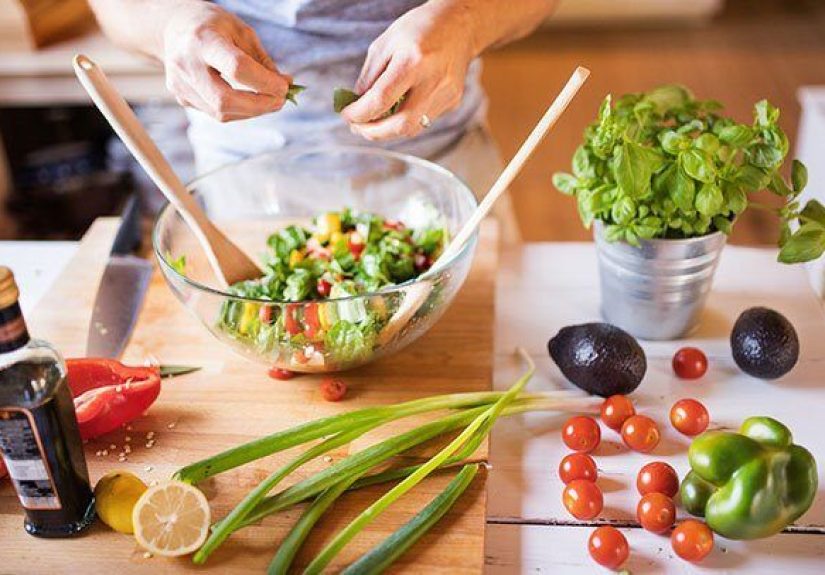
Yes, plant foods still matter. Fruits, vegetables, beans, whole grains, nuts, and seeds offer vitamins, minerals, fiber, and helpful plant compounds. But the trick is to adjust the form based on how you feel.
If raw produce sounds terrible, switch to gentler options like applesauce, bananas, canned peaches, cooked carrots, squash, pureed soups, or smoothies. If fiber is making diarrhea worse, temporarily lower the fiber load and reintroduce more of it later with guidance from your care team.
4. Fluids and hydration boosters
Hydration matters more than people realize. Cancer treatment can lead to dehydration from vomiting, diarrhea, fever, dry mouth, or simply not feeling like drinking. Water is excellent, but it does not have to be your only option.
- Water with lemon, cucumber, or fruit slices if flavors help
- Milk or fortified soy milk
- Broth and soup
- Electrolyte drinks when needed
- Herbal tea
- Ice chips, popsicles, frozen fruit bars, or gelatin
- Smoothies and drinkable yogurt
If drinking is hard, take frequent sips instead of waiting until you feel thirsty. A straw, insulated tumbler, or favorite cup can sound silly, but tiny tricks sometimes rescue hydration.
What to Eat Based on Common Cancer Treatment Side Effects
If you have nausea
When nausea hits, bland, cool, low-fat foods are often easier to handle than hot, greasy, or heavily spiced meals. Good options include crackers, toast, rice, noodles, bananas, applesauce, plain yogurt, broth, oatmeal, and simple potatoes. Cold foods may smell less intense than steaming hot meals, which can help when every kitchen odor suddenly feels like a villain.
Eat small amounts every few hours. An empty stomach can make nausea worse. Ginger tea, ginger chews, or ginger ale may help some people, though not everyone wants to be lectured by ginger when they feel miserable.
If you have mouth sores, sore throat, or trouble swallowing
Choose soft, smooth, moist foods that slide down easily. Think yogurt, pudding, scrambled eggs, oatmeal, cottage cheese, mashed potatoes, cream soups, smoothies, milkshakes, avocado, applesauce, and well-cooked pasta with sauce.
Avoid rough, sharp, spicy, very salty, or acidic foods if they sting. That includes chips, crusty bread, salsa, hot sauce, citrus juice, and tomato-heavy dishes for many people. Cool or room-temperature foods often feel better than hot foods. Adding gravy, broth, sauce, or olive oil can make swallowing easier.
If you have diarrhea
With diarrhea, the goal is often to stay hydrated and switch to gentler, lower-fiber foods for a while. Helpful choices may include bananas, white rice, applesauce, toast, plain pasta, potatoes without heavy skins, oatmeal, broth, crackers, baked chicken, and yogurt if dairy is tolerated.
Limit greasy foods, heavily spiced dishes, large amounts of caffeine, and sugar alcohols found in some sugar-free candies and gums. If diarrhea is frequent or severe, tell your care team promptly, because dehydration can sneak up fast.
If you have constipation
Constipation can happen from pain medicines, anti-nausea drugs, reduced activity, or not drinking enough. If your care team says it is safe, increase fluids and add fiber gradually with foods like oatmeal, pears, prunes, berries, beans, lentils, vegetables, and whole grains. Gentle movement, such as short walks, may also help.
One caution: do not suddenly load up on bran cereal and raw vegetables if your gut is already protesting. Go slowly, and ask your team what makes sense for your situation.
If food tastes strange or metallic
Taste changes are one of the most frustrating parts of treatment. Meat may taste metallic. Sweet foods may suddenly seem too sweet. Water may taste like you licked a battery. When this happens, experiment.
- Try tart flavors like lemon, if your mouth is not sore.
- Use herbs, marinades, sauces, or vinaigrettes.
- Choose cold proteins like chicken salad, tuna salad, yogurt, or cheese.
- Use plastic utensils if metal flavors bother you.
- Rinse your mouth before meals.
If red meat tastes awful, do not force it. Try eggs, dairy, beans, tofu, nut butter, poultry, or fish instead.
If you have dry mouth
Dry mouth can make even soft foods feel like cardboard. Moisten foods with broth, gravy, milk, butter, yogurt, salsa, or dressing if tolerated. Sip liquids with meals. Try soups, smoothies, oatmeal, stewed fruit, scrambled eggs, and casseroles instead of dry meats and crackers. Sugar-free gum or candy may help stimulate saliva in some people.
If you are losing weight
Unplanned weight loss during cancer treatment deserves attention. Add calories wherever you can without making meals huge. Stir nut butter into oatmeal, add olive oil to vegetables, melt cheese into eggs, blend avocado into smoothies, use powdered milk in soups, and keep ready-to-eat snacks nearby. Eating every two to three hours often works better than aiming for three full meals.
Foods and Habits to Be Careful With
Food safety matters more during treatment
If your immune system is weakened, food poisoning can become a much bigger deal. Be extra cautious with:
- Raw or undercooked meat, fish, shellfish, and eggs
- Unpasteurized milk, juice, and soft cheeses made from unpasteurized milk
- Raw sprouts
- Deli foods or leftovers that have sat too long
- Unwashed produce
Wash produce well, keep raw foods separate from ready-to-eat foods, cook foods thoroughly, and refrigerate leftovers promptly. If your oncology team gives you special neutropenia or transplant food-safety instructions, follow those rules first.
Be cautious with supplements and “anti-cancer” diets
It is very tempting to look for a miracle food or supplement when life feels scary. But “natural” does not automatically mean safe, and some herbs or supplements can interfere with treatment. Always ask your oncology team before starting vitamins, powders, teas, tinctures, or restrictive diets. During active treatment, staying nourished is usually far more important than chasing internet nutrition mythology dressed up as hope.
A Simple One-Day Eating Example
Here is what a gentle, protein-friendly day might look like for someone with low appetite:
- Breakfast: Oatmeal made with milk, topped with peanut butter and banana
- Mid-morning snack: Greek yogurt or a nutrition shake
- Lunch: Creamy soup with soft bread and avocado
- Afternoon snack: Applesauce, cheese, or crackers with hummus
- Dinner: Baked salmon or soft tofu, mashed potatoes, and cooked carrots
- Evening snack: Pudding, cottage cheese with fruit, or a smoothie
This is not the only correct menu. It is just a reminder that cancer nutrition does not have to look fancy. It has to be doable.
When to Ask for Extra Help
Contact your care team if you cannot keep food or fluids down, you are losing weight without trying, you are dizzy or dehydrated, swallowing is painful, diarrhea or constipation becomes severe, or eating has become so difficult that you are relying on willpower and denial as your main food groups. An oncology dietitian can personalize a plan based on your treatment, labs, symptoms, and preferences.
Final Thoughts
So, what should you eat while fighting cancer? Start with foods that help you stay strong: protein-rich foods, easy calories, plenty of fluids, and soft or bland choices when side effects flare up. Keep meals small and frequent if needed. Protect food safety. Be flexible. And remember that “healthy eating” during cancer treatment may look different than it did before diagnosis.
The smartest approach is not perfection. It is adaptation. On some days that may mean salmon, brown rice, and vegetables. On harder days it may mean soup, yogurt, mashed potatoes, and a smoothie. Both can be valid. The real win is giving your body what it needs to keep going.
Experiences People Commonly Have While Fighting Cancer
One of the strangest experiences people describe during cancer treatment is realizing that food stops behaving like food used to. A favorite coffee can suddenly taste bitter or metallic. Toast may taste normal one day and impossible the next. Patients often say they feel frustrated because they want to eat “right,” but their body keeps changing the rules. This is why flexibility matters so much. The people who cope best are often not the ones eating the most perfect diet, but the ones willing to adjust quickly without feeling guilty about it.
Another common experience is appetite loss that seems completely disconnected from logic. You may know you need nourishment, yet still feel no real interest in food. Many caregivers notice that large meals backfire, while mini-meals work better. A few bites every couple of hours can feel far more manageable than sitting down to a full plate that looks overwhelming. In real life, success often comes from keeping simple foods nearby: yogurt, pudding, soup, bananas, eggs, crackers, cottage cheese, frozen smoothies, or ready-to-drink nutrition shakes.
Taste changes are also deeply personal. Some people suddenly crave tart foods. Others cannot stand sweet foods anymore. Some find meat unbearable but tolerate eggs, beans, or dairy just fine. Many patients learn by trial and error that cold foods are easier than hot foods because they smell less intense. That one small shift can make a huge difference when nausea is triggered by cooking odors. Families sometimes think they should keep serving the patient’s old favorites, but cancer treatment does not always respect nostalgia. A flexible kitchen usually works better than a sentimental one.
Dry mouth and mouth sores can quietly drain energy because they make eating feel like work. People often say they never realized how many foods are dry until swallowing becomes difficult. Soft textures, sauces, soups, gravies, smoothies, and moist casseroles suddenly become far more valuable than crunchy snacks or grilled meats. Even hydration changes. Ice chips, popsicles, flavored water, and sips taken all day may be more realistic than trying to drink a large glass at once.
Many people also experience emotional pressure around food. Friends and relatives may urge them to eat more, try a miracle diet, or avoid entire food groups. Usually this advice is well-meaning, but it can create guilt and confusion. In practice, the most helpful support is often less dramatic: stocking easy foods, reheating soup, washing fruit, making a smoothie, or simply accepting that today’s dinner may be scrambled eggs and that is perfectly fine.
There is also a powerful emotional boost that comes from small wins. Finishing half a sandwich after several rough days can feel huge. Keeping fluids down for a full afternoon can feel huge. Finding one breakfast that still tastes good can feel huge. During cancer treatment, nutrition progress is often measured in ordinary moments, not culinary masterpieces. And that is okay. Sometimes the best meal is not the one that looks healthiest on paper. It is the one that gets eaten, stays down, and helps you feel a little stronger tomorrow.