Table of Contents >> Show >> Hide
- How Hepatitis C Affects the Skin
- Common Hepatitis C Skin Signs and Conditions
- When Skin Problems May Be the First Clue
- Diagnosis: What Doctors Look For
- Treatment Options
- When to Seek Medical Care Quickly
- Everyday Skin Care Tips for People With Hepatitis C or Liver Disease
- Experiences People Commonly Have With Hepatitis C Skin Conditions
- Conclusion
Note: This article is for educational purposes only and is not a substitute for medical advice, diagnosis, or treatment.
Hepatitis C is famous for being sneaky. It can hang around quietly for years, acting like the world’s worst houseguest, while the liver takes the hit. But sometimes the skin starts dropping hints before a person ever hears the words “hepatitis C.” That matters, because the skin can be a surprisingly honest gossip. Yellowing, itching, purple bumps, blistering after sun exposure, or a rash that just will not quit may all point to a deeper liver issue or an immune reaction linked to chronic hepatitis C infection.
If that sounds dramatic, well, the skin likes drama. It is your largest organ, and it often reacts when something is off internally. In people with hepatitis C, skin changes may happen because the liver is struggling, because the immune system is misfiring, or because the virus is associated with extrahepatic conditions that show up far from the liver itself. In plain English: hepatitis C is not always just a liver story.
This guide breaks down the most common and most important hepatitis C skin conditions, what they can look like, why they happen, when they are urgent, and how treatment can help. No fluff, no keyword stuffing, and no mysterious internet nonsense wearing a lab coat.
How Hepatitis C Affects the Skin
There are two big ways hepatitis C can affect the skin. First, liver damage can change how the body processes bilirubin and bile-related substances, which may lead to jaundice and itching. Second, chronic hepatitis C can trigger immune and inflammatory problems that show up on the skin as rashes, purpura, blistering disorders, or itchy lesions.
That is why skin symptoms linked to hepatitis C range from obvious color changes to very specific dermatologic disorders. Some are mild and annoying. Some are red flags that deserve prompt medical attention. And some can linger long enough to make people think they just have “sensitive skin,” when the real issue is nowhere near the soap aisle.
Common Hepatitis C Skin Signs and Conditions
1. Jaundice
Jaundice is one of the best-known skin signs of liver disease. It causes the skin and the whites of the eyes to take on a yellow tint. In lighter skin tones, the yellowing may be easier to spot. In deeper skin tones, it may be more noticeable in the eyes, inside the mouth, or under natural light rather than bright bathroom lighting that lies to everyone equally.
Jaundice happens when bilirubin builds up in the body. In hepatitis C, that can occur when the liver is inflamed or scarred enough that it no longer processes bilirubin normally. Jaundice may appear during acute infection, but it can also show up later if chronic hepatitis C has caused significant liver damage.
What to watch for: yellow skin, yellow eyes, dark urine, pale or clay-colored stools, fatigue, nausea, and abdominal discomfort.
2. Itchy Skin (Pruritus)
Persistent itching is one of the most frustrating symptoms linked to liver disease, including advanced hepatitis C. This is not always a classic rash with obvious bumps. Sometimes it is just relentless itching that keeps people awake, makes them scratch until the skin breaks, and generally turns bedtime into an Olympic endurance event.
Itching may happen because of cholestasis, liver dysfunction, dry skin, inflammation, or other overlapping problems. Some people scratch so much that they develop excoriations, scabs, or thickened skin. Others end up with secondary issues like prurigo nodularis, a condition involving intensely itchy bumps that can form after chronic scratching.
What to watch for: generalized itching, worse at night, scratch marks, crusted areas, or skin thickening from repeated rubbing.
3. Lichen Planus
Lichen planus is one of the skin conditions most often discussed in connection with hepatitis C. It is an inflammatory disorder that can affect the skin, mouth, nails, scalp, or genitals. On the skin, it often appears as flat-topped, itchy, purple or violaceous bumps. In the mouth, it may show up as white, lacy patches or painful erosions.
Not everyone with lichen planus has hepatitis C, and not everyone with hepatitis C develops lichen planus. Still, the association is well known enough that some dermatologists consider hepatitis C testing when the presentation fits. The exact reason for the link is not fully settled, but immune system activity appears to be part of the story.
What to watch for: shiny purple bumps on wrists, ankles, or lower back; itching; white streaks or sore patches inside the mouth; nail changes; scalp involvement with hair loss in some cases.
4. Porphyria Cutanea Tarda
If hepatitis C had a dramatic skin cousin who only shows up in sunlight and ruins the day, it would be porphyria cutanea tarda, or PCT. This disorder is strongly associated with hepatitis C and causes the skin to become fragile and blister easily in sun-exposed areas.
People with PCT often notice blisters or erosions on the backs of the hands, forearms, face, or other areas that catch sunlight. The skin may tear easily, heal slowly, scar, or develop changes in pigmentation. Some people also notice excess facial hair or more delicate, fragile skin overall.
PCT is not caused by hepatitis C alone in every case, but hepatitis C is a major associated condition. Alcohol use, iron overload, smoking, estrogen exposure, and genetic factors can also play a role. In other words, PCT usually arrives with a whole committee, not a solo performance.
What to watch for: blisters after sun exposure, fragile skin, slow healing, crusts, scars, pigmentation changes, and lesions on the backs of the hands.
5. Cryoglobulinemic Vasculitis and Purpura
This is one of the most clinically important skin complications associated with hepatitis C. Cryoglobulinemia happens when abnormal proteins in the blood clump together in cooler temperatures. Those proteins can trigger inflammation in small blood vessels, a condition called cryoglobulinemic vasculitis.
On the skin, this often causes palpable purpura, which looks like red-purple spots or bruise-like lesions, especially on the lower legs. “Palpable” means you can actually feel them slightly raised above the skin. The rash may come and go, or it may flare with cold exposure, prolonged standing, or progression of disease.
This is more than a cosmetic problem. Cryoglobulinemic vasculitis can also affect the joints, kidneys, nerves, and other organs. That is why purpura in someone with hepatitis C deserves real attention, not a shrug and a switch to “extra sensitive” laundry detergent.
What to watch for: purple spots on the lower legs, burning or painful rash, ulcers, numbness, tingling, joint pain, fatigue, or swelling.
6. Necrolytic Acral Erythema
Necrolytic acral erythema is rare, but it is one of the classic skin findings associated with chronic hepatitis C. It tends to affect the hands and feet, especially the tops of the feet, toes, or ankles. Early lesions may look red or dusky, while later ones can become thick, scaly, dark, or plaque-like.
Because it is uncommon, it is often mistaken for eczema, psoriasis, fungus, or contact dermatitis. That can delay diagnosis. While not every case of necrolytic acral erythema is caused by hepatitis C, the association is strong enough that it is worth considering when the pattern fits.
What to watch for: well-defined scaly plaques on the feet or other acral areas, discoloration, tenderness, crusting, or lesions that do not behave like ordinary eczema.
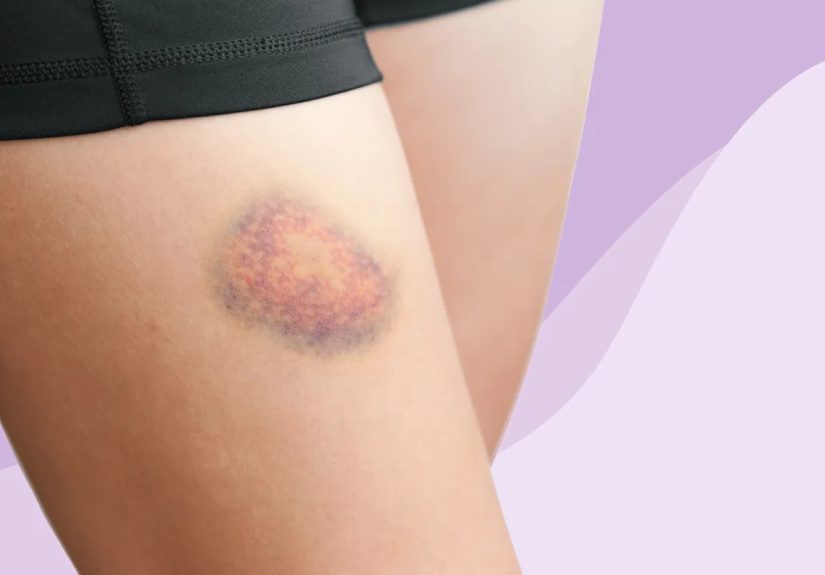
7. Easy Bruising and Fragile Skin
In people with more advanced liver disease, bruising may become easier and skin may feel more fragile. This happens because the liver helps produce proteins involved in blood clotting. When liver function worsens, the body may bruise more easily or bleed longer after minor trauma.
This is not a “classic rash,” but it is still an important skin-related clue. If someone with hepatitis C is suddenly bruising more than usual, especially along with swelling, jaundice, or confusion, it is time for medical evaluation.
8. Spider Angiomas and Other Liver-Related Skin Changes
Chronic liver disease can also lead to spider angiomas, which are tiny blood vessels that look like little red spiders on the skin, often on the face, neck, or chest. Palmar erythema, or redness of the palms, may also appear. These changes are not specific to hepatitis C alone, but they can show up when liver disease becomes chronic or advanced.
When Skin Problems May Be the First Clue
One of the trickiest things about hepatitis C is that many people do not feel sick for a long time. That means a skin issue may send them to a doctor before liver symptoms do. A dermatologist, primary care clinician, or gastroenterologist may connect the dots when a rash comes with abnormal liver enzymes, risk factors, or other systemic symptoms.
For example, someone may seek care for itchy purple bumps and learn they have lichen planus. Another person may develop blistering hands every summer and eventually get diagnosed with porphyria cutanea tarda. A third may think they just bruise easily until blood work shows chronic liver disease. Skin can be subtle, but it can also be the opening act.
Diagnosis: What Doctors Look For
Diagnosing hepatitis C skin conditions usually involves two tracks at once: confirming hepatitis C and identifying the exact skin disorder. Depending on the situation, a clinician may recommend hepatitis C antibody and RNA testing, liver function tests, cryoglobulin testing, kidney labs, iron studies, porphyrin testing, or a skin biopsy.
That matters because not every rash in a person with hepatitis C is caused by hepatitis C. Sometimes eczema is just eczema. Sometimes fungus is just fungus. And sometimes a rash that looks ordinary is actually a clue to a more serious immune or liver-related problem. The details matter.
Treatment Options
Treating the Hepatitis C Infection
Modern treatment has changed the outlook for hepatitis C in a big way. Direct-acting antiviral medications can cure the infection in most people, usually with an oral regimen taken for 8 to 12 weeks. That is a major upgrade from the old era of treatment, which was longer, rougher, and about as beloved as a flat tire in the rain.
Clearing hepatitis C can improve or stabilize some extrahepatic manifestations, including certain skin conditions. That said, some skin problems may need separate treatment too, especially if they are severe, chronic, or have already caused tissue damage.
Treating the Skin Condition Itself
Specific treatment depends on the diagnosis:
- Lichen planus may be treated with topical steroids, oral medications, or other anti-inflammatory therapies.
- Porphyria cutanea tarda may require sun protection, reduction of triggers, phlebotomy in some cases, and management of iron overload or other contributors.
- Cryoglobulinemic vasculitis may need antiviral therapy plus specialist care, and severe cases can require immunologic treatment.
- Itching may improve with skin care, moisturizers, antihistamines in select cases, or treatment targeted to liver-related pruritus.
- Necrolytic acral erythema may improve with hepatitis C treatment and sometimes nutritional support or topical therapy, depending on the case.
Because some hepatitis C skin conditions overlap with immune, kidney, or blood vessel problems, care may involve dermatology, hepatology, rheumatology, nephrology, or primary care. Sometimes it takes a team. Medicine loves a committee almost as much as skin conditions love being confusing.
When to Seek Medical Care Quickly
Some skin changes deserve prompt attention, especially when they come with other symptoms. Contact a healthcare professional quickly if you have jaundice, a new purple rash on the legs, skin ulcers, painful blistering after sun exposure, easy bruising, significant swelling, numbness, dark urine, pale stools, or worsening fatigue.
Urgent evaluation is especially important if the rash is painful, spreading, associated with fever, or paired with confusion, bleeding, or shortness of breath.
Everyday Skin Care Tips for People With Hepatitis C or Liver Disease
- Use fragrance-free moisturizer regularly, especially after bathing.
- Choose gentle cleansers instead of harsh soaps that dry the skin out.
- Protect sun-exposed skin with clothing and broad-spectrum sunscreen, especially if blistering is an issue.
- Keep nails short if itching is severe to reduce skin damage from scratching.
- Avoid picking or scrubbing lesions that are already inflamed.
- Talk with a clinician before using supplements or herbal products, because “natural” and “liver-friendly” are not automatically the same thing.
Experiences People Commonly Have With Hepatitis C Skin Conditions
For many people, the experience of hepatitis C skin conditions is less about one dramatic rash and more about confusion, delay, and frustration. The first symptom may seem small: itching that comes and goes, a patchy rash that flares for no obvious reason, or bruises that appear after the gentlest bump. A person might start by changing laundry detergent, buying a new moisturizer, or assuming stress is the culprit. That is a completely human response. Skin problems are common, and most people do not jump straight to “Maybe this is a chronic viral infection affecting my liver.”
Some people describe months or even years of chasing the wrong explanation. They may be treated for eczema, allergies, or fungal infections before the full picture becomes clear. Someone with lichen planus may focus on the itch and color of the bumps without realizing the immune system is waving a bigger flag. Someone with porphyria cutanea tarda may think they simply have “sun-sensitive skin,” even though the pattern of blistering on the hands is more specific than it first appears. A person with cryoglobulinemic purpura may initially think the spots are bruises from exercise, standing too long, or bad luck.
There is also an emotional side to these skin conditions that does not always get enough attention. Skin symptoms are visible. They can affect sleep, confidence, intimacy, work, and even how comfortable someone feels wearing short sleeves or shaking hands. Chronic itching, in particular, can be exhausting. It wears people down. When a symptom follows you into the shower, into bed, and into the middle of the night, it stops feeling “minor” very quickly.
Then comes the moment of diagnosis, which can be both frightening and clarifying. Many people feel alarmed when they learn that a skin problem is tied to hepatitis C, but also relieved that the mystery finally has a name. Instead of blaming themselves for not finding the right cream, they learn there was an internal reason all along. That shift matters. It turns the situation from random suffering into something that can actually be evaluated and treated.
Another common experience is that improvement is not always immediate. Even after hepatitis C treatment starts, skin symptoms may take time to settle down. Some conditions improve dramatically after the virus is cured, while others fade more slowly or need separate dermatology care. That can feel discouraging, but it does not mean treatment failed. It often means the skin, immune system, and liver are recovering on different timelines.
Perhaps the most important shared experience is this: people often wish they had connected the dots sooner. Not out of guilt, but because earlier recognition could have brought earlier care. That is why awareness matters. Sometimes the skin is not being dramatic for fun. Sometimes it is doing its job and trying to tell the truth.
Conclusion
Hepatitis C skin conditions are more than a cosmetic footnote. They can be early clues, markers of immune activity, or signs of advanced liver disease. Jaundice and itching may point to liver dysfunction, while lichen planus, porphyria cutanea tarda, cryoglobulinemic vasculitis, and necrolytic acral erythema represent some of the better-known dermatologic associations.
The good news is that hepatitis C is now curable in most cases, and proper diagnosis can make a major difference not only for liver health but also for skin symptoms and quality of life. If a rash, blistering pattern, or unexplained itching seems unusual or persistent, it is worth getting checked. Your skin may not have a medical degree, but it can still be surprisingly good at getting your attention.