Table of Contents >> Show >> Hide
- Fast Fixes That Make People Think You Have It All Together
- 1) Power wash the “mystery patina” off everything
- 2) Edge the lawn like you mean it
- 3) Fill bare spots and level uneven turf
- 4) Refresh mulch for that freshly-finished look
- 5) Weed like you’re getting paid for it
- 6) Clean the windows and screens
- 7) Declutter the porch and the yard
- 8) Replace dead plants with “can’t-fail” options
- 9) Add two matching planters by the front door
- 10) Upgrade your doormat and keep it clean
- Front Door Magic: The Entryway Is Your Home’s Handshake
- 11) Paint the front door a bold, intentional color
- 12) Upgrade the door hardware (and match the finish)
- 13) Replace or update your porch light
- 14) Use warm, welcoming bulbs (not interrogation lighting)
- 15) Add a simple wreath or door decorthen stop
- 16) Install or update house numbers so they’re readable
- 17) Repair steps, railings, and wobbly handholds
- 18) Frame the entry with a trellis, arbor, or “green moment”
- Landscaping Ideas That Look Designed (Not Randomly Planted)
- 19) Create clear planting beds with defined edges
- 20) Layer plants by height for instant depth
- 21) Rethink foundation plantings so the house looks grounded
- 22) Add an ornamental tree for structure and scale
- 23) Choose native or climate-adapted plants for low maintenance curb appeal
- 24) Plant in “clusters,” not lonely singles
- 25) Add seasonal color in containers (so you can change your mind)
- 26) Install window boxes for classic charm
- 27) Add groundcovers where grass struggles
- 28) Use lighting to highlight landscaping at night
- 29) Add a focal point that pulls the eye forward
- 30) Make slopes safer and prettier with steps or a retaining wall
- Hardscape and Structure Upgrades That Instantly Elevate the Whole Exterior
- 31) Update the walkway so it feels like a grand entrance, not a suggestion
- 32) Add path lighting for safety and style
- 33) Refresh the driveway with repairs and a clean border
- 34) Upgrade the mailbox and make it match your home’s vibe
- 35) Add a small seating moment (yes, in the front)
- 36) Refresh exterior paint and trim where it matters most
- 37) Coordinate exterior “accessories” like a stylist would
- Real-World “Experience Notes” to Make These Curb Appeal Ideas Actually Work (About )
- Wrap-Up
- SEO Tags
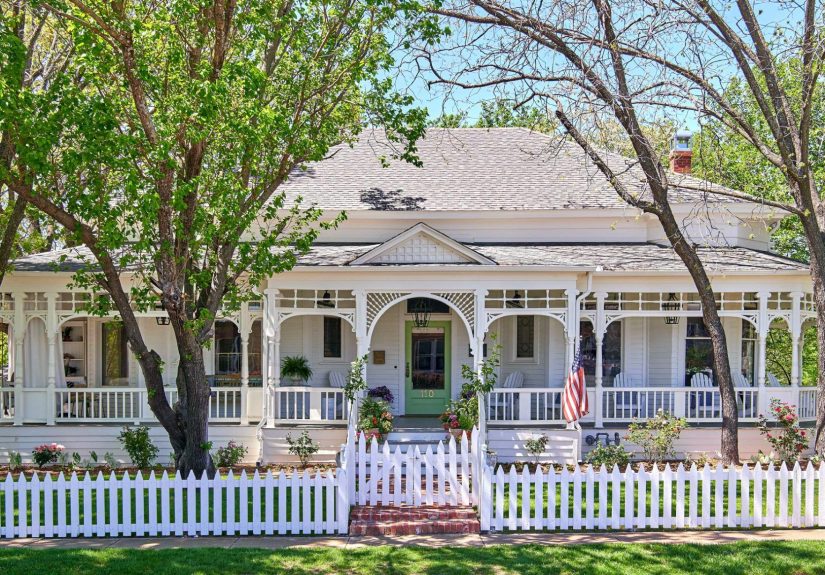
Your front yard is basically your home’s profile picture. Whether you’re selling soon, hosting often, or just tired of
waving at neighbors while silently apologizing for that sad shrub, curb appeal upgrades are the fastest way to make your
place look more cared-for, more stylish, and (let’s be honest) more expensive than it was five minutes ago.
The trick is knowing what actually moves the needle. A front yard that looks “designed” usually isn’t about one big
renovationit’s about stacking small wins: clean lines, consistent finishes, intentional lighting, and landscaping that
looks planned (not accidental). Use the ideas below like a menu: pick a few weekend-friendly upgrades, add one “wow”
project, and you’ll be that house people slow down to admire… for normal reasons.
Fast Fixes That Make People Think You Have It All Together
If you do nothing else, do these first. They’re the curb-appeal equivalent of ironing your shirt before a job interview:
not glamorous, but immediately impressive.
1) Power wash the “mystery patina” off everything
Driveways, walkways, steps, porch floors, siding, even fencespressure washing removes mildew and grime that dulls your
exterior. It’s one of the rare chores that looks like a whole renovation in “before/after” photos.
2) Edge the lawn like you mean it
Crisp edging along sidewalks, driveways, and garden beds gives the yard instant structure. It’s the landscaping version
of a fresh haircutsuddenly everything looks sharper, even if nothing else changed.
3) Fill bare spots and level uneven turf
Patch thin areas with seed (or sod for a faster glow-up) and smooth out lumpy spots. A healthy, even lawn reads as
“well-maintained,” which is curb-appeal code for “this house probably isn’t hiding chaos.”
4) Refresh mulch for that freshly-finished look
A new layer of mulch is a cheat code. It hides weeds, boosts contrast, and makes plants look intentional. Choose a color
that complements your exterior (dark mulch is dramatic; lighter mulch looks airy and coastal).
5) Weed like you’re getting paid for it
Weeds scream “nobody is in charge here.” Pull them, then add a simple pre-emergent strategy (mulch, dense plantings, or
edging barriers) so your yard doesn’t revert to chaos by Tuesday.
6) Clean the windows and screens
Sparkly windows brighten the whole facade. Wash glass inside and out, replace torn screens, and consider a quick scrub
of window tracksyes, those exist, and yes, they collect mysteries.
7) Declutter the porch and the yard
Hoses, toys, random pots, and “temporary” storage bins instantly reduce curb appeal. Give everything a home (preferably
not “front and center”) so your entry feels calm and welcoming.
8) Replace dead plants with “can’t-fail” options
If something is toast, remove it. Swap in hardy, climate-appropriate plantsthink tidy evergreens, ornamental grasses,
and reliable perennials that hold their shape without constant drama.
9) Add two matching planters by the front door
Symmetry makes an entry feel upscale. A pair of planters flanking the door (or steps) creates instant polish. Use
seasonal swaps: pansies in spring, bright annuals in summer, mums in fall, and small evergreens in winter.
10) Upgrade your doormat and keep it clean
A worn mat is like a limp handshake. Choose one sized appropriately for the door (bigger is usually better), and keep it
crisp. Bonus points if it coordinates with your outdoor rug or porch color palette.
Front Door Magic: The Entryway Is Your Home’s Handshake
People look at the front door the way they look at someone’s eyes in a conversation. Make yours confident, cohesive, and
easy to read.
11) Paint the front door a bold, intentional color
A freshly painted door is one of the highest-impact curb appeal ideas for the money. Choose a color that either
complements the home’s palette (classic, cohesive) or contrasts it (dramatic, modern). Keep it consistent with your
home’s stylecheerful can still be sophisticated.
12) Upgrade the door hardware (and match the finish)
A new handle set, deadbolt, or knocker can modernize the entry instantly. Pick one finishmatte black, brushed nickel,
aged brassand keep exterior hardware cohesive so it looks curated, not cobbled together.
13) Replace or update your porch light
Outdoor lighting is functional, but it also sets the mood. Swap outdated fixtures for something scaled to your doorway
and style. A good fixture makes your house feel like a destination, not a place you approach with caution.
14) Use warm, welcoming bulbs (not interrogation lighting)
Choose warm-white bulbs so the entry reads inviting instead of clinical. Good lighting highlights architecture, improves
safety, and keeps your house looking great after sunsetwhen half the neighborhood is walking the dog anyway.
15) Add a simple wreath or door decorthen stop
One thoughtful accent is charming; five accents is a craft store explosion. Pick one seasonal wreath or a clean,
evergreen option and let it be the hero.
16) Install or update house numbers so they’re readable
Crisp address numbers are a small detail that signals “updated.” Make them high-contrast against your exterior and
adequately sized for visibility from the street. Vertical placement can feel modern; a plaque can feel classic.
17) Repair steps, railings, and wobbly handholds
A shaky railing is the opposite of welcoming. Tighten, repair, paint, or replace tired railings and steps. This is one
of those curb appeal upgrades that also quietly says, “Yes, we maintain things.”
18) Frame the entry with a trellis, arbor, or “green moment”
A modest arbor, climbing vine, or small tree near the walkway can create a focal point and guide the eye toward the
front door. Think of it as giving your entrance a flattering camera angle.
Landscaping Ideas That Look Designed (Not Randomly Planted)
Great front yard landscaping isn’t about stuffing the yard with plants. It’s about structure, layers, and repetition:
a few shapes and colors repeated in a planned way.
19) Create clear planting beds with defined edges
A bed that melts into the lawn looks unfinished. Add edging (metal, stone, brick, or even a clean spade-cut edge) so the
line between lawn and garden reads intentional and crisp.
20) Layer plants by height for instant depth
The easiest formula: taller plants in back, medium shrubs in the middle, and lower perennials or groundcovers in front.
This creates a “designed” look and keeps plants from blocking windows or swallowing walkways.
21) Rethink foundation plantings so the house looks grounded
Foundation plants should support the house, not hide it. Use a mix of textures and sizes, keep plants off siding, and
maintain breathing room around windows and vents.
22) Add an ornamental tree for structure and scale
One well-placed small tree can elevate the whole yard. Choose a variety that fits your climate and mature size so it
doesn’t become an “oops” later. A tree also adds shade, seasonal interest, and a sense of permanence.
23) Choose native or climate-adapted plants for low maintenance curb appeal
Native plants often handle local weather with less fuss, meaning fewer replacements and less watering. The yard looks
better longerwhich is the real goal.
24) Plant in “clusters,” not lonely singles
Three of the same plant reads as intentional; one of something reads like it got lost. Repeat a few plant varieties
throughout the front yard for cohesion and rhythm.
25) Add seasonal color in containers (so you can change your mind)
Want color without committing to a permanent garden? Containers let you rotate blooms as seasons shift. It’s the
easiest way to keep your curb appeal fresh year-round without redesigning beds every three months.
26) Install window boxes for classic charm
Window boxes add dimension and soften hard lines. Keep plant choices simpleone trailing plant, one filler, one
uprightso they look lush, not chaotic.
27) Add groundcovers where grass struggles
Shady corners and narrow strips are where lawns go to suffer. Replace hard-to-maintain turf with groundcovers,
mulch-and-plant beds, or decorative stone with drought-tolerant plantings.
28) Use lighting to highlight landscaping at night
A few well-placed landscape lights can make shrubs, trees, and pathways look intentional after dark. Aim for subtle
accents, not a runway. The best lighting feels like it was always meant to be there.
29) Add a focal point that pulls the eye forward
A birdbath, sculptural planter, boulder, or small fountain can anchor the landscape. The key is scale: choose something
proportional to the home and repeat materials that already exist (stone, metal, wood tones).
30) Make slopes safer and prettier with steps or a retaining wall
A sloped front yard can still be gorgeous. Use simple steps, terracing, or a retaining wall to control erosion, improve
drainage, and create planting pockets that look purposeful instead of precarious.
Hardscape and Structure Upgrades That Instantly Elevate the Whole Exterior
These projects take more effort than new mulch, but they can transform the overall look of the homeespecially if your
entry feels disconnected from the street.
31) Update the walkway so it feels like a grand entrance, not a suggestion
Cracked concrete or a too-narrow path can drag down the whole front yard. Consider adding pavers, widening the path, or
creating a gentle curve that guides visitors to the door. A great walkway makes the house feel welcoming from the curb.
32) Add path lighting for safety and style
Lighting along steps and walkways reduces trip hazards and looks upscale. Space fixtures evenly, avoid glare, and
choose a style that matches your home’s eramodern, craftsman, traditional, or farmhouse.
33) Refresh the driveway with repairs and a clean border
Fix cracks, remove weeds at the edges, and define the driveway border with planting beds or tidy gravel strips. Even a
simple edge detail can make a driveway look intentional rather than “poured and forgotten.”
34) Upgrade the mailbox and make it match your home’s vibe
Your mailbox is a tiny landmark. A sturdy post, clean paint, and readable numbers go a long way. If your neighborhood
allows it, coordinate the mailbox finish with your door hardware for a cohesive look.
35) Add a small seating moment (yes, in the front)
A bench, pair of chairs, or even a simple landing area near the entry makes your home feel friendly and “lived in” in a
good way. It also turns curb appeal into actual usable spacenot just something you stare at while taking out the trash.
36) Refresh exterior paint and trim where it matters most
You don’t always need a full repaint. Touch up peeling trim, repaint the porch floor, and clean up scuffed areas near
doors and railings. Crisp trim lines can make an older exterior look dramatically newer.
37) Coordinate exterior “accessories” like a stylist would
Think of house numbers, mailbox, lighting, and locksets as accessories. When they match in finish and feel, your home
looks curated. When they don’t, it looks like you bought them during separate emotional events.
Real-World “Experience Notes” to Make These Curb Appeal Ideas Actually Work (About )
Here’s the part most lists skip: the lived-in reality of curb appeal projects. Not personal anecdotesmore like the
patterns homeowners tend to experience when they try to turn a front yard from “fine” to “front-yard goals.”
First, the fastest emotional win is almost always cleaning and simplifying. People often expect paint or plants to do
the heavy lifting, but the “before” usually has visual noise: a hose draped like modern art, mismatched pots, a tired
light fixture, and garden beds with no edges. Once those distractions are gone, even the existing landscape looks
better. It’s common to see homeowners get 60% of the “wow” from 20% of the workpressure washing, edging, and new mulch
are the classic trio.
Second, lighting is routinely underestimated until it’s fixed. A warm, well-placed porch light makes the entry feel
safe and welcoming. Meanwhile, harsh blue-white bulbs can make the front yard look like a parking lot at midnight.
People who swap fixtures often notice their home looks more expensive at night than during the daywhich is exactly
what you want when neighbors are out strolling and deliveries arrive after sunset.
Third, “cohesion” is the secret ingredient that makes improvements look intentional. A new door color can look amazing,
but if the house numbers are a different metal than the light fixture, and the mailbox is doing its own thing, the
effect gets diluted. Homeowners who pick one finish (like matte black or brushed nickel) and repeat it across small
elements usually get the most “designer” result for the least money.
Fourth, landscaping success often comes down to restraint. Many people start by buying one of everything, then wonder
why it looks busy. A better strategy is repeating a few plants in clusters, leaving room for growth, and using
structure plants (evergreens, ornamental grasses) to keep the yard looking good even when flowers aren’t blooming.
Containers are a practical compromise: you can get seasonal color without replanting the entire yard.
Finally, the “maintenance plan” matters more than the one-time project. The front yard is a stage, and nature is an
unpaid actor who improvises constantly. Setting a simple routinemonthly edging, seasonal mulch refresh, a quick sweep
of the porch, and a twice-yearly hardware/paint touch-upkeeps your curb appeal from fading. The goal isn’t perfection.
It’s making your home look consistently cared-for, the way a great outfit looks effortless… even if you tried on five
shirts first.