Table of Contents >> Show >> Hide
- Broad-Spectrum CBD 101 (Without the Chemistry Degree)
- What “Best” Means in This Guide
- Quick Comparison: The 2026 Picks
- 1) CBDfx Mixed Berry CBD Gummies (Best Broad-Spectrum Gummies)
- 2) Medterra Enhanced Relief Broad Spectrum CBD Oil (Best Broad-Spectrum Oil)
- 3) cbdMD Broad Spectrum Softgel Capsules (Best Broad-Spectrum Softgels)
- 4) Joy Organics Premium CBD Sports Cream (Best Broad-Spectrum Cream)
- 5) Sunmed Broad Spectrum Rise CBG Citrus Tincture (Best Broad-Spectrum “Beyond CBD” Tincture)
- How to Read a COA (So You Don’t Get Played by a Pretty Label)
- Safety Reality Check (Because CBD Isn’t a Gummy Vitamin)
- 2026 Legal & Market Notes You Actually Need
- FAQ
- Real-World Experiences in 2026: What People Run Into When Choosing Broad-Spectrum CBD (About )
- Conclusion
Broad-spectrum CBD is the “no-THC, still-has-a-personality” option in the CBD world. It’s made from hemp extract that keeps multiple cannabinoids and terpenes, but aims to remove THC. That’s the appeal: more plant compounds than a CBD isolate, without the “will this show up on a drug test?” anxiety that can come with full-spectrum products.
Of course, CBD shopping in 2026 still comes with plot twists. Label accuracy across the market is inconsistent, some products contain more or less CBD than advertised, and “THC-free” can mean “non-detect” rather than “impossible.” The good news: you can dramatically improve your odds by buying like a quality-control nerd (the fun kind)and by sticking to brands that publish third-party lab reports for every batch.
Important note: This article is written for adults. CBD products are not approved by the FDA for over-the-counter treatment of most conditions, and they may interact with medications. If you’re pregnant, nursing, managing a medical condition, or taking prescriptions, talk with a qualified clinician before considering CBD.
Broad-Spectrum CBD 101 (Without the Chemistry Degree)
Think of CBD formats as a playlist:
- CBD isolate = one song on repeat (CBD only).
- Full-spectrum = the whole album (includes hemp compounds plus legal-limit THC).
- Broad-spectrum = the album… with the one track you don’t want removed (THC is removed, while other compounds remain).
Broad-spectrum is often chosen by people who want a more “whole-plant” profile than isolate, but prefer to avoid THC. Just remember: “THC removed” does not automatically mean “THC impossible.” Cross-contamination and labeling issues are real, which is why lab testing matters more than marketing.
What “Best” Means in This Guide
We chose these picks using criteria commonly recommended by major health publishers and quality programs:
- Third-party testing: batch-specific Certificates of Analysis (COAs), ideally from ISO/IEC 17025-accredited labs.
- Clear broad-spectrum positioning: the product is marketed as broad-spectrum and designed to be THC-free or THC removed.
- Transparent ingredient lists: no mystery blends hiding behind “proprietary.”
- Practical formats: gummies, oils, softgels, topicalsbecause your life is busy and your cabinet space is finite.
- Brand track record: published testing, consistent labeling, and straightforward consumer policies.
Quick Comparison: The 2026 Picks
| Product | Format | Why It Made the List | Best For |
|---|---|---|---|
| CBDfx Mixed Berry CBD Gummies | Gummies | Broad-spectrum options, widely reviewed, easy routine fit | People who want a simple, consistent format |
| Medterra Enhanced Relief Broad Spectrum CBD Oil | Oil (tincture) | Label clarity on cannabinoids/terpenes; solid transparency | Ingredient readers who like flexible dosing formats (without “dose advice”) |
| cbdMD Broad Spectrum Softgel Capsules | Softgels | Convenient capsule format; broad-spectrum blend callouts | “No taste, no mess” people |
| Joy Organics Premium CBD Sports Cream | Topical cream | Targeted topical with menthol/camphor; well-known brand | Those who prefer non-ingestible options |
| Sunmed Broad Spectrum Rise CBG Citrus Tincture | Tincture (CBG-forward) | Broad-spectrum with additional cannabinoids; explicit testing claims | People exploring cannabinoids beyond CBD (still broad-spectrum) |
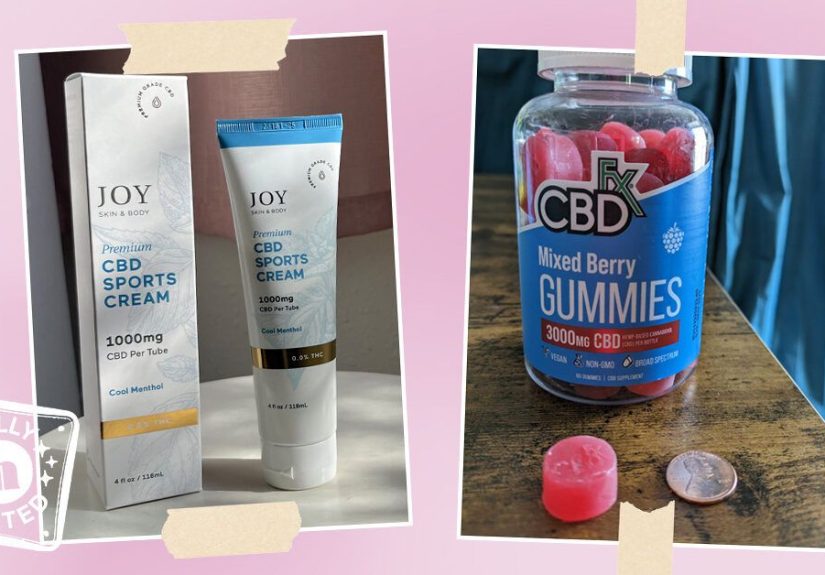
1) CBDfx Mixed Berry CBD Gummies (Best Broad-Spectrum Gummies)
If gummies are your preferred “I will actually remember this exists” format, CBDfx’s Mixed Berry gummies are a familiar name in broad-spectrum roundups. The big advantage is routine simplicity: pre-portioned pieces, consistent labeling, and no oily droppers living in your drawer like a forgotten science experiment.
What stands out
- Broad-spectrum positioning: marketed in broad-spectrum strengths and commonly included in major health publisher lists.
- Format practicality: travel-friendly, no measuring tools, no taste debates.
- Testing culture: look for batch-specific COAs that include cannabinoid profile plus contaminant screening (pesticides, heavy metals, residual solvents, microbes).
What to watch
Gummies are still ingestible products, and CBD can interact with medications. Also, “THC-free” claims should be verified via COA, not vibes. In a market where mislabeling happens, your best defense is reading the lab report like it’s a spoiler-free movie review: just enough detail to know you’re safe.
2) Medterra Enhanced Relief Broad Spectrum CBD Oil (Best Broad-Spectrum Oil)
Medterra’s Enhanced Relief Broad Spectrum CBD Oil earns points for clarity: the brand spells out the broad-spectrum blend (including minor cannabinoids) and pairs it with a straightforward ingredient list. This is the kind of product that appeals to people who want the “broad-spectrum” idea to be more than a labelsomething you can actually verify.
What stands out
- Broader cannabinoid profile: marketed as broad-spectrum with named minor cannabinoids and natural terpenes.
- Simple carrier: typically an MCT oil base, which is common for tinctures.
- Transparency: easy to cross-check product claims with a COA.
What to watch
The FDA has warned that CBD can cause side effects and may impact liver function in some circumstances, especially at higher exposures or with certain medications. If you’re taking prescriptions, bring the product’s COA and ingredient list into that conversation with your clinicianyes, like you’re showing receipts, because you are.
3) cbdMD Broad Spectrum Softgel Capsules (Best Broad-Spectrum Softgels)
Softgels are for people who want their wellness routine to feel like brushing teeth: boring, consistent, and blissfully uneventful. cbdMD’s broad-spectrum softgels are commonly featured in “best of” lists because they’re convenient and intentionally formulated around a broad-spectrum profile (rather than isolate-only simplicity).
What stands out
- Convenience: no flavor, no droppers, no sticky surprises.
- Broad-spectrum blend: often described as including additional cannabinoids beyond CBD.
- Testing emphasis: look for downloadable lab results and batch identifiers that match what’s in your container.
What to watch
Some capsules and softgels include extra ingredients (like added vitamins or botanicals). That’s not automatically badit just means your allergy-checking and medication-interaction radar should be on. Also, product warnings and age restrictions vary; always read the label.
4) Joy Organics Premium CBD Sports Cream (Best Broad-Spectrum Cream)
Not everyone wants an ingestible product. Joy Organics’ Premium CBD Sports Cream is a broad-spectrum topical designed for targeted application and typically includes familiar “sports cream” helpers like menthol and camphor. In plain English: it aims to feel like a gym bag staple, not a mysterious potion.
What stands out
- Topical format: a popular alternative for people who prefer not to ingest CBD.
- Ingredient synergy: menthol/camphor create sensory effects many people recognize from traditional muscle rubs.
- Brand clarity: Joy Organics is known for clearly labeling broad-spectrum vs full-spectrum offerings.
What to watch
Topicals can still trigger sensitivities. Patch testing is smart, especially with menthol-heavy formulas. Also, topical CBD research is still developing, and products shouldn’t be treated as medical treatment without professional guidance.
5) Sunmed Broad Spectrum Rise CBG Citrus Tincture (Best Broad-Spectrum “Beyond CBD” Tincture)
If 2026 has a theme in hemp wellness, it’s curiosity about cannabinoids beyond CBDlike CBGwithout jumping into high-THC territory. Sunmed’s Rise CBG Citrus tincture is positioned as broad-spectrum and emphasizes third-party testing, which is exactly what you want when a product highlights a specific cannabinoid profile.
What stands out
- CBG-forward positioning: designed for people exploring a broader cannabinoid lineup.
- Quality language: explicitly markets third-party testing and contaminant screening.
- Broad-spectrum approach: keeps the “no THC” goal while offering more plant-compound complexity than isolate.
What to watch
When products start talking about “daytime” or “nighttime” effects, remember: marketing often outruns evidence. Look to COAs, ingredient lists, and reputable health guidanceand treat big promises like you’d treat a “two-minute ab” video: entertaining, but not automatically true.
How to Read a COA (So You Don’t Get Played by a Pretty Label)
A Certificate of Analysis is your batch’s lab report. At minimum, it should include:
- Batch/lot number that matches your product.
- Cannabinoid profile (CBD amount and confirmation of THC status).
- Contaminant screening (heavy metals, pesticides, residual solvents, microbes; sometimes mycotoxins).
- Lab accreditation (ISO/IEC 17025 is the gold-standard signal that the lab operates under recognized competence requirements).
If a brand publishes COAs but they’re outdated, missing contaminant panels, or don’t match your batch number, treat it like a restaurant with an “A” grade… from 2014. Technically a sign, but not the sign you need.
Safety Reality Check (Because CBD Isn’t a Gummy Vitamin)
CBD is widely used, but “widely used” is not the same as “risk-free.” Major health authorities note several concerns:
- Medication interactions: CBD can affect how the body processes certain drugs.
- Liver considerations: some research has observed liver enzyme elevations in certain contexts.
- Quality variability: studies have found inaccurate labeling and occasional contaminant findings across the broader marketplace.
- Drug testing risk: positive THC tests are typically linked to THC exposure from mislabeled products or contamination, not CBD itself.
The most evidence-backed, FDA-reviewed use of purified CBD is in a prescription medication (Epidiolex) for specific seizure disordersvery different from over-the-counter wellness products. That contrast is exactly why vetting and medical guidance matter.
2026 Legal & Market Notes You Actually Need
Hemp-derived products in the U.S. have been in regulatory flux, and 2026 is no exception. A federal change to the definition of hemp-derived cannabinoid products is scheduled to take effect on November 12, 2026, including a strict limit of 0.4 mg total THC per container for final hemp-derived cannabinoid products.
Practically, this pushes brands toward tighter THC control, clearer COAs, and more conservative formulations. Broad-spectrum productsespecially those designed to remove THCmay be better positioned in this environment, but only if their testing confirms compliance.
FAQ
Is broad-spectrum CBD the same as THC-free?
It’s often marketed that way, but the honest answer is: broad-spectrum is designed to remove THC, and many products test “non-detect.” Still, trace THC can happen due to contamination or labeling issuesso confirm with a COA.
Will broad-spectrum CBD make you fail a drug test?
CBD itself isn’t what drug tests look for. The risk comes from THC exposure due to contamination, mislabeling, or trace amounts. If drug testing is a concern, prioritize products with robust COAs and consider discussing options with a clinician.
What’s the single smartest quality move?
Pick brands that provide batch-specific third-party COAs with contaminant panels, and verify the lab’s accreditation. Marketing is optional; lab reports are not.
Real-World Experiences in 2026: What People Run Into When Choosing Broad-Spectrum CBD (About )
The most common “experience” people report isn’t some dramatic movie moment where a beam of light shines down and angels harmonize. It’s much more relatable: they buy a product, it arrives, and then they realize they have absolutely no idea what they’re holding. That’s when broad-spectrum CBD shopping becomes less “wellness journey” and more “adult scavenger hunt.”
One frequent scenario: a busy professional picks broad-spectrum specifically to avoid THC, then remembers their workplace has drug testing. Suddenly, the product’s COA becomes the most important PDF they’ve opened all year. People learn quickly that “THC-free” on the front label is not the same thing as “non-detect THC on the lab report.” The best brands make that verification easy. The frustrating ones make you click through multiple menus like you’re trying to cancel a subscription you never wanted.
Another pattern shows up with gummies. People love the convenienceno droppers, no measuring, no “did I just spill thirty dollars on my sock?” moments. But gummies can also trick shoppers into thinking they’re basically candy with good intentions. In reality, they’re ingestible hemp extracts with ingredient lists that deserve the same attention you’d give an energy drink before a long drive. Folks who do well in this category tend to pick one product, stick with it, and only reorder after verifying the COA for the new batch. It’s not glamorous, but it’s consistentand consistency is the unsung hero of any routine.
Softgels attract a different personality type: the “I don’t want flavors, textures, or decisions” crowd. They’re often the same people who would happily wear the same black hoodie forever if society allowed it. The experience here is usually positive because the format removes variables. But it also pushes shoppers to pay closer attention to the “extras” in the formulaadded botanicals, vitamins, or carrier oils that might matter for allergies or sensitivities. People who skim labels sometimes learn this the hard way when a “simple capsule” turns out to be “simple plus ten supporting characters.”
Topicals are where expectations can get wildly imaginative. Many shoppers prefer creams because they feel more targeted and less like a supplement. The most grounded experiences come from people who treat topicals as comfort products rather than miracle fixessomething that feels good to apply, has a familiar cooling sensation (thanks, menthol), and fits into recovery rituals after workouts or long days. The most disappointed shoppers are often the ones who expected instant, dramatic results because the marketing sounded like a superhero origin story.
Finally, 2026 brings a growing awareness of regulation changes. Some shoppers are noticing brands emphasizing stricter THC controls and more detailed testing language. The smartest buyers respond by becoming politely skeptical: they appreciate better compliance, but they still want proof. They check dates, batch numbers, cannabinoid panels, and contaminant screens. And in a marketplace where label accuracy can be inconsistent, that “show me the lab report” attitude is less cynicism and more basic self-respect.
Conclusion
The “best” broad-spectrum CBD products for 2026 share the same DNA: transparent labeling, third-party testing you can actually verify, and formulations that respect modern regulatory realities. Whether you choose gummies, oils, softgels, a topical cream, or a CBG-forward tincture, make your decision like a grown-up detective: follow the evidence (COAs), not the hype.