Table of Contents >> Show >> Hide
- What Is a Ceramic Cutting Board?
- Ceramic Cutting Board Pros
- Ceramic Cutting Board Cons
- Is a Ceramic Cutting Board Safe for Food Prep?
- Ceramic vs. Wood vs. Plastic vs. Glass
- Who Should Buy a Ceramic Cutting Board?
- How to Choose the Best Ceramic Cutting Board
- How to Use a Ceramic Cutting Board Without Wrecking Your Knives
- How to Clean and Sanitize a Ceramic Cutting Board
- Common Myths About Ceramic Cutting Boards
- FAQ
- Real-World Experiences With a Ceramic Cutting Board (About )
- Conclusion
A ceramic cutting board is the kitchen equivalent of wearing a white shirt to eat spaghetti: sleek, confident,
and slightly risky. Ceramic boards look gorgeous, wipe clean like a dream, and can make your countertop feel like
a chef’s set on TV. But they also have a “tiny villain energy” because they’re hard enough to be rough on knife
edges, and one drop can turn your chic board into modern art (the kind you step on).
If you’ve been tempted by a shiny ceramic cutting boardmaybe you saw one styled with limes and a margarita salt
rim, and suddenly you were the kind of person who “plates”this guide is for you. We’ll break down what ceramic
cutting boards are, what they’re great at, what they’re terrible at, how to shop for one, and how to use it
without sacrificing your knives (or your toes).
What Is a Ceramic Cutting Board?
Ceramic cutting boards are typically made from glazed ceramic (sometimes porcelain) and sold as flat, rigid boards.
Many have a nonslip backingrubber feet, silicone corners, or a cork layerto keep them from skating across the counter.
Some “ceramic boards” on the market are actually composite boards with a ceramic-like coating; these can behave differently,
so it’s worth reading the material description before buying.
Why Ceramic Is So Popular Right Now
Ceramic has a few built-in traits people love: it’s non-porous, doesn’t absorb odors easily, and cleans up fast. In a world
where everyone is trying to reduce kitchen weirdness (mystery smells, stains, and cross-contamination stress), ceramic feels
like a neat, modern solutionespecially for anyone who’s over plastic boards that look like they survived a sword fight.
Ceramic Cutting Board Pros
1) Non-porous and easy to sanitize
Because ceramic is a non-porous surface, it generally doesn’t soak up juices the way some porous materials can. That makes it
easy to wash thoroughly with hot, soapy water and then sanitize if neededan approach consistent with food-safety guidance that
emphasizes washing, rinsing, and sanitizing boards properly.
2) Doesn’t hold onto odors the way some boards can
Ever sliced onions, washed the board, and then somehow your strawberries taste like they’ve been gossiping with the onions?
Ceramic’s smooth, sealed surface tends to resist odor cling better than heavily scarred plastic or certain porous materials,
especially if you keep it clean and dry between uses.
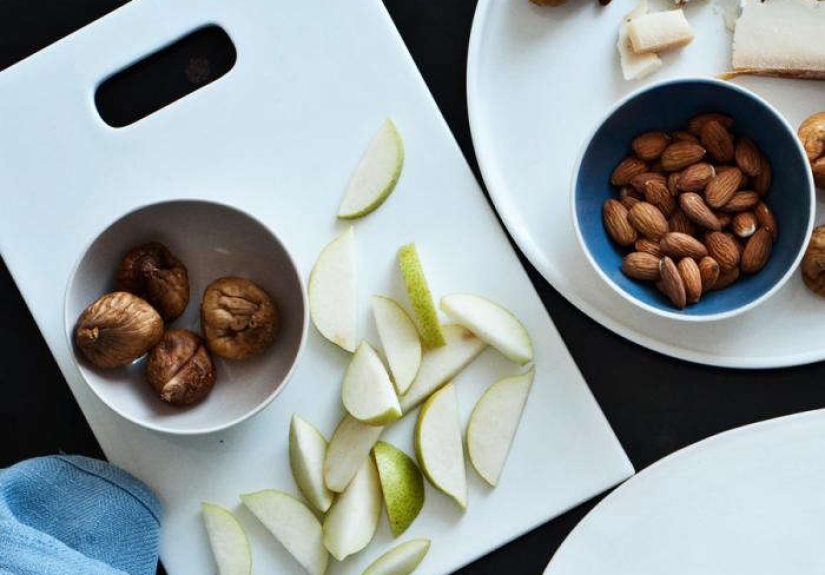
3) Looks great as a serving board
Ceramic boards are often more “table-ready” than standard prep boards. They can double as a cheese board, dessert board,
or a pretty base for sliced fruit. If you entertainor just like the illusion that you entertainceramic can be a style win.
4) Stain resistance (within reason)
A glazed ceramic surface tends to resist staining from common culprits like berries, turmeric, and tomatothough not all glazes
are created equal. Lighter glazes may show marks sooner, and rough or matte finishes can grab color more than glossy finishes.
Ceramic Cutting Board Cons
1) It can dull knives faster than knife-friendly boards
Ceramic is a hard surface. Hard boards can be tougher on knife edges compared with boards that have a bit more “give,” like many
wood boards or certain plastics and composites. Knife-care guidance commonly warns against hard cutting surfaces for this reason.
2) It can chip, crack, or break if dropped
Ceramic doesn’t bend; it breaks. If you’re the type of cook who has ever launched a baking sheet into the sink like it owes you
money, ceramic might not be the board you want near the edge of the counter.
3) It can be slippery (food and board alike)
The same smoothness that makes ceramic easy to clean can also make it slick. Some ceramic boards come with nonslip feet or cork
backing, but you may still want to place a damp kitchen towel underneath for extra stabilityespecially for fast chopping.
4) The “clang factor” is real
If you love the soothing sound of a knife gliding through herbs, ceramic may disappoint. It’s louder than wood or softer plastics.
Not a dealbreaker for everyone, but if you’re a “quiet kitchen” person, consider this your heads-up.
Is a Ceramic Cutting Board Safe for Food Prep?
From a food-safety perspective, the biggest risks aren’t about the board’s vibe; they’re about cross-contamination and cleanliness.
Any cutting board should be treated as a potential contamination source unless it’s properly washed, rinsed, and sanitizedespecially
after raw meat, poultry, or seafood.
Ceramic’s non-porous nature can make cleaning straightforward, but you still need good habits: separate boards for raw proteins and
ready-to-eat foods, prompt washing after use, and replacing anything that becomes damaged or hard to clean.
What about scratches?
Deep grooves and scars on a board can create spots that are harder to clean thoroughlythis is often raised as a concern with plastic
boards over time. Ceramic boards typically don’t develop the same type of deep knife grooves as softer
plastics, but they can chip. Chips and cracks are a “replace it” signal because they’re harder to sanitize consistently.
Ceramic vs. Wood vs. Plastic vs. Glass
Ceramic vs. wood cutting boards
- Cleaning: Ceramic is easy to wipe clean; wood requires good washing and thorough drying.
- Knife-friendliness: Many wood boards are gentler on knives than very hard surfaces.
- Durability: Wood can last for years with care; ceramic can last too, but dropping it is the chaos variable.
Ceramic vs. plastic cutting boards
- Sanitizing: Many plastic boards are easy to sanitize, but should be replaced when heavily grooved.
- Wear: Plastic can scar and trap residue; ceramic can chip or crack instead.
- Microplastics concern: Some reporting highlights research suggesting plastic boards may shed microplastics as they wear, which has driven interest in alternatives.
Ceramic vs. glass cutting boards
- Knife wear: Both are hard; both can be rough on knives compared with more forgiving surfaces.
- Use case: Many cooks prefer glass or ceramic more for serving or as a work surface cover than for heavy chopping.
Who Should Buy a Ceramic Cutting Board?
Ceramic cutting boards make sense if your priority list looks like this:
- You want a non-porous surface that cleans up fast after fruit, cheese, bread, or garnishes.
- You love multipurpose kitchen pieces that can jump from prep to serving without looking “utility drawer.”
- You do light to moderate cutting (slicing, portioning, trimming) rather than daily heavy chopping marathons.
- You don’t mind sharpening knives a little more oftenor you use inexpensive knives for most tasks.
Ceramic is probably not your best primary board if you:
- Do a lot of high-volume chopping (meal prep heroes, I see you).
- Have high-end knives you want to baby (or you hate sharpening).
- Are prone to dropping kitchen gear (no judgment; gravity is undefeated).
- Need a large, grippy board for fast knife work.
How to Choose the Best Ceramic Cutting Board
1) Pick the right size for real-life cooking
Tiny boards are adorable until you’re mincing herbs and half of them parachute onto the counter. For an everyday board, look for
enough space to keep food on the surfaceoften around 12×16 inches or larger if your kitchen allows. If the board is mainly for
serving, you can size down.
2) Look for stability features
Prioritize nonslip feet, silicone corners, or a cork backing. Stability isn’t just convenience; it’s safety. A board that slides
turns chopping into a sport nobody asked for.
3) Choose a surface finish that matches your use
- Glossy glazed: Usually easiest to clean; may be slicker under wet foods.
- Matte/texture: Can offer grip but may stain more easily and can be harder to scrub clean.
4) Check weight and thickness
Thicker ceramic boards often feel sturdier, but weight matters if you’re constantly moving it from counter to sink. If you want ceramic
mostly for serving, a slightly lighter board may be more practical.
5) Confirm care instructions
Some ceramic boards can handle dishwashers, but always follow the manufacturer’s instructions. Even if the ceramic itself can tolerate
heat and water, the backing or nonslip components may have limits. (And as a general kitchen habit, hand washing is often gentler on
equipment over time.)
How to Use a Ceramic Cutting Board Without Wrecking Your Knives
Use ceramic for the “easy” jobs
Ceramic shines for low-resistance tasks: slicing fruit, portioning sandwiches, cutting brownies, prepping herbs for garnish, or making a
quick charcuterie layout. Think of it as your “clean and pretty” board.
Keep a second board for heavy chopping
If you cook often, pairing a ceramic board with a knife-friendly board (like a solid hardwood or a quality plastic/composite board) is a
smart strategy. Many test kitchens and knife-care experts favor boards with some give for daily knife work.
Dial down the force
On ceramic, you don’t need to “power slam” the knife. Use smooth slicing motions rather than hard, vertical chopping. Your knife edge will
thank you, and your household will appreciate the reduced percussion concert.
Stabilize the board
Even with nonslip feet, place a damp paper towel or thin kitchen towel underneath if you notice movement. Stability is a safety upgrade
you can do in five seconds.
How to Clean and Sanitize a Ceramic Cutting Board
Everyday cleaning
- Wash promptly with hot, soapy water.
- Rinse thoroughly.
- Dry completely (air-dry upright if possible).
Sanitizing after raw meat, poultry, or seafood
Food safety guidance commonly recommends sanitizing after high-risk foods. A simple approach is to use a sanitizer appropriate for food-contact
surfaces, following label directions, then rinse if required and dry. Also consider using separate boards: one dedicated to raw proteins and one
for produce/ready-to-eat foods.
Dealing with stains or marks
For discoloration, a paste of baking soda and water can help lift stains on many glazed surfaces. For sticky residue, let warm soapy water sit
for a few minutes before scrubbing with a non-abrasive sponge. Avoid harsh scouring pads if the glaze scratches easily.
When to replace a ceramic cutting board
- If it develops chips, cracks, or deep damage.
- If the nonslip backing peels or traps moisture and odors.
- If it becomes unstable or difficult to clean thoroughly.
Common Myths About Ceramic Cutting Boards
Myth: “Ceramic boards are automatically better than wood or plastic.”
“Better” depends on what you value. Ceramic can be convenient and hygienic-feeling, but it’s typically not the most knife-friendly option
for heavy daily use. Many experts and test kitchens still recommend wood or high-quality plastic/composite boards for most chopping because they
balance safety, performance, and knife care.
Myth: “Non-porous means you don’t have to worry about cross-contamination.”
You still need to wash and sanitize correctly, and it’s still smart to separate raw proteins from ready-to-eat foods. Non-porous helps with
cleaning, but it doesn’t cancel food-safety basics.
Myth: “A ceramic board won’t ever stain.”
Many glazed boards resist stains well, but certain pigments can leave marksespecially on lighter or textured surfaces. The good news is that
stains are often cosmetic and can be reduced with gentle cleaning methods.
FAQ
Are ceramic cutting boards dishwasher safe?
Some are, some aren’t. The ceramic surface might tolerate dishwashing, but the backing (cork/silicone) may not. Always follow the maker’s care
instructions. When in doubt, hand wash to extend the life of the board.
Do ceramic cutting boards dull knives?
They can. Ceramic is a hard material, and hard surfaces are commonly discouraged for routine knife work because they can wear down edges faster
than boards with more give.
Is ceramic better than plastic for health?
Ceramic doesn’t shed plastic, which is one reason some people prefer it. Some reporting highlights research that plastic cutting boards may shed
microplastics as they wear, and many experts recommend replacing plastic boards once they’re heavily scarred.
Can I cut raw chicken on a ceramic board?
Yesif you wash and sanitize properly afterward, and preferably keep a dedicated “raw protein” board to reduce cross-contamination risk.
Real-World Experiences With a Ceramic Cutting Board (About )
The first experience most people have with a ceramic cutting board is the “wow, this looks expensive” momentfollowed immediately by
“why does my knife sound like it’s arguing with the board?” Ceramic has a distinct clink that makes you feel like you’re prepping ingredients
in a fancy showroom kitchen. If you’re used to wood, the difference is noticeable on day one.
The second experience is usually a cleanup victory. Slice a lemon, chop a handful of strawberries, smear a little goat cheese, and the board
wipes clean fast. For busy weeknights, that’s a real quality-of-life upgrade. You’re less likely to put off washing it because it doesn’t feel
like a “project.” A quick scrub, a rinse, done. That ease encourages better food-safety habits, toobecause the easiest board to clean is the one
you actually clean immediately.
Then comes the “what is happening to my knife?” phase. If you use the ceramic board as your only board, you may notice your knife doesn’t feel
as zingy after a whileespecially if you’re doing lots of garlic-mincing and onion-chopping. The board isn’t evil; it’s just hard. The practical
workaround many home cooks land on is a two-board routine: ceramic for clean, quick slicing and serving; wood or quality plastic for heavy prep.
It’s like having “dress shoes” and “walking shoes.” Both are useful, just not for the same day.
Another real-life surprise is stability. Some ceramic boards are rock solid, especially if they have a cork backing. Others, particularly lighter
ones with minimal feet, may slide when the counter is wet or when you’re cutting something slick like cucumbers. The low-tech fixplacing a damp
towel underneathfeels almost too simple, but it works. After that, the board suddenly behaves like it has manners.
Ceramic boards also become accidental “presentation practice.” Even if you didn’t buy it for serving, you’ll catch yourself leaving sliced fruit
on it because it looks good. You might start arranging apple slices instead of dumping them into a bowl. Congratulations, you now care about
aesthetics. Ceramic does that to people.
The final experience is respect. Ceramic boards teach gentle handling. You don’t toss them into the sink with a dramatic splash; you set them down.
You don’t store them where they can topple; you give them a stable spot. In return, they stay pretty, stay easy to clean, and make your kitchen feel
just a little more put-togethereven if dinner is still “whatever is in the fridge plus hot sauce.”
Conclusion
A ceramic cutting board is best viewed as a specialty player, not your whole team. It’s a sleek, non-porous, easy-to-clean surface that’s fantastic
for light prep and serving. But because it’s hard, it can be tough on knivesand because it’s ceramic, it demands a bit more careful handling.
Pair it with a knife-friendly everyday board, use each one for what it does best, and you’ll get the benefits without the drawbacks.