Table of Contents >> Show >> Hide
- Why Your Eyes Are Burning in the First Place
- Safety First: When a Home Remedy Is Not Enough
- Baby Shampoo for Burning Eyes? The Right (and Safer) Way to Use It
- Warm (or Cool) Compresses: Instant Comfort for Burning Eyes
- Humidifiers: Turning Your House from Desert to “Eye-Friendly”
- Other Gentle Home Remedies for Burning Eyes
- Step-by-Step Daily Routine for Burning Eyes Relief
- When to See a Doctor About Burning Eyes
- Real-Life Experiences: What Burning Eyes Taught Me (and Others)
- Conclusion: Build Your Own Burning Eyes Relief Toolkit
If your eyes feel like they’ve been marinating in chili oil, you’re not alone. Burning eyes are a common complaint in a world filled with screens, air-conditioning, heaters, dust, and allergies. The good news: there are simple home remedies that can help calm that uncomfortable burn including diluted baby shampoo lid scrubs, warm (or cool) compresses, and using a humidifier to rescue your air from desert-level dryness.
Before we dive in, one important disclaimer: home remedies are for mild, short-term discomfort only. If your burning eyes are severe, come with vision changes, discharge, or pain, or just don’t get better, you need to see an eye care professional promptly. Think of these tips as supportive care, not a replacement for a doctor.
Why Your Eyes Are Burning in the First Place
“Burning eyes” is more of a symptom than a diagnosis. Several common issues can cause that gritty, stinging, or burning sensation:
- Dry eye disease: Your eyes don’t make enough tears, or the tears evaporate too quickly. This can come from age, hormones, medications, autoimmune conditions, or just staring at screens all day without blinking enough.
- Blepharitis: Chronic inflammation of the eyelids, often due to clogged oil glands at the base of the eyelashes. It’s a frequent culprit in burning, itchy, crusty eyes.
- Allergic conjunctivitis: Your eyes react to allergens like pollen, dust mites, or pet dander. Burning often comes with itching, watering, and redness.
- Environmental irritation: Smoke, wind, air-conditioning, heating vents, and dry indoor air can all strip moisture from your eyes and make them sting.
- Contact lens wear: Over-wearing lenses, sleeping in them, or poor cleaning can irritate the eye surface.
Because so many different problems can show up as “burning eyes,” it’s a good idea to think about your symptoms and triggers. Does it get worse in air-conditioned rooms? After a long day at the computer? During allergy season? These clues help you decide what kind of home remedy makes the most sense and when it’s time to call your eye doctor.
Safety First: When a Home Remedy Is Not Enough
Before we get to the baby shampoo and compresses, let’s be very clear about the red flags. Skip the home-care-only approach and seek urgent medical care if:
- You have sudden vision changes (blurred vision, halos, or loss of vision).
- One eye is much more painful or red than the other.
- You have thick discharge, crusting that keeps reforming, or your eyelids are swollen and hot.
- You recently had eye surgery or an eye injury.
- You wear contact lenses and your eye suddenly becomes very painful or light-sensitive.
- Burning is severe, doesn’t improve with over-the-counter lubricating drops, or keeps returning.
For anything moderate to severe, or if you’re just not sure what’s going on, check with an ophthalmologist or optometrist. It’s your vision better safe than sorry.
Baby Shampoo for Burning Eyes? The Right (and Safer) Way to Use It
One of the most famous home remedies for burning eyes from blepharitis or clogged eyelid oil glands is the diluted baby shampoo lid scrub. You’ll still see this recommended by several eye-care organizations and clinics, especially for cleaning crusts and oil buildup along the lash line.
Why baby shampoo is used
Baby shampoo is designed to be mild and “no-tears,” so in theory it’s gentler on the skin around the eyes than regular shampoo. A very diluted solution can help:
- Loosen and remove crusts and debris at the base of the lashes.
- Keep bacteria and oil buildup under control.
- Support other treatments for blepharitis and dry eye related to blocked oil glands.
Important: updated thinking on baby shampoo
Here’s where it gets interesting: newer research and expert opinions suggest that baby shampoo is not perfect for everyone. Some eye specialists point out that surfactants and fragrances in baby shampoo may irritate the eye surface or disrupt the tear film in some people, especially with long-term use.
In practice, many doctors now prefer purpose-made eyelid cleansers or wipes. However, some still feel that very diluted baby shampoo is an acceptable option for short-term lid hygiene if you tolerate it well and use it correctly. The key is: keep it on the lids, not in the eye, and stop if it stings or makes your eyes worse.
How to do a diluted baby shampoo eyelid scrub
If your eye doctor has given you the green light, here’s a typical way to do it:
- Wash your hands thoroughly with soap and water.
- Mix a few drops of baby shampoo in a small cup of warm water. You’re aiming for a very mild, soapy solution, not bubble bath foam.
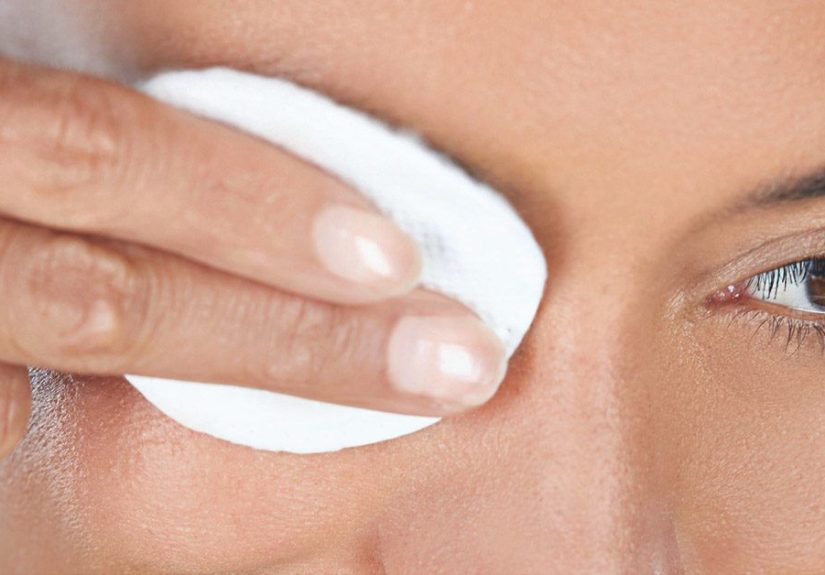
- Dip a clean cotton swab, gauze pad, or soft washcloth into the solution. Gently squeeze out excess liquid so it’s damp, not dripping.
- With your eyes closed, gently scrub along the lash line, focusing on where the lashes come out of the skin. Avoid rubbing directly on the eyeball.
- Use separate swabs or cloth sections for each eye to prevent cross-contamination.
- Rinse your eyelids with clean, warm water and gently pat dry with a clean towel.
If you notice more burning, redness, or irritation after using baby shampoo, stop and switch to a commercial eyelid cleanser or ask your eye doctor what they recommend instead.
Warm (or Cool) Compresses: Instant Comfort for Burning Eyes
Compresses are one of the simplest, most soothing home remedies for burning eyes and they’re backed by a lot of dry eye and blepharitis guidance from major medical centers.
Warm compresses for dry eye and clogged glands
Warm compresses are especially helpful when burning is related to dry eye, blepharitis, or meibomian gland dysfunction (when the tiny oil glands in your eyelids get clogged). The warmth helps:
- Loosen thick oils in the eyelid glands.
- Improve the quality of your tear film so tears don’t evaporate as quickly.
- Soften and remove crusts and flakes along the lashes.
- Calm overall inflammation and irritation.
How to make a simple warm compress
- Take a clean washcloth and soak it in warm (not hot) water. Aim for comfortably warm, like bathwater.
- Wring it out so it’s damp, not dripping.
- Close your eyes and lay back or tilt your head. Place the warm cloth over your closed eyelids.
- Relax for about 5–10 minutes. Re-wet the cloth with warm water as it cools.
- Afterward, you can gently massage the lids from top to bottom (upper lid) and bottom to top (lower lid) to encourage oil to flow out of the glands.
Do this once or twice a day if your doctor agrees, especially during flare-ups. Some people like reusable heated eye masks (often filled with beads or gel) that stay warm longer and are less messy than a washcloth.
Cool compresses for allergies and redness
If your burning eyes come from allergies, a day in the sun, or general redness, a cool compress may feel better than a warm one. Simply:
- Soak a clean cloth in cool water (not ice-cold), wring it out, and place it over closed eyes.
- Relax for 5–10 minutes to soothe surface irritation and reduce swelling.
Cool compresses pair nicely with artificial tears and allergy strategies, like avoiding triggers and using appropriate medications recommended by your doctor.
Humidifiers: Turning Your House from Desert to “Eye-Friendly”
If your indoor air is bone-dry, your tears evaporate faster, leaving you with burning, gritty eyes. This gets worse in winter with heaters blasting, or in hot climates with constant air-conditioning.
A humidifier can be a game-changer for burning eyes related to dry air. By adding moisture to the air, it helps:
- Reduce tear evaporation.
- Keep your eye surface more hydrated.
- Improve comfort if you spend hours at a desk or in a climate-controlled room.
How to use a humidifier for burning eyes
- Place the humidifier in the room where you spend the most time (bedroom, office, or living room).
- Aim for a relative humidity of around 40–50%. Too much humidity can encourage mold or dust mites, which may worsen allergies.
- Clean the humidifier regularly according to the manufacturer’s instructions to prevent bacteria or mold growth.
- Avoid pointing fans or vents directly at your face, even with a humidifier running.
Combine a humidifier with frequent blinking breaks, good hydration, and lubricating drops for a more comfortable, eye-friendly environment.
Other Gentle Home Remedies for Burning Eyes
Baby shampoo, compresses, and a humidifier are a great starting trio. But for many people, burning eye relief comes from a combination of steps.
Lubricating eye drops (artificial tears)
Over-the-counter artificial tears are a staple for dry, burning eyes. Look for preservative-free options if you use them frequently. These drops help replace or supplement your natural tears, reduce friction when you blink, and wash away mild irritants.
Blink breaks and screen habits
Staring at screens makes you blink less which means tears evaporate faster and your eyes burn more.
- Follow the 20–20–20 rule: every 20 minutes, look at something 20 feet away for at least 20 seconds.
- Consciously blink fully and often, especially when working or gaming.
- Position screens slightly below eye level so your eyelids cover more of the eye surface and reduce evaporation.
Allergy control
If your burning eyes come with itching and watery discharge, allergies may be involved. Helpful steps include:
- Showering and changing clothes after being outside during high pollen times.
- Using allergen-proof covers on bedding.
- Running HEPA filters or air purifiers in key rooms.
- Asking your doctor about allergy eye drops or oral medications when appropriate.
Step-by-Step Daily Routine for Burning Eyes Relief
Want an easy routine to follow? Here’s an example you can adapt with your doctor’s input:
Morning
- Rinse your eyelids gently with warm water.
- Use a warm compress for 5–10 minutes.
- Perform a diluted baby shampoo lid scrub or use a commercial eyelid cleanser if recommended.
- Apply artificial tears before starting screen-heavy tasks.
During the day
- Follow the 20–20–20 rule and consciously blink more.
- Use preservative-free lubricating drops as needed.
- Run a humidifier in dry environments and angle fans or vents away from your face.
Evening
- Repeat a warm compress if your eyes feel dry or crusty.
- Do another gentle lid cleansing if blepharitis is a problem.
- Use thicker lubricant gel or ointment at night if your eyes feel very dry (ask your doctor first).
Consistency matters. Many people notice more relief after a week or two of steady eyelid hygiene and compresses rather than after a single session.
When to See a Doctor About Burning Eyes
Even if home remedies help, you should schedule an eye exam if:
- Burning and dryness happen daily or interfere with reading, driving, or work.
- You’ve used artificial tears more than a few times a day for weeks with minimal relief.
- Your eyelids are frequently crusted, stuck in the morning, or swollen.
- You have underlying conditions like autoimmune disease, rosacea, or diabetes.
Your eye doctor can check for dry eye disease, blepharitis, meibomian gland dysfunction, allergies, infections, and other eye surface problems and recommend prescription drops, in-office treatments, or more targeted therapies.
Real-Life Experiences: What Burning Eyes Taught Me (and Others)
Sometimes, the most helpful tips come not just from textbooks, but from the reality of trying to function while your eyes feel like they’re on fire. Here are some experience-based insights that can help you put these home remedies to work in the real world.
The “desk job dry-eye spiral”
Picture this: you sit down at 9 a.m. to “just answer a few emails.” The next thing you know, it’s 3 p.m., your coffee is cold, your shoulders are glued to your ears, and your eyes sting every time you blink. For many office workers, this is the daily dry-eye spiral.
What tends to help most in this situation isn’t one magic eye drop, but a combination of small habits:
- Keeping a small bottle of artificial tears right next to the keyboard as a visual reminder.
- Setting a phone timer for a quick blink break every 30–60 minutes.
- Running a humidifier near the desk when the air-conditioning is cranked up.
- Doing warm compresses in the evening so the eyelid oil glands stay happier the next day.
People often report that once they start treating their eyelids and indoor air as seriously as they treat their skincare routine, the burning gradually becomes less of a daily drama.
Baby shampoo: gentle helper or not-for-me?
Experiences with diluted baby shampoo are mixed and that’s important to acknowledge. Some people swear by a nightly lid scrub, saying their eyes feel less gritty and their lash line looks cleaner. Others notice extra redness, stinging, or a “filmy” feeling after using it.
The takeaway from these real-world stories is that your lids are unique. If diluted baby shampoo seems to help, great especially if your eye doctor is on board. If not, you’re not doing anything “wrong”; your skin may simply be more sensitive, and a dedicated eyelid cleanser or pre-moistened wipe might be a better fit. Listening to your own eyes is just as important as following standard instructions.
Humidifier surprises: not just for winter
Many people only think of humidifiers when the heat is on and the air feels crispy. But folks in hot climates quickly discover another truth: air-conditioning can be just as drying as a heater. Several dry-eye patients report that the biggest improvement came when they started running a small humidifier in their bedroom year-round.
Common themes from their experiences include:
- Waking up with less morning burning and fewer “sand-in-the-eye” sensations.
- Finding that nighttime lubricant ointments work better in slightly humid air.
- Noticing fewer headaches and dry sinuses, which indirectly helped them feel more rested and less sensitive overall.
The key here is balance: enough humidity to help your eyes, but not so much that dust mites and mold start throwing their own party. A small hygrometer (humidity meter) can help you keep things in the sweet spot.
Warm compresses and the “I don’t have time” problem
Ask people with dry, burning eyes about warm compresses and you’ll often hear something like, “I know I should do them, but I forget” or “I tried once and never again.” The honest reality: lying still with a warm cloth on your face for ten minutes feels like a luxury in a busy day.
Some practical tricks that real people use to make compresses more realistic include:
- Pairing compress time with something relaxing you already do like listening to a podcast or meditation.
- Using a microwaveable eye mask that holds heat longer so you’re not constantly re-wetting a washcloth.
- Setting a reminder labeled “eye spa” in your phone it sounds much more inviting than “lid hygiene.”
Once people stick with compresses for a week or two, they often start to notice benefits: fewer flare-ups, less burning by evening, and a generally calmer feeling around the eyes.
Learning your personal “triggers map”
Over time, many people with burning eyes develop what you might call a personal triggers map. They notice patterns like:
- “If I sleep under a fan blowing directly on my face, I pay for it the next day.”
- “If I skip my lid scrub for three nights, the burning returns.”
- “If I wear contacts for more than eight hours, my eyes feel cooked by bedtime.”
Paying attention to those patterns and writing them down if necessary can be just as valuable as any single remedy. Once you know that, for example, a mix of long screen days plus very dry air equals a guaranteed flare, you can proactively schedule warm compresses, humidifier time, and extra lubricating drops.
Bottom line from real life
The common thread in these experiences is that burning eyes usually respond best to a combination of small, consistent habits: gentle eyelid cleansing (with baby shampoo or another cleanser), regular compresses, better indoor air, thoughtful screen behavior, and appropriate drops. Nobody gets it perfect every day, and that’s okay. The goal isn’t a flawless routine; it’s noticing what helps your eyes feel calmer and doing more of that, with your eye doctor as your safety net and guide.
Conclusion: Build Your Own Burning Eyes Relief Toolkit
Burning eyes are frustrating, but you’re not helpless. By understanding the likely causes and using simple home remedies diluted baby shampoo lid scrubs (when appropriate), warm or cool compresses, and a well-maintained humidifier you can often calm the burn and protect your eye surface.
Just remember: if symptoms are severe, persistent, or accompanied by vision changes or discharge, home remedies are not enough. That’s your cue to call an eye care professional. Used wisely and safely, though, these tools can turn your burning eyes from “I can’t think about anything else” into a manageable, occasional annoyance.