Table of Contents >> Show >> Hide
- Why Retaining Walls Are the Ultimate Sloped-Yard Upgrade
- Do This Quick “Slope Reality Check” Before You Pick a Design
- Retaining Wall Ideas and Designs That Make a Sloped Yard Look Amazing
- 1) Classic terracing: turn one steep slope into multiple “rooms”
- 2) Curved retaining walls: softer, more natural, surprisingly forgiving
- 3) Low seating walls: the multitasker your patio deserves
- 4) Retaining walls with built-in planters: vertical gardening for slopes
- 5) Natural stacked stone: timeless and “I live in a fancy magazine” energy
- 6) Boulder retaining walls: the “looks natural because it kind of is” solution
- 7) Segmental concrete blocks: clean lines, flexible layouts, dependable performance
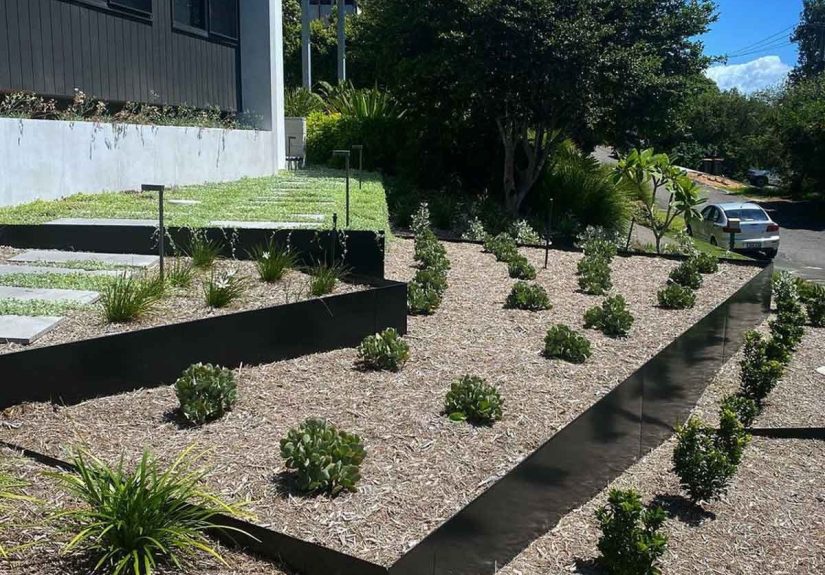
- 8) Mixed-material walls: stone + wood, block + metal, boulders + planting
- 9) Gabion walls: modern, industrial, and surprisingly adaptable
- 10) Stepped walls with integrated stairs: form meets function
- 11) Water feature + retaining wall: the “resort yard” combo
- 12) Privacy and screening: retaining walls as the base for layered seclusion
- Material Choices: How to Pick the Right Look (and the Right Performance)
- Make It Last: The Stability Details That Separate “Wow” From “Whoops”
- Planting and Lighting: The Details That Make It Look Expensive
- Mistakes That Turn a Great Retaining Wall Into Backyard Drama
- Real-World Experiences: What Retaining Wall Projects on Slopes Actually Feel Like (500+ Words)
- Conclusion
- SEO Tags
A sloped yard has two moods: (1) “storybook hillside” and (2) “why is my mulch migrating to the sidewalk?”
A well-designed retaining wall nudges your landscape firmly into Mood #1adding usable space, controlling erosion,
and giving your backyard that “intentional” look (instead of “gravity won again”).
This guide walks through smart retaining wall ideas for sloped yardsterraces, curves, mixed materials, seating walls,
built-in planters, lighting, and the not-so-glamorous (but extremely important) details like drainage and stability.
You’ll get design inspiration and practical decision-making so your wall looks great and behaves itself.
Why Retaining Walls Are the Ultimate Sloped-Yard Upgrade
Retaining walls do more than hold back soil. In a sloped yard, they can:
- Create flat, usable zones for patios, play areas, gardens, or a fire pit that doesn’t feel like a ski slope.
- Reduce erosion by breaking a long slope into smaller “steps” that slow runoff.
- Improve drainage strategy by directing water where it should go (away from foundations and toward proper outlets).
- Add structure and curb appeal with clean lines, natural stone texture, or modern metal edges.
- Boost planting success by creating level beds that keep soil and moisture where plants can use them.
Do This Quick “Slope Reality Check” Before You Pick a Design
1) Follow the water (because water is the boss)
Walk your yard during a heavy rain (or right after). Notice where water collects, where it channels, and where it
exits. If you design the wall first and “figure out drainage later,” you’re basically writing a sequel called
Retaining Wall: The Unexpected Lean.
2) Identify what’s above the wall
The load behind a wall isn’t just soil. A driveway, shed, large tree, or even a frequently used path ups the pressure
on the wall. Designs that are perfectly fine for a garden terrace may be inappropriate under heavier loads.
3) Measure height wisely
The “height” that matters for safety and permits isn’t always obvious. Rules vary by location, and height may be
measured differently depending on grade changes and how much wall is exposed. If you’re anywhere near a typical
permit/engineering threshold, assume you need to check with your local building department.
4) Know when to bring in a pro
Tall walls, walls near structures, walls supporting driveways, and walls in tricky soils are the moments to call a
qualified contractor or engineer. This isn’t about gatekeeping; it’s about avoiding an expensive soil avalanche.
Retaining Wall Ideas and Designs That Make a Sloped Yard Look Amazing
1) Classic terracing: turn one steep slope into multiple “rooms”
Terraced retaining walls break a hillside into a series of flatter platforms. Each terrace can become its own zone:
herbs on one level, a seating nook on another, and a lower lawn area that’s finally easy to mow without doing parkour.
- Style boost: Use the same wall material throughout for a cohesive look.
- Function boost: Add steps or a switchback path so the yard feels connected, not chopped up.
2) Curved retaining walls: softer, more natural, surprisingly forgiving
Curves are fantastic for sloped yards because they look organic and can help “flow” around existing trees and
planting beds. Visually, curved walls feel less rigid and can make a small yard look larger.
- Best for: Cottage gardens, naturalistic landscapes, and yards with lots of planting.
- Pro tip: Repeat the curve in a pathway or bed line so it looks intentional (not accidental).
3) Low seating walls: the multitasker your patio deserves
A short retaining wall can double as casual seatingespecially near a fire pit or dining area on a newly leveled pad.
It’s the kind of feature that makes a yard feel designed by a person who owns matching plates.
- Comfort upgrade: Cap with a smooth stone or purpose-made wall cap for a sit-friendly edge.
- Bonus: Add low-voltage lighting under the cap for a subtle glow.
4) Retaining walls with built-in planters: vertical gardening for slopes
Instead of one tall wall, consider staggered planter-style walls. They’re great for reducing the “big wall” look
while adding color and texture at eye level.
- Plant ideas: Creeping thyme, sedum, dwarf grasses, and trailing rosemary in warm climates.
- Design note: Repetition is your friendrepeat plant groups for a polished look.
5) Natural stacked stone: timeless and “I live in a fancy magazine” energy
Natural stone walls can read rustic, classic, or high-end depending on the stone type and pattern. They pair
beautifully with steps, boulders, and layered plantings.
- Best for: Traditional landscapes, woodland edges, and homes with stone accents.
- Reality check: Stone is gorgeous, but labor can be significantplan accordingly.
6) Boulder retaining walls: the “looks natural because it kind of is” solution
Large boulders can stabilize a slope while blending seamlessly into the landscape. They also hide dirt splashes and
minor settling better than crisp, geometric walls.
- Best for: Informal landscapes and erosion-prone areas.
- Make it sing: Tuck grasses, groundcovers, and small shrubs between boulders.
7) Segmental concrete blocks: clean lines, flexible layouts, dependable performance
Segmental retaining wall (SRW) block systems are popular for a reason: they’re modular, consistent, and available in
lots of stylesfrom modern smooth faces to stone-like textures.
- Best for: Terraces, curves, and DIY-friendly smaller walls.
- Design upgrade: Mix textures (cap in a contrasting tone) for a more custom look.
8) Mixed-material walls: stone + wood, block + metal, boulders + planting
Mixing materials adds depth and keeps the yard from looking like one long “retaining wall showroom aisle.”
A common approach: use sturdy block or stone for structure, then soften with wood accents, metal edging, or lush
planting bands.
9) Gabion walls: modern, industrial, and surprisingly adaptable
Gabion walls use rock-filled wire baskets. They can feel contemporary (clean basket lines) or rustic (rough stone
fill). They also work well where you want permeability and texture.
- Best for: Modern yards, drainage-forward designs, and bold texture.
- Style trick: Use a consistent stone size/color for a more refined look.
10) Stepped walls with integrated stairs: form meets function
If your slope changes height quickly, a stepped retaining wall with stairs can be more elegant than a single tall
wall. It also makes the yard easier to move throughespecially if you carry things like patio cushions, planters,
or your pride after buying too many shrubs.
11) Water feature + retaining wall: the “resort yard” combo
A slope is a natural opportunity for a recirculating stream, rill, or small cascade beside terracing.
Done thoughtfully, water features can guide the eye downhill and make elevation changes feel purposeful.
- Note: Plan drainage and overflow carefully so water doesn’t undermine the wall.
12) Privacy and screening: retaining walls as the base for layered seclusion
Instead of a tall fence at the top of a slope (which can feel like a fortress), build a lower wall and layer shrubs,
ornamental grasses, or trellises for privacy that looks landscaped, not defensive.
Material Choices: How to Pick the Right Look (and the Right Performance)
Here’s a quick, practical comparison to help you match material to your yard’s slope, style, and tolerance for
maintenance.
| Material | Best For | Visual Style | Notes |
|---|---|---|---|
| Segmental block | Terraces, curves, repeatable layouts | Modern to traditional (varies by finish) | Great balance of DIY-friendliness and strength for smaller walls |
| Natural stone | High-end looks, classic landscapes | Timeless, organic | Labor-heavy; looks incredible when well executed |
| Boulders | Natural slopes, erosion areas | “It’s always been here” vibe | Excellent visual blending; needs equipment for placement |
| Timber | Warm, rustic terraces | Casual, natural | Can require more maintenance; lifespan varies by climate and material |
| Gabions | Modern texture, drainage-forward designs | Industrial-modern | Permeable and bold; choose rock thoughtfully for a clean finish |
| Poured concrete | Clean modern walls, tight spaces | Sleek, architectural | Often best left to pros; can be finished many ways |
| Steel edging / plate walls | Minimalist terraces and planters | Modern, crisp lines | Great for low-to-mid height transitions and planter walls |
Make It Last: The Stability Details That Separate “Wow” From “Whoops”
Beautiful retaining walls share a secret: they’re kind of obsessed with water management and foundation prep.
While exact specs depend on height, soil, and loads, strong designs usually emphasize the following principles:
Drainage is not optional (even when the wall is “just decorative”)
Water trapped behind a wall creates pressure. That pressure is a world-class bully. The fix is straightforward in
concept: give water an easy way out using drainage-friendly backfill, proper outlets, and thoughtful grading.
Base preparation and compaction matter more than fancy caps
Most wall failures start at the base: settling, shifting, or erosion. A stable, well-prepared base and appropriate
backfill do the heavy lifting (sometimes literally).
Reinforcement (like geogrid) is a design tool, not a “maybe later” accessory
For taller or more demanding applications, reinforced soil systems (often using geogrid) can dramatically improve
performance. If your design needs it, plan it from the startdon’t try to retrofit engineering into a half-built wall.
Plan how the wall ends
The wall’s “returns” (how it terminates into the slope or landscape) matter for both strength and looks. Thoughtful
endpoints prevent erosion from sneaking around the edges and make the whole project feel finished.
Planting and Lighting: The Details That Make It Look Expensive
Use plants to soften edges and stabilize soil
Retaining walls shine when they’re paired with the right planting strategy. Consider deep-rooted groundcovers,
ornamental grasses, and shrubs suited to your climate. Layer heights: low spillers near wall edges, medium shrubs
behind, and taller focal plants where there’s room.
Add lighting where the slope changes
Lighting makes retaining walls safer and more dramatic at night. Focus on steps, path edges, and subtle wash lighting
along textured stone or block. The goal is “inviting,” not “interrogation scene.”
Mistakes That Turn a Great Retaining Wall Into Backyard Drama
- Ignoring local rules: Permits and engineering requirements varycheck before you build.
- Forgetting runoff: A wall that blocks water without redirecting it invites pressure and failure.
- Building too tall in one shot: Multiple terraces often look better and reduce pressure compared to one tall wall.
- Skipping a plan for stairs: If you can’t comfortably move between levels, the yard won’t feel usable.
- Planting large trees too close: Roots and added loads can complicate wall performance over time.
Real-World Experiences: What Retaining Wall Projects on Slopes Actually Feel Like (500+ Words)
If you’ve never tackled a sloped-yard retaining wall project, here’s what tends to happen in real lifeaka the part
you don’t see in perfectly staged “after” photos.
First, you start out thinking you need “a wall.” Then you measure, and it turns out you need “a plan.” Most homeowners
discover that the slope isn’t one consistent angleit’s a series of weird little micro-hills that change direction
just enough to be annoying. That’s often when terracing becomes the hero: instead of fighting the entire yard at once,
you break it into levels and suddenly the space feels solvable.
Next comes the water surprise. Even if your yard looks dry most days, a big rain teaches you where the true river
routes are. People often notice water racing down the same line every time, carving a channel, collecting near a patio,
or pooling right where they planned to put a “cute” seating area. The best projects pivot here: they add a smarter
drainage approach (grading, outlets, and drain-friendly backfill concepts) so the wall isn’t secretly holding back an
underground swimming pool.
Then there’s the materials reality. Retaining wall blocks look manageable in a store display. In your driveway, they
become a very organized pile of regret. A common experience is underestimating staging and access: where will the
pallets go, how will you move materials downhill, and how do you avoid turning your lawn into tire tracks? Many people
end up loving curved or terraced designs not only for the look, but because curves and shorter tiers can sometimes be
easier to adapt around existing featurestrees, utility lines, or that one corner of the yard that refuses to be square.
Another “aha” moment: stairs aren’t an afterthought. On a slope, a gorgeous upper terrace is only useful if you can
reach it without performing a cautious sideways shuffle while holding a watering can. Homeowners who integrate steps
earlyeither centered steps for symmetry or a switchback path for a more natural walktend to enjoy the yard more and
maintain it better. It’s hard to love a garden bed you can’t comfortably visit.
A surprisingly emotional phase happens when the wall is built but the yard still looks like a construction site.
This is where patience pays off. The transformation usually “clicks” when you add three finishing moves: (1) capstones
or clean top edges, (2) planting that softens the wall line, and (3) mulch or groundcover that visually connects the
terraces. Suddenly it goes from “retaining wall project” to “landscape design.”
Finally, people learn that retaining walls are not a “set it and forget it” featuremore like “set it and occasionally
check it.” The best real-world habit is a quick seasonal walkthrough: look for clogged outlets, soil settling, or
small areas where runoff is trying to rewrite your design. Catching tiny issues early keeps everything stable and
avoids big repairs later. In short: build smart, finish thoughtfully, and let gravity know you’re not afraid to read
instructions.
Conclusion
Retaining walls can turn a sloped yard from awkward to outstandingespecially when you design for both beauty and
performance. Start by understanding your slope and water flow, choose a style that fits your home, and consider
terracing for a more natural, usable landscape. Then give the “invisible” details (drainage, base prep, reinforcement,
and smart transitions) the respect they deserve. The result is a yard that looks intentional, functions better, and
finally stops trying to slide into the neighbor’s zip code.