Table of Contents >> Show >> Hide
- First, a Quick Refresher: What Is Eczema?
- Eczema and Mental Health: The Bigger Picture
- New Research: How Eczema May Raise Eating Disorder Risk
- Warning Signs: When Normal Concerns Become Disordered Eating
- Protecting Both Your Skin and Your Relationship With Food
- For Parents and Caregivers: What to Watch For
- Lived Experiences: Navigating Eczema, Body Image, and Food
- The Takeaway: Eczema and Eating Disorders Deserve Joined-Up Care
If you live with eczema, you already juggle enough: the itching, the creams, the late-night “do not scratch” pep talks.
Now researchers are finding something else that may be hiding in the mixan increased risk of eating disorders.
That doesn’t mean everyone with eczema will struggle with food, but it does mean this connection is worth paying attention to.
In this in-depth guide, we’ll break down what scientists are discovering about the relationship between eczema and eating disorders,
why the link might exist, warning signs to watch for, and how to protect both your skin and your relationship with food.
We’ll keep it clear, practical, and as gentle as a fragrance-free moisturizer.
First, a Quick Refresher: What Is Eczema?
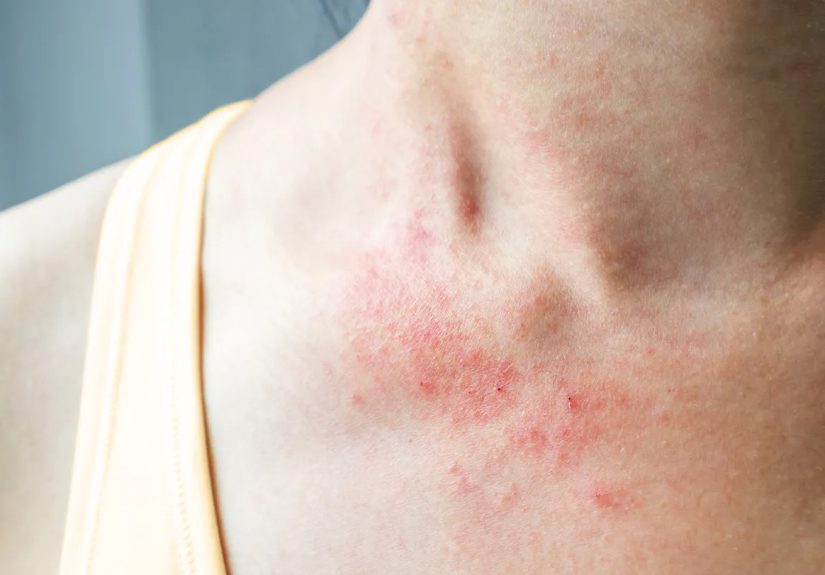
“Eczema” is a general term for inflammatory skin conditions that cause dryness, itchiness, redness, and rashes.
The most common type is atopic dermatitis, which affects an estimated 10% of the U.S. population.
Symptoms can flare up and calm down over time, often triggered by things like stress, allergens, weather changes, or infections.
Beyond the visible rash, eczema can dramatically affect quality of life. The constant itch can disrupt sleep, interfere with work or school,
and make social situations feel uncomfortable. Over time, that daily grind can affect mood, body image, and self-esteem.
Eczema and Mental Health: The Bigger Picture
Before we zoom in on eating disorders, it helps to understand the broader mental health picture.
Studies show that people with atopic dermatitis are more likely to experience:
- Anxiety and depression
- Sleep disturbances and fatigue
- Lower self-esteem and body image concerns
- Higher levels of stress and emotional distress
That makes sense when you think about it: chronic itch, visible skin changes, and unpredictable flares create a perfect storm for emotional strain.
Now researchers are asking, “Could this same storm also influence how people eat and relate to food?”
New Research: How Eczema May Raise Eating Disorder Risk
What Recent Studies Are Finding
Several recent studies have explored the link between atopic dermatitis and eating disorders. While the research is still developing, some patterns stand out:
- People with eczema appear to have higher odds of having an eating disorder compared with those without eczema, even when researchers adjust for factors like age, sex, and other mental health conditions.
- Some studies suggest particularly strong links with binge eating disorder and bulimia nervosa, and elevated risk for conditions like anorexia nervosa as well.
- Large population-based and cross-sectional studies have found this association in different age groups, including teens and young adults, which are already high-risk periods for disordered eating.
The bottom line: there seems to be a meaningful association between eczema and eating disorders.
Association, however, is not the same as causation. Eczema does not automatically “cause” an eating disorder,
but it can be part of a cluster of risk factors that increase vulnerability.
Why Might Eczema and Eating Disorders Be Connected?
Researchers are still teasing out the “why,” but several plausible pathways have emerged. Think of it as a web of factors rather than one single cause.
1. Body Image and Visible Skin Changes
Eczema often appears in highly visible areasface, neck, hands, arms, and legs. Red, flaky, or thickened patches can draw unwanted attention,
comments, or even bullying. Over time, this can chip away at body image and increase shame or embarrassment about appearance.
For some people, that body-focused distress may shift from “I hate my skin” to a more general “I hate my body,”
creating fertile ground for disordered eating thoughts like:
- “If I were thinner, I’d feel better about how I look.”
- “Maybe changing what I eat will fix everything.”
- “I don’t deserve to eat if I look like this.”
2. Chronic Stress, Sleep Loss, and Emotional Eating
Anyone who has scratched through the night knows: poor sleep can leave you drained, foggy, and more vulnerable to emotional ups and downs.
Chronic itch and interrupted sleep are common in eczema and can intensify stress and low mood.
In response, some people may turn to food to copeeating to soothe, distract, or feel temporarily in control.
For others, stress and anxiety blunt appetite, leading to restrictive eating or skipping meals.
Over time, these patterns can solidify into more serious disordered eating behaviors.
3. Food Rules, Allergies, and Confusion Around Eating
Many people with atopic dermatitis also deal with food allergies or sensitivities. That can mean:
- Strict avoidance of certain foods (like eggs, milk, or nuts)
- Worry that eating “the wrong thing” will trigger a flare
- Pressure to constantly monitor ingredients and labels
These restrictions are sometimes medically necessary. But they can also create a complicated relationship with food,
especially in kids and teens who already feel “different.” When every meal feels like a potential landmine,
it’s easier for rigid rules, fear of eating, or fixation on “safe” foods to slide into disordered eating territory.
4. Inflammation and the Brain–Skin–Gut Connection
Eczema is an inflammatory condition. Researchers are increasingly interested in how chronic inflammation interacts with the brain and the gut.
Some emerging evidence suggests that inflammatory signals may play a role in mood, appetite, and how the brain processes reward.
We’re not at the point of saying “inflammation causes eating disorders,” but it’s possible that the same biological systems that drive eczema
also influence brain pathways related to mood, stress, and eating behavior.
Warning Signs: When Normal Concerns Become Disordered Eating
It’s normal to care about your skin and what you eat. It’s also normal to experiment with “eczema-friendly” diets or avoid known triggers under medical supervision.
The red flag is when these concerns become extreme, inflexible, or begin to take over daily life.
Emotional and Behavioral Signs
- Intense fear of gaining weight or obsession with body shape
- Skipping meals, hiding food, or eating in secret
- Strict food rules not grounded in medical advice (“I can never eat after 5 p.m.,” “I must burn off everything I eat”)
- Frequent dieting or “detoxing,” especially after flares or stressful events
- Using food (or lack of food) as a way to cope with skin-related stress or shame
Physical and Skin-Related Clues
- Noticeable weight loss or gain over a short period
- Dizziness, fatigue, or difficulty concentrating
- More frequent infections, slower wound healing, or very dry, fragile skin
- New or unusual skin changes that don’t match typical eczema flares
These signs don’t prove someone has an eating disorder, but they’re good reasons to check in, ask gentle questions, and involve a healthcare professional.
Protecting Both Your Skin and Your Relationship With Food
Managing eczema and reducing eating disorder risk isn’t about doing everything perfectly.
It’s about building routines, support, and a mindset that take care of your whole selfnot just your skin.
1. Build a Stable, Flexible Food Routine
If you can, aim for consistent meals and snacks instead of long stretches of “forgetting” to eat followed by intense hunger.
Work with a registered dietitianideally one familiar with allergies or dermatologic conditionsif you’re unsure how to balance nutrition with skin triggers.
A helpful mindset: “Food is fuel for healing.” Your skin, immune system, and brain all rely on steady nutrition to function well.
Skipping meals or heavily restricting foods without medical guidance can make you feel worse physically and emotionally.
2. Keep Skin Care Practical, Not Punishing
A basic eczema routine might include gentle cleansers, daily moisturizing, and prescribed treatments.
The goal isn’t perfection, it’s consistency. Try to avoid turning skin care into a harsh ritual of “fixing” a body you’re mad at.
Think: “I’m caring for my skin because I deserve comfort,” not “I have to fix this or I’m not acceptable.”
3. Watch for All-or-Nothing Thinking
All-or-nothing thoughts can fuel both flares and disordered eating:
- “My skin flared, so everything is ruined.”
- “I ate one ‘bad’ food, so my whole day is a failure.”
- “If I can’t control my skin, I’ll control my weight.”
If you notice these patterns, it may help to work with a therapistespecially one who uses cognitive behavioral therapy (CBT),
which focuses on identifying and reshaping unhelpful thoughts and behaviors.
4. Loop in Your Healthcare Team Early
You don’t have to wait until things are “serious enough” to ask for help.
Talk to your dermatologist or primary care provider if you:
- Are increasingly distressed about your appearance
- Find yourself obsessing over food, calories, or weight
- Notice changes in appetite, weight, or eating patterns
They can help you decide whether to involve a mental health professional, an eating disorder specialist, or a dietitian.
Eating disorders are medical and psychiatric conditions, not personality flaws, and earlier support generally leads to better outcomes.
For Parents and Caregivers: What to Watch For
Caring for a child or teen with eczema can feel like a full-time job. On top of managing flares, you may also need to keep an eye on their emotional and eating patterns.
Signs worth noting include:
- Refusing to eat in front of others
- Sudden avoidance of previously enjoyed foods without a clear medical reason
- Frequent negative comments about weight, shape, or skin
- Wearing baggy clothes to hide body or skin, especially in hot weather
Try to keep conversations curious, not confrontational. Instead of “Why are you doing this?” try “I’ve noticed you seem more stressed about food and your skin latelyhow can I support you?”
Lived Experiences: Navigating Eczema, Body Image, and Food
Research gives us numbers and risk ratios, but lived experience tells us how it actually feels to move through the world with eczema and complicated feelings about food and body image.
While everyone’s story is different, certain themes show up again and again.
Many people describe childhood as the starting point of the struggle. Imagine being the only kid in class with visible rashes,
constantly hearing “What’s wrong with your skin?” or “Is it contagious?” The message is subtle but powerful:
“Your body is a problem to be explained.” For some, that sense of being “the problem” gradually spreads from their skin to their weight or shape.
Take, for example, a composite story based on common experiences:
a teenager whose eczema flares on her face just as high school begins. She feels stared at and starts avoiding photos, parties, and sports.
When someone casually suggests that “cutting out sugar might help,” she grabs onto the idea, hoping for control.
At first, she simply avoids dessert. Then she skips breakfast. Then she cuts her lunch in half.
Compliments on weight loss reinforce the behavior, even as her energy and mood crash.
What started as “trying to help my skin” morphs into a rigid, punishing relationship with food.
Others describe the opposite pattern: turning to food for comfort after long nights of itching and stress.
One person might recount how, after every flare, they’d curl up with snacks in front of the TV, not necessarily hungry but desperate for distraction from the discomfort.
Over time, those episodes may start to feel secretive or out of control, leaving guilt and shame in their wake.
There’s also the unique role of food rules in eczema. Someone with suspected food triggers may be toldsometimes vaguelyto “avoid anything that might cause a flare.”
Without clear guidance, this can turn into a long list of “forbidden” foods.
A child learns that “food can hurt me,” and eating becomes an anxious, high-stakes event.
Even when allergy tests are normal, the fear can linger, and it’s easy for that fear to evolve into extreme restriction or fear of eating in general.
On the brighter side, many people also describe turning points when they begin to see their body differently.
Sometimes it’s a supportive dermatologist who says, “You’re not your eczema.”
Sometimes it’s a therapist who helps them separate their worth from their appearance.
For others, it’s connecting with online communities where people share scars, flares, and no-makeup selfies without apology.
A common theme in recovery stories is learning to shift from blame to collaboration with their body.
Instead of “My skin ruined everything,” the narrative becomes, “My skin is loud about its needs, and I’m learning to listen.”
That mindset supports healthier choices around both skin care and eating.
It’s easier to nourish yourself when you believe you deserve care, not punishment.
Practical strategies people often mention include:
- Keeping a gentle, realistic skin-care routine instead of chasing perfection
- Establishing regular meals and snacks to reduce extremes of hunger
- Seeing a therapist who understands both chronic illness and body image
- Setting boundaries with people who comment on appearance, weight, or diet
- Finding clothes, bedding, and environments that feel physically and emotionally comfortable
These stories underline an important point: the goal isn’t flawless skin or flawless eating.
It’s a life where skin and food are part of your story but not the whole story.
With the right mix of medical care, emotional support, and self-compassion, people with eczema can build a relationship with their bodiesand with foodthat’s grounded in respect rather than fear.
The Takeaway: Eczema and Eating Disorders Deserve Joined-Up Care
Eczema is more than “just a skin thing,” and eating disorders are more than “just about food.”
When the two overlap, they can intensify each otherbut they can also both improve with integrated care.
If you recognize yourself or someone you love in this article, consider it a nudge, not a verdict.
Talking with a dermatologist, primary care provider, or mental health professional about your concerns is a strong, brave stepnot a sign of failure.
The goal isn’t to be perfect; it’s to feel safer and more at home in your own skin.
This article is for information only and is not a substitute for professional medical advice, diagnosis, or treatment.
Always talk with a qualified healthcare professional about any questions or concerns you have about eczema, eating behaviors, or mental health.