Table of Contents >> Show >> Hide
- Do You Actually Need a Humidifier in a Baby Nursery?
- Cool Mist vs. Warm Mist (and Why Nurseries Usually Want Cool Mist)
- The Nursery Humidity Sweet Spot (So You Don’t Accidentally Grow a Science Project)
- How to Use a Humidifier Safely in a Baby’s Room
- 9 Best Humidifiers for Baby Nurseries
- 1) Crane 4-in-1 Cool-Mist Humidifier (with Sound Machine)
- 2) Canopy Nursery Humidifier 2.0 (and Little Dreams by Canopy)
- 3) Honeywell HCM-350W Cool Moisture (Evaporative)
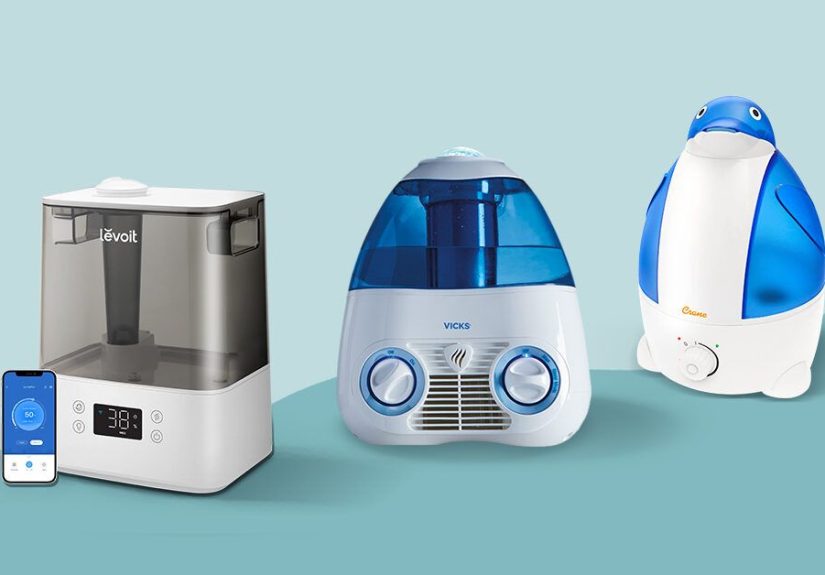
- 4) Levoit Classic 300S Smart Top-Fill Humidifier
- 5) Pure Enrichment MistAire Ultrasonic Cool Mist Humidifier
- 6) Frida Baby 3-in-1 Humidifier + Nightlight (Diffuser Function Included)
- 7) Vicks EasyCare+ TopFill Ultrasonic Humidifier
- 8) Vornado Evaporative Humidifier (Whole-Room Style)
- 9) Blueair InvisibleMist Humidifier
- Buying Guide: How to Pick the Right Nursery Humidifier
- Experiences: What Using a Nursery Humidifier Is Really Like (500+ Words)
- Final Thoughts
Baby skin: delicate. Baby noses: tiny. Winter air (or overzealous air-conditioning): basically a dehydrator.
If your nursery feels like a crispy tortilla, a humidifier can help add comfortable moisture back into the air
which may make sleep a little easier when dryness and congestion show up uninvited.
But here’s the not-so-cute truth: a humidifier is only “helpful” when it’s used safely and cleaned like it’s part of
your baby’s health team. A dirty unit can spray germs, mold, and mineral “white dust” into the air. And too much humidity
can turn a nursery into a mold-and-dust-mite spa (which absolutely does not need a membership).
This guide covers how to choose the right type, how to use it safely, and nine standout humidifiers that parents and
major reviewers consistently recommend for baby nurseriesplus real-world experiences and lessons learned the hard way,
so you don’t have to.
Do You Actually Need a Humidifier in a Baby Nursery?
You “need” food, diapers, and wipes. A humidifier is more like a smart comfort upgradeespecially when indoor air gets dry.
In a nursery, extra moisture may help with:
- Dry skin and chapped lips (babies can’t exactly apply lip balm responsibly)
- Dry nasal passages that make breathing feel stuffy
- Comfort during colds when congestion makes sleep rough
What it won’t do: cure illness, replace medical care, or fix allergies on its own. If your baby is working hard to breathe,
has a persistent fever, seems unusually sleepy, or you’re worriedcall your pediatrician. A humidifier is a tool, not a doctor.
Cool Mist vs. Warm Mist (and Why Nurseries Usually Want Cool Mist)
Most pediatric safety guidance leans strongly toward cool-mist humidifiers for homes with babies and young children,
because there’s no hot water or steam that could cause burns if the unit is touched, tipped, or climbed on during the toddler years.
Quick type breakdown
-
Ultrasonic (cool mist): Very quiet, creates a fine mist using vibration.
Can leave “white dust” if you use mineral-heavy tap water. -
Evaporative (cool mist): Uses a fan and a wick/filter; often better at avoiding white dust and can be more “self-limiting”
because evaporation naturally slows as humidity rises. - Warm mist / steam vaporizers: Can be effective for adults but generally not ideal around babies due to burn risk.
The Nursery Humidity Sweet Spot (So You Don’t Accidentally Grow a Science Project)
Many indoor-air experts recommend keeping indoor humidity in a moderate rangeoften around 30% to 50%.
The goal is to reduce dryness without inviting mold growth and dust mites to move in.
A simple trick: buy a small digital hygrometer (humidity monitor). It’s like a baby monitor for the air.
If the room sits at 25% overnight, you may benefit from humidification. If it climbs above the comfort range, dial it down
or turn it off.
How to Use a Humidifier Safely in a Baby’s Room
1) Use low-mineral water when you can
Distilled or demineralized water can reduce mineral buildup and help prevent that chalky “white dust,” especially in ultrasonic humidifiers.
If distilled water feels like one more thing to buy (because it is), evaporative models are often more forgiving with regular water.
2) Clean it like you mean it
Humidifiers hold water. Water plus time equals “stuff grows.” A practical routine:
- Daily: Empty the tank, rinse, dry, and refill with fresh water.
- Every few days: Clean to remove scale and microbial buildup (follow your manufacturer instructions).
- Regularly: Replace filters/wicks if your model uses them (this is the price of low-dust peace).
3) Place it thoughtfully
Keep the humidifier far enough from the crib that mist does not land directly on your baby or bedding.
You’re aiming to humidify the room, not create a damp blanket situation. Also keep cords out of reach and place the unit
on a stable surface where it can’t be knocked over.
4) Skip “extras” unless your pediatrician okays them
Some humidifiers include aroma pads or diffuser functions. With babies, it’s wise to be conservative: avoid adding anything to the air
unless you’re confident it’s safe for your child and approved by your pediatrician. (Your baby’s lungs are not the place for experiments.)
9 Best Humidifiers for Baby Nurseries
These picks balance safety (cool mist), practicality (cleaning and refilling), and real nursery needs (quiet operation, night-friendly controls).
“Best” depends on your room size, water preferences, and how much maintenance you’re willing to do.
1) Crane 4-in-1 Cool-Mist Humidifier (with Sound Machine)
Best for: An all-in-one nursery setup (humidifier + soothing sounds)
Crane’s nursery models are popular for a reason: they’re designed for kid spaces, run quietly, and often include nursery-friendly features
like a sound machine. The tank size is typically generous for overnight use, which means fewer midnight refills (a gift to your future self).
- Why it works in nurseries: Quiet operation, nursery-focused features, good overnight runtime.
- Watch-outs: Like many ultrasonic units, you’ll want low-mineral water to reduce dust and buildup.
2) Canopy Nursery Humidifier 2.0 (and Little Dreams by Canopy)
Best for: Parents who want easier cleaning and less “humidifier dread”
Canopy’s nursery line is built around a simple idea: humidifiers are helpful, but cleaning them is the villain of the story.
These models emphasize easier maintenance (including components designed to be simpler to wash). If you’ve ever rage-quit a humidifier
because scrubbing tiny corners felt like a new hobby, this style is worth a look.
- Why it works in nurseries: Maintenance-focused design, steady output, parent-friendly.
- Watch-outs: You’ll still need a routineno humidifier is “self-cleaning” in real life.
3) Honeywell HCM-350W Cool Moisture (Evaporative)
Best for: Avoiding white dust and keeping humidity more naturally balanced
The Honeywell HCM-350W is a long-running favorite in major reviews. It’s an evaporative humidifier, meaning it uses a wick/filter and fan,
which can help reduce mineral dust and often avoids over-humidifying as easily as some mist-heavy models. It’s not the flashiest machine,
but it’s the kind of “reliable minivan” choice that quietly makes life easier.
- Why it works in nurseries: Evaporative output, reduced white dust, steady overnight performance.
- Watch-outs: You’ll replace wicks/filters; also expect a gentle fan sound (usually manageable, sometimes even soothing).
4) Levoit Classic 300S Smart Top-Fill Humidifier
Best for: Smart controls and long runtime in a baby-friendly top-fill design
Levoit’s Classic 300S is popular for a simple reason: it’s practical. A big tank can mean multiple nights of use depending on settings,
and smart/app controls make it easier to adjust without turning on bright lights. Top-fill designs are also a sanity-saver when you’re
refilling one-handed while holding a baby (or a bottle, or your last shred of patience).
- Why it works in nurseries: Long runtime, top-fill convenience, smart control options.
- Watch-outs: Use low-mineral water and clean regularly to prevent buildup and mist residue.
5) Pure Enrichment MistAire Ultrasonic Cool Mist Humidifier
Best for: Budget-friendly, quiet humidification for small-to-mid nurseries
MistAire is one of those straightforward humidifiers that keeps showing up in recommendations because it does the basics well:
quiet operation, simple controls, and enough output for typical bedrooms. If you’re trying to solve “dry nursery air” without buying a
spaceship, this is a strong value pick.
- Why it works in nurseries: Affordable, quiet, simple to operate.
- Watch-outs: Ultrasonic units are sensitive to water mineralsdistilled water helps.
6) Frida Baby 3-in-1 Humidifier + Nightlight (Diffuser Function Included)
Best for: Nursery multitasking (humidifier + nightlight)
Frida Baby makes products that feel like they were invented by someone who has changed a diaper at 3 a.m. while half-awake.
Their 3-in-1 humidifier lines often include a nightlight and optional diffuser feature, which can be convenient in a nursery setup.
- Why it works in nurseries: Built-in nightlight, nursery-minded design, easy daily use.
- Watch-outs: Be cautious with any diffuser/aroma feature around infantswhen in doubt, skip it and ask your pediatrician.
7) Vicks EasyCare+ TopFill Ultrasonic Humidifier
Best for: Top-fill convenience with mainstream reliability
Vicks is a familiar name in households dealing with seasonal colds, and their EasyCare+ TopFill ultrasonic humidifier has been recognized
in broader humidifier testing for its usability. Top-fill makes refilling less messy, and the general design tends to be straightforward.
- Why it works in nurseries: Easy refills, simple controls, widely available.
- Watch-outs: If your model includes scent pads, follow age guidance and pediatrician advicedon’t assume “marketed for sleep” equals “baby-safe.”
8) Vornado Evaporative Humidifier (Whole-Room Style)
Best for: Nurseries that are mid-size and need more even humidity distribution
Evaporative Vornado models are known for moving air effectively, which can help distribute humidity more evenly across a room.
That can matter if your nursery has quirky airflowlike a vent blasting one corner while the rest stays desert-dry.
- Why it works in nurseries: Strong circulation, evaporative output, good for balanced humidity.
- Watch-outs: Fan-based units can be louder on high; use the lowest effective setting at night.
9) Blueair InvisibleMist Humidifier
Best for: Low-maintenance design features (especially if you hate scrubbing)
Blueair’s InvisibleMist is positioned as an easier-maintenance humidifier, with design choices like top-pour refills and dishwasher-safe parts.
For nursery life, lower-maintenance mattersbecause nobody wants to choose between cleaning a humidifier and taking a shower.
- Why it works in nurseries: Maintenance-friendly design, longer filter life claims, user-friendly interface.
- Watch-outs: Always confirm your humidity level with a hygrometer so you don’t overdo it.
Buying Guide: How to Pick the Right Nursery Humidifier
Choose based on your “maintenance personality”
Be honest: are you the kind of person who loves routines… or the kind of person who owns three half-used water bottles in your car?
If you know cleaning will be a struggle, prioritize models designed for easy washing or evaporative units that resist white dust.
Match the humidifier to room size
Oversized output in a small nursery can push humidity too high. Undersized units can run all night and barely move the needle.
If your nursery is small (typical bedroom), you usually don’t need a “whole house” monster.
Look for these nursery-friendly features
- Auto shutoff when the tank is empty (peace of mind)
- Top-fill refilling (less spilling, fewer swear words)
- Low-light controls (because bright LEDs at night are rude)
- Easy-to-clean tank with fewer tight corners
- Quiet operation or a gentle fan sound
Experiences: What Using a Nursery Humidifier Is Really Like (500+ Words)
If you’ve never used a humidifier before having a baby, the first week can feel like you adopted a small aquatic pet that needs attention.
Parents often start with big hopes: “This will help baby sleep!” And sometimes it doesespecially when the air is truly dry. But the real
“aha” moments usually come from the day-to-day practical stuff.
Experience #1: The hygrometer becomes your best friend. Many parents don’t realize how much indoor humidity swings until they
start measuring it. Heat turns on? Humidity drops. A rainy day? It jumps. If you’re trying to manage baby comfort, a $10–$20 hygrometer can
prevent the classic mistake of running a humidifier nonstop and accidentally pushing the nursery into damp territory. You’ll notice patterns,
like the room dipping below comfortable levels around 2–5 a.m., when the air cools and heating cycles kick in.
Experience #2: “Quiet” means different things at 2 a.m. In the daytime, you might not notice a soft fan sound. At nightwhen
the whole house is silentsuddenly you can hear everything, including the gentle gurgle of water. Some parents end up preferring an evaporative
unit’s steady fan noise because it doubles as mild white noise. Others want ultrasonic because it’s whisper-quiet. The lesson: if you’re sensitive
to sound, test it before the first overnight run (preferably while you pretend to sleep for five minutes, like a very tired actor).
Experience #3: Distilled water is either “worth it” or “why is this my life now.” Families in hard-water areas often discover
white dust the hard wayon the dresser, on the crib rail, on the one black onesie you loved. Switching to distilled water can reduce that problem,
but it also becomes a routine purchase. Some parents solve it by choosing an evaporative humidifier instead, trading distilled-water runs for
periodic wick replacements. In other words, you’ll pay in either water or filters; you’re just choosing your preferred currency.
Experience #4: Cleaning is not optional, and it’s easier when it’s scheduled. The biggest difference between “humidifier success”
and “humidifier regret” is maintenance. Parents who build a quick daily routineempty, rinse, refilltend to keep the unit fresh. Parents who
forget (because you have a baby and time is fake) often end up deep-cleaning a crusty tank later. A practical hack many families use: tie
humidifier cleaning to something you already do, like washing bottles or running the dishwasher.
Experience #5: Placement matters more than people expect. Put the humidifier too close to the crib, and you may notice dampness
on bedding or nearby surfacessomething you want to avoid. Place it too low on the floor near a wall, and you might create a damp corner that
invites mildew. Many parents land on a stable dresser or side table (out of baby’s reach), with the mist directed away from the crib and toward
open room air. It’s less dramatic than a “perfect” setupand much more effective.
Experience #6: The “best” humidifier is the one you’ll actually maintain. In reviews, you’ll see beautiful machines with smart apps,
mood lighting, and enough settings to launch a satellite. But in nursery life, the most beloved humidifier is usually the one that’s easy to refill,
easy to clean, and doesn’t make you dread using it. If a model feels like a chore, it won’t last long in your routine. Choose the simplest option
that meets your needs, and you’ll use it consistentlywhen it matters.
Final Thoughts
A nursery humidifier can be a comfort MVP when indoor air is dryespecially during winter heating season or in heavily air-conditioned homes.
Stick with cool mist for safety, keep humidity in a moderate range, and treat cleaning like a non-negotiable part of using it. If you want the
easiest path, choose an easy-clean design or an evaporative model that helps reduce white dust and humidity “overshoot.”
If you want one simple starting plan: buy a hygrometer, aim for a comfortable humidity range, use distilled water when possible, and choose a
humidifier that you won’t hate cleaning. Parenting is hard enoughyour appliances shouldn’t add character development.