Table of Contents >> Show >> Hide
- What you’ll learn
- First: Know what you’re treating (because “hair loss” isn’t one thing)
- The “Big Two” most people mean
- Other prescription options you may hear about (and where those come from)
- Where to buy hair loss medications in the U.S.: a practical map
- 1) Your local pharmacy (the underrated MVP)
- 2) Dermatology or primary care clinics (best for “What is happening to my hair?”)
- 3) Telehealth services (convenience with a few caveats)
- 4) Mail-order pharmacies through insurance
- 5) Specialty pharmacies (for advanced or high-cost prescriptions)
- 6) Compounding pharmacies (useful sometimesverify always)
- How to spot a safe source (and avoid counterfeit meds)
- Cost, coupons, and the “I just want my hair back” budget
- What to ask before you click “Buy” (or before your appointment ends)
- A 30-second cheat sheet: the fastest safe path for most people
- Real-world experiences: what it’s actually like to get hair loss medications
- Conclusion
Hair loss has a special talent: it shows up uninvited, leaves evidence everywhere (hello, shower drain),
and somehow makes you question every selfie you’ve ever taken under overhead lighting.
The good news? In the U.S., there are multiple legitimate, safe ways to get hair loss medicationssome over the counter,
some by prescription, and some that require a specialist and a little patience.
This guide is the “where to buy it” mapplus the “how to avoid sketchy internet potions” section your future self will thank you for.
It’s written for U.S. readers and focuses on real, commonly used medications (not miracle gummies that promise a lion’s mane by Tuesday).
Quick note: This is educational info, not personal medical advice. Hair loss can signal other conditions, so a clinician’s input is worth itespecially if loss is sudden, patchy, painful, or accompanied by scalp scaling.
First: Know what you’re treating (because “hair loss” isn’t one thing)
Before you decide where to get medication, it helps to identify what you’re treating.
Different hair loss types respond to different treatmentsand some shouldn’t be self-treated without an exam.
Common patterns and what they usually mean for shopping
-
Gradual thinning at the crown or temples (androgenetic alopecia / “pattern hair loss”):
This is the classic “genetics meets hormones” scenario. It’s where OTC minoxidil and prescription finasteride most often come in. -
Sudden shedding all over (often telogen effluvium):
Sometimes triggered by stress, illness, weight changes, new meds, or low iron. The “best medication” may actually be “fix the trigger.”
A primary care visit + basic labs can be more useful than a cart full of products. -
Patchy bald spots (alopecia areata):
Often needs dermatology care. Treatments can include injections, topicals, and newer oral prescription medications for severe cases. -
Scalp pain, scaling, or shiny scar-like areas:
Don’t DIY this. Some inflammatory or scarring conditions need prompt specialist treatment to protect follicles.
If you’re not sure what you’re dealing with, the most efficient “where to get meds” answer is:
start with a dermatologist or a primary care clinicianthen buy the medication through a safe pharmacy channel.
The “Big Two” most people mean
When someone says “hair loss meds,” they usually mean minoxidil (OTC) and/or finasteride (prescription).
Here’s where to get eachwithout wandering into the swamp of counterfeit products.
1) Minoxidil (over-the-counter): where to get it
Minoxidil is widely available in the U.S. without a prescription (commonly as foam or liquid).
It’s often used for pattern hair loss and works best when used consistently for monthsnot days.
Best places to buy OTC minoxidil in the U.S.
- Local drugstores: National chains and independent pharmacies typically stock name-brand and store-brand options.
- Big-box retailers: Many carry multipacks and store brands that can reduce cost per month.
- Warehouse clubs: Often the best “cost per ounce” if you know you’ll stick with it.
-
Online from well-known U.S. retailers: Convenient for subscriptions and refills.
(Tip: buy from the retailer directly or verified sellersavoid mystery storefronts with prices that look like a typo.)
Buying tips so you don’t waste money
- Give it time: It commonly takes a few months to notice improvement; early shedding can happen as hairs cycle.
- Stick to directions: More is not betterit’s just stickier.
- Foam vs. liquid: Foam can be easier for some scalps; liquid can be more precise but sometimes more irritating.
- Watch for household exposure: Keep it away from kids and pets; wash hands after applying.
2) Finasteride (prescription): where to get it
Finasteride 1 mg is a prescription medication used for male pattern hair loss.
In the U.S., if you see it being sold “no prescription needed,” that’s a red flagnot a bargain.
Legit ways to get prescription finasteride
-
In-person clinician → local pharmacy:
A dermatologist or primary care clinician evaluates you, writes a prescription, and you fill it at a U.S. pharmacy. -
Telehealth visit → pharmacy pickup or home delivery:
Many platforms offer an online medical questionnaire and/or clinician consult, then send a prescription to a pharmacy or ship medication.
This can be convenient if access is limited or your schedule is chaos. -
Insurance mail-order pharmacies:
Some health plans offer lower copays for 90-day supplies via mail order (when covered).
Smart questions to ask before choosing a channel
- Will I have an actual clinician evaluation, or is this “click yes to everything” prescribing?
- Is the pharmacy U.S. state-licensed and requiring a valid prescription?
- How do refills work, and what follow-up is required?
- What safety counseling is provided (side effects, pregnancy precautions, mental health considerations)?
Important: Finasteride is not indicated for use in women for male pattern hair loss labeling,
and pregnancy-related precautions matter for household handling. If you’re shopping for “women’s hair loss meds,”
a clinician-guided plan is the safest route.
Other prescription options you may hear about (and where those come from)
Depending on the diagnosis, clinicians may discuss additional medications. These typically require
a prescription and sometimes a specialty pharmacy.
For pattern hair loss (commonly clinician-directed)
-
Low-dose oral minoxidil (off-label): Some dermatologists prescribe this when topical minoxidil isn’t tolerated or isn’t enough.
Because it’s systemic, it needs medical screening and monitoring. -
Dutasteride (off-label for hair loss): Approved for other conditions, sometimes used for hair under clinician supervision.
You won’t find this responsibly sold OTC. -
Spironolactone (often for women, off-label for hair loss): Commonly used when androgens are suspected contributors.
Requires prescription and discussion of side effects and pregnancy avoidance. -
Topical finasteride (often compounded): Here’s where things get nuanced.
Some topical formulations are compounded (custom-made) and are not FDA-approved as finished products.
The FDA has specifically warned about potential risks reported with compounded topical finasteride products.
For alopecia areata (autoimmune hair loss)
Severe alopecia areata may be treated with prescription oral medications that are typically managed by dermatologists.
These are not “grab it off the shelf” drugs and often run through specialty pharmacies and insurance prior authorization.
- Baricitinib (Olumiant): FDA-approved for adults with severe alopecia areata.
- Ritlecitinib (Litfulo): FDA-approved for adults and adolescents (12+) with severe alopecia areata.
If your hair loss is patchy or rapidly progressing, prioritize diagnosis first.
The best “where to get meds” answer may be: get to dermatology so you’re not treating the wrong problem for six months.
Where to buy hair loss medications in the U.S.: a practical map
1) Your local pharmacy (the underrated MVP)
Local pharmaciesboth chains and independentsare ideal when you want:
same-day pickup, a pharmacist to answer questions, and fewer shipping surprises.
They’re also a good checkpoint for legitimacy because they operate under U.S. pharmacy regulations.
- Best for: OTC minoxidil, filling finasteride prescriptions, counseling on side effects and interactions.
- Bonus: Pharmacists can sometimes suggest lower-cost generic options or coupon strategies.
2) Dermatology or primary care clinics (best for “What is happening to my hair?”)
Clinics are where you go when you need an accurate diagnosis, a prescription, or a plan that includes
labs, scalp evaluation, and realistic expectations. It’s also where you can discuss whether hair loss
might be medication-related or linked to iron/thyroid issues.
3) Telehealth services (convenience with a few caveats)
Telehealth can be a legitimate pathway for prescription hair loss medicationsespecially for straightforward
pattern hair loss. The convenience is real: online evaluation, prescription, and home delivery or pharmacy pickup.
The caveat is also real: quality varies. Choose platforms that provide clinician review, transparent side-effect counseling,
and use state-licensed pharmacies.
- Best for: Busy schedules, limited access to dermatology, straightforward male pattern hair loss.
- Be extra cautious with: Compounded topicals marketed heavily on social media (especially compounded topical finasteride).
4) Mail-order pharmacies through insurance
If your plan covers a medication, mail order can be the cheapest per monthespecially for 90-day supplies.
You’ll typically need an e-prescription and may have fewer “oops I forgot to refill” moments.
5) Specialty pharmacies (for advanced or high-cost prescriptions)
Medications used for severe alopecia areata are often coordinated through specialty pharmacies.
These pharmacies handle temperature-controlled shipping, insurance paperwork, and refill coordination.
6) Compounding pharmacies (useful sometimesverify always)
Compounding pharmacies can prepare customized formulations when commercial options don’t fit your needs.
But compounded medications are not the same as FDA-approved finished products. Ask questions about sourcing,
dosing consistency, and safety counselingespecially for products like compounded topical finasteride.
How to spot a safe source (and avoid counterfeit meds)
The internet is amazing. It can also sell you a “prescription-strength” product from a website that looks like it was built in 2006 by a raccoon.
Use a simple rule: if it’s prescription-only in the U.S., a legit seller will require a prescription.
Safety checks that take less time than brewing coffee
- Prescription required: If a site offers prescription meds without one, walk away.
- U.S. state-licensed pharmacy: Legit pharmacies are licensed where they operate (and often where you live).
- Real contact information: There should be a physical address and a way to reach a pharmacist.
- Secure checkout and privacy practices: Look for standard security and clear policies.
- Use trusted verification tools: The FDA and pharmacy organizations maintain consumer guidance for safe online purchasing.
Red flags (a.k.a. “Nope, nope, nope”)
- “No prescription needed” for prescription meds
- Prices that are drastically lower than everywhere else
- International shipping for “U.S. prescription” products
- Vague ingredient lists, no dosing info, or “proprietary blend” language
- Claims like “regrow all hair in 7 days” (your follicles are many things, but they’re not wizards)
A special caution on compounded topical finasteride
Some telehealth and compounding channels market topical finasteride alone or combined with other actives.
The FDA has warned about potential risks associated with compounded topical finasteride products after reports of adverse events.
If you’re considering one, ask the prescriber and pharmacy:
- Is this FDA-approved as a finished product, or compounded?
- What is the exact concentration and dosing instructions?
- How do you counsel on systemic side effects and household exposure (especially pregnancy risk)?
- What should I do if side effects occur?
Cost, coupons, and the “I just want my hair back” budget
Hair loss treatment costs can range from “totally manageable” to “wait, is this secretly a car payment?”
The trick is knowing which levers to pullwithout sacrificing safety.
Ways people commonly lower costs in the U.S.
- Choose generics when available: Finasteride is commonly available as a generic.
- Compare pharmacies: Prices can vary; pharmacy coupon programs may help.
- Buy OTC minoxidil in multipacks: Store brands and multi-month supplies can reduce monthly cost.
- Ask about 90-day supplies: Often cheaper per month, especially through mail order.
- Use your HSA/FSA if eligible: Some hair-related treatments may qualify depending on plan rules (check your administrator).
- Avoid “stacking” ten supplements at once: Your wallet will thin faster than your hair.
Cost-saving without corner-cutting
The safest savings strategy is to stay within legitimate U.S. pharmacy channels.
Counterfeit meds are the ultimate false economy: you pay money and gamble with your health.
What to ask before you click “Buy” (or before your appointment ends)
Whether you’re going in person or using telehealth, these questions can help you get a plan that’s realistic,
safe, and actually matched to your hair loss type.
Questions for the clinician
- What type of hair loss do I most likely have?
- Which medication is first-line for my situation, and why?
- What results are realistic at 3 months, 6 months, and 12 months?
- What side effects should I watch for, and what’s the plan if they happen?
- Are there any reasons I should avoid this medication (pregnancy, heart issues, interactions, mental health history)?
- Do I need labs (iron, thyroid, vitamin D, etc.)?
Questions for the pharmacy or telehealth platform
- Is the dispensing pharmacy U.S. state-licensed?
- Is this medication FDA-approved as a finished product, or compounded?
- How will refills and follow-up be handled?
- Can I speak to a pharmacist if I have side effect questions?
A 30-second cheat sheet: the fastest safe path for most people
- If hair loss is sudden/patchy/painful: book dermatology (or primary care ASAP).
- If it’s gradual pattern thinning: consider OTC minoxidil + a clinician visit to discuss prescription options.
- Buy OTC products from major retailers/pharmacies and prescription meds only through state-licensed pharmacies.
- Give it months, not days: consistent use matters more than hype.
Real-world experiences: what it’s actually like to get hair loss medications
Let’s talk about the part nobody puts on the product box: the experience of going from “Is my hairline moving?” to “Okay, I have a routine.”
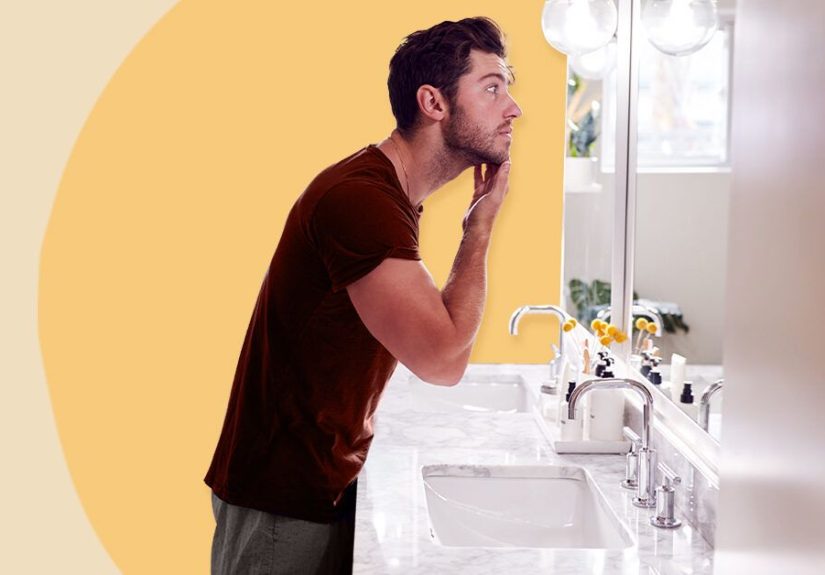
Most people start with a late-night search spiral, a bathroom mirror, and an angle that would make a security camera proud.
Then they pick a path: in-person care, telehealth, or OTC-only.
OTC-first experiences usually look like this: you buy minoxidil from a drugstore or big-box retailer, feel hopeful,
and then get annoyed because hair doesn’t operate on Amazon Prime shipping. Many people report the early phase is emotionally weird:
you’re doing “the thing,” but results are invisible for a while. Some notice extra shedding early on and paniconly to learn that
hair cycles can be dramatic before they get better. The ones who stick with it tend to be the ones who turn it into a habit:
apply, wash hands, move on with life. Boring routines are often the most effective ones (tragic, I know).
In-person clinician experiences are often the most reassuringespecially if you’ve been guessing.
A dermatologist can look at scalp patterns, ask about family history, stressors, and medical triggers, and then tell you
whether you’re treating pattern hair loss, shedding, or something else entirely. People often describe relief after this visit:
not because the problem is instantly solved, but because the plan is finally specific. Prescriptions like finasteride,
or discussions of other options, come with the benefit of contextwho should use it, who shouldn’t, what side effects matter,
and what “success” realistically looks like at 6–12 months.
Telehealth experiences tend to be about convenience. You answer questions, sometimes upload photos,
and a clinician reviews your case. For many, it’s a smooth processespecially for straightforward male pattern hair loss.
The best platforms make it easy to ask questions, understand side effects, and receive medication from a legitimate pharmacy.
The less-great experiences typically involve confusion about what’s being dispensed (generic vs compounded),
limited opportunities for real-time counseling, or marketing that feels louder than the medical oversight.
If a product is compounded or heavily promoted on social media, people often wish they had asked more questions up front.
Across all paths, the most common “aha” moment is realizing hair loss treatment is more like fitness than like a flashlight:
you don’t flip a switch and instantly see resultsyou commit to a plan, track changes over time, and adjust with guidance.
The second most common “aha” is financial: buying from legitimate sources and using smart cost strategies (generics, multipacks,
mail order when appropriate) usually beats chasing suspiciously cheap deals online. And finally, the emotional truth:
it’s normal to care about your hair. If you’re putting time into treatment, you’re not vainyou’re human.