Table of Contents >> Show >> Hide
- The “Wait, What?” Phase: The First Week After Diagnosis
- Month 1: Turning Panic Into a Routine I Could Actually Follow
- Step one: “Know your numbers,” but don’t marry them
- Home monitoring: meter, fingerstick, or CGM?
- My “first month” tracking method: tiny, not perfect
- Food reality: I didn’t “quit carbs”I got strategic
- The two approaches that made meals less confusing
- Specific examples that worked for me
- Drinks: the quickest change with the biggest payoff
- Month 2: Movement, Medication, and the “Oh, This Is a Lifestyle” Moment
- Month 3: Building Confidence (and Getting Serious About Prevention)
- Common Questions I Had (and What Helped)
- Conclusion: The First Months Are a RebuildNot a Punishment
- Extra: 500 More Words From My Real First Months (The “Stuff No One Mentions” Edition)
The day I got diagnosed with type 2 diabetes, I learned two things immediately:
(1) my pancreas had apparently decided to “quiet quit,” and (2) I was about to become
extremely familiar with numbersso many numbersthat I briefly considered majoring in accounting.
If you’re newly diagnosed, the first weeks can feel like drinking from a firehose labeled
carbs, medication, lifestyle changes, lab tests, appointments, stress. This article is the
version I wish someone handed me early on: a realistic, step-by-step look at what the first months
can be like, what the important terms mean, and how to build habits that actually fit into a real life
(one that contains work deadlines, family dinners, and the occasional “why is everything beige at the pharmacy?” moment).
Quick note: I’m sharing an experience-based roadmap and evidence-based guidance, not personal medical advice. Your clinician is the boss of your treatment plan.
The “Wait, What?” Phase: The First Week After Diagnosis
My brain heard “diabetes” and immediately opened 37 tabs
The first week, my emotions rotated like a ceiling fan: denial, worry, motivation, confusion,
and a brief stop at “Maybe I can just drink more water and apologize to my pancreas.”
What helped most was getting clarity on what the diagnosis actually meantspecifically,
the tests that led to it.
What those lab numbers usually mean (in plain English)
Many people are diagnosed through one (or more) of these: an A1C test, a fasting blood glucose test,
or an oral glucose tolerance test. In general, an A1C reflects your average blood sugar over about
2–3 months. That matters because it’s less “what did you eat yesterday?” and more “how has your body been doing lately?”
- A1C: Prediabetes is often in the 5.7–6.4% range; diabetes is commonly diagnosed at 6.5% or higher.
- Fasting blood glucose: Diabetes is often diagnosed at 126 mg/dL or higher (after not eating overnight).
When my clinician explained it, the diagnosis stopped feeling like a mystery and started feeling like a plan:
“Here’s where you are. Here’s where we’d like you to be. Here’s how we’ll get there.”
The first practical move: schedule a “diabetes game plan” visit
I quickly learned that a standard appointment is not enough time to cover:
medication options, blood sugar monitoring, meal planning, exercise, sleep, stress, and screening tests.
So I asked for a dedicated visit (or follow-up) to cover three things:
(1) goals, (2) daily routine, and (3) what to do when numbers look weird.
That one decision saved me weeks of guessing.
Month 1: Turning Panic Into a Routine I Could Actually Follow
Step one: “Know your numbers,” but don’t marry them
Early on, I treated every reading like a moral judgment. A high number felt like I’d committed a felony against vegetables.
That mindset is exhaustingand not helpful.
What finally clicked: blood sugar data is information, not a grade. It’s feedback about sleep, stress, medication timing,
activity, portion size, and yescarbs. The goal is patterns, not perfection.
Home monitoring: meter, fingerstick, or CGM?
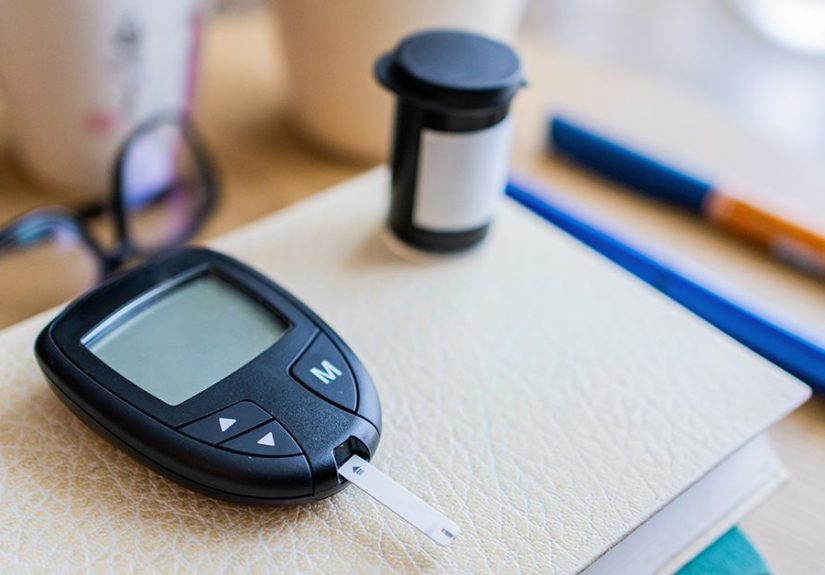
Depending on your plan, your clinician may recommend checking blood sugar at home. For many people, that means a glucose meter
and test strips. The basic routine is simple: wash hands, insert strip, use the lancing device, touch the strip to a drop of blood,
and read the result.
Some people also use continuous glucose monitoring (CGM), which tracks glucose trends throughout the day and night.
CGM can be especially helpful for spotting patternslike a post-breakfast spike you didn’t know existed until the graph politely roasted you.
My “first month” tracking method: tiny, not perfect
I didn’t track everything. I tracked just enough to learn:
- What happens after my most common meals (breakfast, lunch, dinner repeats).
- How a short walk after eating changes my numbers.
- Whether stress and poor sleep show up as higher readings (spoiler: yes, often).
This turned monitoring into a learning tool, not a full-time job.
Food reality: I didn’t “quit carbs”I got strategic
The first month, I expected someone to hand me a laminated list titled “Foods You Are Allowed to Enjoy.” That did not happen.
What did happen was better: I learned that meal planning for diabetes is less about banning foods and more about portion, balance,
and consistency.
The two approaches that made meals less confusing
Two common, practical strategies are carb counting and the plate method.
I started with the plate method because my brain needed fewer math problems.
- Plate method: Fill half your plate with non-starchy vegetables, add lean protein, and include a portion of carbs (like whole grains, beans, fruit, or starchy veggies).
- Carb counting: Track grams of carbohydrates more directly (often with guidance from a clinician or dietitian).
Specific examples that worked for me
Breakfast swaps (without sadness):
- Instead of sweet cereal: Greek yogurt + berries + nuts (protein and fiber keep things steadier).
- Instead of a giant bagel: egg sandwich on a smaller whole-grain option + sliced tomato + avocado.
- Instead of “nothing” (then chaos at 11 a.m.): a quick protein-forward breakfast, even if it’s a cheese stick + apple.
Lunch that doesn’t spike me into orbit:
- Big salad + grilled chicken + beans + olive oil vinaigrette + a small whole-grain side.
- Leftovers built like a plate method meal: veggies, protein, and a measured carb portion.
The sneaky win wasn’t “perfect eating.” It was building repeatable meals I actually liked.
Consistency beat novelty. (My future self thanks my past self for not trying to reinvent lunch every day.)
Drinks: the quickest change with the biggest payoff
Sugary drinks can raise blood sugar quickly. In my first month, swapping sweet drinks for water or unsweetened options
was one of the easiest, most noticeable improvementsno culinary grief required.
Month 2: Movement, Medication, and the “Oh, This Is a Lifestyle” Moment
Exercise goals that don’t require becoming a fitness influencer
A common public-health target for adults is about 150 minutes of moderate-intensity activity per week,
plus muscle-strengthening on 2 days per week. That can sound intimidating until you do the math:
30 minutes a day, 5 days a weekor broken into smaller chunks.
My starting point was laughably simple: a 10-minute walk after dinner. Then I added another walk after lunch a few days a week.
Over time, it became a real routine.
Why post-meal walks felt like a “cheat code”
Light activity helps your muscles use glucose for energy. For me, walking after meals smoothed out the “post-dinner spike”
and improved my moodbecause fresh air plus movement is basically legal therapy.
Medication: what I learned without turning it into a chemistry exam
Not everyone starts medication immediately, but many doespecially if A1C is high enough or lifestyle changes alone aren’t
bringing blood sugar down. One commonly used first-line medication for type 2 diabetes is metformin.
The most practical advice I got: start low, go slow (if your clinician recommends it), and take it with meals to reduce
stomach side effects. Some people do better on extended-release versions, and your clinician can help decide what’s appropriate.
I also learned that if you’re on metformin long-term, some clinical guidance suggests periodically checking vitamin B12,
because metformin use has been associated with B12 deficiency in some patients.
Side effects and “normal vs. call the clinic”
Early medication side effects can be unsettling, especially GI issues. I kept a short note on my phone:
“If it’s mild and improving, monitor. If it’s severe, persistent, or scary, contact the clinic.”
That sounds obviousuntil it’s 11 p.m. and your brain is writing fan fiction about worst-case scenarios.
Stress and sleep: the underrated blood sugar influencers
In month two, I noticed a pattern: the worst readings often followed bad sleep or high stress days.
Even when my meals were reasonable, my body responded differently when I was running on fumes.
I didn’t fix stress (lol). But I did add a few low-effort supports:
- A consistent bedtime alarm (not just a wake-up alarmrevolutionary).
- Short decompression walks without my phone.
- Breathing exercises during “I’m totally fine” moments (I was not totally fine).
Month 3: Building Confidence (and Getting Serious About Prevention)
The diabetes care schedule: boring, powerful, and worth it
By month three, I realized diabetes care isn’t just daily habitsit’s also the routine check-ins that catch problems early.
Think of it like maintaining a car you want to drive for a long time (except the car is you, and the warranty is… complicated).
Many care plans include periodic A1C testing (often every 3 months if treatment recently changed or goals aren’t being met),
plus blood pressure checks, weight review, and medication adjustments as needed.
Screenings that matter (even when you feel fine)
Diabetes can increase risk for complications affecting the eyes, kidneys, nerves, and feet. The point of screenings is
to find issues earlybefore you notice symptoms.
- Eye exams: to monitor for diabetes-related eye disease.
- Kidney checks: often include urine albumin and blood creatinine/eGFR discussions with your clinician.
- Foot checks: because nerve damage and reduced blood flow can raise risk for foot problems.
- Cholesterol and blood pressure: because heart health is a major part of diabetes care.
My foot-care habit: two minutes, daily
I used to think foot care was something only “older people” did. Then I learned diabetes can reduce sensation in the feet,
making small cuts or blisters easy to missand that’s how minor problems become major problems.
My habit became: look at my feet while brushing my teeth at night. Two minutes. No drama. Just awareness.
What success actually looked like by month three
Success wasn’t “I never had a high reading again.” Success was:
- I understood what influenced my numbers (food balance, activity, stress, sleep).
- I had 5–7 reliable meals I enjoyed.
- I moved more most dayseven if it was just walking.
- I showed up for follow-ups and asked questions without feeling embarrassed.
The biggest shift was psychological: I stopped feeling like diabetes was something happening to me and started
treating it like a condition I could manage with my care team.
Common Questions I Had (and What Helped)
“Do I have to give up everything I like?”
Nobut you may need to adjust portion sizes and frequency. A sustainable plan includes foods you enjoy,
just balanced in a way that keeps glucose steadier.
“What if I mess up?”
You will. And then you’ll keep going. Diabetes management is built on trends and habits, not flawless days.
One higher-carb meal isn’t a personal failure; it’s a data point. Learn, adjust, repeat.
“How fast should things improve?”
It depends on your starting numbers, your body, and your treatment plan. Many people see changes over weeks to months.
The important part is follow-up, reassessment, and keeping the plan realistic.
“Should I see a diabetes educator or dietitian?”
If you have access, yesespecially early on. Those sessions can turn confusing advice into a personalized routine
you can actually live with.
Conclusion: The First Months Are a RebuildNot a Punishment
The first months after a type 2 diabetes diagnosis can be overwhelming, but they’re also full of momentum.
You learn what your numbers mean, you build a meal strategy that doesn’t feel like punishment,
you find movement you can repeat, and you get comfortable asking for help.
If you’re in the early stage right now, remember: you don’t need to do everything at once.
Start with one meal upgrade, one daily walk, one follow-up appointment, one small habit you can keep.
Your future self is built from the boring, consistent choicesnot the dramatic, perfect ones.
Extra: 500 More Words From My Real First Months (The “Stuff No One Mentions” Edition)
Here’s what surprised me most: diabetes didn’t change my life in one giant movie montage. It changed my life in tiny, repetitive moments
the kind that don’t look impressive on social media but absolutely add up.
Like grocery shopping. I used to shop on autopilot, tossing things in the cart based on habit and hunger.
After diagnosis, I stood in an aisle reading labels like they were legal contracts. At first, it was exhausting.
Then it got weirdly empowering. I wasn’t “on a diet.” I was learning how food affected my body.
I started choosing higher-fiber options more often, pairing carbs with protein, and keeping easy snacks around so I wouldn’t get ambushed by
hunger and accidentally eat like a raccoon in a gas station parking lot.
Social situations were another learning curve. The first time I went out to eat after diagnosis, I tried to order “perfectly”
and ended up with a meal I didn’t even like. That was my wake-up call. If this was going to be long-term, I needed a plan that included joy.
So I practiced ordering meals that felt normal: a protein I liked, vegetables I’d actually eat, and a carb portion I could handle.
Sometimes I split fries with someone. Sometimes I skipped them. The point was flexibility without denial.
Then there was the emotional partbecause yes, feelings can show up in your blood sugar story too. Some mornings I woke up motivated,
ready to “do everything right.” Other mornings I woke up annoyed that my body needed maintenance like a complicated houseplant.
On those days, I lowered the bar on purpose: I aimed for a short walk, a balanced breakfast, and taking my meds as prescribed.
That was it. It kept me consistent, and consistency is what made the difference.
I also learned how to talk to myself differently. Early on, I’d see a high reading and think, “I messed up.”
Later, I learned to ask, “What happened?” Was I stressed? Did I sleep poorly? Did I eat more carbs than usual without enough protein or fiber?
Did I sit all day? That shiftfrom blame to curiositymade the whole process feel manageable.
The biggest “aha” moment came when I realized progress wasn’t linear. Some weeks my routine was solid.
Other weeks life happenedwork chaos, family stuff, irregular sleepand my numbers reflected it.
Instead of quitting, I treated those weeks like a reminder: I need the basics even more when life gets messy.
Drink water. Eat regular meals. Move a little. Follow up with my care team. Do the next right thing.
That’s what the first months taught me: diabetes management is less about willpower and more about systems you can repeat on your worst day.