Table of Contents >> Show >> Hide
- First: A Quick Finger-Bump Reality Check
- Main Causes of a “Pimple” on Your Finger
- 1) Friction Blister or Blood Blister (The “New Tool, Who Dis?” Bump)
- 2) Dyshidrotic Eczema (Tiny Itchy Blisters on the Sides of Fingers)
- 3) Irritant or Allergic Contact Dermatitis (Your Soap Might Be the Villain)
- 4) Wart (HPV’s Little Uninvited Guest)
- 5) Paronychia (Infection Around the Nail)
- 6) Felon (Deep Fingertip Pad InfectionNot Cute, Not Minor)
- 7) Herpetic Whitlow (HSV Infection of the Finger)
- 8) Small Bacterial “Pustule” or Folliculitis (Yes, Sometimes It Really Is Pimple-ish)
- 9) Insect Bite or Local Allergic Reaction (The “Why Is My Finger Itchy?” Plot)
- 10) Cysts and Other Lumps (Not Pimples, But They Can Pretend)
- Treatments: What to Do (and What Not to Do)
- When to See a Doctor (AKA: When Your Finger Is Waving a Red Flag)
- Prevention: Keep Your Fingers From “Breaking Out” Again
- FAQs
- Experiences: What People Commonly Go Through With Finger “Pimples” (And What They Learn)
- Final Thoughts
You glance down at your hand andbamthere it is: a tiny “pimple” on your finger. Rude. Fingers are supposed to
help you text, snack, and point dramatically in meetings, not sprout mystery bumps like they’re auditioning for a
skincare commercial.
Here’s the twist: a bump on your finger often isn’t a true acne pimple. Classic pimples usually form where oil
glands are busy doing their thing. Fingers, especially the sides and tips, tend to host different troublemakers:
blisters, eczema, warts, nail infections, or even a viral infection that’s very much not impressed by your attempt to
“pop it and move on.”
This article breaks down the most common causes of a pimple-like bump on your finger, how to treat each one safely,
and the red flags that mean it’s time to let a clinician take the wheel.
First: A Quick Finger-Bump Reality Check
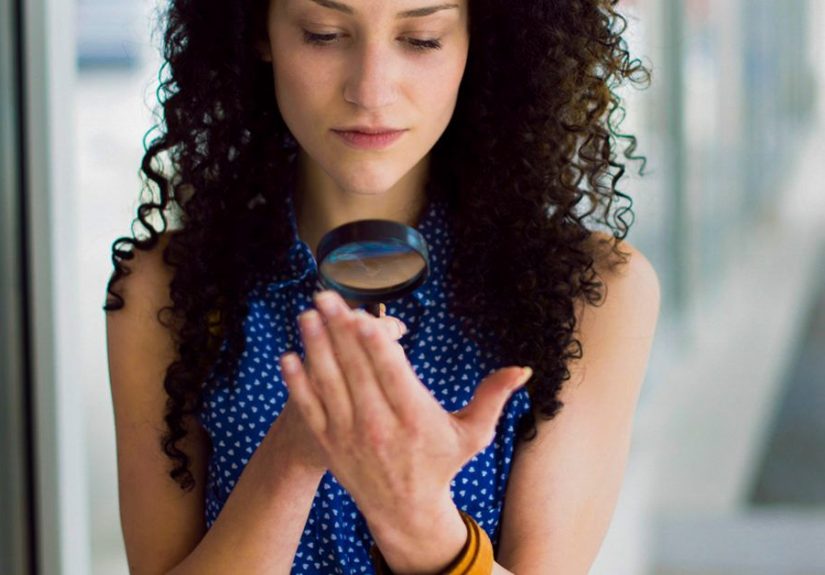
Before you label it “a pimple,” do a 20-second investigation (no magnifying glass required, but we support your
dedication). These clues help narrow down what you’re dealing with:
- Location: near the nail? side of the finger? fingertip pad? between fingers?
- What’s inside: clear fluid, thick yellow/white pus, blood, or a firm “seed-like” core?
- How it feels: itchy, burning/tingly, throbbing, or just mildly annoying?
- Timeline: appeared overnight, slowly growing for weeks, or keeps coming back in the same spot?
- Recent triggers: new soap/sanitizer, dishwashing marathons, manicures, gardening, gym grips, cold sores?
Now let’s meet the usual suspects.
Main Causes of a “Pimple” on Your Finger
1) Friction Blister or Blood Blister (The “New Tool, Who Dis?” Bump)
If your bump showed up after weightlifting, playing an instrument, rowing, using a screwdriver, or breaking in a new
hobby like “aggressive home improvement,” you may have a friction blister. These are fluid-filled bubbles caused by
repeated rubbing. A blood blister is similar, but small blood vessels get involvedthink of it as a blister with
extra drama.
Clues: clear or reddish fluid, tenderness, and a history of rubbing/pressure in that exact spot.
2) Dyshidrotic Eczema (Tiny Itchy Blisters on the Sides of Fingers)
Dyshidrotic eczema (also called dyshidrosis) can cause clusters of tiny, intensely itchy blisters, often on the sides
of fingers, between fingers, and on palms. Stress, moisture, irritants, and allergies can trigger flaresso yes, your
hands can be “stressed” in the most literal way.
Clues: very itchy “tapioca-like” blisters, peeling or cracked skin afterward, flares that come and go.
3) Irritant or Allergic Contact Dermatitis (Your Soap Might Be the Villain)
Contact dermatitis happens when your skin reacts to something it touches. Irritant contact dermatitis is more “your
skin is over it” (frequent handwashing, sanitizers, cleaning products). Allergic contact dermatitis is “your immune
system has opinions” (nickel, fragrances, preservatives, latex, certain plants).
Clues: redness, itching, burning, dry cracked skin, or blisters after exposure to a product or material.
Often shows up where the trigger toucheslike under rings, gloves, or along the finger that holds your phone.
4) Wart (HPV’s Little Uninvited Guest)
Common warts on fingers are caused by certain types of human papillomavirus (HPV). They can look like rough,
thickened bumps and may have tiny dark dots (clotted capillaries). Warts can spread by picking, biting nails, or
shaving/scraping the area.
Clues: rough surface, slow growth over weeks, not usually “pus-filled,” sometimes tender if pressed.
5) Paronychia (Infection Around the Nail)
If the “pimple” is near the cuticle or nail fold, paronychia is a top contender. This is an infection of the skin
around the nail, often after a hangnail, nail biting, trimming cuticles, manicures, or frequent wet work. It can be
bacterial (quick and painful) or sometimes fungal/irritant-related (more chronic).
Clues: redness and swelling around the nail, throbbing pain, and sometimes a pocket of pus.
6) Felon (Deep Fingertip Pad InfectionNot Cute, Not Minor)
A felon is a bacterial infection in the fleshy pad of the fingertip. It often starts after a small puncture,
splinter, or cut. This can form an abscess and cause intense throbbing pain. This one isn’t a “wait-and-see” moment.
Clues: severe throbbing pain, swelling and redness in the fingertip pad (not just the surface), warmth,
sometimes a pus pocket.
7) Herpetic Whitlow (HSV Infection of the Finger)
Herpetic whitlow is a painful finger infection caused by herpes simplex virus (HSV). It can happen when HSV enters
through broken skin, sometimes after contact with a cold sore or genital herpes. It often causes grouped blisters and
can come with burning/tingling before you even see much on the skin. The key issue: this can look like a bacterial
infection, but the management is differentand squeezing it can make things worse.
Clues: very painful cluster of blisters (often clear fluid), burning/tingling, swollen lymph nodes in
some cases, history of HSV exposure, and it tends to affect one finger.
8) Small Bacterial “Pustule” or Folliculitis (Yes, Sometimes It Really Is Pimple-ish)
While classic acne is less common on fingers, you can still get a pimple-like pustule from irritation or infection of
a hair follicle (especially on the back of the fingers/hand), minor cuts, or bacteria getting into a tiny break in
the skin.
Clues: a single tender bump with a small white head, often after shaving, friction, or a nick in the skin.
9) Insect Bite or Local Allergic Reaction (The “Why Is My Finger Itchy?” Plot)
A bite can swell into a puffy, itchy bump that looks pimple-likeespecially if you scratch it. Usually it improves
over a few days, but excessive swelling, spreading redness, or pus is a warning sign.
10) Cysts and Other Lumps (Not Pimples, But They Can Pretend)
A small cyst near a joint or the nail (like a mucous cyst) or a ganglion-type lump can look like a bump that “should”
popbut it won’t. These tend to feel firm, may change size, and can be linked to joint issues.
Clues: firm, smooth bump; minimal redness; lasts weeks to months; may fluctuate with activity.
Treatments: What to Do (and What Not to Do)
The #1 Rule: Don’t Pop Mystery Finger Bumps
Popping is tempting, but fingers are high-traffic, high-germ zones. If it’s a blister, you’re removing the skin’s
built-in bandage. If it’s herpetic whitlow, you can spread the virus. If it’s a deep infection, you may push bacteria
around instead of “getting it out.” Your finger deserves better.
Safe Home Care for Most Mild Cases
- Clean gently with mild soap and water. Pat dry.
- Protect it with a bandage if it’s rubbing or likely to break open.
- Warm compress (10–15 minutes, a few times daily) for tenderness or minor infection near the surface.
- Cold compress for itchy swelling (bites or allergic reactions).
- Avoid irritants (harsh soaps, fragranced products, cleaning chemicals) until it calms down.
Treatment by Likely Cause
Friction blister / blood blister
- Cover with a protective dressing (hydrocolloid blister bandages can help reduce friction).
- Try not to peel the roof of the blister; it protects against infection.
- If it breaks, wash gently, apply a thin layer of petrolatum, and cover with a clean bandage.
Dyshidrotic eczema
- Moisturize often with fragrance-free ointment or thick cream (especially after washing hands).
- Use trigger-smart habits: wear gloves for wet work, remove rings when washing, and dry hands thoroughly.
- OTC 1% hydrocortisone may help mild flares; more stubborn cases often need prescription topical steroids.
- If blisters are painful, widespread, or keep returning, a dermatologist can confirm the diagnosis and tailor treatment.
Contact dermatitis
- Identify and avoid the trigger (new soap, sanitizer, cleaning spray, metal, glove material, plant exposure).
- Cool, wet compresses can calm inflammation.
- OTC hydrocortisone can help mild rashes; more inflamed localized reactions may need prescription topical steroids.
- Switch to gentle, fragrance-free hand products and apply moisturizer after washing.
Wart
- OTC salicylic acid can work well when used consistently (follow label directions closely).
- Don’t pick, bite, or shave over the wartthis can spread it.
- If it’s painful, spreading, or stubborn, a dermatologist can treat it (e.g., cryotherapy/freezing).
Paronychia (nail fold infection)
- Soak in warm water a few times daily to ease pain and encourage drainage.
- Keep the area clean and dry between soaks.
- If there’s a visible pus pocket, worsening swelling, or no improvement in a day or two, medical care may be needed
(sometimes for drainage and/or antibiotics).
Felon (fingertip pad infection)
- Get evaluated promptlyfelons can form abscesses and may require antibiotics and/or drainage.
- In the meantime, elevate the hand and avoid squeezing.
Herpetic whitlow
- Do not pop or drain blisters.
- Keep it covered; avoid skin-to-skin contact with others using that finger (especially infants or immunocompromised people).
- Antiviral medication may shorten symptoms, especially if started earlycontact a clinician soon if you suspect this.
Insect bite or allergic bump
- Cold compress, OTC oral antihistamine if itchy, and OTC hydrocortisone for localized irritation.
- Watch for infection if scratching breaks the skin.
When to See a Doctor (AKA: When Your Finger Is Waving a Red Flag)
Seek medical care urgently (same day if possible) if you notice any of the following:
- Severe throbbing pain in the fingertip pad (possible felon).
- Rapidly spreading redness, warmth, swelling, or a red streak moving up the hand/arm.
- Fever or feeling unwell along with the finger bump.
- Pus, a large abscess, or worsening swelling around the nail.
- Grouped painful blisters with burning/tingling (possible herpetic whitlow).
- Numbness, trouble moving the finger, or intense swelling that feels “tight.”
- You have diabetes, poor circulation, immune suppression, or you’re prone to skin infections.
Prevention: Keep Your Fingers From “Breaking Out” Again
- Moisturize after washing to protect the skin barrier (especially if you wash hands frequently).
- Use gloves for wet work and cleaning (and take breaks so sweat doesn’t build up).
- Avoid cutting cuticles and stop the nail-biting/hangnail-picking spiral (your future self will thank you).
- Manage friction with tape, gloves, or grip adjustments for sports and tools.
- Don’t pick at warts and avoid biting nails to reduce spread.
- Cover cuts and remove splinters promptly to lower infection risk.
FAQs
Can you really get acne on your finger?
Sometimes you can get a pimple-like bump (like folliculitis) on the back of the finger where hair follicles exist.
But many “finger pimples” are actually blisters, eczema, warts, or infectionsespecially if they’re on the sides of
fingers or near the nail.
Should I put acne products on it?
If it truly looks like a tiny superficial pustule (and not a blister cluster or nail infection), a small amount of
OTC benzoyl peroxide may helpbut it can also irritate sensitive skin. If the bump is itchy, blistered, near the nail,
or very painful, skip acne meds and treat based on the more likely cause (or get it checked).
How long should a finger bump take to heal?
Many mild blisters and irritant rashes improve within days to two weeks. Warts often take weeks to months to resolve
even with treatment. Viral or deeper bacterial infections can take longer and may require prescription care.
Experiences: What People Commonly Go Through With Finger “Pimples” (And What They Learn)
The internet is full of “I have a pimple on my finger, am I turning into a lizard?” posts. You’re not aloneand most
of the time, the story follows a few classic patterns. Below are realistic, common scenarios people report, plus the
practical lesson that usually comes with them.
Experience #1: The Hand-Sanitizer Era Finger Rash
A lot of people notice a small cluster of bumps after a week of constant hand sanitizerthink travel days, school
drop-offs, or working in healthcare. At first it looks like a pimple or two, but then the skin starts feeling tight,
stingy, and itchy. The “pimples” don’t pop like acne; they either ooze clear fluid or dry out and peel.
The big takeaway: when your skin barrier gets over-washed and under-moisturized, it can react like contact dermatitis
or hand eczema. People often improve fastest when they switch to fragrance-free products, moisturize after every wash,
and reserve harsher soaps for truly necessary moments (not every time they touch a doorknob).
Experience #2: The Gym Blister That Got Mistaken for a Pimple
Someone starts deadlifts or pull-ups again and gets a tender bump on the side of the index finger. It looks like a
whitehead from a distance, so they poke it. The next day it’s angrier, bigger, and suddenly it hurts to type. In most
cases, it was a friction blister that lost its protective “roof.” Once people stop trying to drain it, cover it with
a blister bandage, and reduce friction for a few days, it calms down quickly. The lesson: blisters are basically
your skin’s emergency bubble wrap. Removing it early turns “annoying” into “why does my finger hate me?”
Experience #3: The Nail-Biter’s Paronychia Plot Twist
This one is common: a sore bump shows up right next to the nail after a hangnail, cuticle trimming, or nail biting.
It starts with mild tenderness and quickly becomes a throbbing, red, swollen corner of the nail fold. People often
describe it as “a pimple that hurts way too much.” Warm soaks help early on, but if a pus pocket forms, many learn the
hard way that squeezing doesn’t solve the problemit just spreads irritation and increases risk. The lesson:
treat nail folds gently, stop picking at cuticles, and get help if it’s worsening or forming an abscess.
Experience #4: The Wart That Pretended to Be a “Stubborn Pimple”
Some bumps don’t hurt much at allthey just refuse to go away. People often describe a wart as a “pimple that never
comes to a head.” It slowly becomes rougher and thicker, and sometimes the person notices tiny black dots. Many try
to clip it, file it aggressively, or pick at it during stressful Zoom calls (a classic multitask). Thensurprisenew
bumps appear nearby. The lesson: warts can spread with picking. Consistent OTC salicylic acid treatment (used exactly
as directed) or a dermatologist’s in-office treatments are usually more effective than the “I will out-stubborn this
virus with my fingernails” approach.
Experience #5: The Painful Blister Cluster That Wasn’t Bacterial
A smaller but important group of people experience intense finger pain firstburning or tinglingand then develop a
cluster of small blisters. Because it’s so painful, they assume it must be bacterial and try to lance it. When that
fails (and may worsen it), they learn it can be herpetic whitlow, which needs different handling. The lesson:
blister clusters plus significant pain and tingling deserve prompt medical advice. Keeping it covered and avoiding
draining reduces spread and complications, and early antivirals may shorten the course in some cases.
If there’s one shared theme in these experiences, it’s this: finger bumps are often less about “skincare” and more
about skin protection. Treat the cause, protect the area, and your finger usually gets back to its regular job:
helping you open snack bags that were clearly designed by someone who hates happiness.
Final Thoughts
A “pimple on your finger” is usually your skin sending a different kind of memofriction, irritation, eczema, a wart,
or an infection. The safest approach is to avoid popping, match treatment to the most likely cause, and watch for red
flags like severe throbbing pain, spreading redness, pus, fever, or grouped blisters. When in doubt (especially with
nail infections, fingertip pad pain, or very painful blisters), get it checked. Fingers are small, but the problems
they can host sometimes aren’t.