Table of Contents >> Show >> Hide
- 14) Moray Eel
- 13) Sea Urchin
- 12) Lionfish
- 11) Portuguese Man O’ War
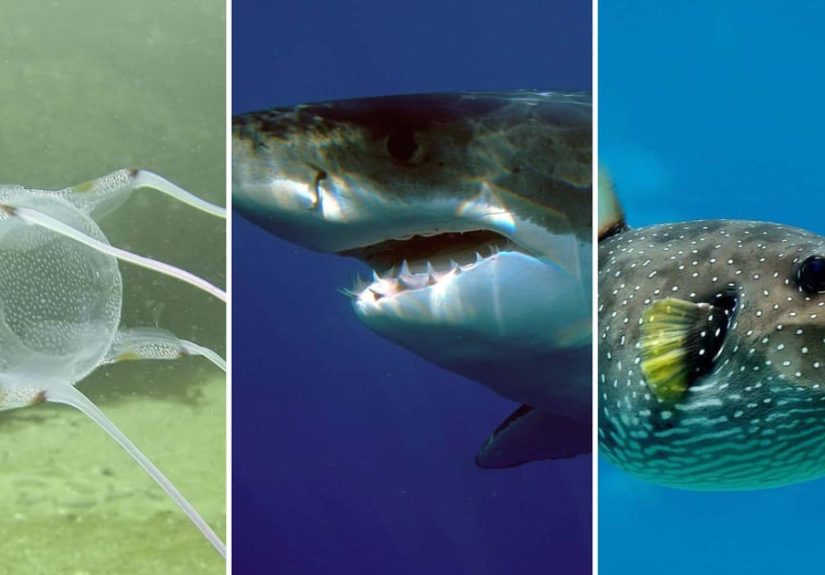
- 10) Pufferfish
- 9) Stingray
- 8) Sea Snake
- 7) Sharks (Bull, Tiger, and Great White)
- 6) Saltwater Crocodile
- 5) Stonefish
- 4) Cone Snail
- 3) Blue-Ringed Octopus
- 2) Irukandji Jellyfish
- 1) Box Jellyfish
- Quick Safety Rules That Work Almost Everywhere
- Experience-Based Add-On: What These Encounters Feel Like in Real Life (and What They Teach You)
- 1) The Stingray Shuffle Is Not a Dance, But It Will Save Your Day
- 2) Tide Pools Are Not Petting Zoos
- 3) “It Was Washed Up, So It Must Be Safe” Is a Trap
- 4) Reef Etiquette Prevents Both Stings and Ecosystem Damage
- 5) “I Didn’t Even Feel the Sting” Can Be the Scariest Sentence
- 6) The Ocean Doesn’t Owe You PredictabilitySo Plan Like It
- Conclusion
The ocean is basically a giant theme park with no safety rails, no posted hours, and a customer service desk that consists of… more ocean.
Most marine animals don’t want to hurt you. They want to not be stepped on, grabbed, poked, or accidentally worn as a hat by a curious toddler.
Still, some sea creatures come equipped with venom, teeth, spines, or “I can drag you off a shoreline” energy.
To rank the most dangerous sea animals, I used a practical “danger formula”:
how bad the injury can be (severity) + how likely you are to run into it (encounter rate) + how quickly things can escalate (time-to-trouble).
That’s why a tiny jellyfish can outrank a movie-star shark. Hollywood, please sit down.
14) Moray Eel
Why it’s dangerous
Moray eels aren’t sea monsters so much as “defensive bite tubes with commitment issues.” They usually strike when people get too close,
try to feed them, or shove hands into crevices like they’re playing an underwater prize game. Their bites can be deep, jagged, and prone to infection.
How to not become a cautionary tale
Don’t hand-feed eels. Don’t corner them. Keep your fingers out of holes unless you’re prepared to donate them to science (and regret).
If bitten, rinse, control bleeding, and get medical careespecially if the wound is deep.
13) Sea Urchin
Why it’s dangerous
Sea urchins win “Most Likely to Ruin Your Vacation Without Moving.” Step on one and you can end up with painful puncture wounds,
brittle spines that break off under the skin, and lingering inflammation. It’s less “instant doom,” more “weeks of angry toe drama.”
How to not become a cautionary tale
Wear water shoes around rocky shores and reefs. Watch where you put your feet and hands. If you get spined, remove what’s safely removable,
soak for pain relief as advised by medical professionals, and seek care for joint involvement, worsening redness, fever, or stubborn fragments.
12) Lionfish
Why it’s dangerous
Lionfish look like living art… until a spine introduces itself to your skin. Their venomous spines can cause intense pain, swelling,
and occasionally more serious systemic symptoms. Bonus problem: in many Atlantic and Caribbean areas, they’re invasive, so people run into them more.
How to not become a cautionary tale
Admire, don’t touch. If you’re diving, keep good buoyancy so you don’t “park” on a reef. If stung, hot-water immersion (not scalding) is commonly used for pain,
and medical evaluation is smartespecially for deep punctures or ongoing symptoms.
11) Portuguese Man O’ War
Why it’s dangerous
It’s not a jellyfishit’s a floating colony with tentacles that can deliver a spectacularly painful sting.
The “sail” can wash up looking harmless, but those tentacles can still sting on the beach.
Most stings aren’t life-threatening, but they can be miserable and sometimes require medical care.
How to not become a cautionary tale
Don’t touch the pretty balloon thing. If stung, follow reputable first-aid guidance: carefully remove tentacles (protect your hands),
avoid rubbing, and use heat-based pain control when advised. If someone has trouble breathing, chest pain, or widespread symptoms, treat it as urgent.
10) Pufferfish
Why it’s dangerous
Pufferfish are mainly dangerous when eatenbecause they can contain tetrodotoxin, a potent neurotoxin that can cause numbness,
paralysis, and respiratory failure. This is less a “swimming problem” and more a “don’t play amateur sushi chef with mystery fish” problem.
How to not become a cautionary tale
Only eat pufferfish from properly regulated sources and trained preparers. If poisoning is suspected, get emergency care immediately.
(And yes, “but I only had a little bite” is not a medical plan.)
9) Stingray
Why it’s dangerous
Stingrays don’t hunt humans; they defend themselves when stepped on or crowded in shallow water.
The injury is usually a puncture wound from a barbed spine, often with venom that drives severe pain and swelling.
Rarely, hits to the chest or abdomen can be catastrophicbut most cases are “painful, treatable, and preventable.”
How to not become a cautionary tale
Do the “stingray shuffle” in sandy shallows: slide your feet instead of stepping high. If stung, seek medical care for deep wounds,
uncontrolled bleeding, or severe pain; hot-water immersion is commonly used for pain control under guidance.
8) Sea Snake
Why it’s dangerous
Sea snakes have extremely potent venom, but bites to humans are uncommon. Many incidents happen when snakes are accidentally handled,
trapped in fishing nets, or mistaken for harmless “sea noodles.” In other words: the snake didn’t wake up plotting your downfall.
It woke up trying to exist and was interrupted.
How to not become a cautionary tale
Don’t handle sea snakesalive, stranded, or “probably fine.” Give them space and alert local authorities if one washes ashore in a public area.
Any suspected bite is a medical emergency.
7) Sharks (Bull, Tiger, and Great White)
Why it’s dangerous
Shark bites are rare, but when they happen, they can be severe due to blood loss and tissue damage. Among species implicated in unprovoked bites,
bull sharks, tiger sharks, and great whites are often discussed because they overlap with human recreation zones and have the hardware to do real harm.
Still: the average shark would rather eat a fish than become a headline.
How to not become a cautionary tale
Swim in groups, avoid dawn/dusk, stay away from fishing activity and murky water where visibility is poor, and don’t wear flashy jewelry
that looks like a wounded baitfish having a midlife crisis.
6) Saltwater Crocodile
Why it’s dangerous
The saltwater crocodile is the heavyweight champion of “coastal waters can still be crocodile waters.”
These animals can live in estuaries and along shorelines, and attacks can be fatal. This is less “oops I brushed a tentacle” and more
“do not enter the water in known croc habitat unless your bucket list includes ‘became a caution sign.’”
How to not become a cautionary tale
Follow local warnings. Don’t swim in areas posted for crocodile risk. Give wide berth to river mouths and mangroves in regions where saltwater crocs live.
And never assume “it’s the ocean, so it’s fine.” Crocodiles love a loophole.
5) Stonefish
Why it’s dangerous
Stonefish are masters of camouflage. The danger usually comes from stepping on one in shallow reefy areasthen receiving venom through dorsal spines.
Stings can cause extreme pain and systemic effects, and while fatalities are uncommon, it’s serious enough that antivenom exists in some regions.
How to not become a cautionary tale
Wear protective footwear in reef flats and rocky shallows. Don’t plant your bare feet where you can’t see.
If stung, seek urgent medical care; pain control and proper evaluation matter, and delays are not your friend here.
4) Cone Snail
Why it’s dangerous
Cone snails look like collectible seashells. Some species hunt using a harpoon-like tooth that injects venom capable of causing paralysis
and, in rare cases, death. The truly unfair part? The sting may not be dramatically painful at firstso people underestimate it.
“If it’s a cone, leave it alone” is catchy for a reason.
How to not become a cautionary tale
Don’t pick up live cone snails. Don’t handle unknown snails with a pretty pattern and a suspiciously pointy silhouette.
If stung, get emergency carerapid symptom progression is possible.
3) Blue-Ringed Octopus
Why it’s dangerous
Tiny. Beautiful. Alarmingly venomous. Blue-ringed octopuses can deliver tetrodotoxin, which can lead to rapid paralysis and respiratory failure.
The bite can be nearly painless, which is the ocean’s version of “surprise billing.”
There’s no home remedy for “my lungs stopped because the cute octopus objected to being handled.”
How to not become a cautionary tale
Don’t pick up octopuses from tide pools. Teach kids the “look, don’t touch” rule early.
If a bite is suspected and symptoms appear (numbness, weakness, trouble breathing), call emergency services immediately.
2) Irukandji Jellyfish
Why it’s dangerous
Irukandji syndrome is caused by stings from certain small box jellyfish species. The sting can be mild at firstthen symptoms ramp up:
severe pain, muscle cramping, sweating, high blood pressure, and potentially dangerous cardiac complications.
It’s the worst kind of plot twist: delayed, dramatic, and medically serious.
How to not become a cautionary tale
In known regions, follow local beach advisories, wear protective suits when appropriate, and treat suspected stings as urgent
especially if systemic symptoms begin. Medical observation can be important even if the initial sting seems minor.
1) Box Jellyfish
Why it’s dangerous
Box jellyfish are widely considered among the most dangerous marine animals to humans because their venom can be fast-acting and severe.
Some stings can be fatal within minutes, while others can cause life-threatening symptoms hours later.
They’re the reason “just a quick dip” can become an emergency if you’re in the wrong waters at the wrong time.
How to not become a cautionary tale
Prevention is king: heed seasonal warnings, use stinger suits where recommended, and avoid swimming in box-jellyfish areas when conditions
or advisories suggest higher risk. If stung, follow established first-aid guidance and seek emergency careespecially for breathing issues,
chest pain, or severe systemic symptoms.
Quick Safety Rules That Work Almost Everywhere
- Hands off. Most serious marine injuries start with “I wondered what it felt like.”
- Watch your footing. Shallows and reefs are where spines and stings happen.
- Respect local warnings. Lifeguards and posted signs are not vibes; they’re data.
- Don’t improvise medicine. If symptoms are severe or spreading, get professional care.
Experience-Based Add-On: What These Encounters Feel Like in Real Life (and What They Teach You)
Here’s the part nobody tells you in the glossy travel brochure: most “dangerous sea animal” moments are not cinematic.
They’re awkward, fast, and followed by someone saying, “Wait… are you okay?” in a voice that’s trying to sound calm and failing.
The good news is that many incidents share the same patternso you can learn the lesson without paying the tuition in pain.
1) The Stingray Shuffle Is Not a Dance, But It Will Save Your Day
If you’ve ever waded into warm, shallow water and felt that soft, sandy bottom, congratulations: you have entered stingray territory.
The “shuffle” looks silly until you realize it works because rays feel the vibration and move away. The classic story goes like this:
someone takes a confident step, yelps like they just discovered fire, and then tries to pretend it’s fine while their face negotiates with reality.
The real lesson: prevention beats bravado, and a slow shuffle is faster than a trip to urgent care.
2) Tide Pools Are Not Petting Zoos
Tide pools are magical: little worlds of anemones, crabs, and the occasional “what is that and why is it staring at me?”
They’re also where people get into trouble with small, venomous animalsespecially when they pick things up “just to look closer.”
The blue-ringed octopus problem is that it’s small enough to be handled and pretty enough to tempt you. The lesson: teach kids (and adults)
that tide-pool rules are museum ruleshands behind your back, eyes wide open.
3) “It Was Washed Up, So It Must Be Safe” Is a Trap
Beach cleanup days reveal the ocean’s weirdest souvenirs. They also reveal the Portuguese man o’ war: a bright, balloon-ish float that looks like
a party favor from Neptune. People pick it up. People regret it. Even dried tentacles can still sting. The lesson: if a beached creature is unfamiliar,
treat it like a hot panassume it can hurt you until you’re sure it can’t.
4) Reef Etiquette Prevents Both Stings and Ecosystem Damage
Divers and snorkelers often learn this the hard way: reefs are spiky, delicate, and full of animals that defend themselves.
A lionfish sting frequently happens when someone brushes a fin against a fish they didn’t see, or tries to “help” by moving something.
The lesson is simple and oddly philosophical: good buoyancy and personal space solve an impressive number of problems.
You stay safe, the reef stays intact, and nobody has to explain to their friends why their vacation photos include a swollen hand.
5) “I Didn’t Even Feel the Sting” Can Be the Scariest Sentence
Some of the most dangerous envenomations start quietly. Irukandji stings can feel mildthen the body-wide symptoms hit later.
Cone snail stings may not scream “emergency” in the first second. The lesson: don’t judge risk by immediate pain alone.
In areas known for these animals, take stings seriously, monitor symptoms, and get medical help early rather than trying to “tough it out.”
Tough is great for lifting groceries. It’s not a substitute for oxygen.
6) The Ocean Doesn’t Owe You PredictabilitySo Plan Like It
Sharks and saltwater crocodiles scare people because the stakes are high, even if the odds are low. Most close encounters end with nothing happening.
That’s not luck; it’s biologyhumans aren’t typical prey. The lesson is to reduce the tiny risk further: don’t swim alone, avoid low-light hours,
stay away from baitfish and fishing lines, and follow local wildlife guidance. You don’t need to fear the ocean, but you do need to respect it.
Respect looks like preparation, not panic.
Conclusion
The ocean’s “dangerous animals” list is really a list of mismatched expectations: we wade barefoot where spines hide, we touch what we shouldn’t,
we ignore local warnings, and we assume nature runs on our schedule. The fix isn’t fearit’s smart habits.
Give marine life space, watch your footing, and treat stings and bites with the seriousness they deserve. Then go enjoy the water responsibly,
with all your original limbs and a story that ends with dessert instead of antibiotics.