Table of Contents >> Show >> Hide
- What it is (and why it’s more than “just a ribbon”)
- Why linen trim is a power move
- Why “fresh yellow” works on more projects than you’d expect
- How to choose quality linen tape trim
- Prepping linen tape trim so it doesn’t “surprise” you later
- Sewing and attaching linen tape trim like you meant it
- Project ideas where fresh yellow linen trim steals the show
- Care and longevity: keep yellow bright and linen happy
- Troubleshooting: quick fixes for common trim drama
- FAQ
- Real-World Experiences With Fresh Yellow Handwoven Linen Tape Trim
- Conclusion
- SEO Tags
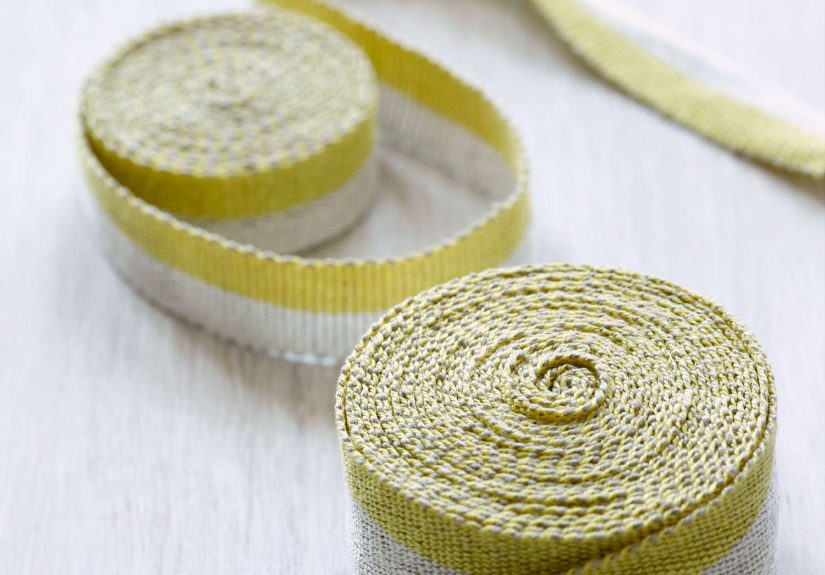
“Fresh yellow handwoven linen tape trim” sounds like something a boutique would whisper to your wallet. But it’s also one of the most useful little upgrades you can add to a sewing or home décor projectbecause it’s part finish, part structure, and part personality. Linen tape trim (think: linen twill tape, narrow linen ribbon, linen edging tape) is that tidy strip that can bind a raw edge, stabilize a seam, or turn a plain hem into a deliberate design choice. And when it’s handwoven and sunny yellow? Suddenly your “simple tote bag” has opinions.
What it is (and why it’s more than “just a ribbon”)
Linen tape trim is a narrow woven strip made from flax-based linen yarns. Unlike satin ribbon that’s mostly here to be shiny, linen tape is here to work. It can act like a quiet helper (reinforcing seams, forming casings, controlling stretch) or like a loud accessory (contrast edging, decorative banding, visible straps, statement ties).
Handwoven vs. factory-woven: what changes in real life
Factory-woven tapes tend to be extremely consistent: same width, same tension, same weave repeat. Handwoven linen tape can have slight charactertiny slubs, a softer “hand,” and subtle width variations that read as artisanal rather than imperfect. In practical terms, that means you’ll want to treat handwoven tape the way you treat linen fabric: prewash if the final item will be washed, press carefully, and test-stitch a small scrap so you know how it behaves under your machine.
Why linen trim is a power move
Linen is famously breathable, absorbent, and strong. As a trim, it has a few superpowers that cotton or polyester tapes don’t always match:
1) Structure without stiffness
Linen tape can add shapelike stabilizing a neckline, supporting a shoulder seam, or keeping a bag opening from collapsingwithout turning your project into cardboard. It’s strong, but it still flexes with the garment or item when you move.
2) A clean finish that plays well with fraying fabrics
Linen fabric can fray, and that’s not a moral failureit’s just an open weave doing open-weave things. Linen tape trim is an easy way to bind edges, cover seam allowances, and protect high-wear areas (think: apron ties, pillowcase openings, tote handles, or chair-pad edges).
3) It presses like a dream (if you let it)
Linen responds beautifully to pressing, which is why skilled sewists love it. A crisp press can make a simple edge look professionally finished. The trick is to press in stages: press the tape flat first, then press your fold lines, then press again after stitching so the whole edge “sets.”
Why “fresh yellow” works on more projects than you’d expect
Yellow trim is basically lighting equipment you can sew on. It brightens neutrals, warms cool palettes, and makes handmade pieces look intentional (instead of “I ran out of matching thread and panicked”). The key is choosing the right yellow family.
Pick your yellow: lemon, butter, marigold, or mustard
- Lemon / bright yellow: graphic contrast on black, navy, crisp white, and denim.
- Butter yellow: soft, vintage, perfect with cream, sage, dusty blue, and warm wood tones.
- Marigold: bold and earthy; pairs with terracotta, olive, chocolate, and brass.
- Mustard: a little retro; great with charcoal, teal, and oatmeal linen.
“Fresh yellow” usually means the color reads clear and sunny rather than dull or muddy. If your goal is a modern look, aim for a clean, bright yellow against calm fabrics like undyed linen, chambray, or solid cotton.
How to choose quality linen tape trim
Shopping for trim sounds easy until you realize there are about 400 things that call themselves “tape.” Here’s what actually matters for handwoven linen tape trim.
Width and thickness: match the job
- 1/4"–3/8": delicate edging, small loops, narrow ties, zipper pulls, subtle accent lines.
- 1/2"–3/4": binding napkins, garment edge finishes, apron ties, visible trim on collars/cuffs.
- 1"+: straps, bag handles, bold borders, upholstery-style binding, dramatic contrast bands.
Weave and edges: look for “behaves well under stitching”
A stable weave with tidy edges makes your life easier. If the tape is very open and fuzzy at the edges, it may fray faster unless it’s finished (folded, hemmed, zigzagged, or sealed with a compatible fabric finish). If you see a neat woven edge (often a selvedge-like finish), that’s a strong sign it will hold up well on projects that get washed or handled often.
Colorfastness: yellow deserves a quick test
Bright colors can be more sensitive to harsh washing or high heat. Before you commit, do a simple color test: dampen a small section of tape and rub it on a white scrap cloth. If you see noticeable transfer, plan to prewash and wash the final item gently (and avoid mixing with whites the first couple of washes).
Prepping linen tape trim so it doesn’t “surprise” you later
Linen is easy to sew, but it likes to shrink and it likes to fray. Translation: a little prep saves a lot of sighing later.
Prewash and preshrink (especially for washable projects)
If your finished item will be washedtea towels, aprons, pillowcases, kids’ clothes, summer shirtsprewash the linen tape the way you plan to wash the final piece. That keeps the trim and the base fabric from shrinking at different rates (the classic recipe for puckered edges and warped hems).
Pro tip: small trims love to tangle. Put the tape in a mesh laundry bag or loosely coil it and secure it with a few big basting stitches before washing. Let it dry, then press it flat before sewing.
Pressing: your secret weapon for crisp trim
Press the tape before you sew it, then press it again after stitching. If you need extra crispness (say, for sharp corners on a placemat), a light pressing aid can helpjust test first. Linen can scorch if you go too hot and too long in one spot, so keep the iron moving and press in short bursts.
Sewing and attaching linen tape trim like you meant it
Needles, thread, and stitch length
Linen tape is sturdy, so pair it with a sharp needle and a solid all-purpose thread. If your tape is thicker, a slightly longer stitch length can look cleaner and reduce perforation. Always test on scraps: a neat test strip tells you if the tape is tunneling, puckering, or fraying.
Method 1: Edge binding (the classic “clean finish”)
Use this for napkins, placemats, lightweight blankets, garment hems, and any edge that wants to look polished. Align tape to the edge, stitch close to the fold/edge, wrap, then topstitch from the front for a crisp finish. If your tape is single-layer (not pre-folded), you can fold it in half lengthwise as you sew, or press the fold first for maximum control.
Method 2: Decorative banding (visible trim as a design line)
For curtains, table runners, and simple dresses, a visible strip of yellow linen trim can create a tailored stripe effect. Measure carefully, pin or baste, and stitch parallel lines for a “professional” look. This is where handwoven texture shines: the tiny variations look intentional and elevated, especially on plain fabrics.
Method 3: Structural tape (stabilizing seams and openings)
Linen (and linen blends) can relax with wear, especially in areas under stress like shoulders, necklines, waist seams, and pocket openings. A narrow tape stitched inside the seam allowance adds stability without bulk. Think of it as invisible insurance.
Corners and curves: how to keep it smooth
Curves require flexibility. If your tape is stiff or thick, you may get ripples around curves. The fix is simple: ease it slowly, use more pins, and consider clipping the tape’s seam allowance (if folded) on tight curves. For outside corners (like placemats), mitered corners look cleanbut even a neatly folded corner with a tidy topstitch reads great when the trim color is confident.
Project ideas where fresh yellow linen trim steals the show
Apparel
- Summer linen shirt: yellow trim inside the placket or as a sleeve cuff accent.
- Simple shift dress: outline pockets or a neckline facing for a peek of color.
- Aprons: make ties and neck straps from the tape, or bind the apron edges for durability.
- Kids’ clothes: bright binding on armholes and necklines makes basics look custom (and helps hide wear).
Home décor
- Napkins and tea towels: bind edges in yellow for cheerful, washable kitchen textiles.
- Pillow covers: add a frame-like border near the edge for a tailored look.
- Curtains: a vertical trim stripe can make inexpensive panels look “designer.”
- Baskets and storage bins: reinforce handles or edges with tape for strength.
Crafts and gift-worthy details
- Reusable gift wrap (fabric furoshiki-style): add trim at the border for a finished look.
- Handmade journals: use tape as a spine accent or closure tie.
- Wedding and party décor: wrap jars, tie bundles, or create linen streamers that don’t look like plastic sadness.
Care and longevity: keep yellow bright and linen happy
Washing
Linen generally prefers gentle handling: cool or lukewarm water, mild detergent, and less agitation. If your trim is handwoven and dyed a vivid yellow, gentler is smarterespecially for the first few washes. Skip fabric softener; linen tends to soften over time on its own, and softeners can leave residue that dulls texture.
Drying
High heat can increase shrinkage and can be rough on bright dyes. Air drying or low-heat drying helps preserve both shape and color. If you want fewer wrinkles, remove items promptly and smooth them flat before drying.
Ironing and wrinkle strategy (without declaring war on linen)
Linen wrinkles. That’s not a defect; it’s linen doing linen. If you want crisp edges, press while the fabric is slightly damp or use steam. If you want the relaxed look, embrace the soft rumple and spend your saved ironing time doing something fun, like not ironing.
Troubleshooting: quick fixes for common trim drama
My trim is fraying
Finish the edge: a narrow zigzag, a serger edge, folding the tape’s raw edge under, or using a folded binding method. For high-friction areas (bag handles, ties), consider double-stitching.
My edge is puckering
Most puckering comes from mismatched shrinkage or tension. Prewash both base fabric and tape, press them flat, and reduce presser foot pressure if your machine allows. A slightly longer stitch can also help on thicker tape.
My yellow looks dull after washing
Overheating and harsh detergents can wear on bright colors. Use cooler water, skip softener, avoid over-drying, and keep yellow trims out of prolonged direct sun when possible.
FAQ
Is linen tape trim the same as bias tape?
Not necessarily. Bias tape is cut on the bias (diagonal) so it bends around curves easily. Linen tape trim is typically woven as a narrow strip on-grain, which makes it stable and strong. For tight curves, bias binding is usually easier; for structure, woven tape is the champ.
Can I dye linen tape trim to get the perfect fresh yellow?
Yeslinen takes dye well when prepared correctly. Many crafters use fiber-reactive dyes for plant fibers like linen, paired with the right fixative steps. Always follow dye instructions carefully and test on small samples to confirm your exact shade of yellow.
What’s the best use if I only have a few yards?
Use it where it counts: pocket edges, neckline facings, apron ties, a single border stripe on a pillow, or the handles on a small tote. A little yellow trim goes a long way.
Real-World Experiences With Fresh Yellow Handwoven Linen Tape Trim
Makers tend to learn the same lessons with linen tape trim, just in different rooms of the house. The first time someone uses bright yellow linen edging on napkins, the reaction is usually pure joy… followed by mild surprise when the tape relaxes a bit after washing. The fix becomes a routine: prewash, press, sew, press again. It’s not glamorous, but it’s the difference between “handmade heirloom” and “why is my napkin doing the wave.”
In garment projects, fresh yellow trim is often the gateway to confident details. People start with a hidden poplike yellow tape inside a collar stand or along a seam finishbecause it feels safe. Then they catch a glimpse while wearing it and realize: oh, that looks sharp. The next project gets bolder: yellow binding on armholes, a contrast hem facing, or ties that are meant to be seen. The common takeaway is that linen trim looks best when it’s treated like part of the design, not an afterthought you slap on at midnight.
Bag makers have their own love story with linen tape. Handwoven linen tape feels great in the hand and can make a simple tote feel elevatedespecially as handles or a top-edge binding. The experience most people report is that strong tape isn’t always “no-stretch” tape. On a heavy bag, natural fibers can ease slightly over time. The practical solution is smart construction: reinforce the handle attachment points, stitch a clean box-x, and if the bag is meant to carry serious weight, back the tape with a second layer or a sturdier internal support. The tape stays beautiful, and the bag stays honest.
Home décor projects teach a different lesson: yellow has opinions about lighting. In bright daylight, a lemon yellow trim can look crisp and modern; at night under warm bulbs, the same trim can read softer and more golden. People often discover this after finishing a pillow border or curtain stripe and then seeing it in evening light. The “fix” is usually not to change the trim, but to coordinate around it: repeat the yellow once elsewhere (a throw, a vase, a framed print) so it feels intentional in every lighting scenario.
And then there’s the great pressing debate. Some folks press linen trim like they’re ironing moneycarefully, patiently, and with purpose. Others try to speed-run it and end up with a slightly shiny spot or a faint scorch mark that will haunt them forever. The shared wisdom is simple: test your iron settings, use steam or a pressing cloth when needed, and let the fabric cool after pressing so the shape “sets.” Linen rewards patience in a way that feels almost suspiciously like life advice.
The most charming experience, though, is what happens after a few washes. Fresh yellow linen tape trim often gets better with age: it softens, it sits flatter, and it starts to look like it belongslike it’s always been part of the piece. That’s the quiet magic of linen: it doesn’t just decorate the project; it grows into it.
Conclusion
Fresh yellow handwoven linen tape trim is one of those small materials that can change how a project feels: cleaner edges, stronger seams, brighter design, and a more intentional “finished” look. Use it to bind, reinforce, or decoratethen treat it like linen (prewash, press, wash gently), and it will repay you with durability and style. If your project needs one detail that makes it look like you planned the whole thing on purpose, this is a very good place to start.