Table of Contents >> Show >> Hide
- What Exactly Are Wrought Iron Counter Stools?
- Why Choose Wrought Iron for Your Counter Stools?
- Getting the Height and Spacing Right
- Key Design Choices for Wrought Iron Counter Stools
- Styling Wrought Iron Counter Stools in Different Kitchens
- How to Care for Wrought Iron Counter Stools
- Buying Checklist for Wrought Iron Counter Stools
- Real-Life Experiences with Wrought Iron Counter Stools
- Final Thoughts
If your kitchen island is the social hub of your home, your counter stools are the VIP seating.
And when you want something tough, stylish, and low-maintenance, wrought iron counter stools
step up like the friend who always helps you move and never complains. They’re strong, chic,
and surprisingly versatile whether your home leans farmhouse cozy, modern minimal, or full-on industrial loft.
In this guide, we’ll walk through what makes wrought iron counter stools different from other options,
how to choose the right height and style, how to keep them looking great, and what real-life owners
love (and don’t love) about them. By the end, you’ll feel confident picking metal counter stools
that fit your kitchen, your lifestyle, and your budget.
What Exactly Are Wrought Iron Counter Stools?
Wrought iron is a type of metal known for being strong, workable, and durable. Unlike hollow, thin metal tubing,
wrought iron stools usually have solid or heavy-duty frames that feel substantial when you sit down. Many are
crafted with decorative scrolls, curves, or clean-lined frames that can lean traditional or modern, depending on
the design.
A wrought iron counter stool is specifically sized to pair with standard kitchen counters and islands,
not bar-height tables. That means:
- Most counter stools have seats around 24–26 inches high.
- They’re designed to sit under counters that are roughly 35–36 inches tall.
In other words: if you’re sitting at a typical kitchen island or counter, you want counter-height stools,
not bar-height ones. Wrought iron just describes the frame material the stool itself can be backless,
have a full back, arms, a wood seat, an upholstered seat, or even a swivel base.
Why Choose Wrought Iron for Your Counter Stools?
1. Serious Durability for Busy Kitchens
Metal counter stools in general and wrought iron in particular are known for being incredibly sturdy.
They resist warping, cracking, and most everyday wear and tear far better than many wood or plastic stools.
If your kitchen sees:
- Kids climbing on stools like mini gymnasts,
- Friends hanging out for game nights,
- Daily meals, coffee breaks, and laptop time,
wrought iron counter stools handle the traffic like pros. Many heavy-duty frames are built to support higher
weight capacities and last for years without wobbling or loosening.
2. Easy to Clean (Spills Happen, It’s Fine)
Kitchens are spill zones. One of the biggest advantages of metal stools is how easy they are to wipe down.
Most metal finishes just need a soft cloth and mild soapy water to keep them clean no special cleaners or
polishing rituals required.
For wrought iron specifically, cleaning is straightforward:
- Mix a little mild dish soap with warm water.
- Use a soft cloth or sponge to wipe the frame.
- Dry thoroughly to prevent water spots and surface rust.
That’s it. No drama. Just don’t let spills sit for days, and your stools will stay looking sharp.
3. Style Versatility: From Farmhouse to Industrial
Wrought iron counter stools come in a surprising range of looks. Retailers carry everything from ornate,
scroll-backed stools that feel European and traditional to simple black iron frames that pair perfectly
with minimalist or industrial kitchens.
Common style directions include:
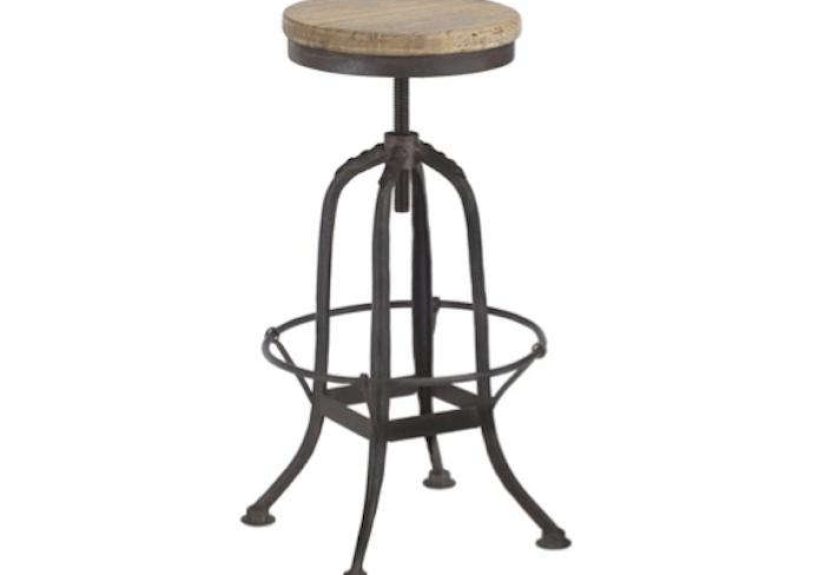
- Industrial: Black or dark metal frames, straight lines, maybe a distressed wood seat.
- Modern: Clean silhouettes, thin profiles, powder-coated finishes in black, white, or muted tones.
- Farmhouse or rustic: Curved backs, iron frames paired with warm wood seats or neutral upholstery.
- Outdoor-friendly: Rust-resistant coated frames that can handle a covered patio or outdoor kitchen.
4. When Wrought Iron Might Not Be the Best Choice
No material is perfect, even if wrought iron is close. A few trade-offs to know:
- Can feel firm or cold if the seat is solid metal and you don’t add cushions.
- Heavier to move than lightweight wood or plastic stools.
- Possible noise when metal legs scrape on hard floors (easily fixed with felt pads).
If you love the look of wrought iron but want extra comfort, choose stools with padded or upholstered seats,
or add cushions that tie on securely.
Getting the Height and Spacing Right
Even the most beautiful wrought iron counter stool will feel wrong if the height is off. Luckily,
there are simple rules to follow.
Counter Stool vs. Bar Stool
Here’s the quick breakdown:
- Counter stools: Seat height around 24–26 inches, made for 35–36 inch-tall counters.
- Bar stools: Seat height around 29–32 inches, made for 40–42 inch-tall bar tops.
Most kitchen islands in American homes are counter height, so in many cases you want counter-height wrought
iron stools, not bar-height ones. Measure your surface before you buy eyeballing is how knees end up smashed
under countertops.
Legroom: The 10–13 Inch Rule
Designers often recommend leaving 10–13 inches between the top of the seat and the underside of
the counter or table for comfortable legroom. If your counter is 36 inches high,
a 24–26 inch seat height usually hits that sweet spot.
Stool Spacing: Avoid the Elbow Wars
For comfortable spacing:
- Allow about 24 inches per person for armless stools.
- Increase to around 30 inches per stool if they have arms.
- Another guideline: 25–30 inches from the center of one stool to the center of the next.
This helps you avoid the “We’re touching shoulders and I’m not that close to you” problem at family gatherings.
Key Design Choices for Wrought Iron Counter Stools
Backless vs. With a Back
Backless wrought iron counter stools are sleek, minimal, and tuck away completely under the counter.
They’re great for smaller kitchens where you want less visual clutter. The trade-off? They’re not ideal for long
sitting sessions.
Stools with backs provide more support and feel more like “real chairs.” If you work on your laptop
at the island or your family tends to linger after meals, a supportive back is worth the extra visual and physical space.
Swivel vs. Stationary
Swivel wrought iron counter stools add a little fun and a lot of functionality. They:
- Make it easier to get in and out without dragging the stool around.
- Encourage conversation around islands or peninsulas.
Stationary stools, on the other hand, tend to be slightly simpler and can feel more stable for some people.
If you have kids who treat anything that swivels like a carnival ride, stationary might save your sanity.
Arms or No Arms?
Stools with arms offer more support, especially for older adults or anyone who appreciates a little
extra help when sitting down and standing up. But they take up more room and require wider spacing.
Armless stools are easier to tuck in, look cleaner in a row, and typically let more people sit at a
smaller island. They’re the go-to for many family kitchens.
Seat Material: Metal, Wood, or Upholstered?
Wrought iron counter stools don’t have to mean all-metal everything. Common combinations include:
- All metal seat: Ultra durable, easy to clean, but can feel firm and cool to the touch.
- Wood seat on iron frame: Warmer look, great for farmhouse or rustic styles.
- Upholstered seat: Most comfortable, visually softer, but requires more care to keep clean.
If your kitchen is busy and you worry about spills, choose performance fabrics or wipeable faux leather on
upholstered seats, or stick to wood and add washable cushions.
Styling Wrought Iron Counter Stools in Different Kitchens
Modern Black-and-White Kitchen
In a crisp, modern kitchen with white cabinets and a black island, matte black wrought iron counter stools tie
the palette together beautifully. Look for slim, streamlined frames and simple backs. Upholstered seats in
light gray or taupe keep things from feeling too stark and add comfort.
Warm Farmhouse or Cottage Kitchen
For a softer farmhouse look, choose wrought iron stools with gentle curves and a wood seat or upholstered top.
A medium wood tone warms up white or cream cabinets and plays nicely with rustic beams, open shelving, or shiplap.
Add a textured cushion in a subtle pattern for a cozy, lived-in vibe.
Industrial Loft or Urban Apartment
In an open-plan loft, iron counter stools with exposed welds, rivets, and reclaimed wood seats feel right at home.
Lean into dark finishes, simple silhouettes, and durable materials. These stools can double as extra seating when
friends gather around for a casual meal or a game night.
Outdoor or Indoor–Outdoor Kitchen
If you’re using wrought iron counter stools in a covered outdoor kitchen or on a patio bar, look for rust-resistant
finishes and frames made for outdoor use. A weather-resistant cushion can make them more comfortable for long
evenings outside, while a powder-coated finish helps protect against moisture and sun.
How to Care for Wrought Iron Counter Stools
The good news: maintaining wrought iron counter stools is simple, and a little regular care keeps them looking
new for years.
Routine Cleaning
- Wipe frames with a soft cloth and mild soapy water.
- Rinse or wipe with clean water to remove residue.
- Dry thoroughly with a towel to prevent water spots or surface rust.
Avoid harsh chemicals, bleach, or abrasive scouring pads they can damage finishes and make metal more
vulnerable over time.
Rust Prevention and Touch-Ups
Indoors, rust is less likely, but it can still show up if moisture sits on the frame or a finish gets chipped.
If you see a small spot:
- Lightly sand the area with fine-grit sandpaper.
- Wipe away dust.
- Apply a matching touch-up paint or clear sealer, following manufacturer recommendations.
For stools in humid climates or near windows and doors, regular drying and occasional inspection helps keep
them in great shape.
Protecting Your Floors
Metal legs on hardwood or tile can be… loud. And scratchy. Stick felt pads or rubber caps on the base of each
leg to prevent scrapes and reduce noise. Replace them when they wear down it’s a cheap fix that protects
much more expensive flooring.
Buying Checklist for Wrought Iron Counter Stools
Before you click “add to cart,” run through this quick checklist:
- Measure counter height and confirm you’re buying counter-height (not bar-height) stools.
- Check seat height for that 10–13 inch legroom sweet spot.
- Count your seating and make sure you have enough space per stool (24–30 inches each).
- Decide on comfort level backless or backed, with or without arms, padded or firm seat.
- Consider weight and mobility if you move stools often or have kids and older adults using them.
- Look at finishes that coordinate with cabinet hardware, lighting, and other metal accents.
- Check care instructions for any special finish or upholstery requirements.
Real-Life Experiences with Wrought Iron Counter Stools
What does living with wrought iron counter stools actually feel like day-to-day? Let’s walk through a few
real-world scenarios and “lessons learned” that many homeowners encounter.
The Busy Family Kitchen
Picture a household where the kitchen island is everyone’s favorite place: breakfast at 7 a.m., after-school
snacks at 3 p.m., homework at 6 p.m., and late-night cereal runs at 10 p.m. In this kind of space,
wrought iron counter stools really shine.
Parents often appreciate that metal counter stools don’t show wear the way softer materials do. Kids can
climb up, spin around (on swivel models), and drop backpacks against the frames without leaving dents.
Spilled juice, milk, and pasta sauce wipe off quickly which means fewer “why did we ever buy upholstered
dining chairs?” moments.
One thing many families do add after a while is seat cushions. While bare metal or wood seats are easy to
clean, they can feel a bit firm after a long homework session. Tie-on cushions with removable covers
strike a good balance: they soften the seat and can be tossed in the wash when life happens.
The Small Apartment or Condo
In a smaller apartment, the kitchen island or peninsula often doubles as both a dining table and a workspace.
Backless wrought iron counter stools are especially popular here because they tuck in completely under the
counter and visually “disappear” when not in use. That openness can make a tight layout feel larger and less crowded.
Residents in compact spaces typically focus on three things:
- Footprint: Slim frames that don’t stick out into walkways.
- Weight: Stools that are sturdy but light enough to move around easily.
- Noise: Felt pads or quiet glides to keep peace with downstairs neighbors.
For many city dwellers, wrought iron counter stools become the spot for everything: morning coffee, late-night
emails, takeout dinners, and video calls. The key is choosing a design that’s comfortable enough for multi-hour
use but doesn’t visually overpower a smaller kitchen.
The Entertainer’s Open-Concept Space
If you love hosting friends and family, your counter stools become part of your social setup. Guests gravitate
toward the island while someone cooks, mixes drinks, or puts out appetizers. In these homes, people often select
wrought iron counter stools with backs and maybe even arms, because guests linger and it’s hard to be charming
when your back is screaming.
Many hosts also think about sightlines: they want the stools to look good from the living room, dining area,
and kitchen. Coordinating metal finishes with pendant lights, cabinet hardware, or a nearby bar cart can make
the whole space feel cohesive. This is where wrought iron really earns its keep it can read modern, classic,
or rustic depending on the design, so it’s easy to tie into existing decor.
Outdoor and Indoor–Outdoor Living
For homes with a covered outdoor bar or an indoor–outdoor kitchen setup, wrought iron counter stools
designed for outdoor use offer a big advantage: they’re tough. When chosen with a proper weather-resistant
finish, they handle splashes from the pool, humidity, and the occasional wind-blown rain much better than
many indoor-only materials.
Owners in these spaces usually learn two key tricks:
- Use outdoor-rated cushions and fabrics that can handle sun and occasional moisture.
- Give stools a quick wipe-down periodically to remove dust, pollen, and moisture so rust doesn’t get a foothold.
Done right, wrought iron counter stools can bridge inside and outside beautifully a row at the indoor island
and a matching or coordinating set outside helps the entire living area feel connected.
Common “Wish I’d Known That Earlier” Moments
People who’ve lived with metal and wrought iron counter stools for a while often share a few friendly warnings:
- Measure twice, order once. Getting bar stools instead of counter stools is a very common mistake.
- Test comfort if you can. If you’ll work from your island, prioritize back support and seat comfort.
- Don’t skip floor protection. A handful of inexpensive felt pads can save a lot of money in refinishing costs.
- Think about contrast. In all-black kitchens, all-black stools can vanish or look flat; a wood seat or lighter cushion adds dimension.
The bottom line from real-life users: well-chosen wrought iron counter stools feel like a long-term investment.
They stand up to everyday use, look good across changing trends, and adapt to different life phases from young
single life to kid-chaos years to empty-nest entertaining.
Final Thoughts
Wrought iron counter stools offer a winning combination of durability, easy care, and flexible style. Whether
your home is sleek and modern, warm and rustic, or somewhere in between, there’s a design that will work with
your counters, your decor, and your daily routine.
Focus on getting the basics right height, spacing, comfort, and finish and your stools will feel like they
were made for your kitchen. Add cushions or upholstery where you need extra comfort, protect your floors, and
do simple cleaning regularly. Do that, and your wrought iron counter stools will serve as reliable, stylish
seats for everything from quick breakfasts to big celebrations.