Table of Contents >> Show >> Hide
- From Simple Pumpkins to Full-On Pop Culture Icons
- How I Turn Fruits and Veggies into Pop Culture Characters
- My Favorite Pop Culture Carvings (So Far)
- Why Temporary Art Still Matters
- Try It Yourself: Beginner-Friendly Pop Culture Carving Ideas
- Behind the Scenes: My Fruit and Veggie Carving Journey (Bonus Experience Section)
- Conclusion: Pop Culture, Carved in Vitamin C
Some people collect Funko Pops. I collect… produce shavings. While most folks see a watermelon as dessert and a pumpkin as a latte flavor, I see them as blank canvases begging to be turned into superheroes, cartoon villains, and galaxy-saving robots.
I make fruit and vegetable carvings inspired by pop culture, which basically means my fridge looks like Comic-Con crashed into a farmer’s market.
From pumpkins that grin like movie monsters to avocados sculpted into eerie faces and watermelons transformed into movie robots, I love the challenge of turning everyday ingredients into recognizable characters. The twist? My art is gloriously temporary.
It gets sliced, photographed, admired, and thenpoofeaten or composted. That’s part of the fun: like a limited-time episode you had to be there to see.
From Simple Pumpkins to Full-On Pop Culture Icons
Fruit and vegetable carving has been around for centuries. Traditional forms of the craft evolved in places like Japan, where chefs practiced mukimono, the art of decorative garnishes, and in Thailand, where elaborate carvings decorated royal banquets.
Today, the tradition has gone wonderfully off-script. Instead of just flowers and swirls, artists and food lovers carve everything from movie characters to video game heroes into pumpkins, watermelons, root vegetables, and even avocados.
I fell in love with this art form after seeing insanely detailed pumpkin and watermelon sculptures onlinethink creepy 3D Halloween faces, lifelike portraits, and pop culture scenes carved in glowing orange and deep red.
It blew my mind that something as humble as a potato could be sculpted into a tiny wizard or a grumpy sci-fi villain. It didn’t take long before I picked up a carving knife and sacrificed my first unsuspecting cantaloupe.
Why Food Makes the Perfect (and Delicious) Canvas
Fruit and vegetables might sound like unusual art supplies, but they’re secretly perfect for sculpting:
- Color variety: Pumpkins, watermelons, avocados, purple cabbages, carrots, and beets give you a full palette without a single drop of paint.
- Texture and layers: The pale inner flesh and darker outer skin let you “shade” and create depth, especially in watermelons and pumpkins.
- Accessibility: You don’t need a giant studio or expensive materialsjust a cutting board, a few tools, and something from the produce aisle.
- Built-in drama: The fact that the piece will eventually wilt or rot adds a bittersweet, theatrical element. You carve, you photograph, you enjoy…and then nature takes over.
As an artist, I love that last part. The short life of each carving keeps the process fresh. I’m not building a dusty museum of past workI’m sharing little edible visitors that stop by, wow everyone for a bit, and then move on.
How I Turn Fruits and Veggies into Pop Culture Characters
Choosing the Right Produce for the Right Character
The secret to carving recognizable pop culture figures is matching the character to the right fruit or vegetable. Before I even pick up a knife, I play matchmaker:
- Watermelons are perfect for anything big, bold, or slightly roundrobots, space helmets, cartoon mascots, or that inflatable healthcare companion from a famous animated movie.
- Pumpkins work brilliantly for horror icons, fantasy villains, or dramatic portraits. Their thick walls and glowing interiors turn every carving into a built-in spotlight.
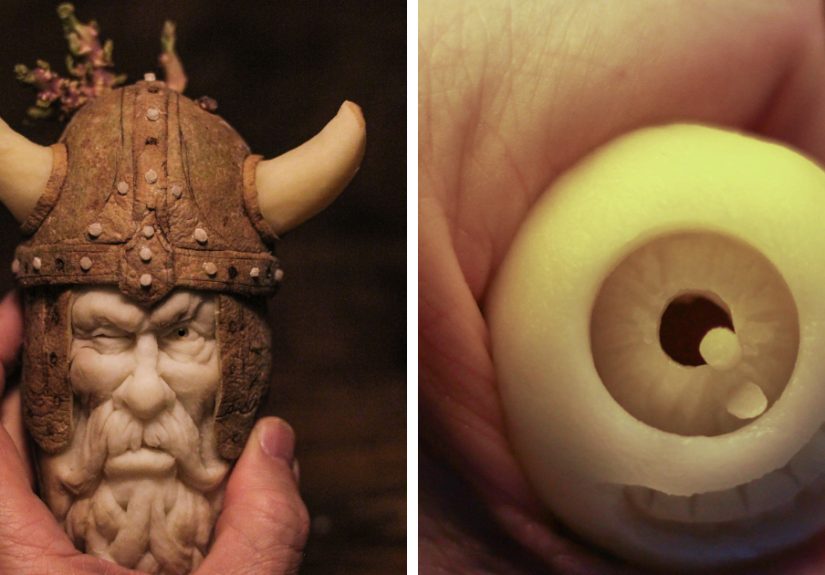
- Avocados lend themselves beautifully to smaller, intense facescreepy Halloween designs, goblins, or stylized skulls. The contrast between dark skin and pale flesh really pops.
- Root vegetables like carrots and potatoes are ideal for side characters, accessories, or tiny propswands, noses, or mini sidekicks.
Some designs almost pick their own produce. If I’m carving a character known for a huge grin, I’ll choose a watermelon with a nice wide surface. If I’m going for something eerie and shadowy, I’m probably reaching for a pumpkin and planning for dramatic lighting.
Tools of the Trade (That You Probably Already Own)
You don’t need a professional studio or a suitcase full of knives to start fruit and vegetable carvingjust a few reliable tools:
- Small, sharp paring knife: Your MVP. It’s great for outlines, small cuts, and general shaping.
- Carving or utility knives: Thin blades help create delicate lines for facial features and fine details.
- Melon baller and spoons: Perfect for hollowing pumpkins or scooping out sections for eyes and mouths.
- Peelers and zesters: Great for shaving thin layers of skin to reveal lighter flesh underneath for shading.
- Toothpicks and skewers: Your secret weapon for attaching small pieces or reinforcing fragile parts like ears, hats, or accessories.
Above all, I treat my tools with respect. Keeping blades sharp and working slowly reduces the risk of slipsand makes the carving smoother and more precise.
From Sketch to Snackable Sculpture: My Basic Process
Every carving is different, but my process usually follows the same rhythm:
- Pick a character: I choose a pop culture figure with strong, instantly recognizable featuresbig eyes, iconic hair, or a distinctive mask.
- Study the reference: I look at photos and simplify the character into basic shapes: circles for eyes, triangles for noses, simple lines for brows and cheekbones.
- Lightly sketch or score: Using a toothpick or the tip of a knife, I mark the main features on the fruit or vegetable, just like a pencil sketch.
- Block in the shapes: I start with larger areas firsteye sockets, mouth, and overall face shapebefore worrying about tiny lines.
- Add depth and texture: I carve different layers: cutting all the way through in some spots, shaving off just the skin in others. This creates highlights and shadows without any paint.
- Refine and clean: I smooth rough edges, sharpen lines, and clean away stray bits of pulp or peel for a crisp final look.
- Photograph fast: Because produce can dry out or oxidize quickly, I take photos soon after finishing, often under soft, diffused light.
It’s a mix of sculpture, drawing, and kitchen chaosbut once you see a familiar character staring back at you from a melon, it’s totally worth it.
My Favorite Pop Culture Carvings (So Far)
Spooky Season: Pumpkins, Villains, and Movie Monsters
Halloween is my Super Bowl. I’ve carved pumpkins into grimacing horror icons, detailed skulls, and famous movie villains with exaggerated features and ominous lighting.
Pumpkins are perfect for thiscarve deep enough and the candlelight behind the face creates dramatic shadows that even the best ring light can’t match.
One of my favorite pieces was a gnarly, deeply wrinkled villain whose eyebrows practically leapt off the pumpkin. I played with different carving depths so parts of his face glowed brighter than others, creating a 3D effect.
When the lights were turned off, the whole thing looked like it might start talking.
Heroes, Wizards, and Animated Legends
Of course, it’s not all doom and gloom. I’ve carved heroic characters toomasked vigilantes, beloved space wizards, and animated fan favorites.
Round shapes translate especially well: helmets, robot heads, and cartoon faces all fit naturally on a watermelon or cantaloupe.
I love capturing those small details that make a character instantly recognizable: the curve of a smile, the tilt of an eyebrow, or a specific eye shape. Even kids who walk past my table can often point and say,
“Hey, that looks like that guy from my favorite movie!” That reaction will never get old.
Making Healthy Food Fun for Kids
Another thing I adore about pop culture carvings is how effective they are at getting kids excited about fruits and vegetables.
When a picky eater sees their favorite character sculpted into a watermelon or built from carrot and cucumber shapes, suddenly that “boring snack” becomes an event.
I’ve done simple character platters for children’s partieshappy faces made of berries, caped heroes built from slices of apple and kiwi, and veggie animals standing guard over hummus.
Parents love that it encourages healthy eating, and kids love that their snack is Instagram-worthy before it’s gone.
Why Temporary Art Still Matters
Some people ask if it’s frustrating to spend hours carving a detailed face into a pumpkin or watermelon, only to have it collapse a few days later. Honestly? Not really.
Fruit and vegetable carvings are like live performances. You experience them in a momentthen they fade. That’s part of what makes them special.
The photos last, the memory lasts, and the skills carry into the next piece. But each individual carving is a one-of-a-kind guest, visiting just long enough to make an impression.
There’s also something refreshingly low-pressure about knowing that the art won’t last forever. I don’t have to obsess over perfection.
I get to experiment, try weird ideas, and occasionally fail spectacularlyusually involving a watermelon that cracked right across a character’s nose.
Try It Yourself: Beginner-Friendly Pop Culture Carving Ideas
Easy Characters You Can Make in Under an Hour
If you want to try fruit and vegetable carvings inspired by pop culture but don’t know where to start, here are a few beginner-friendly ideas:
- Banana “minions”: Draw or lightly scrape simple expressions onto bananas, add small details with edible markers, and arrange them in groups. They’re silly, fun, and perfect for parties.
- Simple superhero emblems: Use watermelon or cantaloupe to carve basic logosno full face required. Just cut away the rind to reveal lighter flesh in the shape of an emblem.
- Classic pumpkin faces with a twist: Start with a basic jack-o’-lantern, then add pop culture flairgive it a wizard hat, a superhero mask, or stylized hair.
- Veggie creatures: Combine cherry tomatoes, cucumber slices, olives, and carrots to build little “characters” on skewers. No advanced carving skills needed.
Remember, the goal isn’t to create museum-level sculpture on day one. It’s to play with your food (for once, you’re allowed) and see what your hands and imagination can do together.
Safety Tips So You Keep All Your Fingers
Before you channel your inner food sculptor, a quick word about safety:
- Work on a stable cutting board that doesn’t slide around.
- Keep your hands and tools dry so your knife doesn’t slip.
- Always cut away from your body, never toward your fingers.
- Use sharp knivesdull ones can skid and cause more accidents.
- If kids are involved, give them blunt tools, soft fruits, and jobs like decorating or arranging pieces instead of the actual carving.
Fruit and vegetable carvings are supposed to be fun, not a trip to urgent care. Take it slow, respect the tools, and you’ll be able to admire your work with all ten fingers intact.
Behind the Scenes: My Fruit and Veggie Carving Journey (Bonus Experience Section)
When I carved my very first pop culture character into a watermelon, I had absolutely no idea what I was doing. I printed a reference photo, taped it to the fridge, and stared at it like it was going to explain itself.
Spoiler: it didn’t. I hacked away at that poor melon for an hour, gave my character a completely lopsided eye, and accidentally sliced off half of their “hair.” But when I lit it from below and stepped back, I could finally see itmy very first, slightly cursed, but definitely recognizable pop culture carving.
That small victory hooked me. I started practicing on whatever I had on hand: potatoes, carrots, apples that were one day away from being applesauce.
Instead of throwing produce out when it got a little old, I used it for experiments. I learned how different fruits behave: watermelons are forgiving but messy, pumpkins reward patience, and avocados give you just enough time to carve before they start turning brown and dramatic.
Over time, I developed little rituals. I always put on a soundtrack that matches the character I’m carvingepic scores for heroes, eerie music for villains, cheerful pop for animated characters.
I clear the table, line up my tools, and mentally walk through the design before I ever touch the knife to the surface. Some pieces take less than an hour; others stretch into multi-evening projects as I slowly refine the details of a face or costume.
One of my most memorable experiences was carving a set of characters for a themed party. The host asked for an entire snack table inspired by a beloved sci-fi franchise.
I carved a heroic leader into a watermelon, a wise mentor into a pumpkin, and a tiny sidekick out of potatoes and carrots. When guests walked in and recognized each character instantly, they pulled out their phones and started taking pictures before they even grabbed a plate.
That momenta room full of people laughing, pointing, and asking, “Wait, is that really carved from a melon?”made all the late-night carving sessions completely worth it.
Not every carving is a masterpiece. I’ve had watermelons crack right down the middle at the last second, pumpkins that refused to cooperate, and avocados that went from “perfect” to “overripe” in the time it took me to find my favorite knife.
But the failures teach me as much as the successes. I’ve learned how to support fragile areas with toothpicks, which parts of a pumpkin wall can be carved thin without collapsing, and how to shade by removing just the skin versus carving deeper into the flesh.
These days, I think of my kitchen as a tiny, edible pop culture studio. I sketch new ideas in a notebook, jot down notes on which fruits worked best for which characters, and save photo references for future projects.
I also share my carvings online, where people from all over the world comment, ask questions, and occasionally challenge me to carve their favorite obscure character.
It’s become a community, not just a solo hobbyand every time I pick up a piece of fruit, I know I’m about to create something that will make someone smile, even if it only lasts a few days.
Ultimately, my fruit and vegetable carvings are about joy: the joy of recognizing a beloved character in an unexpected place, the joy of transforming everyday food into something magical, and the joy of knowing that even temporary art can leave a lasting impression.
As long as there are fresh fruits, sharp knives, and new stories being told in movies, games, and shows, I’ll keep carving little edible tributes to the pop culture worlds we love.
Conclusion: Pop Culture, Carved in Vitamin C
Carving fruit and vegetables inspired by pop culture is part art, part fan tribute, and part kitchen chaosand I love every second of it.
It blends creativity with craftsmanship, nostalgia with nutrition, and fandom with food. Whether I’m sculpting a villainous pumpkin, a heroic watermelon, or a tiny sidekick out of root vegetables, I’m really doing the same thing: celebrating the stories and characters that stick with us.
The next time you pick up a piece of fruit, try looking at it differently. Maybe that orange is secretly a cartoon character. Maybe that squash is one dramatic eyebrow away from becoming a space villain.
Grab a knife (safely!), start carving, and see what kind of pop culture magic you can bring to lifeone bite-sized masterpiece at a time.