Table of Contents >> Show >> Hide
- Quick Snapshot: What Is VivoGut MW Supposed to Be?
- What’s In VivoGut MW? A Practical Ingredient Breakdown
- Can VivoGut MW Really Boost Digestion? The Honest Answer
- Pros and Cons (Based on What We Can Reasonably Infer)
- Who Might Want to Try VivoGut MW (and Who Should Skip)
- How to Use It Smartly (So You Don’t “Accidentally” Learn Too Much)
- Safety & Label Reality: What to Look For Before You Buy
- If You Want Better Digestion, Don’t Skip These High-Impact Alternatives
- Final Verdict: Is VivoGut MW Worth It in 2025?
- Real-World Experiences (Extra): What Trying a “Gut Support” Routine Feels Like
Digestive drama is the least glamorous kind of drama. It’s not the fun reality-TV kind. It’s the kind where you cancel plans because your stomach is doing interpretive dance.
So when a supplement like VivoGut MW shows up promising smoother digestion, less bloating, and an overall “gut reset,” it’s tempting to say, “Sure, take my moneyjust please take this bloat, too.” But in 2025, “gut health supplement” can mean anything from a legit probiotic blend to a bottle of vibes and marketing confetti.
This deep-dive review breaks down what VivoGut MW claims to do, what the ingredients can realistically support, what’s likely hype, who might benefit, and how to use it without turning your intestines into an experiment sponsored by chaos.
Quick Snapshot: What Is VivoGut MW Supposed to Be?
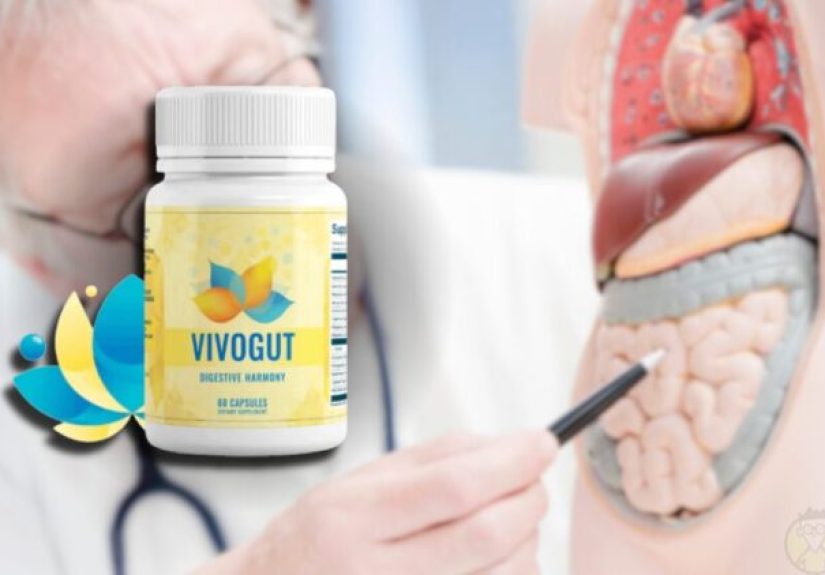
VivoGut MW is marketed as an all-in-one digestive support formulapositioned to help with common gut complaints like bloating, irregularity, sluggish digestion, and low energy that may be tied to poor nutrient absorption or an unhappy gut environment.
In plain English: it’s aiming to be the “one supplement to rule them all” for gut comfortoften using language around gut lining support, “balance,” and feeling lighter after meals.
Important reality check: dietary supplements aren’t approved like medications. That doesn’t mean they’re useless, but it does mean the burden is on you to evaluate the label, the claims, and whether the formula makes sense for your body and your health history.
What’s In VivoGut MW? A Practical Ingredient Breakdown
VivoGut MW marketing commonly highlights a multi-ingredient blend with botanicals plus vitamins/minerals. Across widely circulated product pages, the ingredient story often centers on sea-derived plants and “stress-gut” support, plus a few familiar nutrients.
Here’s what those ingredients typically try to accomplishusing evidence-based expectations, not fairy-tale expectations.
1) The “Sea Veggie” Squad: Bladderwrack & Kelp
Bladderwrack and kelp are types of seaweed. These are often promoted for mineral content and digestive comfort. One big talking point is iodine, which is naturally found in seaweed and is essential for thyroid hormone production.
Where the digestion angle comes from: some seaweeds contain fibers and compounds that can behave like prebiotics (food for beneficial gut microbes). In theory, that can support a healthier gut environment over time.
The caution: seaweed-based supplements can deliver very different iodine amounts depending on sourcing and processing. Too much iodine isn’t a “bonus”it can be risky for people with thyroid conditions or those sensitive to iodine. If VivoGut MW doesn’t clearly disclose iodine content (or you can’t confirm it via a trustworthy label), that’s not “mystery,” that’s a decision problem.
2) Ashwagandha: The “Stress-to-Stomach” Middleman
Stress and digestion are basically coworkers who share the same office kitchenif one is messy, the other suffers. Ashwagandha is an adaptogenic herb commonly used for stress support, and gut-focused formulas sometimes include it because stress can worsen symptoms like cramping, irregularity, or that delightful sensation of swallowing a balloon.
What’s plausible: reducing stress response may indirectly support digestion for some people, especially if stress is a consistent trigger.
What to watch: ashwagandha isn’t for everyone. It has potential side effects (including GI upset), and there have been rare reports of liver injury linked to ashwagandha supplements. If you have liver concerns, are pregnant, or take medications that could interact, this is a “talk to a clinician first” situationnot a “YOLO, two capsules” situation.
3) Cayenne Pepper: The “Wake Up, Stomach!” Ingredient
Cayenne (capsaicin) is often included because spicy compounds can stimulate digestive secretions and may support motility in some contexts. Think of it as the ingredient that kicks open the door and yells, “Alright folks, let’s MOVE.”
Potential upside: some people feel less sluggish after meals.
Potential downside: if you’re prone to reflux, gastritis, or spice sensitivity, cayenne can backfire and make you feel worse. More “fire drill,” less “digestive support.”
4) Minerals & Vitamins: Magnesium, Selenium, Copper, Vitamin B12
This is where things get interesting, because nutrients can be helpfulbut dosage and form matter.
- Magnesium is frequently tied to bowel regularity because it can relax smooth muscle and, in certain forms/doses, can pull water into the intestines. That may help constipation for some people… but it can also cause diarrhea and cramping if the dose is too high or the form is poorly tolerated.
- Selenium is an essential nutrient with antioxidant roles, but it also has a defined upper limit for adults. Too much over time can cause side effects (and no, your body does not send a polite calendar invite before it complains).
- Vitamin B12 supports energy metabolism and nervous system function. It won’t “cure” digestion, but if someone has low B12 status, correcting that can help overall vitalityand sometimes people interpret that as “my gut is better” because they simply feel more human.
- Copper is involved in many enzymatic processes, but it’s also a nutrient where balance matters. Excessive intake isn’t desirable, and it should be clearly dosed.
5) The Probiotic Question (Because This Matters)
Many gut supplements lean heavily on the word “probiotic”. Real probiotics are specific live microorganisms, and benefits are often strain-specific and dose-dependent. That means “contains probiotics” is not the same as “clinically meaningful probiotic formula.”
If VivoGut MW is presented as a probiotic product, you should be able to find details like:
- Genus/species/strain (example format: Lactobacillus rhamnosus GG)
- CFU count (colony-forming units) at time of expiration (not just “at manufacture”)
- Storage guidance and survivability (especially if it’s shelf-stable)
If those details aren’t clear, assume the probiotic claim is mostly marketing until proven otherwise.
Can VivoGut MW Really Boost Digestion? The Honest Answer
It might help some peoplebut not because it’s magical. If it helps, it’s usually for one (or a combination) of these practical reasons:
Scenario A: Your Symptoms Are Mild and Lifestyle-Linked
If your digestive issues are occasionallike bloating after certain meals, mild irregularity, or “I eat too fast and inhale air like a shop vac”then a supplement that supports regularity (hello, magnesium) or helps you be more consistent with routines may improve how you feel.
Scenario B: Stress Is a Major Trigger
If you notice your gut gets worse when your calendar looks like a game of Tetris, then stress-support ingredients may help indirectly. That doesn’t mean you’re “making it up.” The gut-brain connection is real. It just means your best “supplement” may also include sleep, breathing room, and eating like a personnot like a raccoon in a parking lot.
Scenario C: You’re Missing Basics (Fiber, Hydration, Meal Rhythm)
Here’s the unsexy truth: if you’re low on dietary fiber and fluids, no capsule can outsmart that forever. Increasing fiber gradually and drinking enough water can make a significant difference for regularity and bloating for many people. The keyword is “gradually,” unless you enjoy learning what regret feels like in real time.
Where the Marketing Usually Overreaches
Be skeptical of claims that sound like:
- “Detox” language without clear definitions
- Promises of dramatic, fast, guaranteed results for everyone
- Vague statements about “repairing” everything without clinical context
- “FDA approved” wording for a supplement (the FDA doesn’t approve dietary supplements like drugs)
That doesn’t automatically mean VivoGut MW is badbut it does mean you should focus on the label, the dosing transparency, and whether the claims match what supplements are realistically allowed to do.
Pros and Cons (Based on What We Can Reasonably Infer)
Potential Pros
- Multi-angle approach: stress support + motility support + nutrients can be helpful for some.
- Convenience: one product feels easier than juggling five bottles on your counter like it’s a vitamin-themed art installation.
- May support regularity: depending on magnesium form/dose and your baseline constipation pattern.
Potential Cons / Red Flags
- Label clarity issues: if probiotic strains/CFUs or key nutrient dosages aren’t transparent.
- Iodine variability: seaweed ingredients can be risky for thyroid-sensitive individuals if iodine content isn’t clear.
- GI sensitivity: cayenne and magnesium can cause discomfort in some people.
- Overpromising language: dramatic claims are a trust tax.
Who Might Want to Try VivoGut MW (and Who Should Skip)
You might be a reasonable candidate if…
- You have mild bloating or sluggish digestion and want gentle support.
- Your symptoms correlate with stress and inconsistent routines.
- You’ve already worked on basics (hydration, fiber, slower eating) and want an extra push.
Skip itor get medical advice firstif…
- You have a thyroid condition, are iodine-sensitive, or take thyroid medication.
- You are pregnant, breastfeeding, or managing liver disease.
- You have persistent symptoms (unexplained weight loss, blood in stool, severe pain, chronic diarrhea/constipation).
- You’re on medications that could interact with herbs or minerals.
How to Use It Smartly (So You Don’t “Accidentally” Learn Too Much)
If you decide to try VivoGut MW, use a “low drama” approach:
- Start low: if the label allows, consider starting with a partial dose for a few days to assess tolerance.
- Take with food: this can reduce stomach upset for many ingredients.
- Track 3 metrics: bloating (0–10), stool frequency/comfort, and post-meal energy.
- Give it time: for many gut-related interventions, a couple of weeks is more realistic than 48 hours.
- Don’t stack new things: if you start VivoGut MW the same week you go high-fiber, cut dairy, start magnesium gummies, and drink kombucha like it’s water… you won’t know what helpedor what started the war.
Safety & Label Reality: What to Look For Before You Buy
Because supplements don’t go through the same pre-market approval as medications, quality signals matter:
- Transparent Supplement Facts: clear dosages, no vague “proprietary blend” hiding everything.
- Third-party testing: look for credible verification programs (not just a badge that looks like it was made in 2007 with clip art).
- Reasonable claims: “supports digestion” is different from “fixes everything.”
- Return policy: a clear refund policy reduces risk if it doesn’t agree with you.
Also, be cautious if you see multiple “official” sites, wildly different labels, or marketplace listings that don’t match the product description. In the supplement world, consistency is a trust signal.
If You Want Better Digestion, Don’t Skip These High-Impact Alternatives
Even the best “digestive support supplement” works best when it’s supporting something solid. These strategies are boringbecause they work:
1) Fiber, Slowly (Your Gut Is Not a Speedrun)
Increasing fiber too quickly can increase bloating and cramping. Build up gradually and drink enough water. This one change can improve regularity dramatically for many people.
2) Identify Trigger Foods (Low-FODMAP Isn’t a Lifestyle, It’s a Tool)
If bloating, gas, or IBS-like symptoms are frequent, a structured approach like a low-FODMAP trial (ideally with professional guidance) can help identify triggers. The goal is personalizationnot permanent restriction.
3) Consider Probiotics the Evidence-Based Way
Probiotics can be helpful for some people and some conditions, but benefits depend on the strain, dose, and your symptoms. If you’re buying a probiotic, the label details matter more than the marketing.
4) Know When to See a Pro
Persistent digestive issues deserve medical evaluation. Sometimes the best “gut reset” is diagnosing what’s actually going on.
Final Verdict: Is VivoGut MW Worth It in 2025?
VivoGut MW sits in a familiar category: a multi-ingredient gut wellness supplement that may help certain peopleespecially those with mild symptoms, stress-related digestive discomfort, or constipation-leaning patternsif the label is transparent and the formula is tolerated.
But it’s not guaranteed, and it shouldn’t be treated like a shortcut around basics like fiber, hydration, and trigger awareness. The biggest “yes or no” hinge points are:
- Label clarity (especially probiotic details and nutrient dosages)
- Your thyroid/liver risk profile (seaweed/ashwagandha considerations)
- Your symptom pattern (mild and lifestyle-linked vs. persistent and severe)
If you want to try it, treat it like a controlled experimentone change at a time, track results, and stop if your body votes “no.” Your gut is the lead reviewer here, and it does not leave polite comments.
Real-World Experiences (Extra): What Trying a “Gut Support” Routine Feels Like
Let’s talk about the part most reviews skip: the experience of trying something like VivoGut MW in real lifewhere you still have meetings, cravings, stress, and that one friend who insists on ordering “shared appetizers” (a digestive plot twist waiting to happen).
Week 1 usually feels like a “getting-to-know-you” phase. Some people notice nothing at all, which is annoyingly common. Others notice small changes: slightly less bloat after meals, a little more regularity, or fewer “why am I puffy?” moments. This is also the week where you learn whether your stomach is sensitive to spicy ingredients (cayenne) or certain minerals (magnesium). If you suddenly feel like you’re speed-running bathroom breaks, it’s not a moral failingit may be a dose/form tolerance issue. Pull back, reassess, and don’t be a hero.
Week 2 is where patterns start to show. People who benefit often report more predictable digestionless randomness, fewer surprises. It’s not usually “I’m a new person,” but more “I’m not negotiating with my gut every afternoon.” If stress is part of the equation, some folks also notice they feel calmer around meals, which sounds small until you realize how much stress-eating or stress-skipping meals can mess with digestion.
Week 3 is where the “supplement placebo vs. real change” debate gets interesting. If you’ve also started eating slower, drinking more water, and getting consistent with fiber, you might feel significantly betterbut the honest truth is you can’t always credit the capsule alone. And that’s fine! The goal is results, not a trophy for “most supplement-dependent.” The best outcomes happen when a supplement supports better routines, not replaces them.
Week 4 is decision time. If you’ve tracked symptomsbloating, regularity, post-meal comfortyou can usually tell if it’s worth continuing. A good outcome looks like: fewer uncomfortable days, better stool consistency, and less post-meal sluggishness. A “meh” outcome looks like: no consistent change, or benefits so minor they don’t justify the cost. A bad outcome looks like: ongoing GI upset, reflux flare-ups, headaches, or feeling worse overall. In that case, stop and move on. Your body isn’t being difficult; it’s being informative.
One more lived-experience truth: many people who think they need a gut supplement actually need a trigger audit. Carbonated drinks, sugar alcohols, giant salads eaten at warp speed, high-FODMAP foods, inconsistent meal timing, and chronic stress can all create symptoms that look like “my gut is broken.” Sometimes the most effective “VivoGut MW alternative” is a notebook, two weeks of tracking, and making one change at a time. Unsexy? Yes. Effective? Also yes.
If you try VivoGut MW, pair it with a simple rule: no new changes for 10–14 days besides the supplement. Keep meals boringly consistent. Then, if you improve, you’ll actually know what helped. If you don’t, you’ve still learned something valuableand you didn’t turn your digestive system into a guessing game.