Table of Contents >> Show >> Hide
- Quick Table of Contents
- How a Dietitian Chooses the Healthiest Non-Dairy Milk
- The 16 Healthiest Non-Dairy Milk Options (With Dietitian-Style Notes)
- 1) Fortified Unsweetened Soy Milk
- 2) Fortified Unsweetened Pea Milk (Pea-Protein Milk)
- 3) Unsweetened Oat Milk (Preferably Fortified)
- 4) Unsweetened Almond Milk (Preferably Fortified)
- 5) Unsweetened Cashew Milk
- 6) Unsweetened Hemp Milk
- 7) Unsweetened Flax Milk
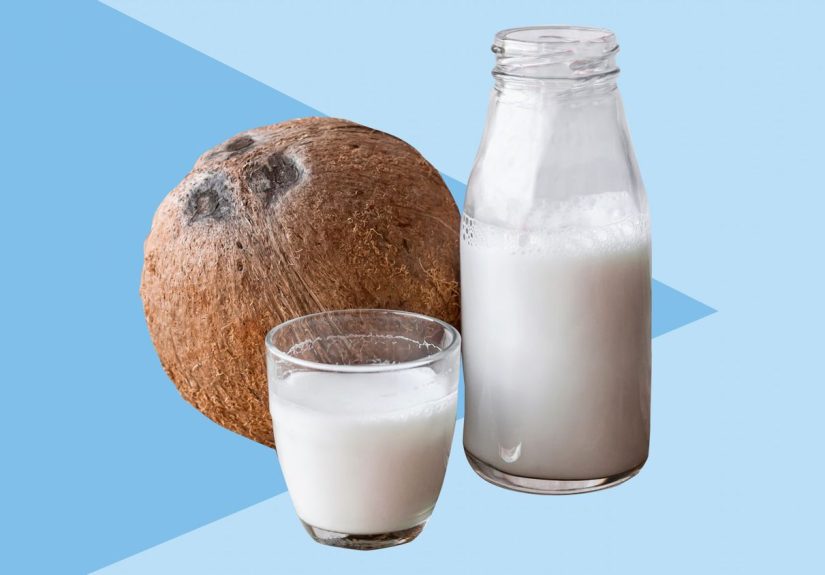
- 8) Unsweetened Coconut Milk Beverage (Carton, Not Canned)
- 9) Unsweetened Rice Milk
- 10) Unsweetened Macadamia Milk
- 11) Unsweetened Hazelnut Milk
- 12) Unsweetened Pistachio Milk
- 13) Unsweetened Walnut Milk
- 14) Quinoa Milk
- 15) Potato Milk
- 16) Sunflower Seed Milk
- Best Choices by Goal
- Dietitian Shopping Tips That Save You From Label Whiplash
- Conclusion
- Real-Life Experiences: What People Notice When They Switch to Non-Dairy Milk (About )
Milk used to be a simple decision: whole, 2%, or “whatever’s on sale.” Now the dairy aisle looks like a plant-based talent show. Almonds! Oats! Peas! (Yes, peas. We’ll get there.)
As a dietitian would tell you: the “healthiest” non-dairy milk depends on what you need it to do. Are you trying to match dairy’s protein? Keep calories low? Avoid added sugar? Support bone health with calcium and vitamin D? Or just make your coffee taste like a cozy hug?
This guide breaks down the 16 healthiest non-dairy milk options you’ll actually find in U.S. stores, what they’re best for, what to watch for on labels, and which one fits your goalswithout turning your grocery run into a graduate seminar.
Quick Table of Contents
- How a dietitian chooses the healthiest non-dairy milk
- The 16 healthiest non-dairy milk options
- Best choices by goal (protein, calories, coffee, kids)
- Shopping tips that actually work
- Real-life experiences: what people notice when they switch
- SEO Tags (JSON)
How a Dietitian Chooses the Healthiest Non-Dairy Milk
1) Start with the label: “unsweetened” wins most days
The healthiest option is usually the one with no added sugar. Many flavored or “original” versions sneak in sweeteners that turn your morning cereal into dessert cosplay. If you want sweetness, add your own fruit, cinnamon, or a drizzle of honeyat least then you’re in charge.
2) Look for fortification (especially calcium + vitamin D)
If you’re using plant milk like you’d use dairy, check for calcium and vitamin D. Some cartons match dairy pretty well; others… politely do not. Fortified options help support bone health, particularly if you rarely eat dairy foods.
3) Protein is the big divider
Most nut milks are light on protein. If you want something that keeps you full, supports muscle maintenance, or helps balance blood sugar, prioritize soy or pea-protein milks (and some blends).
4) Watch saturated fat (hello, coconut)
Some non-dairy milks are naturally higher in saturated fat, especially coconut-based ones. That doesn’t automatically make them “bad,” but it does mean portion and frequency matterespecially if you’re working on cholesterol.
5) Ingredient list: shorter is usually kinder
Stabilizers and gums aren’t automatically scarythey often keep texture smooth. But if a product upsets your stomach, try a simpler formula. And always shake the carton: fortified minerals can settle like snow in a forgotten globe.
The 16 Healthiest Non-Dairy Milk Options (With Dietitian-Style Notes)
Important: Nutrition varies a lot by brand. The notes below describe common patterns for unsweetened and preferably fortified versions unless stated otherwise.
1) Fortified Unsweetened Soy Milk
Why it’s healthy: One of the closest plant-based swaps to dairy in terms of protein. Often fortified with calcium, vitamin D, and sometimes B12.
Best for: Protein needs, smoothies, cereal, cooking, baking.
Watch for: Sweetened flavors; some people prefer “organic” versions that may not be fortifiedcheck the label.
2) Fortified Unsweetened Pea Milk (Pea-Protein Milk)
Why it’s healthy: Typically high in protein, often fortified, and frequently allergy-friendly (no soy or nuts). Texture is usually creamygreat when you miss dairy’s mouthfeel.
Best for: Matching dairy-like protein, coffee, and anyone who wants “milk vibes” without dairy.
Watch for: Added oils (common for creaminess). Not a dealbreakerjust be aware if you’re limiting calories.
3) Unsweetened Oat Milk (Preferably Fortified)
Why it’s healthy: Oat milk is a fan favorite for taste and texture. It can work well for people who want a creamy option and don’t need high protein.
Best for: Coffee drinks, cereal, and cooking where you want a mild flavor.
Watch for: It’s usually higher in carbs than soy/pea. Also, “barista blends” can have more calories.
4) Unsweetened Almond Milk (Preferably Fortified)
Why it’s healthy: Often very low in calories and can be fortified with calcium and vitamin D. Great for people who want a lighter option.
Best for: Lower-calorie sipping, smoothies (especially with protein added), cold cereal.
Watch for: Usually low in proteindon’t count on it to keep you full.
5) Unsweetened Cashew Milk
Why it’s healthy: Creamier than almond milk and usually still fairly mild. Works well when you want something richer without a strong aftertaste.
Best for: Coffee, creamy soups, sauces, and smoothies.
Watch for: Protein is typically low; some brands add thickeners for texture.
6) Unsweetened Hemp Milk
Why it’s healthy: Hemp seeds naturally provide unsaturated fats, including omega-3 and omega-6 fats. Some versions are fortified.
Best for: People who want healthy fats and a slightly nutty flavor; smoothies are a great match.
Watch for: Protein varies by brand; flavor can be “earthy.” (Not badjust honest.)
7) Unsweetened Flax Milk
Why it’s healthy: Often very low in calories and can provide omega-3 fats (ALA). Many flax milks are fortified, which is a big plus.
Best for: Low-calorie needs, smoothies, and anyone who likes a neutral-ish flavor.
Watch for: Protein is usually low unless it’s a blend.
8) Unsweetened Coconut Milk Beverage (Carton, Not Canned)
Why it’s healthy: It’s dairy-free, often fortified, and can be easy on the palate for people who like a subtle tropical note.
Best for: Smoothies, chia pudding, and recipes where coconut flavor works.
Watch for: Coconut can be higher in saturated fat than many other plant milks. (Canned coconut milk is much richer and a different product.)
9) Unsweetened Rice Milk
Why it can be healthy: Very allergy-friendly (no soy, nuts, or dairy) and mild tasting.
Best for: People with multiple food allergies, light baking, and gentle flavor profiles.
Watch for: Often higher in carbs and lower in protein. Also, rice products can contain inorganic arsenic, so variety mattersespecially for kids.
10) Unsweetened Macadamia Milk
Why it’s healthy: Pleasant, creamy texture with mostly unsaturated fats. Often tastes less “watery” than some nut milks.
Best for: Coffee, sipping, and recipes where you want richness without dairy.
Watch for: Low protein; can be pricier.
11) Unsweetened Hazelnut Milk
Why it’s healthy: Nut-based fats and a naturally aromatic flavor that can make breakfast feel fancier than it is.
Best for: Coffee, oatmeal, and dessert-like smoothies.
Watch for: Flavor is more distinct; protein usually low.
12) Unsweetened Pistachio Milk
Why it’s healthy: Often has a pleasant nutty taste and can provide unsaturated fats. It’s a fun way to diversify plant foods.
Best for: Lattes, cereal, and smoothiesespecially if you’re bored of almond/oat.
Watch for: Usually not a protein powerhouse; check fortification.
13) Unsweetened Walnut Milk
Why it’s healthy: Walnuts are known for healthy fats, including ALA omega-3s. Walnut milk can be a flavorful option for variety.
Best for: Smoothies, overnight oats, and baking.
Watch for: Distinct flavor; not ideal if you want “tastes-like-nothing” milk.
14) Quinoa Milk
Why it’s healthy: Quinoa is a nutrient-dense grain, and quinoa milk can offer a bit more body than many nut milks.
Best for: Cooking, baking, and anyone who wants a grain-based alternative that isn’t oat.
Watch for: Availability varies; check for added sugar and fortification.
15) Potato Milk
Why it’s healthy: Often designed to be allergy-friendly and can be surprisingly creamy with a neutral taste. Some versions are fortified.
Best for: People avoiding soy, nuts, and gluten; coffee and cooking.
Watch for: Protein is usually modest unless blended; read the label before assuming it’s a dairy-equivalent.
16) Sunflower Seed Milk
Why it’s healthy: A great nut-free option with a creamy feel. Often works well for people with tree nut allergies.
Best for: Allergy-friendly households, smoothies, cereal, and some baking.
Watch for: Flavor can be slightly “seed-forward.” Fortification varies widely.
Best Choices by Goal
If you want the most protein
- Soy milk (classic high-protein plant milk)
- Pea milk (often comparable to dairy)
- Protein-boosted blends (look for “protein” on the front, then confirm sugar isn’t sneaking in)
If you want the lowest calories (without tasting like regret)
- Unsweetened almond milk
- Unsweetened flax milk
- Some unsweetened cashew milks (varies)
If coffee is your personality
- Oat milk (creamy; “barista” versions foam well but can be higher-calorie)
- Pea milk (thick and dairy-like)
- Soy milk (steady performer, especially in lattes)
If you’re managing blood sugar
- Unsweetened soy milk
- Unsweetened pea milk
- Unsweetened almond/cashew (pair with protein elsewhere)
If you have kids (and want a smart default)
For children who need a dairy alternative, many pediatric nutrition experts consider fortified soy milk the closest nutritional substitute to dairy milk. For toddlers and young kids, plant milks can be fine in the context of a balanced dietbut they shouldn’t accidentally become a child’s main nutrition source unless chosen carefully (especially for protein, calcium, and vitamin D).
Dietitian Shopping Tips That Save You From Label Whiplash
- Pick unsweetened first. Then add flavor yourself if you want it.
- Confirm calcium + vitamin D fortification. Especially if plant milk replaces dairy in your routine.
- Shake well. Minerals settle; your last glass shouldn’t be “Calcium Surprise.”
- Don’t assume “organic” means “better.” Some organic versions skip fortification. Decide what matters for you.
- Match the milk to the job. A low-cal almond milk is great for smoothies, but a protein-forward soy or pea milk is better if you want satiety.
- Rotate when possible. Different plants offer different nutrients. Variety is nutritional insurance.
Conclusion
The healthiest non-dairy milk isn’t a single carton with superhero music. It’s the one that fits your needsunsweetened for daily sipping, fortified if it’s replacing dairy, and higher-protein (soy or pea) if you want it to actually keep you full.
If you’re new to plant-based milk, start with this simple plan: choose an unsweetened, fortified option; try it in your usual routine for a week; then adjust based on taste, digestion, and your goals. Your blender, coffee, and cereal will all voteand honestly, they’re very opinionated.
Real-Life Experiences: What People Notice When They Switch to Non-Dairy Milk (About )
When people swap dairy for plant-based milk, the first surprise is rarely nutrition. It’s texture. Your brain expects “milk” to behave a certain waylike a dependable friend who always brings chips to the party. Plant milks… sometimes bring kale. Still invited, just different.
The coffee test: foam, split, or triumph
A common experience is discovering that not every non-dairy milk plays nicely with hot coffee. Some separate, some foam beautifully, and some create a floating layer that looks like a tiny science experiment. Many people end up loving oat milk for lattes because it tends to be creamy and mellow. Others prefer pea milk for a thicker, dairy-like body. Soy is often the dependable middle childgood foam, solid flavor, generally cooperative.
The cereal bowl reality check
In cereal, the biggest complaint is “watery.” That’s why low-calorie almond milk can be perfect in smoothies but disappointing over granola unless you like your breakfast with a side of sadness. People who want that classic cereal experience often prefer oat, pea, or cashew because they add body. Pro tip: chilling your plant milk makes it feel richer and more satisfying (yes, temperature changes perceptionyour mouth is easily tricked, and that’s okay).
Digestion: the quiet plot twist
Some people feel better right away after switching, especially if lactose was bothering them. Others notice bloating with certain additives or fibers, or they realize they’re sensitive to specific ingredients like gums. The usual “real life” fix is simple: try a different brand, choose an unsweetened version, or pick a shorter ingredient list. There’s no prize for suffering through the carton you hate. Your gut will not write you a thank-you note for loyalty.
Satiety: why you’re hungry again at 10:30
This is the most overlooked experience: people switch to almond or rice milk and later wonder why they’re starving mid-morning. It’s not a character flawit’s math. Many nut and grain milks are low in protein. If your breakfast used to include dairy milk, moving to a low-protein plant milk can reduce fullness. The fix is easy: pick soy or pea milk, or pair your breakfast with protein elsewhere (Greek-style dairy-free yogurt, eggs, tofu scramble, or nut butterwhatever fits your diet).
Finding “your” milk: the surprisingly emotional part
People often try to crown one plant milk as “the winner,” but most end up with a small rotation. Maybe soy for smoothies, oat for coffee, and almond for a low-cal splash in oatmeal. That’s not indecisionthat’s strategy. Plant milks have personalities. Let them.