Table of Contents >> Show >> Hide
- What the LightHouse Lantern Is (and Why People Keep Falling for It)
- Why LightHouse Works So Well Outdoors
- Design Details Worth Noticing (Because They’re Doing a Lot of Work)
- Outdoor Styling Ideas: Where LightHouse Looks Best
- Candle or LED? How to Choose Your Light Source
- Outdoor Lantern Safety: The Rules That Keep the Vibe from Turning into a Problem
- Care and Maintenance: Keeping LightHouse Looking Crisp Outdoors
- How to Shop Smart in the U.S.
- Is the LightHouse Lantern Worth It?
- Outdoor Experiences: Living with the LightHouse Lantern (the part you don’t get from product photos)
Outdoor lighting is one of those “small change, big mood” upgrades. You can spend a weekend installing wired sconces,
or you can place one great lantern on the table and instantly make a random Tuesday feel like a movie scene.
That’s the magic lane the Normann Copenhagen LightHouse lantern lives in: effortless, architectural, and cozy
in a way that says, “Yes, I do have my life together,” even if you’re currently eating chips over the sink.
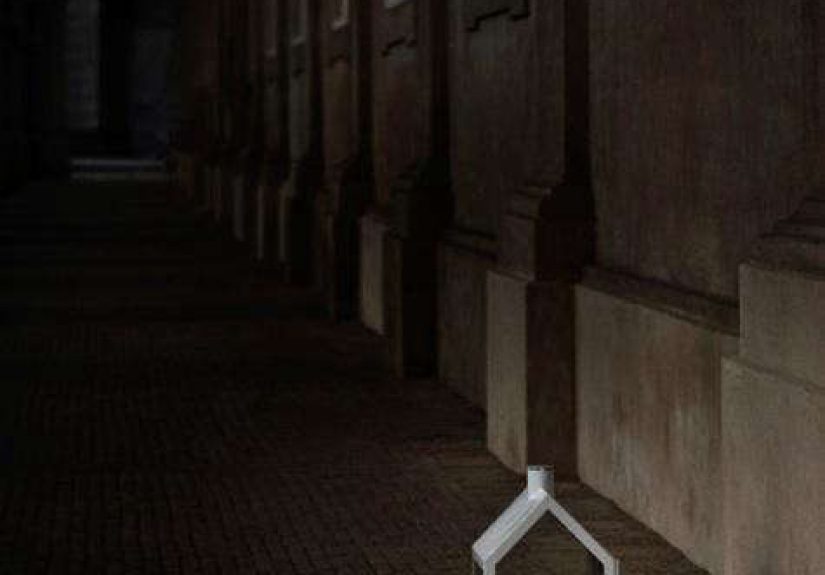
LightHouse is a lantern designed to look like a tiny Nordic housesimple lines, crisp angles, and a warm glow inside.
It’s a sculptural object when it’s unlit, and a miniature “welcome home” moment when it’s glowing.
If you’re curating a porch, patio, balcony, or backyard dining setup, this piece can act like a visual anchor:
it tells the rest of your outdoor décor what vibe you’re going for.
What the LightHouse Lantern Is (and Why People Keep Falling for It)
The LightHouse lantern from Normann Copenhagen is, at its core, a candle lanternsteel and glass in a powder-coated finish,
shaped like a classic house silhouette. It’s designed for indoor and outdoor use, and it’s often described as a modern take
on the lantern tradition: a protective shell around a flame, with an aesthetic that’s more gallery than garden shed.
Quick product snapshot
- Design language: house-shaped lantern with clean Scandinavian-style lines
- Materials: powder-coated steel + glass
- Use case: candlelight (or a flameless candle) for patios, porches, balconies, and indoor styling
- Color options (commonly seen): neutrals like black and white, plus brighter accent colors in some editions
- Scale: typically a statement tabletop/floor lantern rather than a tiny tea-light holder
In outdoor settings, the “house” concept isn’t just cuteit’s functional. The walls help reduce wind interference,
the glass protects the flame, and the structure creates that soft, contained glow people crave for evening hangouts.
It’s basically a vibe manager with a handle.
Why LightHouse Works So Well Outdoors
Outdoor spaces are visually noisy: plants, patio furniture, grill tools, kids’ toys, mystery puddles that appear after rain.
A lantern that looks like a tiny building adds order. It introduces a strong, readable shape that still feels warm.
The LightHouse lantern is especially good at this because it’s architectural without being fussyno ornate scrollwork,
no “French château” drama, just a modern little house that glows.
1) It creates a “pool of light” instead of a harsh spotlight
Great outdoor lighting is rarely about brightness; it’s about comfort. Think “cozy corners,” not “interrogation room.”
A lantern naturally diffuses light, and LightHouse’s glass panels help turn a single flame (or LED candle) into a soft,
ambient presenceperfect for conversation, dining, or reading one more chapter outside.
2) It looks intentional in daylight
Many outdoor lights only shine at nightliterally and figuratively. During the day, they’re just objects you tolerate.
LightHouse is decorative even when unlit. It reads like outdoor sculpture, especially on a side table, an entry bench,
or the corner of a patio where you want to visually “finish” the space.
3) It plays well with modern patio trends
Outdoor design has leaned into “indoor comfort outdoors” for years: softer furniture, layered textiles, and lighting that feels residential.
A house-shaped lantern fits that direction perfectly. It’s lighting that doesn’t scream “I bought this in the garden aisle.”
It whispers, “I understand ambiance.”
Design Details Worth Noticing (Because They’re Doing a Lot of Work)
The LightHouse lantern is memorable because it takes something familiara simple home shapeand makes it feel modern and graphic.
The sharp roofline, the clean edges, and the glass walls create a tiny “room” for light. It’s cozy in the same way a lit window is cozy:
it signals warmth and shelter.
The powder-coated steel finish
Powder coating matters outdoors. It typically wears better than paint in everyday use, helping resist minor scratches and maintaining color.
In practical terms: it’s less precious than it looks. You can actually use it like an outdoor accessory, not a museum artifact.
The glass panels
Glass does two important jobs: it protects the flame from breezes and it allows light to glow outward in multiple directions.
That’s why lantern light feels so flatteringit’s not blasting your face from one bulb; it’s surrounding the area with a soft perimeter.
The “tiny architecture” effect
This is the part that makes guests comment on it. A typical lantern is just a lantern. This one looks like a miniature building.
Put it near greenery and it feels like a little house in the woods. Put it on a modern concrete patio and it looks like a design object.
Put it on a balcony and it becomes your “city light” momenteven if the city is just your neighbor’s motion-activated floodlight.
Outdoor Styling Ideas: Where LightHouse Looks Best
If you want the lantern to feel like it belongs (not like you forgot it outside), give it a job. Use it to “mark” a zone:
dining, lounging, entry, or pathway. Here are practical, specific ways to style it outdoors without overthinking it.
Porch or front entry: the warm welcome
Place the LightHouse lantern near the front dooron a step (if it’s stable and safe), beside a bench, or next to a large planter.
The “house” shape reinforces the idea of home, so it naturally works as an entry signal. Bonus points if you pair it with:
- a simple doormat
- a pot of herbs (rosemary looks expensive even when it’s $6)
- a second light source, like a small string-light strand or a wall sconce
Outdoor dining: centerpieces that don’t block eye contact
For a dinner table, use one lantern as the centerpiece and keep the rest low. The point is glow, not a centerpiece that forces everyone
to lean sideways like they’re dodging a tree. Add a slim runner, a small bowl of citrus, and you’ve got a table that says
“effortless host” instead of “I watched 47 tablescape videos and now I’m tired.”
Patio lounge corner: make a “reading pocket”
Set the lantern near a chair or outdoor sofa arm. Pair it with a throw (outdoor-friendly), a small side table, and a second light source
(like a portable lamp or string lights) for layered lighting. Lantern light is flattering and relaxingbut it’s not always bright enough
for detailed tasks, so layering keeps it functional.
Balcony glow-up: one object, big impact
Small balconies benefit from one strong sculptural piece. The LightHouse lantern can do that job, especially in black or white,
because it looks crisp against railings, tile, and plants. Add two or three pots (vary the heights) and your balcony reads “designed.”
Candle or LED? How to Choose Your Light Source
The LightHouse lantern is commonly used with candles, but many people use flameless LED candles outdoorsespecially if wind,
kids, pets, or “I will absolutely forget this candle exists” are part of the situation. Your best choice depends on how you use your space.
Using real candles outdoors
Real candlelight has an unmatched warmth. For outdoor dinners, slow evenings, or special occasions, it’s hard to beat.
If you go the real-candle route, choose a candle that fits comfortably inside the lantern with clearance on all sides.
Wider pillar candles usually feel more stable than skinny tapers outdoors.
Using flameless candles outdoors
Flameless candles are the “set it and forget it” option. They’re especially handy for breezy patios and busy households.
Look for outdoor-friendly LED candles if the lantern will live outside frequently, and consider a timer function for easy routine use.
The aesthetic is still cozyjust with fewer safety worries.
Outdoor Lantern Safety: The Rules That Keep the Vibe from Turning into a Problem
Candle lanterns are cozy, but they’re still open flame. The good news: safe use is mostly common sense plus consistency.
Here are practical rules that fit the way people actually live (not the way we pretend we live).
- Never leave a burning candle unattended. If you’re going inside “for one second,” assume it will become 12 minutes.
- Keep it away from anything that can burn. Maintain clear space from cushions, curtains, napkins, paper décor, and dry plants.
- Use a stable, heat-safe surface. Outdoor tables wobble. Wind happens. Choose a surface that won’t tip if bumped.
- Watch for heat buildup. Metal can get hot. Give the lantern space, and don’t place it where hands will casually grab it.
- Mind the wind. Even with glass panels, strong gusts can affect flames. Consider flameless candles on very windy nights.
- Trim wicks for cleaner burns. A tidy wick helps reduce soot and encourages a steadier flame.
- Extinguish before you head inside or go to bed. End of story. No exceptions. The lantern will still love you tomorrow.
Care and Maintenance: Keeping LightHouse Looking Crisp Outdoors
Outdoor décor only stays charming if it survives real weather and real life. Luckily, a steel-and-glass lantern is fairly straightforward,
as long as you treat it like an outdoor object instead of a permanent outdoor resident in hurricane season.
Cleaning the glass
Wipe the glass with a soft cloth. If you use real candles, you may get light soot buildup over time.
Let everything cool fully, then clean gently. Avoid abrasive scrubbers that can scratch glass or scuff the finish.
Caring for the powder-coated steel
Use a damp cloth for routine cleaning and dry afterwardespecially if the lantern has been exposed to dew or rain.
Keeping moisture from sitting on metal surfaces helps preserve the finish and keep everything looking sharp.
Weather strategy (the realistic one)
If your climate includes heavy storms, freezing weather, or salty coastal air, treat the lantern like outdoor cushions:
bring it in when conditions are harsh. It’s a design piece. It deserves a little protection. Think of it as “seasonal migration,”
but for décor.
How to Shop Smart in the U.S.
Design products get copied constantly, and house-shaped lanterns are especially easy to imitate. If you want the real
Normann Copenhagen LightHouse lantern, the goal is simple: buy from reputable retailers, verify product details,
and pay attention to materials and finish.
Look for these signals
- Clear brand attribution (Normann Copenhagen + the correct product name “LightHouse”)
- Material listing (steel + glass; powder-coated finish is commonly specified)
- Legit product photography showing clean edges, crisp geometry, and glass panels that fit properly
- Return policy and customer support that reads like a real business, not a disappearing act
Also, consider scale before buying. A lantern that looks “cute” in a photo can arrive either bigger than expected (surprise, it’s furniture now)
or smaller than expected (surprise, it’s a tea-light dollhouse). Measure your intended placement: entry step, dining table, side table, or ground corner.
Then choose the lantern size that matches the visual weight you want.
Is the LightHouse Lantern Worth It?
If you want purely functional outdoor lighting, you can buy inexpensive solar stakes and call it a day.
But if you’re building an outdoor space that feels like an extension of your home, LightHouse makes sense because it pulls double duty:
it’s lighting and design at the same time.
The value comes from how often you’ll use it. If you entertain, eat outside, or love a calm evening on the patio,
you’ll reach for it constantly. And even when it’s not lit, it still contributes to the look of the space.
That’s a rare trait in outdoor accessoriesmost of them are either useful or pretty. LightHouse aims for both.
It also makes a strong gift because it’s practical, sculptural, and broadly compatible with different décor styles:
modern, Scandinavian, minimalist, even cozy rustic if you pair it with wood and greenery. It’s hard to offend someone with a glowing tiny house.
(Unless they’re deeply anti-house. In which case… maybe get them socks.)
Outdoor Experiences: Living with the LightHouse Lantern (the part you don’t get from product photos)
The first time you use the LightHouse lantern outdoors, you notice something immediate: it changes how you stay outside.
Without lighting, the patio feels like a place you pass throughwater the plants, check the grill, go back inside.
Add a warm, contained glow and suddenly the same space feels like a destination. You sit longer. You talk more.
You stop scrolling quite as fast because the vibe is doing the emotional heavy lifting.
On a weeknight, it’s the easiest “mini reset” routine: open the door, step outside, light the candle (or click on the LED),
and take a few minutes with a drink. The lantern’s house shape makes it oddly comfortinglike you added a tiny neighbor who’s always home
and always has the porch light on. It’s especially satisfying on balconies, where outdoor space is limited and every object has to earn its keep.
One lantern, one chair, one plant, and suddenly it’s not “my balcony,” it’s “my little evening spot.”
It shines (politely) during outdoor dinners. Place it near the center of the table and it creates a soft glow that feels flattering,
not blinding. People’s faces look warmer. Food looks more inviting. Even the salad feels like it’s trying harder.
If there’s a breeze, the glass panels help keep the light steady, so you don’t get that chaotic flicker that makes everyone feel like
they’re dining inside a wind tunnel. And if you’ve ever hosted outside, you know this is huge: lighting is how you signal,
“We’re still hanging out,” instead of “Okay, party’s over, it’s dark now.”
There’s also a special kind of joy in using it during the in-between seasons. Early fall evening? Lantern. Late spring when the air is cool
but you don’t want to go inside? Lantern. Even rainy days can workplaced under a covered porch, the glow looks extra cozy against gray weather.
It’s the décor equivalent of putting on a hoodie: comforting, practical, and somehow makes everything feel more manageable.
Over time, it becomes part of your outdoor habits. You start thinking in “lantern moments.” Friends coming over? Lantern.
Quiet reading time? Lantern. You want to make a basic backyard feel special without buying all new furniture? Lantern.
The LightHouse lantern isn’t loud. It doesn’t demand attention. But it reliably improves the atmosphere in a way that’s hard to unsee once you’ve lived with it.
And honestly, that’s what great design does: it nudges everyday life in a better directionwithout making you work for it.