Table of Contents >> Show >> Hide
- Why weight gain is so common during breast cancer treatment
- The real culprits: what drives weight gain during and after treatment
- 1) Hormone shifts (including treatment-induced menopause)
- 2) Steroids, extra fluids, and the “puffy phase”
- 3) Fatigue + nausea = less movement (and fewer “default” calories burned)
- 4) Sleep disruption and stress (your body’s not-so-funny coping mechanisms)
- 5) Body composition changes: the scale can be a liar
- 6) Swelling, lymphedema, and fluid retention (not all weight is the same)
- Does weight gain affect breast cancer outcomes?
- How to manage weight during and after treatment (without making yourself miserable)
- Step 1: Name your “weight gain drivers” (because guessing is exhausting)
- Step 2: Aim for “protein + plants” more often (not “perfect”)
- Step 3: Strength training is your not-secret weapon
- Step 4: Cardio that feels doable (walking counts, and it counts a lot)
- Step 5: Treat sleep like part of the plan (not a reward you earn)
- Step 6: Alcohol and “hidden calories” (handle with kindness, not judgment)
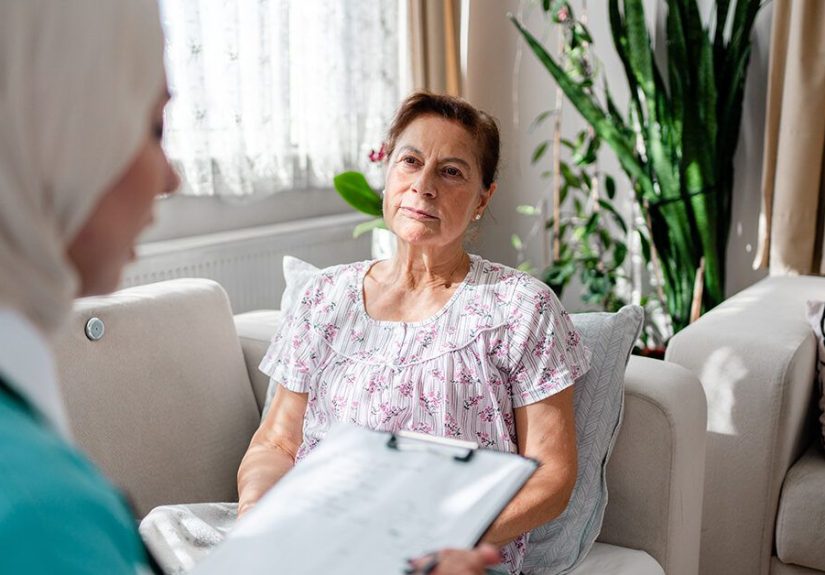
- Step 7: Get help early (because you don’t get extra credit for doing it alone)
- Common questions people ask (and the honest answers)
- When weight gain is a “call your care team” situation
- The bottom line
- Experiences related to breast cancer and weight gain (composite stories)
- Experience 1: “I gained 12 pounds during chemo, and I barely recognize my body.”
- Experience 2: “Endocrine therapy didn’t just change my hot flashes. It changed my waistline.”
- Experience 3: “I was young, forced into menopause, and nobody warned me my body would react like this.”
- Experience 4: “The weight wasn’t just weight. It was fluid and fear.”
- What these experiences have in common
If you’ve ever stepped on a scale during (or after) breast cancer treatment and thought,
“Excuse me… who invited these extra pounds?” you’re in very good company.
Weight gain is common in breast cancer care, and it’s often more complicated than “eat less, move more.”
Treatment can change hormones, energy, appetite, sleep, and even how your body holds onto fluid.
This article breaks down why breast cancer and weight gain often show up together,
what the research actually suggests (and what it doesn’t), and practical, sanity-saving ways to manage weight
without turning your life into an endless salad commercial. (No offense to salads. They’re trying.)
Important: This is educational information, not personal medical advice.
If you’re gaining weight quickly, struggling with swelling, or feeling worried about changes in your body,
your oncology team is the best place to start.
Why weight gain is so common during breast cancer treatment
Many people gain weight during breast cancer treatment and in the months afterward. That can be frustrating,
especially when you’re already dealing with fatigue, appointments, side effects, and the emotional whiplash
of “normal life” being temporarily replaced by “medical life.”
Here’s the key idea: weight gain during breast cancer treatment usually isn’t caused by one dramatic change.
It’s more like a bunch of small, sneaky changes that stack up a little less movement, a little more fatigue,
medication-related appetite shifts, hormone changes, sleep disruption, and sometimes fluid retention.
And the scale doesn’t always tell the whole story.
The real culprits: what drives weight gain during and after treatment
1) Hormone shifts (including treatment-induced menopause)
Estrogen plays a role in how the body stores fat and uses energy. Some breast cancer treatments can lower estrogen
or change how it functions. Chemotherapy can trigger temporary or permanent menopause in some people, and ovarian
suppression therapies deliberately reduce ovarian hormone production. A sudden drop in estrogen can affect
metabolism, body composition, and where fat is stored often shifting toward the midsection.
The tricky part is that these changes can happen even if you feel like you’re eating “the same as always.”
You’re not imagining it. Your body may genuinely be operating under a new hormonal rulebook.
2) Steroids, extra fluids, and the “puffy phase”
Steroids are commonly used around chemotherapy (and sometimes other treatments) to prevent nausea, reduce inflammation,
or lower the risk of allergic reactions. Steroids can increase appetite, change how the body stores fat, and cause
fluid retention. Add in IV fluids and a disrupted routine, and you can see short-term jumps on the scale.
Translation: sometimes it’s not fat gain it’s “my body is temporarily holding onto water like it’s preparing for a drought.”
If you notice swelling or rapid changes, tell your care team. They can help you sort out what’s normal, what’s medication-related,
and what needs attention.
3) Fatigue + nausea = less movement (and fewer “default” calories burned)
Treatment fatigue can be intense. When energy drops, people naturally move less: fewer steps, fewer errands, fewer chores,
fewer “accidental workouts” like hauling groceries and pretending it wasn’t heavy.
Nausea can also nudge eating patterns in strange directions. Some people find bland, carb-heavy foods easier to tolerate.
Others snack more often because small amounts feel better than full meals. None of this is a moral failure it’s symptom management.
4) Sleep disruption and stress (your body’s not-so-funny coping mechanisms)
Hot flashes, anxiety, pain, steroids, and the general stress of cancer care can wreck sleep. Poor sleep is associated with changes in hunger hormones,
cravings, and energy levels, making it harder to stay active and easier to “drift” toward calorie-dense comfort foods.
Stress can also change routines: less meal planning, more takeout, fewer workouts, more sitting.
Your brain is busy surviving. Sometimes it picks cookies as the coping strategy. That’s not ideal,
but it’s extremely human.
5) Body composition changes: the scale can be a liar
Weight gain after breast cancer treatment is often linked to changes in body composition:
gaining fat mass and losing lean muscle. If you lose muscle, your metabolism can slow because muscle tissue burns more energy than fat tissue.
So even if your weight doesn’t change dramatically, your body may feel different softer, weaker, or less “like you.”
This is why “just do cardio” can backfire. Protecting (or rebuilding) muscle with strength training and adequate protein often matters
as much as the number on the scale.
6) Swelling, lymphedema, and fluid retention (not all weight is the same)
Some breast cancer treatments involve lymph node removal or radiation, which can increase the risk of lymphedema (swelling, often in an arm, chest, or breast area).
Swelling can change how your body feels and moves, and it can influence weight and clothing fit.
Separately, some medications can cause generalized fluid retention.
If you notice one-sided swelling, heaviness, tightness, or rapid weight gain with swelling in the ankles/legs, tell your clinician.
The right evaluation can make a huge difference and the solutions often go beyond “diet harder.”
Does weight gain affect breast cancer outcomes?
Research has consistently linked excess body weight (particularly after menopause) with a higher risk of developing breast cancer,
and many studies also associate higher body weight with worse outcomes after diagnosis. The biology is complex and can involve inflammation,
insulin resistance, and hormone levels, among other pathways.
However, an important nuance: while observational studies connect weight status with risk and outcomes, the evidence is still evolving on whether
intentional weight loss after diagnosis directly reduces recurrence risk for everyone. What is clearer is that healthy lifestyle changes
(nutrition quality, physical activity, improved fitness, better sleep) can improve energy, function, cardiovascular health, and quality of life
which are not small wins.
In other words: it’s reasonable to take weight gain seriously, but not as a source of shame.
The goal isn’t perfection; it’s health, strength, and recovery.
How to manage weight during and after treatment (without making yourself miserable)
Step 1: Name your “weight gain drivers” (because guessing is exhausting)
Before changing anything, take a week to observe:
- Which days are you most fatigued (and what happens to movement on those days)?
- Are steroids, sleep disruption, or nausea changing your appetite?
- Are you snacking more because small meals feel better?
- Are you sitting more because your body hurts or you’re worried about overdoing it?
You’re not trying to police yourself. You’re trying to understand what’s actually happening so your plan targets the real cause,
not the imaginary one your inner critic keeps inventing.
Step 2: Aim for “protein + plants” more often (not “perfect”)
A survivorship-friendly eating pattern usually emphasizes:
- Lean protein (helps preserve muscle): poultry, fish, beans, lentils, tofu, Greek yogurt, eggs, or protein-rich snacks.
- High-fiber carbohydrates: oats, brown rice, quinoa, sweet potatoes, whole-grain bread, fruit, and legumes.
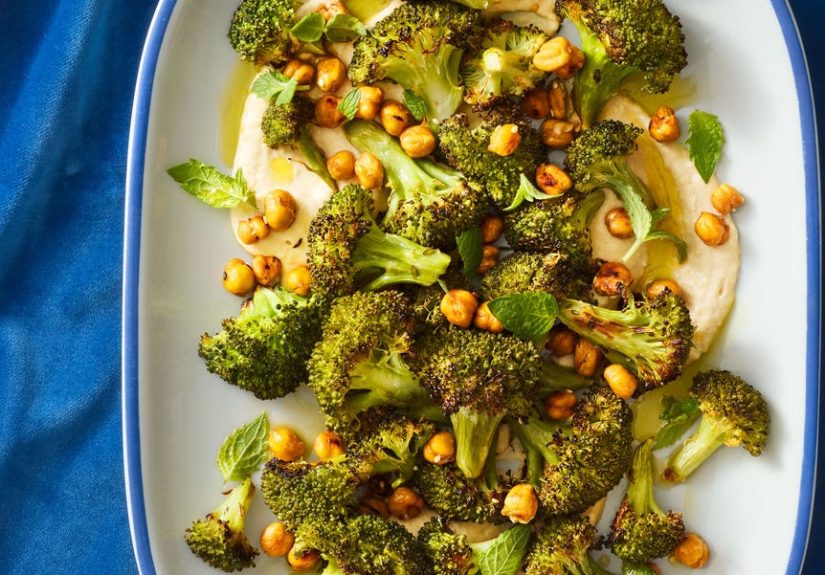
- Lots of colorful plants: vegetables, berries, leafy greens not because they’re magical, but because they’re filling and nutrient-dense.
- Healthy fats in reasonable amounts: nuts, seeds, olive oil, avocado.
If treatment changed your taste buds, start simple: soups, smoothies, yogurt bowls, or “mix-and-match” plates.
When nausea hits, small frequent meals can work better than big ones. A registered dietitian (especially one experienced in oncology)
can tailor ideas to your side effects and preferences.
Step 3: Strength training is your not-secret weapon
If you could only pick one habit to protect body composition, it might be resistance training.
Muscle loss is common during cancer treatment. Strength training helps preserve (and rebuild) lean mass, improves function,
and supports metabolic health.
You don’t need a complicated program. Two or three short sessions per week can be enough:
- Sit-to-stands (chair squats)
- Wall push-ups
- Resistance band rows
- Step-ups
- Light dumbbell or band overhead press (as tolerated)
If you’ve had surgery or are at risk for lymphedema, ask for guidance from your care team or a physical therapist with oncology experience.
The goal is safe, gradual progress not “go hard or go home.” (You are already home. Cancer treatment is a full-time job.)
Step 4: Cardio that feels doable (walking counts, and it counts a lot)
Aerobic activity supports heart health, energy, sleep, insulin sensitivity, mood, and weight management.
Many guidelines recommend working toward about 150–300 minutes per week of moderate activity
(or the vigorous equivalent), plus strength training at least two days per week.
If that number makes you laugh-cry, start smaller:
- 10 minutes after breakfast + 10 minutes after dinner
- A gentle walk on “good” days, stretching on “not today” days
- Parking a little farther away (the classic “sneaky steps” strategy)
Consistency beats intensity. Your body is not training for an ultramarathon; it’s recovering.
Step 5: Treat sleep like part of the plan (not a reward you earn)
Sleep is not “optional wellness fluff.” It affects appetite, cravings, motivation, and inflammation.
If hot flashes, anxiety, or pain are interfering with rest, bring it up.
Many survivorship programs now emphasize sleep as a core pillar of healthy weight management.
Practical starters:
- Keep a consistent bedtime window (even if wake time varies).
- Limit screens right before bed (yes, we all hate this advice; yes, it helps).
- Ask about hot flash management if that’s the culprit.
- Consider a short wind-down routine (shower, stretching, calming music, boring book).
Step 6: Alcohol and “hidden calories” (handle with kindness, not judgment)
Alcohol can add calories quickly and may also influence breast cancer risk. If you drink, consider reducing frequency or portion size,
especially during treatment and recovery when sleep and energy are already under pressure.
Step 7: Get help early (because you don’t get extra credit for doing it alone)
If weight gain is affecting your health or quality of life, ask your team about:
- Oncology dietitian for side-effect-friendly meal plans and realistic calorie targets
- Physical therapist for safe strength training and mobility, especially after surgery or radiation
- Lymphedema specialist if swelling or heaviness is present
- Behavioral support for stress eating, fatigue management, or emotional burnout
Common questions people ask (and the honest answers)
“Is it tamoxifen (or endocrine therapy) causing my weight gain?”
Endocrine therapy can be linked with weight changes, but the relationship isn’t always straightforward.
Some studies find associations with weight gain, while others suggest the bigger drivers may be menopause,
reduced activity, aging, and changes in body composition during treatment.
The most helpful approach is practical: assume multiple factors are at play and focus on what you can control
strength training, daily movement, protein intake, sleep, and managing side effects that reduce activity.
If you feel your symptoms are making healthy habits nearly impossible, tell your oncologist; sometimes side-effect management is the missing piece.
“Aromatase inhibitors make me achy. How am I supposed to exercise?”
Joint pain can happen with aromatase inhibitors, and it’s a very real barrier.
The frustrating irony is that exercise is one of the tools most consistently associated with reducing this kind of joint pain.
That doesn’t mean you have to jump into high-impact workouts. Low-impact activity (walking, cycling, swimming),
gentle strength training, and mobility work can be a better match.
If pain is severe or worsening, don’t “push through” without guidance. Ask about physical therapy,
medication adjustments, or other symptom strategies. The goal is adherence to lifesaving therapy with a quality of life that’s actually livable.
“I’m eating less than I used to, but I’m still gaining weight. What gives?”
This can happen when metabolism shifts (especially around menopause), muscle mass decreases, or activity drops.
Also, “eating less” sometimes means fewer meals but more snack calories, liquid calories, or calorie-dense comfort foods
that feel easier during treatment.
If you’re feeling stuck, a short period of tracking (even just 3–7 days) can be eye-opening not for judgment,
but for data. Better yet, share that information with a dietitian so they can help you adjust without triggering an “all-or-nothing” spiral.
“Are weight-loss medications an option after breast cancer?”
Weight-loss medications can be appropriate for some people, but cancer history, current therapy,
side effects, and other medical conditions matter. This is a conversation for your oncology team and primary care clinician.
If weight gain is significant and affecting health, ask for a structured plan and discuss medical options in context.
When weight gain is a “call your care team” situation
Weight gain is often gradual. But you should contact your clinician if you notice:
- Rapid weight gain over days, especially with swelling in legs/ankles
- New shortness of breath, chest discomfort, or worsening fatigue
- Swelling on one side (arm/chest/breast area), heaviness, or tightness that may suggest lymphedema
- Sudden abdominal bloating or swelling that feels unusual
This isn’t to scare you it’s to make sure treatable issues like fluid retention, medication effects,
or other complications get addressed early.
The bottom line
Weight gain during breast cancer treatment is common, multi-factorial, and often tied to hormones, medications,
fatigue, sleep disruption, and shifts in body composition not “lack of willpower.”
The most effective approach is usually a survivorship-style plan: protect muscle with strength training,
build steady movement, choose nutrient-dense foods you can actually tolerate, prioritize sleep,
and get expert help when side effects make healthy habits hard.
And if you needed permission to be kind to yourself while you do all of that: consider it officially granted.
Experiences related to breast cancer and weight gain (composite stories)
The experiences below are composites based on common patterns reported by patients and survivorship clinicians.
They’re meant to reflect real-world challenges and practical turning points not to replace medical advice.
Experience 1: “I gained 12 pounds during chemo, and I barely recognize my body.”
A 43-year-old teacher starts chemotherapy and is shocked when the scale climbs, even though she’s too tired to do much besides work and recover.
The biggest driver turns out not to be “overeating,” but a perfect storm: steroids revving up appetite on infusion weeks,
a sudden drop in daily movement, and comfort foods becoming the easiest way to settle nausea.
The turning point is surprisingly small: she stops trying to “diet” and instead builds a repeatable routine.
On chemo days she focuses on hydration and tolerable protein (yogurt, soup with beans, eggs, smoothies).
On better days she walks for 10 minutes after lunch and does a short strength routine twice a week.
The scale doesn’t drop overnight, but her energy improves. After treatment ends, she continues strength training,
and over several months her clothes fit differently even before the number changes much.
Her biggest takeaway: “The scale was loud, but muscle was quieter and it mattered more.”
Experience 2: “Endocrine therapy didn’t just change my hot flashes. It changed my waistline.”
A 58-year-old accountant starts an aromatase inhibitor after surgery and radiation.
She notices stiffness and joint pain that makes her stop her usual evening walks. Within months,
she gains weight especially around her midsection and feels discouraged.
She expects her doctor to tell her to “exercise more,” but instead she’s referred to physical therapy.
The therapist helps her find low-impact movement that doesn’t flare her joints and builds a gradual plan:
short walks, gentle mobility work, and light resistance training. She also learns that even modest activity can help reduce AI-related joint symptoms,
making it easier to stay consistent.
She doesn’t become a gym person. She becomes a “two dumbbells in the living room while watching a show” person.
That consistency helps her feel stronger, sleep better, and slowly stabilize her weight.
Her favorite line: “I didn’t need motivation. I needed a plan that didn’t hurt.”
Experience 3: “I was young, forced into menopause, and nobody warned me my body would react like this.”
A 35-year-old new mom receives treatment that triggers medical menopause.
She expects hair loss and fatigue. She doesn’t expect the sudden shift in body composition, the belly weight gain,
and the feeling that her “old metabolism” packed its bags and moved out without leaving a forwarding address.
She tries cutting calories hard, which backfires: she’s hungrier, more exhausted, and ends up snacking more at night.
With support from a dietitian, she shifts the strategy from restriction to structure: protein at breakfast,
planned snacks, and meals built around fiber and satiety. She also learns that strength training is especially helpful
when hormones change because it protects lean mass.
Six months later she still isn’t thrilled with the scale, but she feels more in control:
fewer cravings, better mood stability, and a stronger body that can keep up with her kid.
Her biggest insight: “I needed compassion and science not punishment.”
Experience 4: “The weight wasn’t just weight. It was fluid and fear.”
Another common experience: someone notices rapid weight gain over a short period with swelling.
At first they blame themselves but the issue turns out to be fluid retention related to medications or other treatment effects.
Once evaluated, the plan shifts from dieting to medical management and symptom support.
The emotional piece matters here. Many people describe feeling embarrassed to bring it up, as if weight changes are automatically their fault.
Survivorship teams often emphasize the opposite: sudden changes deserve attention, and asking questions early can prevent complications.
What these experiences have in common
- Weight gain is usually multi-causal: hormones, meds, fatigue, sleep, stress, activity changes.
- Plans that focus on strength + steady movement + tolerable nutrition are more sustainable than strict dieting.
- Side-effect management is often the missing link (pain control, nausea support, sleep strategies, PT referrals).
- Self-blame helps exactly zero percent and makes behavior change harder.
If you’re navigating weight gain during breast cancer care, you deserve support that’s realistic, evidence-informed,
and kind. Your body has been through a lot. Helping it recover is a long game but it’s a winnable one.