Table of Contents >> Show >> Hide
- Getting to Know Rosemary
- The Ideal Growing Conditions for Rosemary
- How to Plant Rosemary
- Watering and Fertilizing Rosemary
- Pruning, Harvesting, and Using Rosemary
- Growing Rosemary Indoors
- Overwintering Rosemary in Cold Climates
- Common Rosemary Problems and How to Fix Them
- Real-Life Tips and Experiences with Growing Rosemary
If you’ve ever sprinkled fresh rosemary over roasted potatoes and thought, “I should really grow this stuff,” good news: rosemary is not as fussy as its elegant looks suggest. With the right light, soil, and a bit of restraint on the watering can, this Mediterranean herb will reward you with fragrant sprigs year-round. Whether you’re planting rosemary in a backyard bed or keeping a compact shrub on your kitchen windowsill, this guide will walk you through everything you need to know to grow and care for rosemary like a pro.
Getting to Know Rosemary
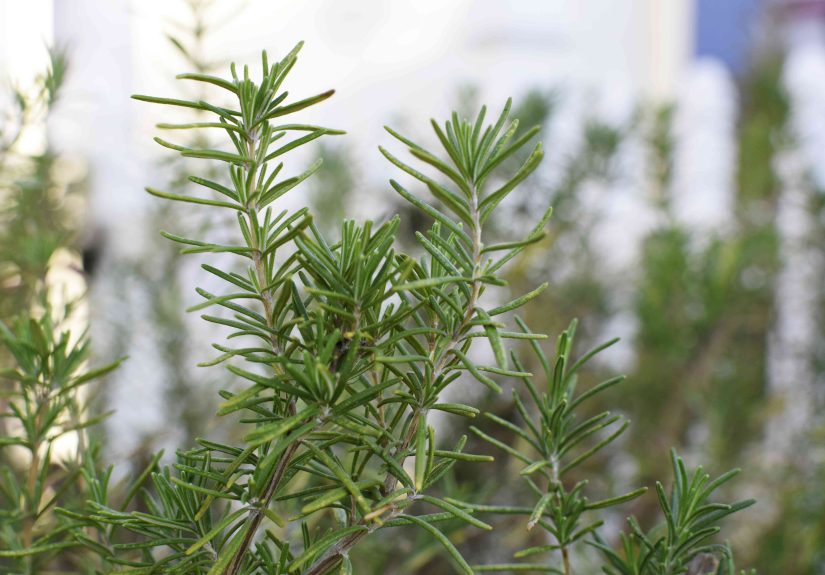
Rosemary (botanical name Salvia rosmarinus, formerly Rosmarinus officinalis) is a woody, evergreen herb that hails from the sunny hillsides of the Mediterranean. In warm climates, it grows as a perennial shrub, typically 2 to 6 feet tall, depending on the variety and growing conditions. Its needle-like leaves hold aromatic oils that give rosemary its piney, lemony, and slightly peppery flavor, making it a kitchen staple for everything from chicken to focaccia.
Beyond the kitchen, rosemary pulls double duty in the garden. Its flowers attract pollinators like bees and butterflies, while its strong scent helps repel certain pests around vegetables and ornamentals. In the right climate, it can even be used as an informal hedge or groundcover, adding structure and year-round greenery to your landscape.
The Ideal Growing Conditions for Rosemary
Light and Temperature
Rosemary is a sun worshipper. Aim for at least 6 to 8 hours of direct sunlight per day. Outdoors, that usually means a south-facing or west-facing location that isn’t shaded by trees or buildings. Indoors, rosemary does best in the brightest window you haveoften a south-facing window in the Northern Hemisphere.
In terms of temperature, rosemary is reliably hardy in USDA zones 8 to 10, where winters are mild. In colder climates, it’s commonly grown in containers so it can be moved to a protected spot or indoors for winter. Ideal daytime temperatures range between about 55°F and 80°F. Extended freezing temperatures can damage or kill plants, especially in wet soil, so plan ahead if you live in a colder region.
Soil and Drainage
If rosemary could write a dating profile, it would say: “Likes: sunshine, breezes, and dry feet. Dislikes: soggy soil and heavy clay.” The key to happy rosemary roots is fast-draining soil. In garden beds, amend compacted or clay soil with plenty of compost and coarse sand or small gravel to improve drainage. A slightly acidic to neutral soil pH of about 6.0 to 7.0 is ideal.
In containers, use a high-quality potting mix labeled for container plants or herbs. Avoid heavy, peat-only mixes that stay wet for too long. Choose a pot at least 12 inches in diameter, with one or more drainage holes. Terra-cotta pots are especially helpful because they allow excess moisture to evaporate through the sides.
Container vs. In-Ground Planting
Planting in the ground works well if you live in a climate where rosemary is hardy year-round. You’ll get a larger, more permanent shrub that can become a real focal point. If your winters are cold or your soil is heavy, containers are your friend. They give you control over the soil and make it easy to move the plant under cover during storms, heatwaves, or deep freezes.
How to Plant Rosemary
Starting with Nursery Plants
The easiest way to start growing rosemary is to buy a healthy young plant from a nursery or garden center. Look for plants with vibrant green foliage, no yellowing leaves, and no signs of pests or mildew. Avoid plants that look leggy, overly woody, or pot-bound.
To plant in a garden bed, dig a hole about as deep and slightly wider than the root ball. Set the plant so the top of the root ball is level with or just slightly above the surrounding soil, backfill, and gently firm the soil around the roots. Water thoroughly to settle everything in, then let the soil dry slightly before watering again.
For containers, partially fill the pot with potting mix, set the plant so the top of its root ball sits about an inch below the rim, and fill in around the sides. Water until it drains freely from the bottom, then empty any saucer underneath so the plant isn’t sitting in water.
Growing Rosemary from Cuttings
Rosemary cuttings are an inexpensive way to get multiple plants with identical flavor and growth habits. Take 4- to 6-inch cuttings from healthy, non-flowering stems. Strip the leaves off the bottom half, then dip the cut end in rooting hormone (optional but helpful).
Insert the cuttings into a small pot filled with a light, well-draining mixoften half potting soil and half perlite or sand. Keep the mix lightly moist and place the pot in bright, indirect light. In a few weeks, the cuttings should develop roots. You’ll know they’ve succeeded when new growth appears at the top.
Starting Rosemary from Seed
Can you grow rosemary from seed? Yes. Is it the fastest route to a lush plant? Not really. Rosemary seeds can be slow and uneven to germinate, sometimes taking two to four weeks or longer. If you want to try, sow seeds lightly on the surface of a sterile seed-starting mix and keep them warmaround 60°F or a bit higheruntil they sprout. Thin or transplant seedlings once they’re large enough to handle. For most home gardeners, cuttings or nursery plants are quicker and more reliable.
Watering and Fertilizing Rosemary
Most people who lose rosemary plants don’t do it from neglect; they do it from love. Too much water is the number one rosemary killer. Let the top 1 to 2 inches of soil dry out between waterings. Then water thoroughly and allow the excess to drain away. In containers, never leave rosemary sitting in a saucer full of water.
Outdoors in well-drained soil, established plants are fairly drought-tolerant, especially in regions with low humidity. In hot, dry weather, you may need to water once or twice a week. Indoors, water frequency will depend on the size of the pot, the potting mix, and the indoor climate, but it’s almost always less often than you think.
Rosemary doesn’t need heavy feeding. In the ground, a light application of compost in spring is often enough. In containers, feed with a balanced, water-soluble fertilizer at half strength every 4 to 6 weeks during active growth. Over-fertilizing can lead to lush but weak growth with less concentrated flavor, so err on the side of underfeeding.
Pruning, Harvesting, and Using Rosemary
How and When to Prune
Pruning keeps rosemary tidy, encourages bushy growth, and provides you with plenty of fragrant trimmings. In spring and early summer, lightly shear or pinch back the tips to shape the plant. Avoid cutting into very old, woody stems with no green growth, as these areas may not resprout.
A general rule is to never remove more than about one-third of the plant’s foliage at a time. You can also pinch the tips regularly while harvesting, which naturally encourages branching.
Harvesting for Flavor
Rosemary’s flavor is strongest just before the plant blooms, but you can harvest sprigs nearly any time of year in mild climates. Use clean, sharp scissors or pruners to snip 4- to 6-inch stems, ideally in the morning after the dew has dried but before midday heat. Rinse if needed, pat dry, and use freshor bundle the stems and hang them upside down in a cool, dry place to dry for later use.
Once dry, strip the leaves from the stems and store them in an airtight container away from heat and light. Dried rosemary keeps for months, though the flavor is most vibrant within the first year.
Growing Rosemary Indoors
Indoor rosemary has a reputation for being tricky, but success usually comes down to three things: strong light, good air circulation, and careful watering. Place your plant in the sunniest window you have, preferably south-facing. If your indoor light is limited, consider supplementing with a small LED grow light placed a few inches above the plant.
Indoor air can be dry, especially in winter with heating systems running. Rosemary appreciates moderate humidity but hates constantly wet foliage. Instead of misting heavily, which can encourage disease, place the pot on a tray filled with pebbles and a little waterjust make sure the bottom of the pot sits above the waterline.
Rotate the pot every week or two so the plant grows evenly toward the light. Keep it away from cold drafts and hot, dry blasts from vents or radiators.
Overwintering Rosemary in Cold Climates
If you garden in a region where winter temperatures drop well below freezing, you’ll need a strategy to protect rosemary. Container-grown plants can be brought indoors to a bright window or moved to a cool, bright, frost-free location such as an enclosed porch or unheated sunroom that stays above freezing.
Another option is to overwinter rosemary in a protected but unheated garage or shed. In that case, the plant will mostly rest. Give it just enough water to keep the soil from completely drying out, and move it back outdoors once the danger of hard frost has passed.
For gardeners determined to keep rosemary in the ground, choosing a cold-hardy variety like ‘Arp’ or ‘Hill Hardy’ and planting it in a very well-drained, sheltered location (such as along a south-facing wall) improves your odds. Apply a thick layer of mulch around the base in late fall to help insulate the roots.
Common Rosemary Problems and How to Fix Them
Root Rot and Yellowing Leaves
Yellow, wilting leaves and a general “sad” look often indicate overwatering and poor drainage. Check the soil: if it’s consistently soggy, roots may be rotting. Improve drainage, repot into a lighter mix if needed, and let the soil dry out more between waterings. In severe cases, you may need to take healthy cuttings and start fresh.
Powdery Mildew and Fungal Issues
A white, powdery coating on foliage signals powdery mildew, a common fungal disease in humid or poorly ventilated conditions. Improve air circulation, avoid overhead watering, and trim overcrowded stems. In mild cases, simply removing affected foliage and correcting conditions may be enough.
Pests
Rosemary is generally pest-resistant, but indoor plants can attract aphids, spider mites, or whiteflies. Inspect the undersides of leaves regularly. If pests appear, rinse the plant with a gentle stream of water and consider using insecticidal soap. Always follow label directions and avoid spraying anything you wouldn’t be comfortable using around edible herbs.
Leggy, Sparse Growth
If your rosemary is all stems and no fullness, it’s probably craving more light. Move it to a brighter spot, prune back some of the longest stems to encourage branching, and avoid over-fertilizing, which can make the plant stretch.
Real-Life Tips and Experiences with Growing Rosemary
Ask a group of gardeners about rosemary, and you’ll hear a familiar story: “My first rosemary died because I loved it too much.” That “love” usually shows up as daily watering and rich, soggy soil. Many people assume an herb must be treated like a thirsty houseplant, only to watch it slowly turn brown from the bottom up. The turning point often comes when they start treating rosemary more like a small shrub from a rocky hillsidebecause that’s essentially what it is.
One common experience is discovering how dramatically location affects success. A plant that struggles in a partly shaded corner may explode with new growth when moved to a brighter, breezier spot. Gardeners in humid regions often find that rosemary does best in raised beds or large containers, where drainage is easier to control. Those in drier climates, on the other hand, may be surprised by how drought-tolerant established plants become once their roots are deep and happy.
Indoor growers frequently report that rosemary thrives when given a “vacation” outdoors in warm weather. Moving a potted plant to a sunny patio for the summer can turn a weak, pale shrub into a robust, fragrant bush. The key is to transition it graduallystart in bright shade for a few days, then move to full sun so the leaves don’t scorch. When fall temperatures start dipping into the low 40s°F, many gardeners bring the pot back inside to its brightest window and reduce watering as growth slows.
Another shared lesson is just how much flavor you can get from even a small plant. A single, well-managed rosemary shrub can supply more than enough sprigs for roasted vegetables, marinades, bread, and cocktails. Many cooks like to keep one plant near the kitchen door or on a balcony, where they can snip a stem on their way inside. People also realize that regular harvesting makes the plant bushierthose small, frequent snips act like mini-pruning sessions, encouraging side shoots and preventing woody, bare stems.
Gardeners in cold climates often swap tips on overwintering. Some have success keeping rosemary as a year-round houseplant under a grow light. Others prefer to tuck pots into an unheated garage or basement window, watering lightly every few weeks until spring. It’s common to lose a plant or two along the way, but many find that once they dial in the right combination of cool temperatures, bright light, and restrained watering, overwintering becomes much more reliable.
Finally, people who stick with rosemary for a few seasons usually develop a kind of fond admiration for it. It’s a plant that rewards patience and observation. When you adjust your habits to match its preferencesmore sun, less water, good drainage, and regular but gentle pruningit becomes one of the easiest, most useful herbs you can grow. The real secret that experienced gardeners share is simple: respect rosemary’s Mediterranean roots, and it will thrive for years, filling your garden and kitchen with fragrance.