Table of Contents >> Show >> Hide
- What Exactly Is the “Fancy Pitcher”?
- Meet Poterie Ravel: Provençal Craft With Serious History
- Design Breakdown: Why It Looks So Good (Even When Empty)
- How to Use a Fancy Pitcher Without Turning Into a Fancy Person
- Styling Tips: Make It Pop Without Making It Weird
- Buying Guide: How People Find One in the U.S.
- Care and Feeding (Mostly Care): Keeping It Beautiful
- Why This Pitcher Has “Collector Energy”
- Conclusion: The Pitcher That Makes the Table
- Experiences: Living With a Poterie Ravel Fancy Pitcher (An Extra )
Some kitchen pieces are purely functional. Others are basically interior design with a spout. The Poterie Ravel Fancy Pitcher lives in that sweet spot where everyday utility meets “whoa, where’d you get that?”
If you’ve ever set a table and felt like it was missing one dramatic, quietly sophisticated characterthis is it. It’s the kind of pitcher that makes water feel like it came with a dress code. And if you use it for iced tea, expect compliments from people who usually only notice the Wi-Fi password.
What Exactly Is the “Fancy Pitcher”?
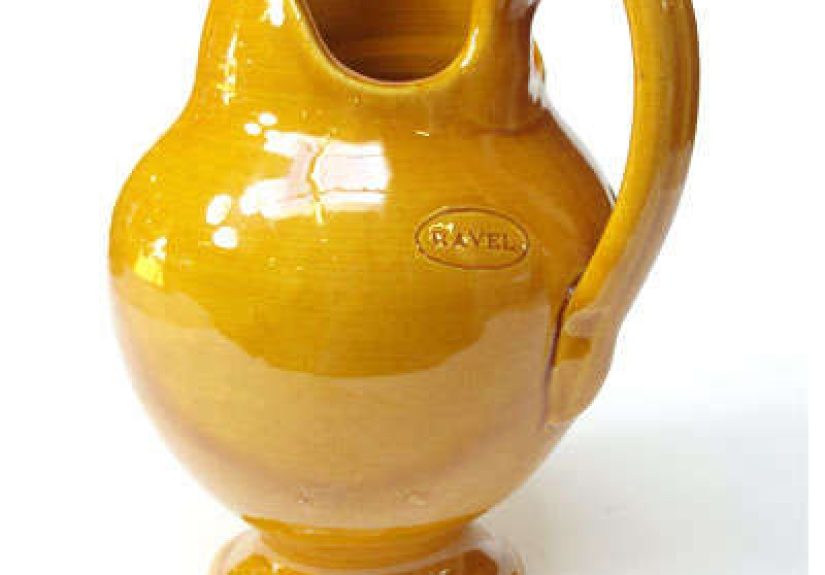
The nickname “fancy pitcher” isn’t marketing fluffit’s the vibe. It was described (back when it was offered through U.S. retailers) as the kind of elegant-shaped pitcher that belongs on a long table in a beautiful mansion, pouring French wine like it’s nobody’s business. But it also plays nice in real life: a simple kitchen table, flowers as a centerpiece, or iced tea for friends on a warm afternoon. In other words: it can be extra without being exhausting.
While listings and availability change over time, this piece became widely recognized in the U.S. design world through curated product features that positioned it as a one-of-a-kind, Provencal-style accent for dining rooms and kitchens. That “one-of-a-kind” note matters: these aren’t factory-identical cloneshandmade ceramics carry subtle differences that collectors actually want.
Meet Poterie Ravel: Provençal Craft With Serious History
To appreciate the Fancy Pitcher, it helps to know the hands (and heritage) behind it. Poterie Ravel is a long-running pottery manufacture based in Aubagne, Provence, with roots dating back to the 1800s. Over generations, the workshop built a reputation for terracotta and glazed ceramics that feel deeply Southern Frenchwarm, practical, and quietly stylish.
The brand’s tableware side includes pitchers among a broader lineup of dishes and serving pieces. Pitchers, in particular, are treated as cultural objects in Provence: vessels tied to daily living, hospitality, and the ritual of bringing something cool to the table.
Why Pitchers Are a Big Deal in Provence
In Provençal tradition, pitchers aren’t just “containers.” They’re social tools. They show up on tables the way good bread does: reliably, repeatedly, and with a certain pride. That context explains why Poterie Ravel’s pitcher lineup includes multiple shapes with distinct personalitiessome with retro nods, some built to keep ice longer, some shaped like they time-traveled from a farmhouse table in the 1970s.
Design Breakdown: Why It Looks So Good (Even When Empty)
Let’s get practical: what makes a pitcher “fancy” besides being invited to better dinner parties than the rest of us? The answer is design tensionsoft curves paired with confident structure. A great pitcher has to pour well, feel stable, and still look like it belongs in your home when it’s not performing.
1) A silhouette that reads “refined,” not fussy
The Fancy Pitcher’s appeal is how it suggests elegance without screaming it. It’s sculptural, but not precious. You don’t need white gloves to pick it up. You just need a decent excuse to serve something in it.
2) Glaze that feels edible (in the best way)
Poterie Ravel is known for bold, sun-warmed glazesthink honey, green, red, orange, creamy whites, celadon, and rich blues. The finish often looks like it was invented specifically to flatter lemons, tomatoes, and basically every food you’ve ever posted online.
3) Handcrafted variation that makes collectors happy
Handmade ceramics naturally show small differences: faint throwing lines, subtle glaze pooling, tiny kiln variations. In mass-produced tableware, those would be “defects.” Here, they’re the fingerprints of craftthe exact reason two “similar” pitchers can feel totally different in person.
How to Use a Fancy Pitcher Without Turning Into a Fancy Person
The best part of a statement piece is using it like it’s normal. Here are genuinely useful ways to put a Poterie Ravel Fancy Pitcher to workwithout pretending you summer in Provence (unless you do, in which case, please adopt me).
Everyday serving ideas
- Water, obviously (suddenly hydration feels aspirational).
- Iced tea or lemonade for a casual table that looks intentionally styled.
- Wine or sangria when you want “effortless host” energy.
- Warm drinks only if you’re confident about heat toleranceavoid thermal shock either way.
Not-food uses that still feel “right”
- Flowers: the fastest way to make it a centerpiece without thinking too hard.
- Wooden spoons by the stove: practical, tidy, and surprisingly photogenic.
- Olive branches or herbs: Provence in spirit, even if you’re in Pittsburgh.
Styling Tips: Make It Pop Without Making It Weird
Pair it with “quiet” textures
Because the pitcher is already doing the most (in a charming way), it loves calm supporting actors: linen, unfinished wood, stoneware plates, and neutral napkins. If your table looks like it’s auditioning for a paint-sample catalog, the pitcher becomes the color story.
Use repetition, not clutter
If the pitcher’s glaze is warm (ochre, honey, orange), echo it once: a citrus bowl, a small marigold bouquet, or a single brass candlestick. One. Not twelve. We’re aiming for “considered,” not “garage sale.”
Go modern with it
A classic French form can look surprisingly contemporary when you place it in a clean setting: white walls, minimal table, one strong object. This is how you get that high-end “gallery kitchen” mood while still eating cereal in sweatpants.
Buying Guide: How People Find One in the U.S.
The Fancy Pitcher has appeared through curated design/retail channels and has also shown up secondhandbecause good ceramics travel. Historically, U.S. shoppers discovered it through specialty ceramic retailers and design sourcebooks. Today, your best bet is often the resale ecosystem: vintage marketplaces, curated secondhand décor sites, and auction-style listings.
What to look for in a listing
- Clear photos of the spout and handle (these areas reveal chips and repairs).
- Base photos showing maker’s marks or stamps.
- Close-ups of glaze to spot crazing (fine crackle lines), scratches, or discoloration.
- Measurements (pitchers photograph larger/smaller than they are; it’s a law of nature).
Authenticity and marks (without turning into a detective show)
Many makers evolve their stamps and markings over time, and Poterie Ravel is no exception. Some owners have noted different stamp styles on older pieces than what appears on more current production. If you’re buying secondhand, prioritize reputable sellers, ask for base photos, and compare with other known examples rather than expecting one “perfect” stamp.
Care and Feeding (Mostly Care): Keeping It Beautiful
A handcrafted pitcher is durable, but it’s not indestructible. The goal is to preserve both the form and the glazeespecially if you’re treating it as a functional art object.
Avoid thermal shock
Sudden temperature changes are a classic way to stress ceramicsthink boiling liquid into a cool vessel, or a cold pitcher into hot dishwater. If you want your pitcher to live a long, glamorous life, let temperatures change gradually.
Hand-washing is the safest default
Even when some glazed earthenware can handle dishwashers, hand-washing reduces the risk of chipping (from rattling) and preserves the surface over time. A soft sponge, mild soap, and no aggressive scraping is the easy win.
Food-safety note (especially for vintage and unknown pieces)
Lead concerns around ceramics are real, particularly with older, imported, or decorative wares. U.S. public health guidance has repeatedly flagged lead-glazed or improperly labeled pottery as a potential risk, especially if used with food or acidic liquids and especially if the surface is worn, cracked, or damaged. If you can’t verify food-safety (or the pitcher is vintage and you don’t know the glaze), treat it as decorative or use it for non-food purposes like flowers. When in doubt, choose caution over aesthetic bravery.
Why This Pitcher Has “Collector Energy”
Plenty of pitchers are pretty. The Poterie Ravel Fancy Pitcher tends to stick in people’s minds because it sits at the intersection of three things:
- Provenance: a long-established Provençal maker with a recognizable style.
- Design-world visibility: featured as a curated, aspirational tabletop piece in U.S. design media.
- Usefulness: it’s not a fragile figurineit’s meant to participate in daily life.
That combination creates a special kind of object: it feels story-rich without being museum-only. You can actually pour from it, then leave it out on the counter like a sculpture that happens to help you host.
Conclusion: The Pitcher That Makes the Table
The Poterie Ravel Fancy Pitcher is what happens when a practical object gets the full benefit of heritage craftsmanship and good proportions. It’s a piece that earns its keepserving, styling, and quietly upgrading your kitchen’s moodeven when you’re just refilling water like a normal human.
If you find one, don’t overthink it. Use it. Put flowers in it. Pour iced tea. Let it be fancy on your behalf. That’s the whole point.
Experiences: Living With a Poterie Ravel Fancy Pitcher (An Extra )
The first thing you learn after bringing a Fancy Pitcher home is that it immediately appoints itself “Head of the Kitchen.” Not in an annoying waymore like a capable friend who shows up, rolls up their sleeves, and then somehow makes your apartment look like you own matching napkins.
My week with a statement pitcher started innocently: water. Just water. I filled it, set it on the table, and realized that everyone drank more simply because the vessel made hydration feel like a life upgrade. Guests didn’t ask, “Do you have water?” They asked, “What is that pitcher?”as if I’d personally commissioned it from a sunlit studio in Provence and not simply acquired it like the rest of my things: with optimism and a credit card.
Day two was iced tea, and this is where the Fancy Pitcher really shines. You pour, the spout behaves, and suddenly your casual afternoon looks like a cookbook photo shoot. A friend took a picture “for the vibes,” which is how I knew the pitcher had crossed into lifestyle territory. Nobody photographs a plastic jug. Nobody ever said, “Hold on, let me capture the moment” about a fluorescent sports bottle. But a ceramic pitcher with a confident silhouette? That’s basically an influencer with a handle.
Midweek, I went full centerpiece. A few grocery-store flowersnothing fancy, ironicallywent into the pitcher, and the whole table looked pulled together. This was the surprising lesson: the pitcher doesn’t demand expensive supporting cast members. It’s generous like that. It makes ordinary things look intentional. Like you planned. Like you didn’t just remember people were coming over thirty minutes ago.
Then came the “host test”: a small dinner with friends, a pasta situation, and a bottle of wine that I pretended I understood. Someone joked that the pitcher belonged on a long table in a mansion. Another person pointed out we were eating in a small apartment with a chair that squeaks. The pitcher didn’t care. It performed elegance without requiring the rest of us to upgrade our lives. That’s the magic: it adds refinement without asking you to become refined.
By the end of the week, the Fancy Pitcher had become less of an “object” and more of a habit. It lived on the counter. It held wooden spoons one day, flowers the next, water whenever it felt like being useful. And every time I saw it, it did the same quiet thing: it reminded me that daily ritualspouring a drink, setting a table, putting something beautiful where you’ll actually see itare allowed to be a little special. Not mansion special. Just “I live here, and I like it here” special.