Table of Contents >> Show >> Hide
- What Is Anaphylaxis?
- Common Causes and Triggers of Anaphylaxis
- How Anaphylaxis Affects the Body
- Signs and Symptoms of Anaphylaxis
- What To Do in an Anaphylactic Emergency
- Diagnosis, Follow-Up, and Long-Term Management
- When to See a Doctor or Allergist
- Real-Life Experiences and Practical Tips (Extended Insights)
- Putting It All Together
Imagine this: You’re eating dinner, enjoying your favorite shrimp pasta or peanut butter dessert, and within minutes your throat feels tight, your skin is itching, and it’s suddenly hard to breathe. That terrifying, fast-moving reaction could be anaphylaxis – a medical emergency that needs action right now, not “let me Google this real quick.”
This guide breaks down what anaphylaxis is, what causes it, the warning signs you should never ignore, and how it’s treated. We’ll also talk about living with the risk of anaphylaxis in everyday life. This article is for education only and is not a substitute for professional medical advice or emergency care. If you ever suspect anaphylaxis, call emergency services immediately.
What Is Anaphylaxis?
Anaphylaxis is a severe, potentially life-threatening allergic reaction that usually comes on quickly and affects multiple parts of the body at once. Instead of a mild rash or a bit of sneezing, your immune system basically hits the panic button and releases a flood of chemicals that can:
- Narrow your airways
- Drop your blood pressure
- Cause widespread swelling and hives
- Lead to shock and, without treatment, death
Anaphylaxis is considered a medical emergency. It can happen within seconds to minutes of exposure to an allergen (the thing you’re allergic to), though sometimes it may be delayed. People of any age can experience anaphylaxis, and it can occur even if previous reactions to the same trigger were mild.
Estimates suggest that 1.6% to 5.1% of people in the United States will experience anaphylaxis at least once in their lifetime. That may sound small, but given the population, it’s not rare at all – which is one reason healthcare professionals emphasize awareness and preparedness.
Common Causes and Triggers of Anaphylaxis
Anaphylaxis can be triggered by many different substances, but a few categories cause most cases.
1. Foods
Foods are a leading cause of anaphylaxis, especially in children and young adults. Common food triggers include:
- Peanuts
- Tree nuts (such as walnuts, cashews, pistachios, Brazil nuts)
- Shellfish and fish
- Milk
- Eggs
- Sesame and other seeds
Here’s the frustrating part: even a tiny amount of a food allergen can cause a severe reaction in some people. Cross-contact (for example, shared utensils, oil, or equipment) can be enough to trigger anaphylaxis in highly sensitive individuals.
2. Medications
Medications are a major trigger of anaphylaxis in adults. These can include:
- Certain antibiotics (such as penicillins and cephalosporins)
- Nonsteroidal anti-inflammatory drugs (NSAIDs) like ibuprofen
- Some chemotherapy drugs and monoclonal antibodies
- Contrast dyes used in some imaging tests
In many cases, people have no issue the first time they take a drug; the immune system may become sensitized and react on a later exposure. This is why sudden “out of nowhere” drug allergies can be so surprisingand dangerous.
3. Insect Stings
Venom from stinging insects such as bees, wasps, hornets, yellow jackets, and fire ants can trigger anaphylaxis in people with venom allergies. For some, a sting may cause only local swelling. For others, a single sting can lead to life-threatening shock. Previous systemic reactions (beyond just redness at the sting site) raise the risk of future severe reactions.
4. Latex
Latex allergy can cause anaphylaxis, especially in people who are frequently exposed, such as healthcare workers or individuals who have had multiple surgeries. Latex can be found in gloves, balloons, elastic in clothing, and various medical devices.
5. Exercise and “Mystery” Triggers
Sometimes, anaphylaxis isn’t linked to a single obvious allergen. Examples include:
- Exercise-induced anaphylaxis: physical exertion triggers symptoms.
- Food-dependent exercise-induced anaphylaxis: a certain food combined with exercise causes a reaction, while the food alone may not.
- Idiopathic anaphylaxis: no clear trigger can be identified despite careful evaluation.
Who Is at Higher Risk?
Anyone can experience anaphylaxis, but risk is higher if you:
- Have a known food, drug, insect, or latex allergy
- Have had anaphylaxis in the past
- Live with asthma, especially if it’s not well controlled
- Have mast cell disorders (like mastocytosis or mast cell activation syndrome)
- Have multiple allergies or other atopic conditions (eczema, allergic rhinitis)
How Anaphylaxis Affects the Body
Anaphylaxis is basically your immune system overreacting on a dramatic scale. Here’s the quick version of what’s happening behind the scenes:
- You encounter an allergen (food, drug, venom, etc.).
- If you’re sensitized, your immune system has antibodies (often IgE) ready to “recognize” that allergen.
- Those antibodies help trigger mast cells and basophils (immune cells) to release chemical mediators like histamine and others.
- These chemical mediators cause blood vessels to widen and leak, airways to constrict, and tissues to swell.
The result? A fast-moving mix of hives, swelling, breathing difficulty, low blood pressure, nausea, vomiting, and dizziness. In severe cases, this leads to anaphylactic shock, where blood pressure drops so low that organs don’t get enough oxygen.
Signs and Symptoms of Anaphylaxis
Symptoms usually start within minutes of exposure, but can sometimes take longer. They often involve more than one body system.
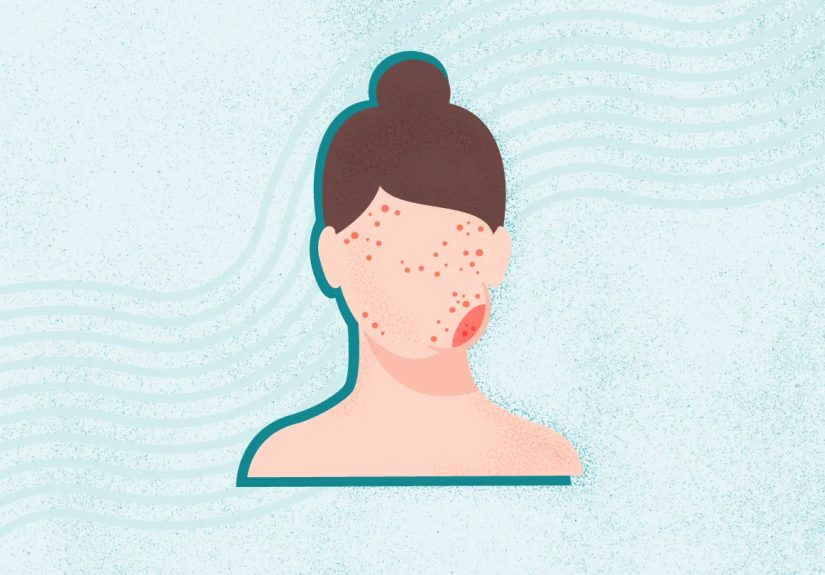
Skin and Mucous Membranes
- Hives (raised, itchy, red welts)
- Flushing or sudden warmth
- Swelling of the lips, tongue, face, or eyelids (angioedema)
- Itching of the palms, soles, or scalp
Breathing and Airway
- Tightness in the throat or chest
- Hoarseness or trouble speaking
- Wheezing or shortness of breath
- Feeling like “something is stuck” in the throat
Heart and Circulation
- Rapid, weak pulse
- Dizziness or lightheadedness
- Fainting or loss of consciousness
- Pale, cool, or clammy skin
Digestive System
- Nausea or vomiting
- Abdominal cramps
- Diarrhea
Nervous System and “Sense of Doom”
- Anxiety or confusion
- A sudden feeling that “something very bad is happening”
You don’t need all of these symptoms to be experiencing anaphylaxis. A combination of skin symptoms plus trouble breathing or low blood pressure is especially concerning.
Anaphylaxis vs. a Mild Allergic Reaction
Not every allergic reaction is anaphylaxis. Mild allergy might look like:
- A few hives or a small rash
- Itchy eyes or a runny nose
- Mild nausea without breathing problems
Anaphylaxis, on the other hand, usually involves:
- Rapid onset
- Multiple body systems (skin + breathing, or skin + gut, or heart + breathing, etc.)
- Signs of low blood pressure, breathing difficulty, or shock
When in doubt, especially in someone with known severe allergies, it’s safer to treat it as anaphylaxis and use epinephrine if prescribed than to “wait and see.” Waiting is the enemy here.
What To Do in an Anaphylactic Emergency
If you suspect anaphylaxis in yourself or someone else, act quickly. Seconds and minutes matter.
1. Call Emergency Services
In the United States, call 911 immediately. Even if symptoms seem to improve, the person needs medical evaluation and monitoring because reactions can return (a biphasic reaction) hours after the initial episode.
2. Use an Epinephrine Auto-Injector (If Available)
Epinephrine (adrenaline) is the first-line treatment for anaphylaxis. It’s the only medication that can quickly reverse the most dangerous symptomsairway swelling, low blood pressure, and shock.
If the person has a prescribed epinephrine auto-injector (like an EpiPen or similar device):
- Use it right away at the first sign of anaphylaxis.
- Inject into the outer thigh, through clothing if needed, exactly as instructed by the prescribing provider.
- Do not hesitatedelayed epinephrine is linked with worse outcomes.
Antihistamines and inhalers can be helpful as add-on medications, but they cannot replace epinephrine in treating anaphylaxis.
3. Position and Support the Person
- If they feel faint or lightheaded, have them lie flat with their legs elevated (unless breathing is easier in a slightly upright position).
- If they’re vomiting or pregnant, lying on their side may be safer.
- Do not let them stand up or walk around, as this can worsen low blood pressure.
4. A Second Dose May Be Needed
Sometimes symptoms don’t fully respond to the first dose of epinephrine, or they return. Guidelines often recommend keeping a second auto-injector available and using it if symptoms persist or worsen after a short period, based on the person’s emergency plan. However, this should never replace calling emergency services.
5. Emergency Room Care
Once in the emergency department, medical staff may:
- Give additional epinephrine if needed
- Provide oxygen and respiratory support
- Start IV fluids to support blood pressure
- Give antihistamines and steroids as adjunctive treatments
- Monitor for several hours for signs of a biphasic reaction
Diagnosis, Follow-Up, and Long-Term Management
Confirming the Diagnosis
After an emergency, an allergist or immunologist can help confirm what happened and identify triggers. They may:
- Review the detailed history of the reaction
- Order blood tests (such as tryptase in some cases) close to the event
- Perform allergy tests (skin or blood tests) for suspected foods, venoms, or medications
Sometimes, despite best efforts, the exact trigger remains unknown. That’s called idiopathic anaphylaxis.
Personalized Anaphylaxis Action Plan
People who are at risk of anaphylaxis should have a written emergency action plan. This typically includes:
- Your specific triggers (if known)
- Early symptoms to watch for
- Exactly when and how to use epinephrine
- When to call emergency services
Copies of this plan should be shared with schools, workplaces, coaches, family members, and caregivers as appropriate.
Everyday Prevention Strategies
- Strict avoidance of known triggers: Read food labels carefully, and ask questions at restaurants.
- Always carry epinephrine: Many specialists recommend carrying two auto-injectors at all times.
- Medical ID: Wearing a medical alert bracelet or necklace can help first responders act faster.
- Venom immunotherapy: For insect venom allergies, allergy shots can significantly lower the risk of future severe reactions.
- Medication review: Always tell healthcare providers and pharmacists about your allergies.
When to See a Doctor or Allergist
Contact your healthcare provider or an allergy specialist if:
- You’ve had any severe allergic reaction, especially if it involved breathing trouble, dizziness, or low blood pressure.
- You suspect you may need an epinephrine auto-injector.
- You have asthma and food or insect allergiesthis combination raises risk.
- Your child has had concerning reactions, even if they seemed to resolve quickly.
The goal isn’t to make you live in fear; it’s to give you tools so that if a reaction happens, you’re ready to act quickly and confidently.
Real-Life Experiences and Practical Tips (Extended Insights)
Reading about anaphylaxis in a textbook is one thing; living with the risk of it is another. People who have experienced anaphylaxis often describe it as a “before and after” moment in their lives. Here are some common experiences and lessons they shareblended and anonymized, but very real in spirit.
1. The First Reaction Is Often a ShockLiterally and Emotionally
Many people remember their first anaphylactic reaction as coming “out of nowhere.” Maybe they’d eaten a food dozens of times before, or assumed a bee sting was just annoying, not dangerous. They recall a sudden wave of warmth, intense itching, and then a panicked realization that they couldn’t catch their breath. Even after physical recovery, the emotional impact can be huge. It’s common to feel anxious about eating out, traveling, or being far from a hospital.
What helps? A clear action plan and some practice. Going over how to use an epinephrine auto-injector with an allergist, watching demonstration videos, and even rehearsing what you’ll say to others in an emergency (“I’m having anaphylaxis. Call 911. Here’s my epinephrine.”) can restore a sense of control.
2. Carrying Epinephrine Becomes as Routine as Carrying Your Phone
At first, people may feel self-conscious about carrying a visible auto-injector or a small belt pouch. Over time, though, it becomes as automatic as grabbing keys and a wallet. Parents of children with severe allergies often keep sets in multiple places: at school, in daycare, in the sports bag, and at home.
Many people say they feel calmer knowing that they are prepared. Instead of thinking, “What if something happens?” they can think, “If something happens, I know exactly what to do.” The device becomes less a symbol of danger and more a symbol of safety.
3. Navigating Restaurants and Social Events Takes Practice
Social life doesn’t have to disappear after an anaphylaxis diagnosis, but it does require new habits. People quickly learn which restaurants are allergy-friendly, how to ask about ingredients without feeling rude, and when to walk away if something doesn’t feel safe.
Helpful strategies include:
- Calling ahead to ask about menu items and cross-contact.
- Eating a safe snack before events where food is uncertain, so you’re not forced to take risks out of hunger.
- Bringing your own safe dish to parties or gatherings.
Over time, these habits become second nature. Friends and family often adapt too, learning to read ingredient labels and keep allergens out of shared meals when possible.
4. Schools and Workplaces Can Be Partners, Not Enemies
Parents of children with anaphylaxis sometimes fear school settings, especially if their child is young. The good news is that many schools now have policies and training for managing severe allergies. Parents often meet with teachers, school nurses, and administrators to share the child’s action plan and talk through practical issues like snack time, field trips, and classroom celebrations.
In the workplace, adults might talk with human resources or supervisors about keeping epinephrine accessible and making sure colleagues know the basics of recognizing anaphylaxis and calling emergency services. Most people are willing to help once they understand the seriousness of the condition and the simplicity of the first steps.
5. Mental Health Matters Too
Anaphylaxis is not just a physical event; it can be emotionally traumatic. Some people develop intense anxiety about eating, going outside, or traveling. Others feel guilty or burdensome when asking for accommodations at restaurants or family gatherings.
Talking with a mental health professional who understands chronic health conditions, joining support groups (online or in-person), or connecting with allergy organizations can make a big difference. Sharing stories with others who “get it” often reduces the sense of isolation and fear.
6. Prepared, Not Paralyzed
The most important theme from people living with anaphylaxis is this: preparedness is powerful. Knowing your triggers (when possible), avoiding them as best you can, carrying epinephrine, and making sure the people around you know how to help can turn a frightening diagnosis into a manageable part of life.
Is it fair that someone has to read every label and ask every waiter about hidden ingredients? No. But having anaphylaxis doesn’t mean life is over; it means life comes with a very specific safety manual. Once that manual is understood and practiced, many people return to travel, sports, social events, and everyday joyswith a little more planning, and a lot more resilience.
Putting It All Together
Anaphylaxis is a serious, fast-moving allergic reaction that can affect multiple body systems and become life-threatening in minutes. The most common triggers include foods, medications, insect stings, and latex, but exercise and unknown factors can also be involved.
The keys to staying safe are:
- Recognizing symptoms quickly
- Using epinephrine as the first-line treatment when anaphylaxis is suspected
- Calling emergency services and getting medical care
- Working with healthcare professionals to develop a personalized plan
- Carrying epinephrine and educating people around you
You don’t have to live in fear of anaphylaxis, but you do need to respect it. With awareness, preparation, and the right treatment, many people at risk of anaphylaxis live full, active, and joyful livesjust with a little more attention to what’s on the plate and what’s in the backpack.