Table of Contents >> Show >> Hide
Revamping a vintage 1964 single-wide mobile home can be a daunting task, especially when you’re working with limited space and an even more limited budget. However, one DIY project that can completely transform the look of your mobile home is a painted floor. Yes, you heard that righta painted floor can make all the difference, adding a fresh, stylish vibe that modernizes your home while keeping the charm of its retro roots.
In this article, we’ll explore how a simple floor painting project can breathe new life into your 1964 single-wide mobile home, and give you some pro tips for achieving the best results. Whether you’re looking to give your floors a fresh new look, hide imperfections, or simply add a bit of personality to your space, a painted floor is a budget-friendly way to do it all.
Why Paint Your Floor?
Flooring can make or break a room, and while installing new floors is an option, it can also be expensive and time-consuming. When you’re dealing with a vintage mobile home, the original flooring may show its age. Cracked linoleum, faded carpets, or stained wood can give off the wrong impression. That’s where painting comes in. It’s cost-effective, customizable, and, when done correctly, can give your mobile home floors a totally fresh, modern look without breaking the bank.
But why specifically paint your floors in a 1964 mobile home? For starters, mobile homes often have subflooring that’s not quite up to the standards of traditional homes. Whether it’s thin plywood or cheaper laminate, the floors might not provide the long-lasting beauty that a more permanent flooring option would. Painting over them offers a quick fix that’s durable and stylish. Additionally, a painted floor can add a unique character to your space, making your home stand out in the best way possible.
Choosing the Right Paint for the Job
When it comes to painted floors, selecting the right type of paint is crucial for both aesthetic appeal and durability. You’ll want a product that can handle high traffic, resist moisture, and last through the wear and tear of daily life in a mobile home.
Here are the most common types of paints used for floor projects:
- Oil-Based Paint: This type of paint is durable and provides a smooth, hard finish. It’s ideal for high-traffic areas but takes longer to dry and has a stronger odor.
- Latex Paint: A popular choice due to its fast drying time and easy cleanup, latex paint is less toxic but may not be as durable as oil-based paint. However, it can still do the job if you use the right type of primer and finish.
- Chalk Paint: For a more vintage, distressed look, chalk paint can give your floors a soft matte finish that feels like it came out of a high-end boutique. It’s easy to use and requires minimal prep work.
- Epoxy Floor Paint: If you’re looking for something more industrial and extremely durable, epoxy paint is the way to go. This type of paint is often used in garages and commercial settings, but it can work wonders in a mobile home, too. It’s resistant to stains and can withstand heavy use.
Depending on the finish you desire and the functionality of the space, any of these options can work for your mobile home floors. Just be sure to select a paint designed specifically for floors and consider your traffic needs before making a final choice.
Preparation is Key
Before diving into the actual painting process, proper prep work is essential. The last thing you want is for your beautiful painted floors to peel or chip after just a few months. Here’s a step-by-step guide to preparing your floors:
- Clean the Surface: Thoroughly clean the floor to remove dirt, grease, and any other debris. A clean surface ensures that the paint adheres properly.
- Sanding: Lightly sand the surface to create a rough texture. This helps the paint grip better and prevents it from peeling off over time.
- Patch Imperfections: Fill any cracks or holes with wood filler or patching compound, then sand them smooth.
- Prime the Floor: Apply a primer designed for floors. This step helps seal the surface and ensures that the paint sticks.
- Protect the Surrounding Area: Tape off the edges of your walls, baseboards, and any other areas you don’t want painted. Using a drop cloth can also prevent paint splatters on your furniture or walls.
Once your floors are prepped, you’re ready to start painting. It’s important to follow the manufacturer’s instructions for drying times between coats and application techniques to achieve the best results.
How to Paint Your Mobile Home Floor
Now, let’s get into the fun partthe painting! Here’s a simple guide on how to apply the paint and get those floors looking fabulous:
- Step 1: Start by applying your first coat of paint in smooth, even strokes. Work in small sections to avoid the paint drying before you can spread it properly.
- Step 2: Let the first coat dry completely, then lightly sand the surface again to ensure the second coat adheres well.
- Step 3: Apply your second coat of paint. For best results, use long, even strokes to avoid any brush marks. A roller can also be used for a smoother finish.
- Step 4: Once the second coat is dry, apply a clear sealer to protect your painted floor from scuffs and stains. Epoxy or polyurethane sealers work best for high-traffic areas.
- Step 5: Allow the sealer to cure fully before moving furniture or walking on the floor. This can take up to 72 hours, depending on the product used.
Once your floors are fully dry and sealed, you can enjoy your beautiful new space. The transformation will leave your single-wide mobile home looking modern and refreshed with a cozy, personal touch.
Adding Design Elements
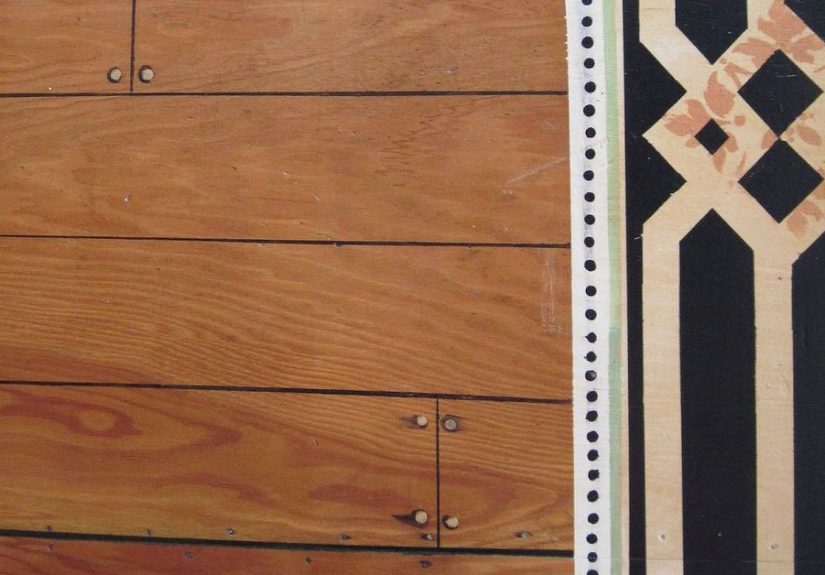
If you’re feeling adventurous, you can take your painted floors one step further by adding creative designs. For example, consider creating a striped pattern, stenciling a design, or even using contrasting colors for a checkerboard effect. These designs can give your floor a unique and artsy feel, making it a conversation piece for all who visit.
Design Ideas:
- Chevron Stripes: A bold and dynamic pattern that can add depth to your room.
- Herringbone: A classic, elegant look that never goes out of style.
- Solid Color with Accent Details: A solid color with geometric or floral stencils on a portion of the floor.
Adding designs not only makes the painted floor more interesting, but it’s also a way to showcase your personality and style. It’s all about having fun and experimenting with color!
Conclusion
A painted floor is a fantastic way to transform your 1964 single-wide mobile home into a stylish and functional space. It’s a budget-friendly project that allows you to add personality to your floors while preserving the vintage charm of your home. With the right prep work, paint, and design choices, you can give your floors a fresh new look that will last for years to come.
If you’ve been hesitant to take on a floor painting project, we hope this guide helps you feel confident in your ability to tackle it. With patience, attention to detail, and a little creativity, you’ll have floors that are as beautiful as the rest of your mobile home. Happy painting!
My Personal Experience with Painted Floors
When I decided to give my own vintage 1964 single-wide mobile home a makeover, I was immediately drawn to the idea of painting my floors. As someone who loves DIY projects and is constantly looking for ways to upgrade my home without breaking the bank, I knew this would be a fun challenge.
After doing some research and reading reviews from other DIYers, I chose an oil-based paint for the durability and sleek finish. The process itself was surprisingly easy, and the results were stunning. My once-dated floors were transformed into a work of art. The biggest surprise was how much brighter and more spacious my home felt after the paint dried and cured. It gave the entire space a modern, yet cozy, vibe.
As I added small toucheslike a rug in the living room and some plants by the windowI couldn’t believe how the painted floor had completely changed the mood of the space. The project also gave me the confidence to tackle other areas of the home. I’ve since repainted the walls and updated my furniture, but the floors remain the centerpiece of my mobile home makeover.
Overall, the painted floor has not only improved the look of my mobile home but also inspired me to take on even more DIY projects. If you’re considering painting your floors, I highly recommend itit’s an easy, affordable, and incredibly rewarding project that will give your mobile home the makeover it deserves.