Table of Contents >> Show >> Hide
- What Makes a Mid-Century Cape Cod Home Unique?
- Step One: Clean, Repair, and Simplify the Exterior
- Color and Contrast: Updating Your Cape Cod’s Exterior Palette
- Landscaping for Cape Cod Curb Appeal
- Lighting and Details: Small Upgrades, Big Impact
- Balancing Mid-Century Character with Modern Curb Appeal
- Budget-Friendly Curb Appeal Ideas for Cape Cod Homes
- Real-Life Experiences: What Homeowners Learn Updating Mid-Century Cape Cod Curb Appeal
- Conclusion: Helping Your Mid-Century Cape Cod Shine
If you own a mid-century Cape Cod home, you already have something special: a simple, storybook shape
with huge potential. The downside? From the street, many of these houses can look a little… plain.
Flat front, basic siding, teeny tiny porch, foundation plants marching in a straight linecute, but
not exactly “wow.” The good news is that it doesn’t take a full gut remodel to turn a modest Cape
Cod into a head-turning charmer. With smart color choices, thoughtful landscaping, and a few key
architectural tweaks, you can refresh the curb appeal while keeping every bit of that mid-century
character you fell in love with.
In this guide, we’ll walk through practical, budget-conscious ideas inspired by real Cape Cod
makeovers, designer tips, and landscape pros. Whether your home has brick, shingle, or clapboard
siding, you’ll find curb appeal ideas that fit a mid-century Cape Cod and make it feel updated,
inviting, and just a little bit coastal, without trying to turn it into something it’s not.
What Makes a Mid-Century Cape Cod Home Unique?
Before you start repainting everything in sight, it helps to understand what defines a Cape Cod
house. Traditionally, these homes are compact and symmetrical, with a steeply pitched roof,
simple rectangular footprint, and minimal exterior ornamentation. Modern versions often include
dormers, side additions, or attached garages, but that core “box with a hat” shape is still there.
A mid-century Cape Codthink 1940s through 1960soften includes:
- Low to medium roof pitch with asphalt shingles
- Simple front façade with a centrally placed door or slightly off-center door
- Double-hung windows, sometimes paired or with shutters
- Small or non-existent front porch or stoop
- Modest footprint and limited exterior detail
The design challenge is balancing “clean and simple” with “warm and welcoming.” Too plain and the house
fades into the background. Too much decor and you lose that classic Cape Cod charm. The sweet spot is
timeless, restrained curb appeal with a few standout moments.
Step One: Clean, Repair, and Simplify the Exterior
It’s not glamorous, but the first step in any curb appeal makeover is cleaning and maintenance. Even
the best Cape Cod landscaping will fall flat if the siding is dingy and the gutters are sagging.
Power Wash Your Way to an Instant Makeover
Years of grime on siding, walkways, and steps can make a home look tired. A good power wash can brighten
vinyl or painted siding, revive brick, and make your concrete walkway look almost new. It’s one of the
fastest, most budget-friendly improvements and sets the stage for everything else.
Repair the Little Things That Make a Big Difference
Replace cracked steps, straighten a leaning mailbox, secure loose railings, and remove rusted house
numbers or light fixtures. Designers consistently call these small eyesores “curb appeal killers”
because they send the message that a home isn’t well cared for. Fixing them is inexpensive compared to
big projects but instantly boosts perceived value.
Color and Contrast: Updating Your Cape Cod’s Exterior Palette
Once things are clean and sound, color becomes your most powerful curb appeal tool. Mid-century Cape
Cods look best in classic, neutral palettes with a pop of color reserved for the door, shutters, or
flowers. Think timeless, not trendy.
Choose a Timeless Main Exterior Color
If your siding needs repainting or you’re replacing it, consider soft grays, warm whites, light taupe,
or desaturated greige. These colors play nicely with traditional Cape elements like shingles and
clapboard and won’t look dated in a few years. If you have original brick, most pros suggest
not painting it unless it’s in rough shape; painting brick can be high maintenance and
turn off future buyers. Instead, work with the existing brick tones and update trim, shutters, and
accent colors around them.
Use Trim and Shutters to Frame the House
Crisp white trim is a classic for Cape Cod homes. It makes windows feel larger and outlines the roof
and corners of the house, giving a neat, finished look. If you have shutters, make sure they’re
properly sized (they should look like they could actually close over the window). Consider replacing
thin, plastic shutters with simple, solid panels or board-and-batten styles. A soft black, charcoal,
or deep navy shutter looks fresh but still traditional.
Make the Front Door the Star
The front door is your biggest curb appeal opportunity on a small, flat façade. A mid-century Cape Cod
looks fantastic with:
- A solid door in a saturated color (navy, deep teal, classic red, or even a cheerful yellow)
- Fresh hardware in a cohesive finish (matte black, brass, or satin nickel)
- A simple, high-quality doormat and one or two potted plants flanking the entry
If you’re replacing the door, consider a style that blends traditional and modernmaybe a shaker-style
panel door with a small, clear-glass window. Avoid oversized or overly contemporary designs that clash
with the modest scale of a Cape Cod.
Landscaping for Cape Cod Curb Appeal
Landscaping is where a mid-century Cape Cod really comes to life. Because these homes tend to be simple
boxy forms, the front yard does a lot of visual heavy lifting. The goal is to add layers, texture, and
color without going full jungle.
Create a Welcoming Front Walkway
Many older Capes have a narrow, straight concrete path from the driveway or sidewalk to the front door.
Upgrading this can dramatically change the feel of the home. Consider:
- Widening the walkway so two people can walk side by side comfortably
- Replacing plain concrete with brick pavers, stone, or stamped concrete
- Softening straight lines with a very gentle curve leading to the entry
Line the walkway with low-maintenance perennials or small shrubs to create a sense of arrival. Just
avoid tall plants that block windows or hide the door.
Layer Plants for a Full, Finished Look
A Cape Cod front yard often looks “empty” because it has too much flat lawn and not enough layers.
Designers recommend a simple formula:
- Back layer: Medium shrubs like boxwood, hydrangea, or inkberry holly
- Middle layer: Flowering perennials such as catmint, black-eyed Susans, or daylilies
- Front layer: Groundcovers or low edging plants like creeping thyme or dwarf mondo grass
For a true Cape vibe, blue hydrangeas are a classic. They add color, shape, and a touch of coastal
charm that looks great against weathered shingles or soft gray siding.
Choose Plants That Match Your Maintenance Style
Cottage-style plantings look beautiful, but they also require regular trimming and dividing. If you
know you’re not a “weekend gardener” type, lean into low-maintenance shrubs, ornamental grasses, and
a few seasonal containers. Consistent care beats ambitious but overgrown beds every time.
Lighting and Details: Small Upgrades, Big Impact
Once the big piecespaint, plants, and pathsare in place, it’s time to layer in the details that make
your home feel finished and welcoming at all hours.
Upgrade Exterior Lighting
Swapping out dated, undersized light fixtures at the front door and garage is one of the fastest ways
to modernize a mid-century Cape Cod. Look for fixtures that are:
- Proportionate to the space (most people buy lights that are too small)
- Simple and classic, such as lantern-style sconces or onion-style lights
- Warm in color temperature so the light is inviting, not harsh
Consider adding low-voltage path lights to highlight your walkway and accent lights to showcase a
beautiful tree or the front façade. You get both safety and style, and your home looks just as charming
at night as it does during the day.
Dial In the Finishing Touches
The little things really do matter. To pull your Cape Cod curb appeal together, focus on:
- House numbers: Large, modern-but-simple numbers in a single finish
- Mailbox: Replace a faded or dented mailbox with a sturdy new one, or mount a wall box near the door
- Decor: Choose just a few itemslike a seasonal wreath and one welcome signso the entry feels curated, not cluttered
- Driveway edges: Clean, edged lawn or a border of stone, brick, or low groundcover makes everything look intentional
Avoid over-personalizing the exterior with too many yard ornaments or novelty signs. A Cape Cod’s charm
comes from simple, timeless details.
Balancing Mid-Century Character with Modern Curb Appeal
The trickiest part of updating a mid-century Cape Cod is knowing what to change and what to keep. You
want fresh curb appeal, but you don’t want to strip away the era and style that make the house special.
What to Keep
- The basic shape and size of windows (even if you replace them, keep similar proportions)
- Simple rooflines and minimal ornamentation
- Classic materials like brick, shingle, or clapboard where they’re in good condition
- Symmetry wherever it already existscentered door, balanced plantings, evenly spaced fixtures
What You Can Confidently Update
- Front door style and color
- Exterior paint or siding color, as long as it’s within a classic palette
- Walkways, front steps, and railings
- Lighting, house numbers, and mailbox
- Plantings and overall front-yard layout
Think of it like giving your house a well-tailored outfit instead of a costume. You’re not trying to
turn a Cape Cod into a modern farmhouse or a coastal mansion; you’re helping it be the best version of
itself.
Budget-Friendly Curb Appeal Ideas for Cape Cod Homes
You don’t need a massive budget to make a visible difference. Here’s a simple, staged plan you can
tackle over a few weekends.
Weekend 1: Clean and Declutter
- Power wash siding, steps, porch, and walkway
- Trim overgrown shrubs and tree branches that block the view of the house
- Remove broken planters, faded decor, and anything rusted or fragile
Weekend 2: Paint and Hardware Refresh
- Repaint the front door in a bold but classic color
- Update the doorknob, deadbolt, and door knocker or add one if you don’t have it
- Swap old house numbers for larger, modern ones in a matching finish
Weekend 3: Plants and Pathway
- Add a pair of planters at the front door with seasonal flowers or evergreens
- Edge existing beds and add a fresh layer of mulch
- If budget allows, start upgrading your walkway with pavers or stone, or at least repair cracks
Weekend 4: Lighting and Final Polish
- Replace dated exterior light fixtures with larger, classic ones
- Add solar or low-voltage path lights along the walkway
- Stand across the street at different times of day and fine-tune anything that feels off-balance
By spreading projects out like this, a mid-century Cape Cod curb appeal makeover becomes manageable
instead of overwhelmingand you’ll see visible progress at each stage.
Real-Life Experiences: What Homeowners Learn Updating Mid-Century Cape Cod Curb Appeal
Theory is great, but nothing beats the lessons learned from actually living through a curb appeal
makeover. Homeowners who’ve updated mid-century Cape Cod exteriors tend to share a few common themes:
it takes less structural change than you think, color is more powerful than you expect, and plants
mattera lot.
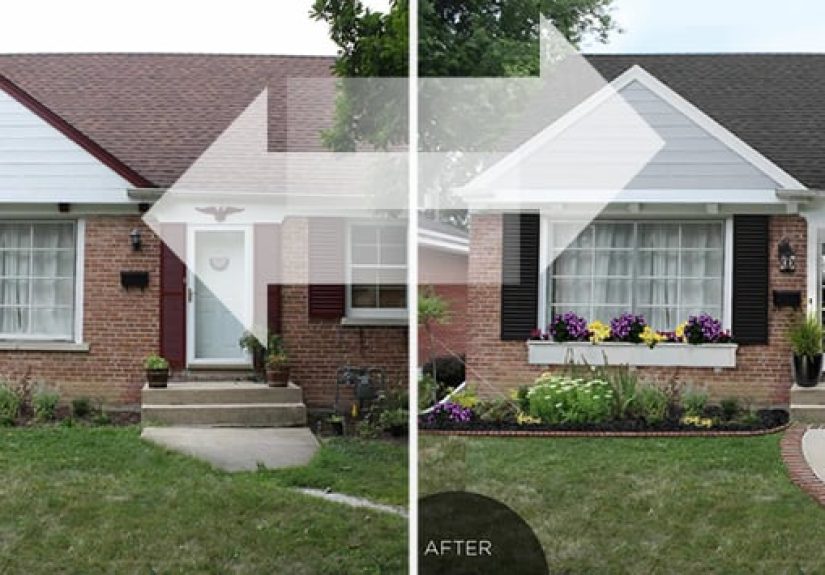
One common story goes like this: the house starts out with faded siding, a narrow concrete path,
low-hanging tree branches, and a front door that has seen better days. The owners think they need
a major addition or a brand-new porch to make a difference. Instead, they start small: trimming the
trees to reveal the full façade, power washing the siding, and repainting the front door. Just those
three steps already make neighbors stop and say, “Did you do something different? The house looks
great.”
Another frequent “aha” moment is realizing how much proportion matters. Many Cape Cods end up with
undersized light fixtures, tiny house numbers, and planters that are too small for the front of the
house. When homeowners upgrade to larger sconces, bolder numbers, and taller planters, the façade
suddenly looks intentional and anchored. Nothing about the architecture changed, but visually it feels
more substantial and balanced.
Landscaping can be a surprise too. People often assume they need a landscape designer to fix everything,
but a lot of impact comes from very basic moves: creating wider planting beds, layering shrubs and
perennials, and repeating a few plants instead of buying “one of everything.” For example, a row of
three or five matching hydrangeas under the front windows looks much more polished than a mix of
random shrubs. Adding a small ornamental treelike a dogwood or redbudnear one corner of the house
can soften the roofline and frame the view without overwhelming the façade.
Homeowners also learn that curb appeal is about lifestyle as much as looks. When the front walkway is
wider and better lit, guests naturally use it instead of cutting across the lawn. A small seating area
on a wider stoop or a pair of chairs in the front yard turns the space into a spot for morning coffee
or a wave to the neighbors. The house feels friendlier, and people tend to take better care of spaces
they actually enjoy using.
Another recurring lesson is to resist chasing trends that don’t fit the house. It can be tempting to
paint everything charcoal or add ultra-modern elements, but mid-century Cape Cod homes shine brightest
when changes feel like they could have existed decades ago. Neutral siding, classic white trim, simple
black or brass hardware, and cottage-inspired landscaping age well. That doesn’t mean you can’t have fun
with colorfront doors and planters are perfect places to playbut anchoring the main elements in
timeless choices pays off in both daily enjoyment and resale value.
Finally, most people discover that curb appeal is an ongoing process, not a one-and-done project. Plants
grow, paint eventually needs refreshing, and styles shift slightly over time. The goal isn’t perfection;
it’s creating a front yard and façade that feel like you. When you pull into the driveway, you should
get that little “I love this place” feeling. With thoughtful updates and a few strategic weekend
projects, a mid-century Cape Cod can absolutely deliver that momentevery time you come home.
Conclusion: Helping Your Mid-Century Cape Cod Shine
Elevating the curb appeal of a mid-century Cape Cod home doesn’t require a massive overhaul. By
focusing on the basicscleanliness, paint, proportion, landscaping, and lightingyou can make a huge
impact while preserving the cozy, classic charm that defines this style. Choose a timeless exterior
palette, let your front door be the star, layer your plantings, and pay attention to the “little”
details like house numbers, railings, and fixtures. The result is a home that feels both fresh and
familiar, modern yet rooted in its architectural history.
Whether you’re getting ready to sell or just want to love the way your home looks from the street, a
thoughtful curb appeal makeover is one of the best investments you can make. Your mid-century Cape Cod
is already a classic. Now it’s time to let it look like one.