Table of Contents >> Show >> Hide
- What Exactly Is a Shallot?
- How to Choose and Store Shallots
- Everyday Shallot Cooking Tips
- Shallot Measurements: From Bulbs to Cups
- Shallots vs. Onions: How to Convert
- The Best Shallot Substitutes
- Quick Ideas for Using Shallots in Your Cooking
- Real-World Experiences With Shallot Cooking, Measurements, and Substitutions
- Conclusion
If onions are the loud friend who tells the whole restaurant it’s your birthday, shallots are the soft-spoken bestie who quietly picks the perfect wine. They’re mellow, sweet, a tiny bit garlicky, and they make almost everything taste just a little more “chef-y.” Yet recipes love to be vague: “Add one shallot, minced.” One what? One tiny baby bulb? One massive, fist-size monster?
This guide breaks down how to cook with shallots, how to measure them accurately, and what to use when you’re out. You’ll get practical shallot cooking tips, real-world measurement conversions, and a handy substitution roadmap so you can stop guessing and start cooking with confidence.
What Exactly Is a Shallot?
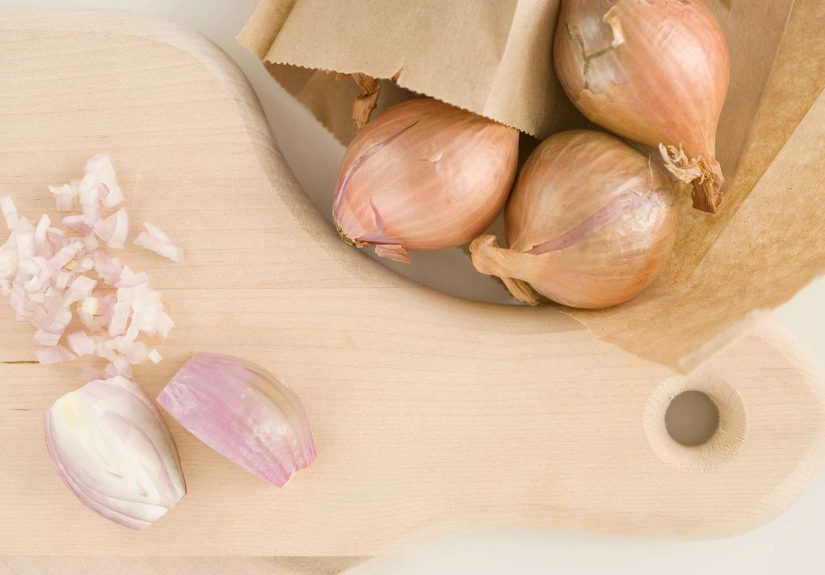
Shallots are part of the allium family, right alongside onions, garlic, leeks, and chives. Visually, they’re smaller and more elongated than onions, with coppery or rosy skin and pale purple or white flesh that often separates into two or more cloves, similar to garlic.
Flavor-wise, think of a shallot as the love child of a yellow onion and garlic: sweeter and more delicate than onion, with a subtle garlicky note but none of the harsh bite. That’s why classic French sauces, vinaigrettes, and pan juices are obsessed with themthey bring depth without overwhelming everything else on the plate.
How to Choose and Store Shallots
Picking Good Shallots
When you’re at the store, look for shallots that:
- Feel firm and heavy for their size
- Have dry, papery skin with no soft spots or mold
- Don’t have big green sprouts (a tiny nub is fine, full-on alien tentacle is not)
Avoid shallots that are shriveled, damp, or smell funky. A fresh shallot should have a mild oniony aroma, not a whiff of “this should’ve been thrown out last week.”
Storing Shallots the Right Way
Treat shallots like onions, not like salad greens. Keep them:
- In a cool, dry, dark place (pantry or cabinet, not the fridge)
- With plenty of air circulationmesh bag, basket, or loosely open paper bag
- Away from moisture and direct sunlight, which make them sprout or rot faster
Stored properly, whole shallots can last several weeks. Once cut, wrap the leftover piece tightly in plastic wrap or in a small airtight container and refrigerate; use within a few days for best flavor.
Everyday Shallot Cooking Tips
Prepping Shallots Without Tears (or Minimal Tears)
Prepping shallots is simple once you’ve done it a few times:
- Trim off the root end and the tip.
- Peel away the papery skin. If the outermost layer of flesh is tough or discolored, peel that too.
- Separate any cloves, then slice, mince, or finely dice as your recipe demands.
For super-thin slices (think fancy salads or crispy fried shallots), use a sharp knife or a mandoline on its thinnest setting. Always watch your fingersno one wants “a little bit of knuckle” in their vinaigrette.
When to Use Raw Shallots
Because they’re milder than onions, shallots shine in raw preparations where regular onions might bulldoze everything. Try them:
- Finely minced in vinaigrettes (red wine vinegar + Dijon + shallot + olive oil = instant restaurant energy)
- Very thinly sliced in salads or grain bowls
- In a classic mignonette sauce for oysters
- Stirred into yogurt, crème fraîche, or sour cream as a topping for potatoes or roasted vegetables
A little goes a long way. Start small, taste, and add more. You can always increase shallots; you cannot easily un-shallot something.
Sauteing and Caramelizing Shallots
Shallots brown and caramelize beautifully, but they can turn bitter if the heat is too high. Use these guidelines:
- Low to medium heat: Ideal for soft, sweet, translucent shallots that melt into sauces and pan juices.
- Slow caramelization: Cook in butter or oil over low heat until golden and jammy. They become sweet, almost candy-like, and are amazing on steak, burgers, mashed potatoes, or toast.
- Don’t burn them: Like garlic, shallots can go from golden to “tastes like regret” very quickly. Stir frequently and lower the heat if they start browning too fast.
Roasted, Crispy, and Pickled Shallots
Once you’re comfortable with the basics, try upgrading:
- Roasted shallots: Roast whole, unpeeled shallots drizzled with oil until soft. Squeeze the sweet, creamy flesh into soups, mashed potatoes, or sauces.
- Crispy fried shallots: Thinly slice, then fry slowly in oil until golden and crisp. Drain well and sprinkle on everything from green beans to burgers.
- Quick-pickled shallots: Soak thin slices in vinegar with a pinch of sugar and salt. In 20–30 minutes you have bright, tangy shallots for tacos, grain bowls, roasted meats, and salads.
Shallot Measurements: From Bulbs to Cups
Recipes love to say “1 small shallot” or “2 medium shallots” as if all shallots are standard issue. In reality, they vary wildly in size. That’s why professional test kitchens usually think in volume (tablespoons or cups) rather than just counting bulbs.
Here are practical, widely used measurement guidelines for raw, minced or sliced shallots:
| Shallot Size (Approx.) | Typical Yield (Minced or Sliced) | Rough Weight (Unpeeled) |
|---|---|---|
| Small shallot | About 2 tablespoons | ~1 ounce |
| Medium shallot | About 3 tablespoons to 1/4 cup | ~1 1/4–1 1/2 ounces |
| Large shallot | About 1/2 cup | ~2–4 ounces |
In many test kitchens, a medium shallot is considered roughly 3 tablespoons minced, while a small one yields about 2 tablespoons and a large one up to 1/2 cup. If your recipe gives a tablespoon or cup measurement, follow that and ignore the word “shallot” as a counting unituse whatever number of bulbs gets you to that volume.
Common Shallot Conversions
- 2 tablespoons minced shallot ≈ 1 small shallot
- 3 tablespoons minced shallot ≈ 1 medium shallot
- 1/4 cup minced shallots ≈ 1 medium–large shallot
- 1/2 cup minced shallots ≈ 1 large or 2 medium shallots
- 1 cup minced shallots ≈ 2 large or 4–5 medium shallots
If a recipe just says “1 shallot, minced” and you’re not sure:
- For a small batch dressing or sauce, use 2–3 tablespoons minced.
- For a bigger batch or a sauté for 4 people, aim for 1/4 cup.
Shallots vs. Onions: How to Convert
Shallots and onions cook similarly, but shallots are milder, sweeter, and less pungent. Because of that, you can usually substitute based on volume.
Replacing Shallots with Onions
When you’re out of shallots, use these general rules for cooked dishes:
- 3 small shallots ≈ 1 small onion
- 1 cup chopped shallots ≈ 1 cup chopped onion (by volume, not by number of bulbs)
- Choose a sweet or yellow onion for a closer flavor match; red onions can be sharper.
- For more shallot-like complexity, add a small pinch of garlic or garlic powder along with the onion.
If you’re cooking something where shallots are a main flavorlike a shallot tart, a mignonette, or a butter sauce that specifically celebrates themonions will technically “work,” but the flavor will be bolder and less refined. In those cases, pare back the onion a bit and consider adding a touch of sugar or honey to mimic shallots’ natural sweetness.
Replacing Onions with Shallots
Going the other way, you can swap shallots for onions almost 1:1 by volume:
- 1 medium onion ≈ 2–3 medium shallots, minced or sliced to equal the same total volume
- For soups, stews, and braises, simply measure your shallots after chopping and match the original onion volume.
- In recipes where you want a more delicate result (like a cream sauce or white wine pan sauce), using shallots instead of onions is an upgrade, not a compromise.
The Best Shallot Substitutes
No shallots in sight? No problem. You still have options. Think about two things: how the shallot is used (raw vs. cooked) and whether it’s a background flavor or the star of the show.
Fresh Allium Substitutes
- Yellow onion: The most common stand-in. Use an equal volume, then taste and adjust. For 1/4 cup minced shallot, use 1/4 cup minced onion, but if you’re sensitive to strong onion flavors, start with a bit less.
- Sweet onion (like Vidalia): A good pick when you want something closer to shallots’ sweetness, especially in relishes, salsas, and quick sautés.
- Leeks: Mild, slightly sweet, and great in soups, quiches, and braises. Use the white and light green parts, and plan on a bit more volume to reach the same intensity.
- Scallions (green onions): Best in raw dishes and garnishes. Use the white and light green portions as your “shallot” component, and add some dark green slices for color.
- Chives or garlic chives: Great last-minute garnish when you just need a gentle oniony note on top of eggs, potatoes, or pasta.
Pantry and Shelf-Stable Substitutes
- Onion powder: For each shallot, use about 1 teaspoon of onion powder in cooked dishes. It’s more concentrated than fresh onion, so don’t overdo it. This works well in soups, sauces, and marinades where the shallot would be fully cooked anyway.
- Dried minced onion: Rehydrate in a little warm water if you want a softer texture, or add directly to liquids and let it simmer. Start with 1–2 teaspoons per shallot and adjust to taste.
- Garlic + onion combo: If a recipe counts on that “onion plus garlic” personality that shallots have naturally, use mostly onion with a small clove of garlic or a pinch of garlic powder.
For raw preparations (like mignonette or salad dressings), fresh substitutes like scallions or sweet onions finely minced will give the best texture and flavor. For long-cooked dishes (soups, braises, stews), dried onion products or onion powder can step in without anyone suspecting a thing.
Quick Ideas for Using Shallots in Your Cooking
- Shallot butter: Stir sautéed minced shallots, herbs, and lemon zest into softened butter. Chill and slice onto steaks, fish, or roasted vegetables.
- Creamy pan sauce: After searing chicken or pork, sauté minced shallot in the drippings, add white wine, reduce, then finish with cream and a knob of butter.
- Weeknight vinaigrette: Minced shallot + Dijon + honey + vinegar + olive oil = instant upgrade to any salad or roasted veggie platter.
- Crispy topping: Fried shallot rings sprinkled over soups, casseroles, or green beans bring crunchy, savory magic.
- Shallots in grains: Toast quinoa, rice, or farro with a bit of butter and shallot before adding liquid for extra depth of flavor.
Real-World Experiences With Shallot Cooking, Measurements, and Substitutions
If you cook with shallots often, you quickly realize that the chart in your head matters more than the words on the page. One day, “1 shallot” is a tiny thing barely bigger than a grape; the next day you cut into a shallot that looks like it’s training for the onion Olympics. That’s why experienced cooks stop obsessing over the word “shallot” and focus on volume, taste, and context.
Imagine you’re making a pan sauce for two chicken breasts. A recipe calls for “2 shallots, minced.” One time you might have delicate, thumb-size shallots and happily mince both, ending up with around 1/4 cup. Another time, the same instructions might give you a hulking half-cup pile of minced shallot. The first batch tastes gently sweet and balanced; the second batch turns the sauce into an all-shallot show. After a few experiences like that, you start saying, “Okay, for a pan sauce for two people, I want about 1/4 cup minced shallot, no matter what the bulbs look like.”
The same thing happens with substitutions. Maybe you’ve run out of shallots and tossed in a big yellow onion instead, only to discover your delicate fish dish now tastes like French onion soup in disguise. Next time, you remember to cut the onion amount, choose a sweeter onion, and add a little garlic and sugar to mimic the nuance of shallots. Over time, you build a mental conversion chart: a small onion can replace several shallots in stews or braises, but in something subtlelike a mignonette or butter sauceyou reach for scallions or shallots specifically.
Another common experience: discovering just how powerful crispy shallots can be. Many home cooks get hooked after the first batch. You slice a few shallots, fry them slowly until they’re bronze and fragrant, and suddenly they become your favorite “secret ingredient.” They rescue bland leftovers, make salads feel fancy, and instantly dress up simple dishes like roasted potatoes or plain rice. Once you’ve experienced that transformation a few times, shallots stop being “the thing I only buy for a complicated recipe” and start living permanently on your pantry list.
You also learn what not to stress about. If a recipe calls for shallots and you only have onions, you don’t give up on dinner. If the dish is cooked and heartylike a stew, casserole, or roastyou know a good onion will do just fine. If the dish is raw, delicate, or relies heavily on the allium flavor, you know to be more careful and either halve the onion, swap in scallions, or wait until you can grab real shallots. Experience teaches you that substitutions are less about strict rules and more about understanding intensity, sweetness, and how visible a flavor will be in the final dish.
Over time, those little decisions add up to your personal shallot playbook: how much you like in dressings, how far you can push a substitution, whether you prefer them caramelized or barely sweated. You stop treating shallots as mysterious “chef ingredients” and start seeing them as flexible, friendly tools that help you fine-tune flavor. And once you get there, “Shallot Cooking Tips, Measurements, and Substitutions” isn’t just something you readit’s something you practice automatically every time you cook.
Conclusion
Shallots may be small, but they’re flavor powerhouses. Understanding how to prep and cook them, how to convert bulbs into tablespoons and cups, and how to swap them with onions, leeks, or scallions gives you real freedom in the kitchen. You won’t panic when the recipe calls for shallots and your pantry says otherwise, and you’ll know when it’s worth holding out for the real thing.
Keep a few shallots on hand, remember the rough measurements, and don’t be afraid to experiment. Whether you’re whisking together a quick vinaigrette, finishing a steak with a shallot-butter pan sauce, or showering crispy shallots over a simple bowl of rice, you’ll get more mileage out of this humble ingredient than its size suggests.