Table of Contents >> Show >> Hide
- Why a Repurposed Propane Grill Is Worth the Effort
- Safety First: What to Do Before You Repurpose a Propane Grill
- Best Repurposed Propane Grill Ideas
- How to Turn a Propane Grill Into a Patio Cart (Step-by-Step)
- Tools and materials
- Step 1: Strip the grill down to the usable frame
- Step 2: Clean everything thoroughly
- Step 3: Inspect for structural issues
- Step 4: Sand and prep the metal
- Step 5: Paint the frame
- Step 6: Build the top and lower shelf
- Step 7: Add function upgrades
- Step 8: Put it to work (and brag responsibly)
- Mistakes to Avoid When Repurposing a Propane Grill
- Repurpose vs. Recycle: Which Is Better?
- Maintenance Tips for Your Repurposed Grill Cart or Bench
- Final Thoughts on the Repurposed Propane Grill Trend
- Real-World Experiences With a Repurposed Propane Grill (500+ Words)
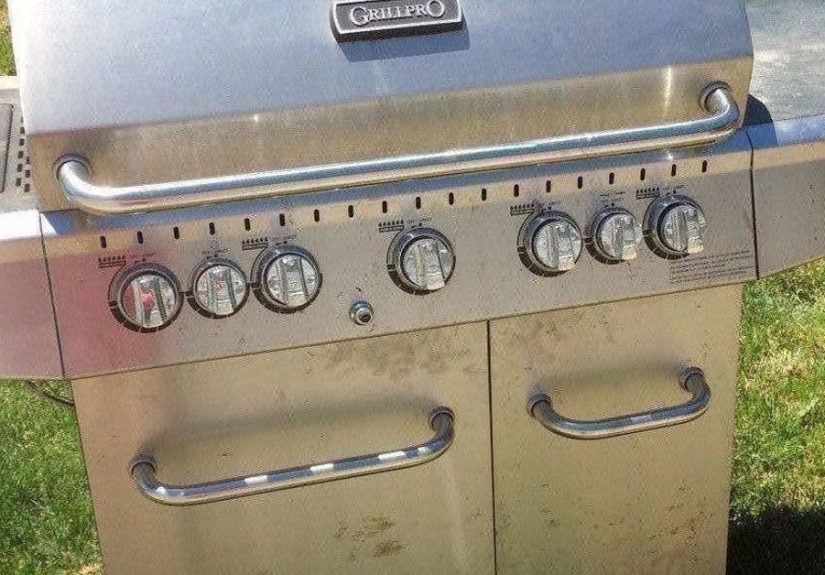
Let’s be honest: an old propane grill can become backyard furniture with an identity crisis. One day it’s flipping burgers; the next day it’s rusting sadly behind the shed, looking like it has opinions about your life choices. The good news? A repurposed propane grill can become something genuinely usefuland surprisingly stylishwithout requiring a welding degree or a reality TV makeover budget.
In this guide, we’ll cover smart, safe ways to upcycle an old gas grill into a patio cart, potting bench, garden station, storage caddy, or mobile work cart. We’ll also talk about what not to do (because “DIY” should not stand for “Dangerously Improvised Yesterday”). If you’re looking for an eco-friendly weekend project that saves money and keeps bulky metal out of the waste stream, you’re in the right place.
Why a Repurposed Propane Grill Is Worth the Effort
A propane grill has one big advantage in the upcycling world: it already comes with a sturdy frame, wheels, shelves, and a lid. In other words, it’s halfway to being a cart before you even pick up a screwdriver.
Benefits of repurposing an old gas grill
- Budget-friendly: You reuse the frame and hardware instead of buying a brand-new outdoor cart or potting bench.
- Eco-conscious: Repurposing can reduce waste and delay landfill disposal.
- Customizable: Paint it, add wood tops, hooks, storage bins, or a bottle opener (because priorities).
- Portable: Most propane grills already have wheels, which makes the finished piece easy to move.
- Conversation starter: Guests love hearing, “That used to be our old grill.”
For many homeowners, the most practical “repurposed propane grill” project is turning the metal cart base into an outdoor prep station or garden cart. It’s useful, doable, and doesn’t require complicated modifications.
Safety First: What to Do Before You Repurpose a Propane Grill
Before you start measuring wood or choosing paint colors, treat your old grill like the gas appliance it was. Even if it hasn’t been used in months, safety comes first.
1) Remove and handle the propane tank correctly
Disconnect the propane cylinder and set it aside in an upright position outdoors, away from heat sources and enclosed spaces. Never store a spare propane cylinder indoors or under/near the grill. If you suspect damage to the valve, regulator, or hose, don’t try to “fix it yourself just enough” to move onhave a qualified professional handle it.
If the tank is no longer needed, the easiest path is often a tank exchange or recycling route through a propane provider. Some exchange companies accept old cylinders for refurbishment or recycling. Always follow local rules for disposal and check your local solid waste authority, since regulations vary by city and county.
2) Deep-clean grease and debris before any makeover
Even a dead grill can still be a fire hazard if it’s packed with grease. Clean out the grease tray, drip pan, burner area, and cook box thoroughly. Old buildup can smell terrible, attract pests, and create a mess once you start sanding or painting.
A good cleaning routine usually includes:
- Removing grates, flavorizer bars/flame tamers, and trays
- Scraping heavy grease buildup with a plastic or metal scraper (as appropriate)
- Washing removable parts with warm, soapy water
- Brushing debris out of the cook box
- Inspecting burner ports and hoses before removal/disposal
If you use a wire-bristle brush for cleaning, inspect the grill surface carefully afterward. Loose wire bristles can create a serious injury risk if they end up in food. If you plan to keep any cooking components in service (for another grill or a spare setup), this step matters a lot.
3) Make sure the grill is truly retired from cooking use
A repurposed propane grill project should begin with a clear decision: this grill is no longer for cooking. Once you remove gas components, alter the frame, or refinish surfaces, it should be treated as furniture or storagenot a “maybe we can still grill on it for the Fourth of July” situation.
4) Paint safely and choose the right coating
If you’re repainting the metal frame, use products appropriate for metal and outdoor exposure. For high-heat surfaces (such as a lid or exterior metal pieces that still get hot in other projects), manufacturers offer high-heat spray coatings. Read labels carefully: some high-heat paints are for exterior metal surfaces only and specifically should not be used on areas directly exposed to flame (like the inside of a grill).
Also, paint outdoors or in a well-ventilated area, and follow the product’s application temperature/humidity guidance. Translation: don’t spray-paint in a windstorm and then blame the can.
Best Repurposed Propane Grill Ideas
Here are the most practical and popular ways to give an old propane grill a second life. These projects range from beginner-friendly to “weekend warrior with a drill and confidence.”
1) Outdoor Patio Prep Cart or Bar Cart
This is the MVP of grill upcycling projects. Remove the firebox internals, keep the wheeled frame, and install a wood or composite top. Add a lower shelf and you’ve got a mobile prep station for grilling, parties, or drink service.
Why it works so well:
- The cart frame is already stable and mobile
- Side shelves can hold utensils, condiments, or towels
- You can customize the top size and finish
- It looks great with a simple paint refresh
2) Potting Bench or Garden Cart
A repurposed propane grill makes an excellent potting station. The lid can shield supplies from light rain, the shelves hold tools and soil scoops, and hooks can store gloves and hand tools. Add bins for twine, seed packets, and labels, and suddenly you are the organized gardener you always promised to become.
3) Beverage Station / Party Console
Use the shell and cart frame as a serving station for outdoor gatherings. You can set a cooler on the lower shelf, use the top for cups and garnishes, and store trays or serving tools below. This works especially well if your original grill has doors or enclosed cabinet space.
4) Garage or Workshop Tool Cart
Don’t want another backyard item? Roll the frame into the garage and convert it into a tool cart. Add a plywood top, magnetic strips for bits, and bins underneath for gloves, screws, and extension cords. It’s rugged, wheeled, and already designed to handle outdoor wear.
5) Garden Supply Storage Caddy
This is a great option for smaller yards or patios. Think of it as a mobile “yard assistant”: pruning shears, fertilizer scoop, twine, hand trowel, hose nozzle, and plant food all in one place.
6) Decorative Planter Display
If the frame isn’t strong enough for a full cart rebuild, you can still convert parts into a planter stand or decorative display. The lid and side shelves can frame potted plants nicely, especially after sanding and repainting. Just make sure drainage is planned so water doesn’t sit on metal and speed up rust.
How to Turn a Propane Grill Into a Patio Cart (Step-by-Step)
If you want one project that balances function, looks, and effort, this is it. Here’s a practical path for a repurposed propane grill patio cart.
Tools and materials
- Work gloves and eye protection
- Screwdrivers and socket set
- Drill + metal drill bits
- Wire brush or abrasive pad (for rust removal)
- Degreaser / dish soap + buckets
- Sandpaper (medium and fine grit)
- Rust-inhibiting primer/paint or outdoor metal paint
- Wood boards (cedar, redwood, or pressure-treated lumber if appropriate)
- Exterior screws/bolts and washers
- Exterior sealer or outdoor stain (for wood surfaces)
- Optional: hooks, bottle opener, towel bar, caster upgrades
Step 1: Strip the grill down to the usable frame
Remove grates, burners, trays, igniter wires, knobs, hoses, regulator, and any damaged interior parts. Save only components you’re sure you want in the finished build. The goal is a clean, stable framenot a mystery box of greasy parts.
Step 2: Clean everything thoroughly
Scrape grease, wash surfaces, and let the frame dry completely. This step makes painting easier and helps you spot rust damage or weak points.
Step 3: Inspect for structural issues
Check legs, crossbars, wheel mounts, and shelf supports. Surface rust is usually manageable; major corrosion, cracked welds, or wobbly joints may make the frame unsafe to reuse. If it’s unstable, recycle it instead of forcing a project.
Step 4: Sand and prep the metal
Remove loose paint and rust, feather rough edges, and wipe off dust. If you drill new holes, clean up metal shavings carefullyespecially if you’re working on a patio, driveway, or yard where kids or pets walk.
Step 5: Paint the frame
Apply thin, even coats according to the paint label. Let each coat dry fully. Light coats look better and resist drips (and frustration).
Step 6: Build the top and lower shelf
Measure the cart frame and cut boards to fit. Dry-fit first, then fasten boards using exterior screws/bolts. Seal or stain the wood before or after installation (depending on your workflow and the product instructions).
Step 7: Add function upgrades
This is where your repurposed propane grill becomes your repurposed propane grill:
- Hooks for utensils or garden tools
- A towel bar on the handle side
- A bottle opener for party use
- Plastic bins or baskets on the lower shelf
- Rubber mat or tile insert on top for easy cleanup
Step 8: Put it to work (and brag responsibly)
Roll it into place, stock it, and enjoy the moment when someone asks where you bought it. You may now answer, with reasonable dramatic pause: “I made it from our old propane grill.”
Mistakes to Avoid When Repurposing a Propane Grill
- Skipping the degrease step: Paint won’t stick well to greasy metal, and the smell is terrible.
- Leaving gas components attached: Remove the regulator/hose assembly and related parts if the grill is being retired.
- Using the wrong paint in the wrong place: Read product directions, especially for heat-rated coatings.
- Ignoring rusted structural parts: Cosmetic fixes won’t solve a weak frame.
- Not checking local disposal rules for tanks: Propane cylinders and small camping canisters have location-specific disposal requirements.
- Treating the project like a grill again: Once repurposed, it should no longer be used for cooking unless restored to safe manufacturer specifications (which is a different project entirely).
Repurpose vs. Recycle: Which Is Better?
A fair question. Sometimes the best “repurposed propane grill” project is knowing when not to repurpose.
Repurpose it if the frame is solid, wheels work, and the project will genuinely be used.
Recycle it if the frame is badly rusted, unstable, or the amount of repair needed costs more than a useful replacement cart.
If you recycle, separate components where possible (metal frame, propane cylinder, and any nonmetal parts) and follow local guidance. Propane-related items often require special handling, and many communities or propane providers offer safer pathways than tossing everything curbside.
Maintenance Tips for Your Repurposed Grill Cart or Bench
Once your project is finished, a little upkeep goes a long way:
- Touch up scratches in painted metal before rust spreads
- Re-seal wood surfaces seasonally if exposed to weather
- Store under a cover or move to a sheltered area in winter
- Keep standing water off shelves and corners
- Tighten screws and bolts a couple of times per year
This is especially important for carts used as outdoor prep stations. A quick wipe-down after parties prevents grime buildup and keeps the project looking intentionalnot like “yard mystery furniture.”
Final Thoughts on the Repurposed Propane Grill Trend
A repurposed propane grill is one of those rare DIY projects that checks all the boxes: practical, affordable, eco-friendly, and fun. You’re taking something bulky and outdated and turning it into something useful for everyday lifewhether that’s a potting bench, patio cart, or mobile drink station.
The key is to start with safety, clean thoroughly, and choose a project that matches the condition of the grill frame. Do that, and your “retired” grill can end up working harder than it did when it was still trying to ignite on the first click.
Real-World Experiences With a Repurposed Propane Grill (500+ Words)
One of the most interesting things about a repurposed propane grill project is how different the experience can be depending on the goal. People often begin with the same idea“I don’t want to throw this thing away”but end up with very different results. Here are some common real-world scenarios and lessons that consistently show up when homeowners and DIYers tackle this kind of project.
A very common experience is the “patio cart surprise.” Someone starts the project thinking it will be a quick afternoon cleanup, then discovers the grill frame is actually better built than expected. Once the greasy interior parts are removed, the base often reveals a sturdy rolling chassis with side shelves and storage space. The project suddenly upgrades from “let’s just reuse this” to “wait… this is actually useful.” Many people report that the repurposed cart becomes more convenient than their original grill side shelf because it can be wheeled next to a smoker, griddle, or outdoor table.
Another common experience is the “cleaning reality check.” Nearly everyone underestimates how much grease can hide in a neglected propane grill. What looks like surface grime often turns into a full deep-cleaning session with scrapers, buckets, gloves, and a lot of determination. This part is not glamorous, but it’s usually the turning point in the project. Once the grease and soot are gone, people can finally assess the frame honestly and make better decisions about painting, repairs, or whether to scrap the project altogether.
Gardeners tend to have the most enthusiastic outcomes. A repurposed propane grill used as a potting bench or garden cart often becomes a high-use station because it solves multiple problems at once: storage, mobility, and workspace. People like that the old handle can still help move the cart, and the lower shelf is perfect for bags of soil, small pots, or watering cans. It also helps keep garden tools from migrating all over the yard (a problem many of us pretend does not exist while stepping over a trowel for the third time).
Some DIYers also learn an important lesson about materials. For example, wood tops look beautiful on a repurposed grill cart, but untreated wood can weather quickly in direct sun and rain. Many “I’ll finish it later” projects end up needing a redo the following season because the wood wasn’t sealed well enough or hardware wasn’t rated for outdoor use. The people happiest with their finished result usually spend a little more time sealing wood surfaces, using exterior screws, and adding rust protection to the metal frame.
There’s also the experience of discovering hidden design advantages. Old propane grills sometimes include features that become unexpectedly useful after repurposing: side hooks for tools, enclosed cabinet doors for storage, towel bars, or a lid that can shield supplies. A former grill cabinet can become a compact garden supply locker or party station. What felt like random grill hardware starts to look like built-in organization.
Finally, one of the most repeated experiences is social: people love these projects because they become conversation pieces. Guests notice them. Neighbors ask questions. Family members who originally said, “Just throw it out,” suddenly ask if you can make one for them too. That kind of response is part of the fun. A repurposed propane grill is practical, yesbut it also tells a story about creativity, thrift, and making something useful from what would otherwise be waste.
In short, the experience is rarely perfect on the first try, but it is almost always rewarding. The cleaning takes longer than expected, the measuring may need a second attempt, and you may end up making one extra hardware-store trip. That’s normal. The payoff is a custom piece that fits your space, saves money, and gives an old propane grill a much better ending than rusting in the corner of the yard.