Table of Contents >> Show >> Hide
If vitamin C were a person, it would be that friend who shows up with snacks, jumper cables, and a first-aid kit:
always prepared, always helping in the background, and usually taken for granted. This powerhouse nutrient supports
your immune system, helps your body make collagen, boosts iron absorption, and acts as an antioxidant bodyguard for
your cells.
The good news? You don’t need a cabinet full of supplements to get enough vitamin C. A lot of everyday fruits and
veggies easily cover your daily needs and then some if you know what to put on your plate. Let’s break down why
vitamin C matters, how much you need, and 17 delicious foods that are naturally high in vitamin C.
Why Vitamin C Matters
Vitamin C (ascorbic acid) is a water-soluble vitamin, which means your body doesn’t store large amounts you need
a regular intake from food. It plays several important roles:
- Immune support: Helps your immune cells function properly and supports your body’s defense against infections.
- Collagen production: Essential for building collagen, the protein that keeps your skin, blood vessels, bones, and joints strong and flexible.
- Antioxidant protection: Neutralizes free radicals, helping reduce oxidative stress that can contribute to chronic disease.
- Better iron absorption: Boosts absorption of non-heme iron (the type in plant foods like beans and spinach) when eaten in the same meal.
How Much Vitamin C Do You Need?
In the United States, the recommended dietary allowance (RDA) for vitamin C is:
- Adult men: 90 mg per day
- Adult women: 75 mg per day
- Smokers: add 35 mg per day to those numbers
Most people can easily meet these amounts with a couple of servings of vitamin C–rich fruits or vegetables. Many of
the foods below deliver your entire daily dose or several times more in just one serving.
17 Foods High in Vitamin C
All of these foods are commonly available in U.S. grocery stores and have been highlighted by sources such as the
NIH, Cleveland Clinic, Healthline, Health.com, Medical News Today, and MyFoodData as solid vitamin C sources.
1. Guava
Guava is a tropical fruit that quietly blows most other vitamin C sources out of the water. One cup of raw guava
packs around 300–370 mg of vitamin C more than 300% of the daily value (DV).
Guava also provides fiber and antioxidants, making it a smart choice for blood sugar and gut health. Slice it as a
snack, add it to fruit salads, or blend it into smoothies for a sweet-tart boost.
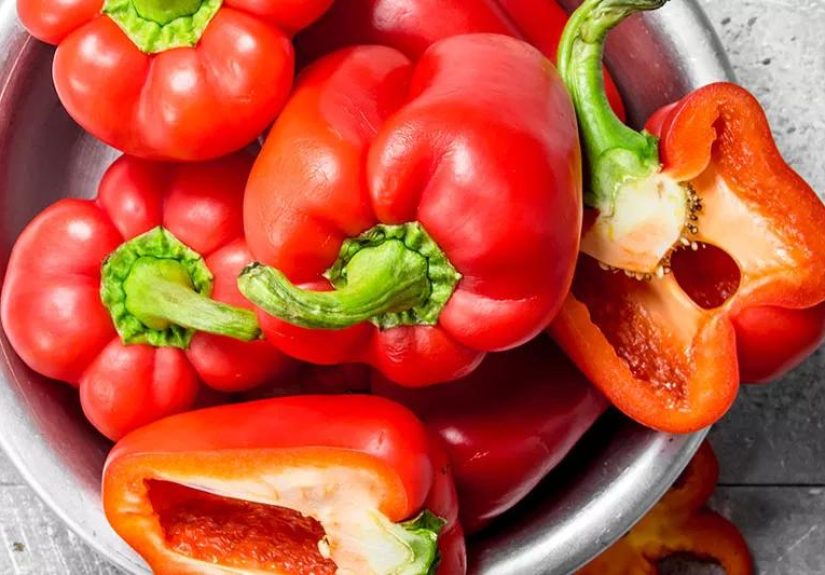
2. Red Bell Peppers
Red bell peppers are basically vitamin C with a crunchy personality. One medium red pepper can deliver around
140–150 mg of vitamin C roughly 150% of the DV.
They’re also rich in vitamin A and other antioxidants that support eye and skin health. Eat them raw with hummus,
toss them into salads, or roast them for sweet, smoky flavor.
3. Kiwi
One medium kiwi contains about 70–75 mg of vitamin C, covering close to your full daily requirement
in a fuzzy little package.
Kiwis are also a good source of fiber and potassium. Try them sliced on yogurt, blended into a smoothie, or eaten
solo with a spoon (yes, you can eat the skin if you don’t mind the texture).
4. Strawberries
A cup of sliced strawberries offers around 90–100 mg of vitamin C about the full daily requirement
for most adults.
They’re also packed with fiber, manganese, and plant compounds that support heart health. Toss them into oatmeal,
layer them in parfaits, or eat them straight from the container (after rinsing, of course).
5. Oranges
The classic vitamin C poster child still deserves a spot on your list. A medium orange typically provides
70–80 mg of vitamin C close to or above 100% of the DV.
Fresh orange segments, 100% orange juice, or even clementines and tangerines all contribute. Pair citrus with iron-rich
foods like lentils or spinach to boost iron absorption.
6. Grapefruit
Half a medium grapefruit delivers around 35–45 mg of vitamin C, and a cup of pink grapefruit juice
can provide over 90 mg.
Grapefruit is refreshing at breakfast or as a snack, but note: it can interact with certain medications (especially
some heart and cholesterol drugs), so check with your healthcare provider if you take prescription meds.
7. Papaya
One small papaya provides around 90–95 mg of vitamin C; half a medium fruit offers roughly
80–90 mg.
Papaya also contains an enzyme called papain that may aid digestion. Enjoy it in smoothies, fruit bowls, or with a
squeeze of lime and a sprinkle of chili powder for a sweet-spicy snack.
8. Pineapple
A cup of pineapple chunks provides around 75–80 mg of vitamin C.
Pineapple is also a source of bromelain, an enzyme studied for its potential anti-inflammatory effects. Add it to
stir-fries, salsa, salads, or grill it for a caramelized dessert.
9. Mango
One medium mango offers roughly 55–60 mg of vitamin C, plus vitamin A and fiber.
Mango is great in smoothies, salsas, and yogurt bowls or just eaten over the sink while you pretend the juice
dripping everywhere is part of the experience.
10. Cantaloupe
Cantaloupe is another melon that quietly pulls its weight in the vitamin C department. A cup of cantaloupe cubes
provides about 55–60 mg of vitamin C.
Pair cantaloupe with cottage cheese or Greek yogurt for a balanced, high-protein, high-vitamin snack.
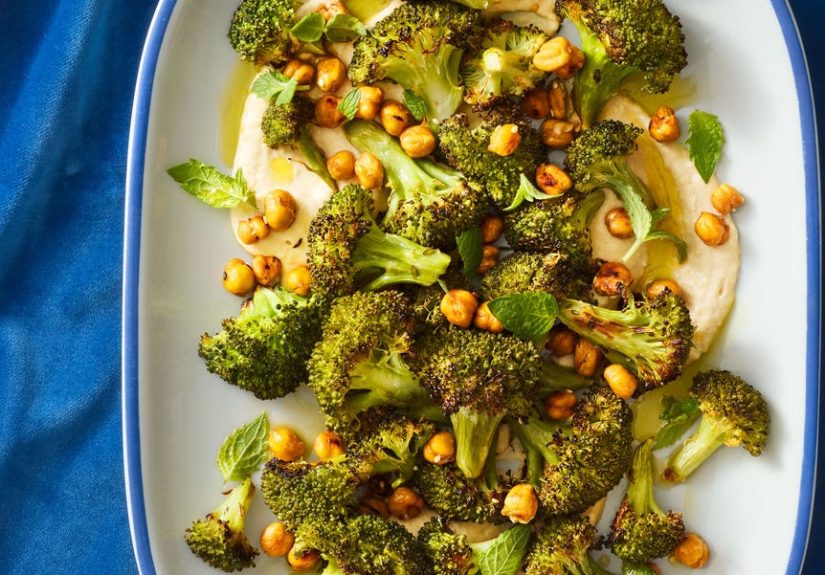
11. Broccoli
One cup of raw broccoli contains around 80 mg of vitamin C, almost 90% of the DV. Even cooked,
it still provides a solid amount.
Broccoli brings fiber, vitamin K, and folate to the party too. Lightly steaming or roasting it helps preserve
vitamin C while making it easier to eat a big portion.
12. Brussels Sprouts
Half a cup of cooked Brussels sprouts delivers around 45–50 mg of vitamin C.
They also contain fiber and compounds linked with heart health. Roast them with olive oil and a little balsamic
glaze to convert even the sprout-skeptics at your table.
13. Kale
Kale is famous for vitamin K, but it’s also a great vitamin C source. Half a cup of cooked kale can provide
around 80 mg of vitamin C, and raw kale is also rich in this nutrient.
Use it in salads, soups, or smoothies. Massaging raw kale with a bit of olive oil and lemon juice softens the
texture and makes it more pleasant to eat.
14. Tomatoes
A medium tomato offers roughly 20–25 mg of vitamin C, and tomato juice can provide significantly
more up to about 170 mg per cup in some varieties.
Fresh tomatoes, tomato sauce, and salsa all contribute to your vitamin C intake. Pair tomatoes with a drizzle of
olive oil for added heart-healthy fats.
15. Potatoes (Especially with the Skin)
It surprises a lot of people, but white potatoes contain vitamin C, especially when baked with the skin on. A
medium baked potato can offer around 15–25 mg of vitamin C.
Potatoes also provide potassium and fiber. Top a baked potato with broccoli and a little cheese and you’ve got a
warm, vitamin C–rich comfort meal.
16. Cabbage (Especially Red Cabbage)
Cabbage, particularly red cabbage, is another underrated vitamin C source. Depending on the variety and preparation,
a cup can provide roughly 30–60 mg of vitamin C.
Shred it into slaws, toss it into stir-fries, or use it as a crunchy topping for tacos and grain bowls.
17. Spinach
Spinach doesn’t top the charts, but it does contribute. Half a cup of cooked spinach has about 10–15 mg
of vitamin C, along with iron, folate, and vitamin K.
It’s easy to eat spinach daily: add a handful to smoothies, tuck it into omelets, or stir it into soups and pasta.
Tips for Getting More Vitamin C from Food
- Eat fruits and veggies every day: Aim for at least 5 servings daily. If two of those are vitamin C–rich foods, you’re usually covered.
- Spread it out: Since vitamin C is water-soluble, eating smaller amounts throughout the day may be more useful than one giant dose.
- Go easy on overcooking: Boiling for a long time can reduce vitamin C content. Steaming, microwaving, or quick sautéing tends to preserve more.
- Pair with plant-based iron: Combine vitamin C–rich foods with legumes, whole grains, or leafy greens to boost iron absorption.
- Choose whole foods over sugary drinks: 100% juices can be helpful in moderation, but whole fruits give you fiber and longer-lasting fullness.
What About Vitamin C Supplements?
For most healthy adults, a balanced diet rich in fruits and vegetables is enough to meet vitamin C needs. Health
authorities like the NIH and Mayo Clinic note that supplements can help in certain situations (for example, people
with very limited diets, malabsorption conditions, or heavy smokers), but mega-dosing isn’t necessary for most
people and may cause side effects like stomach upset or diarrhea at high intakes.
Always talk with a healthcare professional before adding high-dose supplements, especially if you take medications
or have kidney issues.
Everyday Experiences: What It’s Like to Eat More Vitamin C
So what does “eating more vitamin C” actually look like in real life? It usually doesn’t involve memorizing milligrams
or carrying a food scale everywhere. It looks more like small, repeatable choices that stack up over time.
Picture someone who starts their day the usual way: coffee, maybe a plain bagel, and rushing out the door. They feel
tired by mid-morning and snack on something random from the vending machine. Vitamin C is not exactly the star of this show.
Now imagine a tiny shift: instead of grabbing nothing, they keep a bag of clementines or a container of strawberries
in the fridge. Breakfast becomes coffee plus a piece of fruit. It doesn’t feel like “being on a diet,” but that one
change might already provide most of the day’s vitamin C.
At lunch, they swap a plain side of fries for a salad loaded with red bell peppers, tomatoes, and a handful of spinach.
The meal still tastes good maybe better and now they’re adding another layer of vitamin C, along with fiber and
antioxidants. Add some beans, and they’re naturally pairing vitamin C with plant-based iron, which dietitians love to see.
In the afternoon, instead of hitting a sugary drink, they keep cut-up pineapple, cantaloupe, or kiwi in the fridge.
A quick bowl of mixed fruit becomes the go-to “I’m tired and need a treat” moment. It’s sweet, it’s juicy, and it
doesn’t come with a sugar crash and a regret hangover.
Dinner might feature roasted broccoli or Brussels sprouts with olive oil, garlic, and a bit of salt nothing fancy,
just tray-baked until caramelized and slightly crisp at the edges. That side dish alone can provide close to or more
than your daily vitamin C target, depending on portion size.
Over a few weeks, people often notice subtle changes: fewer “I haven’t seen a vegetable in days” moments, more color
on the plate, less dependence on supplements, and sometimes even small shifts in energy and digestion. It’s not that
vitamin C is a miracle cure, but consistently eating fruits and vegetables rich in vitamin C tends to ride alongside
other healthy behaviors cooking at home more often, planning meals, and choosing snacks with actual nutrients.
One common experience: once you start paying attention to vitamin C, you realize how easy it is to hit your goal.
A guava smoothie at breakfast, a salad with bell peppers at lunch, and broccoli at dinner can easily land you several
hundred milligrams of vitamin C far above the recommended minimum without feeling like you’re “trying.”
Another real-world scenario: someone who thought they needed a high-dose vitamin C tablet every day slowly transitions
to a food-first approach. They may still keep a supplement around for travel or days when their diet is off, but they
rely on oranges, berries, peppers, and greens as their baseline. Over time, that feels more natural and less like
something they have to remember it becomes part of how they eat, not a separate “health project.”
None of this has to be perfect. Some days will be pizza and late-night snacks. The goal isn’t to become a nutritional
superhero it’s to nudge your everyday choices toward more color, more plants, and more vitamin C–rich foods that
quietly support your health in the background.
Bottom Line
Vitamin C is essential, but it doesn’t have to be complicated. With guava, citrus fruits, berries, peppers, broccoli,
leafy greens, and a few smart swaps, you can easily meet and comfortably exceed your daily needs using real food.
Think of these 17 foods as a flexible toolkit: mix and match them throughout the week, keep your plate colorful, and
let vitamin C do its behind-the-scenes job of supporting your immune system, skin, and overall health.