Table of Contents >> Show >> Hide
- Why This Chili Works
- Main Keywords and Related Keywords
- Ingredients for Spicy Ground Beef and Pinto Bean Chili
- Equipment
- Step-by-Step Spicy Chili Recipe
- Heat Levels That Won’t Betray You
- How to Thicken Chili Without Making It Weird
- Variations for Different Moods and Pantries
- Best Toppings for Spicy Ground Beef Chili
- Storage, Freezing, and Reheating
- Troubleshooting
- Frequently Asked Questions
- My Spicy Chili Experiences and Lessons Learned
- Conclusion
- SEO Tags
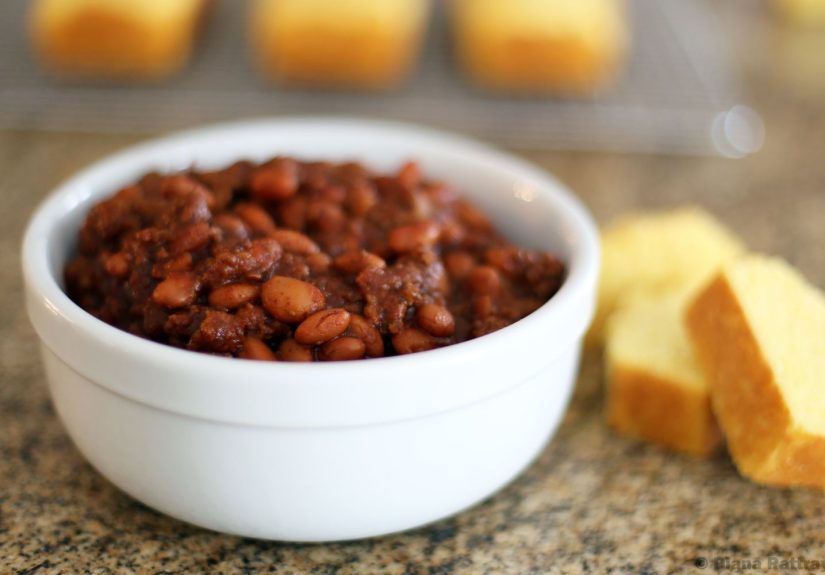
Chili is basically a warm hug that accidentally joined a rock band. This spicy ground beef and pinto bean chili is smoky, hearty, and flexible: make it weeknight-simple, or simmer it longer for “I definitely planned this all day” depth. It’s a one-pot dinner that tastes even better tomorrowbecause chili has that magical ability to level up while you sleep.
Below you’ll get: a foolproof ingredient list, a step-by-step method that actually explains why each step matters, plus heat-control options so you don’t accidentally turn dinner into a mouth workout.
Why This Chili Works
- Big flavor, not complicated: Browning beef builds savory depth. “Blooming” spices in fat wakes up their aroma.
- Pinto beans = creamy and hearty: They hold up in the pot, add body, and make the chili feel like a full meal.
- Adjustable heat: You can keep it cozy-spicy or go full “I fear nothing.”
- Great texture: Thick enough to cling to a spoon, but not so thick you could grout tile with it.
Main Keywords and Related Keywords
As you cook, you’ll naturally hit terms people search for, like spicy ground beef chili, pinto bean chili, homemade chili recipe, chili seasoning, one-pot dinner, and how to thicken chili. (That last one is basically a love language.)
Ingredients for Spicy Ground Beef and Pinto Bean Chili
This makes about 6–8 hearty servings.
For the chili
- 2 tablespoons neutral oil (or use the beef fat you render)
- 2 pounds ground beef (80/20 recommended for best flavor)
- 1 large yellow onion, diced
- 1 bell pepper, diced (red for sweetness or green for classic chili vibes)
- 1–2 jalapeños, finely chopped (remove seeds for less heat)
- 4 cloves garlic, minced
- 3 tablespoons tomato paste
- 1 (28-ounce) can crushed tomatoes
- 1 (14.5-ounce) can diced tomatoes (fire-roasted if you like smoky flavor)
- 1 1/2 cups beef broth (or water in a pinch)
- 2 (15-ounce) cans pinto beans, rinsed and drained
- 2 teaspoons kosher salt, plus more to taste
- 1 teaspoon black pepper
- 2 tablespoons chili powder (use a blend you like)
- 2 teaspoons ground cumin
- 1 teaspoon smoked paprika
- 1 teaspoon dried oregano
- 1/4 to 1 teaspoon cayenne pepper (start small; you can always add more)
- 1/2 teaspoon chipotle powder (optional, but fantastic for smoky heat)
- 1 bay leaf (optional)
Optional “secret weapon” add-ins
- 1–2 teaspoons unsweetened cocoa powder (adds deeper, rounder flavor)
- 1 teaspoon instant espresso powder (boosts savory depth without tasting like coffee)
- 1–2 teaspoons Worcestershire sauce (extra savory punch)
- 1–2 tablespoons pickled jalapeño brine (brightens and sharpens flavors)
To finish
- 1 tablespoon lime juice (or 2 teaspoons apple cider vinegar)
- 1–2 tablespoons chopped cilantro (optional)
Equipment
- Large Dutch oven or heavy-bottomed pot (5–7 quarts)
- Wooden spoon
- Small bowl (for optional thickener slurry)
- Instant-read thermometer (highly recommended for food safety)
Step-by-Step Spicy Chili Recipe
1) Brown the beef for real flavor
Heat your pot over medium-high heat. Add the oil, then add the ground beef. Spread it out and let it sit for 2–3 minutes before stirring. You want browning, not gray steaming. Cook until the beef is deeply browned in spots and no longer pink, 8–10 minutes.
Why it matters: Browning builds savory complexity. This is the difference between “pretty good chili” and “why is this so good?”
If there’s a lot of fat, spoon off excess, leaving about 1–2 tablespoons in the pot for the next step.
2) Build the aromatic base
Add the onion, bell pepper, and jalapeño. Cook 5–7 minutes, stirring, until softened and lightly browned at the edges. Add the garlic and cook 30 seconds, just until fragrant.
3) Bloom the spices and caramelize the tomato paste
Push the veggies to the edges. Add the tomato paste to the center and let it cook for 60–90 seconds, stirring, until it darkens slightly. Then add chili powder, cumin, smoked paprika, oregano, cayenne, chipotle powder (if using), salt, and pepper. Stir continuously for about 60 seconds.
Why it matters: Spices “bloom” in fat, meaning they release more aroma and flavor. Tomato paste gets sweeter and deeper as it caramelizes, turning your chili from flat to layered.
4) Add liquids and let the pot do the heavy lifting
Pour in the crushed tomatoes, diced tomatoes, and broth. Scrape the bottom of the pot to loosen browned bits (aka free flavor). Add the bay leaf if you’re using it.
Bring to a gentle boil, then reduce to a steady simmer.
5) Add the pinto beans and simmer
Stir in the rinsed pinto beans. Simmer partially covered for 45–75 minutes, stirring occasionally. If it gets too thick, add a splash more broth. If it’s too thin, keep simmering uncovered and let evaporation do its thing.
Flavor tip: Chili almost always tastes better after a longer simmer. Time is an ingredientan annoyingly patient one, but still.
6) Adjust heat and balance
Now taste and fine-tune. Add any optional boosters:
- More heat: Extra cayenne, chipotle powder, or diced jalapeños.
- More depth: Cocoa powder or espresso powder (tiny amount, big payoff).
- More savory: Worcestershire sauce.
- More brightness: Pickled jalapeño brine.
Finish with lime juice (or vinegar). That little hit of acid makes the chili taste louderin a good way.
7) Make sure the beef is safely cooked
Ground beef should reach 160°F in the thickest part. Don’t trust color alonepink can be misleading.
Heat Levels That Won’t Betray You
Use this as a simple guide:
- Mild: 1 jalapeño (seeded), 1/4 teaspoon cayenne, skip chipotle powder.
- Medium: 1–2 jalapeños, 1/2 teaspoon cayenne, 1/2 teaspoon chipotle powder.
- Hot: 2 jalapeños (some seeds), 1 teaspoon cayenne, plus chipotle powder. Consider a cold beverage treaty.
How to Thicken Chili Without Making It Weird
If you want that classic thick, scoopable chili texture, try one of these:
- Simmer uncovered: The easiest methodjust let water evaporate.
- Mash some beans: Smash about 1/2 cup of pinto beans against the side of the pot and stir back in for natural thickness.
- Masa harina slurry: Mix 1 tablespoon masa harina with 2 tablespoons water, then stir in and simmer 5 minutes.
- Cornmeal pinch: Add 1–2 teaspoons and simmer, stirring. (Go slownobody wants polenta chili.)
Variations for Different Moods and Pantries
Smoky chili variation
Use fire-roasted diced tomatoes, add chipotle in adobo (1 tablespoon minced), and finish with lime.
Beer chili variation
Swap 1/2 cup of broth for beer. It adds a subtle bitterness that balances spice and tomato.
Extra-meaty variation
Use a mix of ground beef and ground sausage (about 1 1/2 pounds beef + 1/2 pound sausage). Drain excess fat if needed.
Lower-fat variation
Use leaner beef (90/10) and add 1 tablespoon extra oil before blooming spices so you still get that aromatic payoff.
Best Toppings for Spicy Ground Beef Chili
- Shredded cheddar or pepper jack
- Sour cream or Greek yogurt (cooling and creamy)
- Diced red onion
- Sliced jalapeños
- Crushed tortilla chips
- Avocado
- Fresh cilantro
Storage, Freezing, and Reheating
Refrigerate: Cool and refrigerate promptly. Chili keeps well for about 3–4 days.
Freeze: Freeze in portions for easy lunches; it holds up beautifully for a couple months.
Reheat: Reheat until piping hot, stirring so it heats evenly.
Troubleshooting
My chili is too spicy
Add more beans, a little extra crushed tomato, or a dollop of sour cream when serving. A pinch of sugar can also round sharp heat.
My chili tastes flat
Add salt in small increments, then add acidity (lime/vinegar). If it still feels boring, stir in Worcestershire or a tiny pinch of espresso powder.
My chili is too thin
Simmer uncovered longer. Or mash beans. Or use a masa harina slurry for a quick fix.
Frequently Asked Questions
Can I use dried pinto beans?
Yesbut cook them until tender before adding to the chili. Canned beans are faster and still excellent for weeknight chili.
Is chili better the next day?
Often, yes. The flavors meld, mellow, and deepen overnight. It’s like the chili goes to sleep and wakes up more emotionally mature.
Do beans belong in chili?
Some people say no. Those people are welcome to bring cornbread and sit quietly while the rest of us enjoy our pinto bean chili.
My Spicy Chili Experiences and Lessons Learned
I used to think chili was a simple equation: dump ingredients into a pot, simmer, eat, repeat. Then I hosted a game-day party and learned an important truth: chili is part recipe, part crowd management, and part crisis prevention (mostly the crisis of “we’re out of chili”).
The first time I made a spicy ground beef and pinto bean chili for friends, I went all-in on heatextra jalapeños, extra cayenne, and a bold “what could go wrong?” attitude. What went wrong was my guests turning into silent, sweaty philosophers. Everyone ate it, sure, but there was a suspicious spike in “I’m just going to step outside for a second” conversations. Since then, I’ve become a big believer in heat ladders: build a medium-spicy base, then offer hot sauce, sliced jalapeños, and chipotle flakes on the side. The result is a happier crowd and fewer people fanning their mouths like they’re trying to summon rain.
Another lesson: the tomato paste step is non-negotiable if you want “wow” flavor without a three-hour simmer. I once skipped it because I was in a hurry and figured, “Tomato paste is tomato paste.” Wrong. When you cook it until it darkens, it turns sweeter and deeper, like it got a promotion. Pair that with blooming spices in fat and suddenly your kitchen smells like a chili cook-off (minus the competitive tension and the guy who insists his secret ingredient is “love,” which is not a measurable unit).
I also learned that pinto beans are the quietly brilliant choice for weeknight chili. They’re creamy, sturdy, and forgiving. If you simmer a little too long, they don’t instantly disintegrate into bean fog. And when you mash a small portion of them into the pot, the chili thickens naturally without tasting starchy or “processed.” The first time I did that trick, I felt like I’d discovered a loophole in the laws of physics: thicker chili, same ingredients, no weird texture.
My favorite “I can’t believe this worked” moment was adding a tiny pinch of espresso powder when the pot tasted good but not great. It didn’t make the chili taste like coffee. It made it taste like I’d simmered it all day, which was especially satisfying because I definitely had not. I’ve done the same with a little cocoa powder toojust enough to deepen the background notes, not enough to turn dinner into dessert. The key is restraint: you want mystery, not mocha.
And finally: chili is a leftovers champion. I’ve packed it into thermoses, spooned it over baked potatoes, and used it as a filling for nachos so aggressively that it probably deserves its own hobby license. The day-after version is usually the best, and it’s the reason I deliberately make a bigger batch than I “need.” Because sometimes the greatest gift you can give Future You is opening the fridge and finding chili that tastes like you made excellent life choices.
Conclusion
This spicy ground beef and pinto bean chili is bold, comforting, and built for real life: adjustable heat, pantry-friendly ingredients, and a method that makes flavor on purpose. Brown the beef, bloom the spices, simmer until it tastes like itselfthen top it like you mean it.