Table of Contents >> Show >> Hide
- What Exactly Is the Sanjina Organic Cotton Lumba?
- Why Organic Cotton Matters (Beyond the Buzzword)
- Azo-Free Dyes: What That Means and Why You Should Care
- The Feather & Down Insert: Comfort, Loft, and Real-World Pros/Cons
- Design Notes: Why the Sanjina Lumba Works in So Many Spaces
- How to Care for an Organic Cotton Lumbar Pillow (Without Overthinking It)
- Smart Buying Checklist: What to Look for When You Want the Real Deal
- Sustainability That Feels Real: More Than Fabric
- Frequently Asked Questions
- Conclusion
- Experience Notes: Living With a Sanjina Organic Cotton Lumba (500+ Words)
Some home upgrades shout for attention (looking at you, neon accent wall). Others do that quiet-flex thing: they simply make a room feel calmer, softer, and more “pulled together” without demanding a standing ovation. The Sanjina Organic Cotton Lumba lives in that second categorya lumbar cushion that’s equal parts cozy, craft-forward, and design-smart. It’s the kind of piece that makes your sofa look like it drinks water and journals.
This article breaks down what the Sanjina Organic Cotton Lumba is, why the materials matter, what “azo-free dyes” actually means, how feather-and-down inserts behave in real life, and how to style (and care for) a lumbar cushion so it stays beautiful without becoming your newest high-maintenance relationship.
What Exactly Is the Sanjina Organic Cotton Lumba?
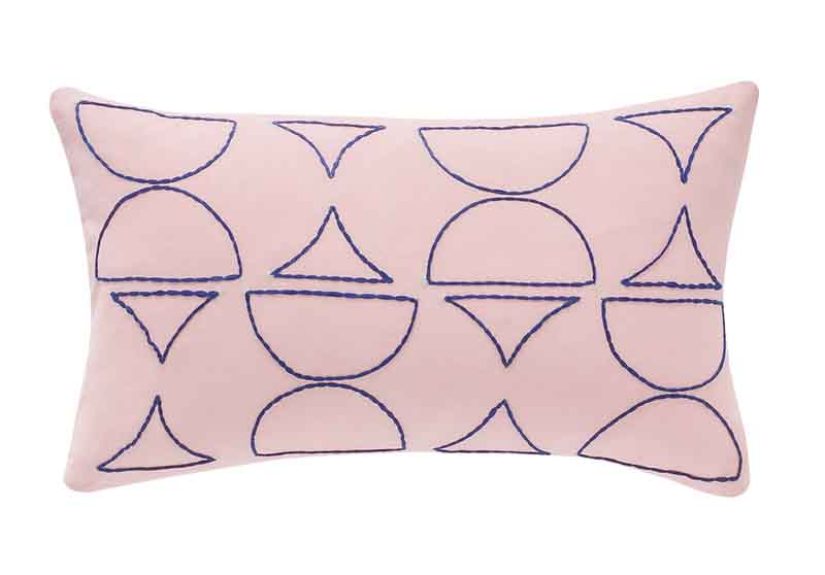
“Lumba” is short and sweet, but the concept is classic: a lumbar cushion (a long, rectangular pillow) designed to support the lower back and add a crisp line to beds, benches, and sofas. The Sanjina Organic Cotton Lumba is made from 100% organic cotton and features contrasting couch stitchingthat visible, hand-done style of embroidery that gives the cushion an artisan finish rather than a factory-perfect look.
In plain terms: it’s a soft organic cotton lumbar pillow with a tailored shape, decorative stitching, and a “this was made by real hands” vibe. It’s also the kind of pillow that works overtime: supportive behind your back, sharp-looking in the center of a bed, and stylish enough to earn a permanent spot in your living room rotation.
Why Organic Cotton Matters (Beyond the Buzzword)
Cotton is everywhere in home textiles because it’s breathable, comfortable, and easy to live with. But conventional cotton farming can involve intensive chemical inputs and environmental stressors. Organic cotton standards generally restrict certain synthetic pesticides and fertilizers and prohibit genetically modified (GMO) cotton seeds. That difference matters for environmental impact, farmworker exposure, and what ends up in the supply chain.
Here’s the practical takeaway for a home item like a lumbar cushion: organic cotton can be a better “baseline” choice when you want a fabric that’s close to your skin (hello, couch naps), used daily, and likely to stick around for years. You’re not just buying softnessyou’re buying a manufacturing story with tighter guardrails.
Organic cotton doesn’t automatically mean “perfect”
Let’s keep it honest: “organic” isn’t a magic spell that makes a product flawless. Organic standards focus heavily on how the cotton is grown; they don’t automatically guarantee every step of processing is toxin-free or that the finished product is dyed and sewn in the cleanest way possible. That’s why it’s meaningful when a product also calls out details like azo-free dyes and careful craftsmanship. Those are the supporting actors that make the story better.
Azo-Free Dyes: What That Means and Why You Should Care
Color makes a pillow. Color also raises questions. The phrase “azo-free dyes” signals that the dyes used are formulated to avoid certain azo compounds that can break down into aromatic aminessubstances restricted by many textile standards due to health concerns. In other words: it’s a safety-minded choice that pairs nicely with the organic cotton claim.
For everyday home use, dye talk can sound nerdy until you remember how textiles behave: they’re on your couch, against your clothes, near your kids or pets, and exposed to sunlight and cleaning. Choosing lower-impact dye practices is one of those “boring now, grateful later” decisionslike buying smoke-detector batteries before the chirping starts.
The Feather & Down Insert: Comfort, Loft, and Real-World Pros/Cons
A lumbar pillow is only as good as its fill. Feather-and-down inserts are popular because they’re plush, moldable, and have that boutique-hotel squish. They also bounce back nicely when you give them a shake (which is basically a micro-workout, if you’re into that sort of thing).
Why feather and down can feel “high-end”
- Moldable support: You can fluff it up, flatten it, or karate-chop it into a crisp edge.
- Breathability: Natural fill tends to regulate temperature better than some synthetics.
- Longevity: Quality down/feather inserts often outlast cheaper poly-fill if cared for properly.
Potential drawbacks (and how to deal)
- Allergies: Some people are sensitive to dust mites or impurities. A pillow protector and regular cleaning help.
- Maintenance: Feather/down needs proper drying if washed; damp fill is the enemy.
- Ethics and labeling: Look for transparent sourcing and accurate labeling for down/feather content.
If you love the look of the Sanjina Organic Cotton Lumba but prefer a vegan or allergy-friendly option, you can often swap the insert for a down-alternative lumbar insert of the same size. The cover and craftsmanship can stay; your sinuses can relax.
Design Notes: Why the Sanjina Lumba Works in So Many Spaces
A lumbar cushion is basically the “center line” of pillow stylingit anchors a setup the way a belt anchors an outfit. The Sanjina Organic Cotton Lumba leans into that role with a clean rectangular silhouette and contrast stitching that adds detail without visual noise.
Color pairing that doesn’t try too hard
The appeal of a soft, warm base tone with contrasting indigo-style stitching is that it plays well with multiple palettes: neutrals, blues, warm woods, vintage rugs, and even maximalist prints (because a simple shape can act like a visual pause). If your room already has patternstriped rug, floral curtains, chaotic art wallthis pillow can be the calm friend who keeps everyone from fighting at brunch.
Three easy styling formulas
- Sofa “sweet spot”: Put two larger square pillows at the corners, then center the lumbar pillow for structure. Great for standard sofas where you want balance without clutter.
- Bed layering: Stack sleeping pillows, add shams, then place the lumbar cushion in front as the finishing touch. The bed instantly looks more intentionaleven if your laundry basket is plotting a takeover off-camera.
- Bench or daybed: Use the lumbar pillow as back support and style with one textured throw. Minimal effort, maximum “I have my life together” energy.
How to Care for an Organic Cotton Lumbar Pillow (Without Overthinking It)
Cotton is generally low-drama, but embroidered details deserve a little respect. The best approach is to follow the care label instructions and default to gentle maintenance that preserves stitching and color.
Everyday care
- Fluff often: A quick shake keeps the insert evenly distributed.
- Rotate occasionally: If it’s your favorite “nap pillow,” rotating helps it wear evenly.
- Spot clean first: Small marks don’t always require a full wash.
- Use a protector if you’re sensitive: Especially helpful with feather/down inserts.
Washing guidance (general, not a substitute for the label)
If the cover is removable and washable, wash it gently and avoid harsh detergents or bleachespecially because you want to protect the embroidery and dye. If you wash the insert, be meticulous about drying until completely moisture-free. Damp down is not “extra cozy.” It’s just a future problem in disguise.
Smart Buying Checklist: What to Look for When You Want the Real Deal
If you’re shopping for the Sanjina Organic Cotton Lumba (or comparing it to similar organic cotton lumbar pillows), here’s what separates a truly premium cushion from a “cute in photos, disappointing in life” cushion.
1) Material clarity
Look for “100% organic cotton” and any credible certification language if provided. Organic cotton claims are strongest when a brand can trace sourcing and production standards clearly.
2) Dye transparency
“Azo-free” and “non-toxic dyes” are meaningful callouts because they address the processing stagewhere a lot of textile risk lives.
3) Craft details you can see
With couch stitching and hand embroidery, the small imperfections are a feature, not a flaw. You’re not buying a printed imitation; you’re buying time, skill, and human touch.
4) Insert quality
Feather/down inserts vary widely. Good inserts feel springy, don’t leak feathers easily, and have solid stitching on the ticking (the inner fabric). If labeling details are available, they should be clear and accurate.
Sustainability That Feels Real: More Than Fabric
Sustainability in home decor isn’t only about fiber content. It’s also about longevity (will you keep it for years?), repairability (can you refresh the insert or clean the cover?), and craft preservation (does your purchase support skilled work rather than disposable production?).
A well-made lumbar cushion can outlast trend cycles because it’s a functional shape, a timeless format, and an easy item to move between rooms. Today it’s on the sofa. Tomorrow it’s on the bed. Next year it’s on a reading nook chair that you swear you’ll actually use this time.
Frequently Asked Questions
Is “Lumba” just a typo for “Lumbar”?
It’s likely a shortened product naming choice. Functionally, you can treat it as a lumbar cushion: rectangular, supportive, and designed to sit across a sofa or bed.
What size is it, and why does that matter?
Lumbar pillows shine when the proportions work with your furniture. A longer rectangle tends to look sharp centered on a bed or sofa and can also provide back support when you’re seated. If you’re replacing an insert, match the dimensions closely for the best look.
Will the embroidery snag?
Any stitched surface can snag if it meets sharp jewelry, rough zippers, or enthusiastic pet claws. If your household includes a cat who believes everything is a scratch toy, consider placing the pillow slightly out of the main “launch zone” and using a throw blanket as a buffer.
Conclusion
The Sanjina Organic Cotton Lumba is a small home upgrade with a big return: organic cotton comfort, thoughtful dye choices, and craft-driven stitching that reads elevated without feeling precious. It’s supportive enough to earn daily use and stylish enough to keep on display. If you want a lumbar pillow that’s not just “decor,” but a piece with texture, story, and staying power, this one makes a strong case.
Experience Notes: Living With a Sanjina Organic Cotton Lumba (500+ Words)
To make this practical, here are experience-based scenarioscomposites of the kinds of things people notice when they introduce a well-made organic cotton lumbar pillow into daily life. Not “fairy tale perfect,” but realistic, useful, and occasionally funny (because pillows are serious business, but not that serious).
Week 1: The “Why does my sofa suddenly look expensive?” phase
The first thing most people notice with a lumbar cushion like this is not the organic cotton labelit’s the silhouette. A rectangular pillow adds a clean line through the center of a sofa, which instantly makes your seating look more intentional. The contrast stitching does the rest: it gives the pillow a tailored, artisan finish that reads “curated,” even if the rest of the room is currently hosting a pile of mail and one sock that apparently lives on the floor now.
You may also find yourself moving it around constantly. On Monday it’s behind your lower back while you’re watching TV. On Tuesday it migrates to the corner because you want to nap without flattening your other pillows. By Friday it’s on the bed because you saw a photo online and thought, “Wait…that looks good. I could do that.” The point is: a lumbar cushion earns its keep because it’s functional in multiple rooms.
Week 2: The tactile test (a.k.a. “Everyone touches it”)
Organic cotton has a comfort factor that people notice immediately, especially if they’re used to synthetic pillow covers that feel a bit slick or “too perfect.” A softer, breathable cotton surface tends to invite touch. Guests will pick it up. Kids will lean on it. Pets will decide it was made specifically for them. If you’re the kind of person who hates lint, this is when you learn the power of a quick fabric brush and a “paws-off-the-good-pillows” policy that absolutely no one will follow.
The embroidery and couch stitching also become conversation starters. People ask, “Is this handmade?” or “Where did you find that?” That’s when you get to say something satisfying like, “It’s organic cotton, and the stitching is done by artisans,” and briefly feel like the main character in a tasteful home magazine spread.
Week 4: The maintenance reality check
Eventually, life happens: a coffee drip, a makeup smudge, or that mysterious mark that appears when nobody admits to anything. What’s nice about a pillow like this is that you don’t have to panic. Most small messes can be handled with gentle spot cleaning, and because the design isn’t a glossy print, it tends to age gracefully. Texture is forgiving. Stitching hides minor wear better than flat fabric does.
If your pillow includes a feather-and-down insert, you’ll learn the rhythm: fluff, reshape, repeat. It’s not hardmore like watering a plant than managing a crisis. A quick shake brings back the loft, and a little “chop” (yes, the dramatic designer karate-chop) can restore structure if you like a crisp look. If anyone in your home is allergy-prone, adding a protector is a simple upgrade that makes the pillow easier to live with while keeping the cozy feel intact.
Long-term: The best compliment is that you stop noticing itbecause it just works
The real win is when the pillow becomes part of your daily comfort without looking tired. A good lumbar cushion doesn’t scream for attention; it quietly supports your back, makes your space look styled, and holds up to real life. In a world full of disposable decor, that’s kind of the dream: buy one good thing, use it constantly, and let it make your home feel better every daywithout requiring you to “be a person who hand-washes pillows under a full moon.”