Table of Contents >> Show >> Hide
- First: Make Sure This Is a DIY-Friendly Dent
- Tools and Supplies You Might Need
- Method 1: The “Access the Back and Push” Approach (Often the Best)
- Method 2: Hair Dryer + Compressed Air “Cold Shock” (The eHow-Style Trick)
- Method 3: Suction Cup or Plunger Pull (Simple, Cheap, Worth a Try)
- Method 4: Glue Tab Dent Pulling (PDR-Style) for Stubborn Spots
- Method 5: Reseat the Bumper Cover (Because Sometimes It’s Not a “Dent”)
- Finishing Touches: Make It Look Like You Meant To Do That
- Common Mistakes (A.K.A. How DIY Goes Sideways)
- When to Stop DIY and Call a Pro
- Real-World Experiences: What Actually Happens in Driveways (and Parking Lots)
- Wrap-Up
A dented bumper is one of life’s most common automotive jump-scares: you walk out of a store feeling productive, then your car greets you with a brand-new dimple like it’s trying to join a golf ball league.
The good news? Many bumper dentsespecially on modern plastic bumper coverscan be pulled (or persuaded) back into shape at home with basic tools, a little patience, and a healthy respect for hot water that’s not meant for pasta.
This guide breaks down the safest, most effective DIY methods for pulling out a dented bumper, why they work, and when you should stop playing hero and call a professional.
The goal isn’t “perfect concours restoration.” The goal is “looks normal from five feet away,” plus “doesn’t mess with sensors,” plus “doesn’t turn your bumper into a warped modern art project.”
First: Make Sure This Is a DIY-Friendly Dent
Check the material: plastic cover vs. metal bumper
Most “bumpers” you see are actually plastic bumper covers over impact-absorbing structure. Plastic covers can often pop back because they’re flexible and designed to deform without permanently creasing the way metal does.
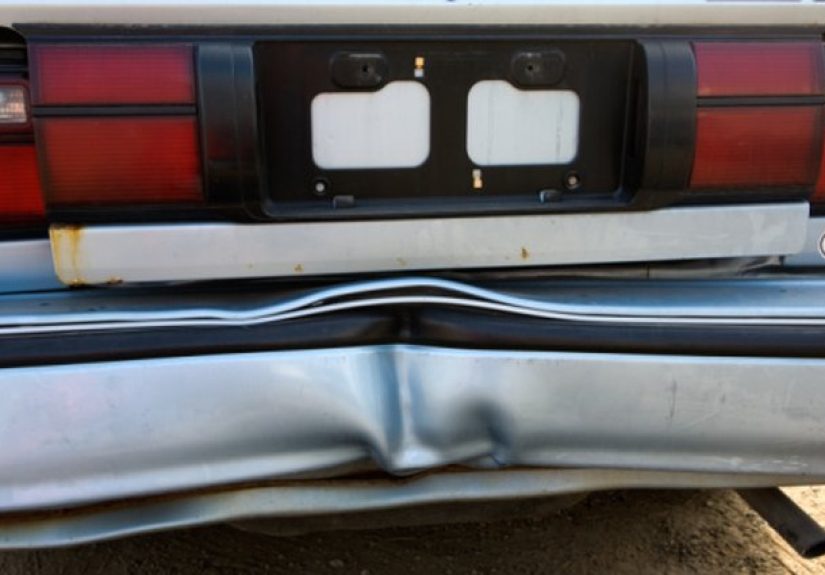
If you’re dealing with a metal bumper (more common on older vehicles and some trucks), the approaches change and usually require different pulling tools and finishing work.
Look for deal-breakers
- Cracks or missing chunks: Heat-and-pop methods won’t fix broken plastic. Cracked areas often need plastic repair or replacement.
- Paint damage (deep gouges or flaking): You can still reshape the bumper, but don’t expect a cosmetic miracle without refinishing.
- Misalignment: If the bumper cover is popped out of its clips, hanging, or uneven at the seams, you may need to reseat it (or remove it to fix broken retainers).
- Sensor/ADAS concerns: Many vehicles have parking sensors and radar modules in or behind bumpers. If the dent came from a real impact (not just a gentle “kiss” in a parking lot), get a careful inspection before assuming it’s only cosmetic.
Tools and Supplies You Might Need
You won’t need every item here. Pick the method that matches your dent and your access to the back side of the bumper cover.
- Heat source: hair dryer (safer) or heat gun (riskier if you overdo it)
- Hot water (kettle or bucket)
- Work gloves and eye protection
- Clean microfiber towels and car wash soap
- Suction tool: dent puller suction cup or a clean, flexible plunger
- Compressed air duster (the kind used for electronics)
- Plastic trim tools (optional but helpful for clips)
- Paintless dent repair (PDR) glue tab kit (bridge puller or slide hammer style) for certain dents
Method 1: The “Access the Back and Push” Approach (Often the Best)
If you can reach behind the dent, this is usually the cleanest method. The basic idea is to soften the plastic slightly, then apply steady pressure from the inside until it returns to shape.
This approach is widely recommended because it uses controlled force rather than yanking on the painted surface.
Step-by-step
- Clean the area. Dirt can scratch paint when you rub or push. Wash and dry the bumper around the dent.
-
Find access behind the dent. Depending on where the dent is, you may reach it through:
- the wheel well (turn the steering wheel for more room up front)
- under the bumper (carefulhot exhaust and sharp edges don’t care about your weekend plans)
- the trunk or cargo area behind interior panels (rear bumpers)
- Warm the plastic. Use hot water over the dented area, or warm it with a hair dryer. You’re aiming for “warm and pliable,” not “melting.” Keep heat moving and don’t camp in one spot.
- Push from the inside with steady pressure. Use the heel of your hand, a gloved palm, or a broad, smooth object (avoid anything sharp). Push gradually. Many dents “pop” back suddenlyso keep your face out of the line of victory.
- Hold the shape and let it cool. Once it’s back, let the bumper cool naturally. Cooling helps it “set” closer to its original form.
Why it works: Plastic bumper covers can rebound when warmed because heat increases flexibility and reduces the “memory” of the dented shapeespecially when you relieve stress by pushing from behind.
Method 2: Hair Dryer + Compressed Air “Cold Shock” (The eHow-Style Trick)
This is the technique many people try first because it feels like a magic trick: heat the dent, then rapidly cool it so the plastic contracts and pops outward.
The eHow version specifically uses a hair dryer to warm the bumper and a can of compressed air held upside down to spray very cold liquid propellant onto the dent.
Step-by-step
- Warm the dent with a hair dryer for several minutes. Keep the airflow moving.
- Put on gloves. Upside-down compressed air can expel extremely cold liquid that can irritate skin.
- Spray compressed air upside down directly onto the dented area in short bursts.
- Wait and watch. If it doesn’t pop, repeat: warm again, then cold again.
Why it works (sometimes): You’re creating a quick temperature swing. Warm plastic becomes more flexible; rapid cooling can encourage contraction and a snap-back effect.
Why it doesn’t always work: Deep dents, sharp creases, and dents near stiff mounting points resist this “pop” behavior.
Safety note: Don’t treat compressed air like a toy flamethrower’s evil twin. Avoid prolonged spraying, protect your hands, and don’t inhale propellant.
Method 3: Suction Cup or Plunger Pull (Simple, Cheap, Worth a Try)
For shallow dents on smooth surfaces, suction can help pull the bumper outwardespecially when combined with heat.
A dedicated dent puller suction cup is ideal, but a clean household plunger can work in a pinch (yes, it’s weird; yes, it can work; no, don’t use the one with traumatic bathroom history).
Step-by-step
- Warm the bumper with hot water or a hair dryer to make the plastic more cooperative.
- Wet the suction cup edge slightly to improve the seal.
- Press firmly and pull straight out. Avoid twisting hardtwisting can distort the shape.
- Repeat in controlled pulls, repositioning as needed, working from the center outward for larger dents.
Pro tip: Suction works best on smooth, relatively flat areas. If the dent is on a sharp bumper curve, textured plastic, or near a crease, suction may slip or pull unevenly.
Method 4: Glue Tab Dent Pulling (PDR-Style) for Stubborn Spots
If you can’t access the back side and suction alone won’t hold, a glue tab dent pulling kit can sometimes pull a dent outward in small increments.
These kits use a hot glue gun and plastic tabs attached to the dent; a puller tool then applies controlled outward force.
When glue pulling makes sense
- Moderate dents where you can’t reach behind the bumper cover
- Paint is intact and you’re careful with removal
- You’re okay with “improved” rather than “factory perfect”
How to do it without making things worse
- Clean the surface thoroughly. Wax, grime, or road film reduces adhesion.
- Choose the right tab size. Too small concentrates force; too large can pull unevenly.
- Apply hot glue to the tab and press it onto the deepest part of the dent. Hold briefly while it sets.
- Use the bridge puller or slide hammer gently. Pull in short, controlled steps.
- Release the glue safely. Use alcohol (as recommended by many kits) to help detach tabs without yanking paint.
- Check progress and repeat. Several small pulls beat one heroic yank that turns a dent into a ripple.
Reality check: Glue pulling is more art than science. It can help, but it can also leave high spots or subtle distortion if you over-pull.
If you’re chasing a flawless result on a newer vehicle, a professional paintless dent repair tech may be worth the cost.
Method 5: Reseat the Bumper Cover (Because Sometimes It’s Not a “Dent”)
Sometimes the bumper didn’t truly dentit popped out of a clip or shifted at a seam, creating a warped look.
If the bumper edge is sticking out or the gap to the fender is uneven, inspect fasteners and clips in the wheel well and along the underside.
Basic reseating steps
- Inspect mounting points for broken plastic tabs or missing push clips.
- Warm the area slightly so the plastic is flexible.
- Press the bumper back into place along the seam until clips re-engage.
- Replace missing clips so it stays aligned (this is the “two-minute fix” that prevents the “why is it crooked again?” sequel).
Finishing Touches: Make It Look Like You Meant To Do That
Once the dent is mostly gone, you can improve the final appearance:
- Wash and inspect in good light. Shadows hide sins; sunlight reveals them.
- Use a light polish for scuffs and paint transfer (if the paint isn’t gouged).
- Check panel gaps to make sure the bumper sits evenly.
- Listen for loose hardware after driving. Rattles are your car’s way of heckling you.
Common Mistakes (A.K.A. How DIY Goes Sideways)
- Overheating the paint: Heat guns can warp plastic or dull paint if you linger. Hair dryers are slower but safer.
- Pulling too hard, too fast: Sudden force can stretch plastic or create a “high spot” that looks like a reversed dent.
- Ignoring cracks: Heat won’t un-crack plastic; it can make cracks spread or deform around them.
- Forgetting the sensors: Parking sensors and radar modules can be sensitive to mounting alignment and surface changes.
When to Stop DIY and Call a Pro
Here’s the honest part: a “small bumper dent” can be cosmetic… or it can be the visible tip of a much more expensive iceberg.
Modern bumpers often house parking sensors, radar modules, brackets, and mounting structures that support driver-assistance features.
Consider professional help if:
- the dent is near a sensor location or the sensor is now misbehaving
- the bumper cover is distorted at mounting points (won’t sit flush)
- there are cracks, torn plastic, or missing tabs
- the impact was more than a gentle parking-lot bump
Also, keep in mind that manufacturers and repair-industry guidance often treats sensor areas differently than purely cosmetic plastic.
Even refinishing/painting thickness can matter for certain sensor components, and post-repair checks or calibration may be required depending on the vehicle and what was disturbed during repair.
Real-World Experiences: What Actually Happens in Driveways (and Parking Lots)
Let’s talk about the stuff guides don’t always admit: the “best method” depends on the dent’s personality.
Some dents are polite. You warm the bumper, press from behind, and it pops out like it was embarrassed you noticed.
Other dents are stubborn little gremlins that make you question your life choicesusually right around the moment you’re holding a hair dryer in one hand and a can of compressed air in the other like you’re auditioning for a low-budget science show.
In real driveway situations, the push-from-behind method is the most consistently satisfying when you can access the back side.
The “secret” is patience: warm the plastic more than you think (without overheating), then apply slow pressure with a broad contact area.
If you jab at it with your knuckles like you’re trying to knock on the dent’s front door, you’ll often create smaller ripples.
But if you press with the heel of your handsteady, even forceyou’re essentially helping the plastic remember its original shape.
The hot water trick feels almost too simple, which is why people love it.
In practice, it works best on dents that are shallow and on parts of the bumper that aren’t reinforced by rigid brackets behind them.
If the dent is right near a corner where the bumper cover wraps and stiffens, you’ll pour hot water, push, and get a result that’s “better,” not “brand new.”
That’s still a winespecially if your goal is to stop noticing it every single time you walk up to the car.
The hair dryer + compressed air “cold shock” method can genuinely pop certain dents out, but it’s the least predictable.
When it works, it feels like magic. When it doesn’t, you end up with a very warm bumper and a very cold hand.
The most common reason it fails is that the dent has a defined crease or the plastic has “set” in that shape after weeks or months.
Older dents often leave a faint shadow even after popping backkind of like your bumper is holding a grudge.
Suction cups and plungers are also hit-or-miss.
If the surface is smooth and the dent is broad, suction can help a lot.
But many bumper covers have texture, curvature, or scuffs that break the seal.
In those cases, suction repeatedly slipping isn’t just annoyingit can encourage you to pull harder, which is exactly how people end up with a stretched-looking spot.
If suction works, use it as a gentle assist, not a test of personal strength.
Then there’s the “I bought a kit” phase.
Glue tab pulling kits can improve dents when you can’t reach behind, but they demand finesse.
In real life, the best use of a glue kit is small, controlled pullsthen reassess.
One big yank can pull a high spot that’s harder to fix than the original dent.
And if your bumper has weak paint (or prior repaint), aggressive glue pulling can risk lifting paint when removing tabs.
The most practical DIY mindset is: use the kit to get the dent 70–90% better, then decide whether perfection is worth paying for.
Finally: newer cars add a complication that older “just heat and push it” advice didn’t deal withsensors and driver-assistance hardware.
Even if your dent looks minor, if a parking sensor starts beeping at ghosts or an alert light appears, that’s your sign to stop.
A bumper isn’t just a cosmetic shell anymore; it’s often part of a system that needs correct positioning and clear surfaces to work properly.
In the real world, the smartest DIYers know when to quit while they’re ahead: fix the shape, avoid damaging paint, and call a pro when electronics get involved.
Bottom line from countless driveway attempts: start gentle, aim for “better,” and only escalate to more aggressive methods if the bumper is cooperating.
Your car doesn’t need you to win a wrestling match. It needs you to not make the repair bill bigger.
Wrap-Up
Pulling out a dented bumper is often doable with heat, access to the back side, and controlled pressure.
For dents you can’t reach, heat-and-cold tricks, suction, or glue tab pulling can helpjust don’t let enthusiasm outrun physics.
And if sensors, cracks, or alignment issues show up, treat that as your cue to bring in a professional.