Table of Contents >> Show >> Hide
- What Are the “Sniffles,” Exactly?
- Common Causes of the Sniffles
- Symptoms: When Sniffles Are “Just a Cold” (and When They’re Not)
- How to Treat the Sniffles at Home
- When to See a Doctor About Your Sniffles
- What to Expect: Timeline, Recovery, and Possible Complications
- Prevention: How to Keep the Sniffles in Check
- Real-Life Experiences: Living With the Sniffles
- Bottom Line
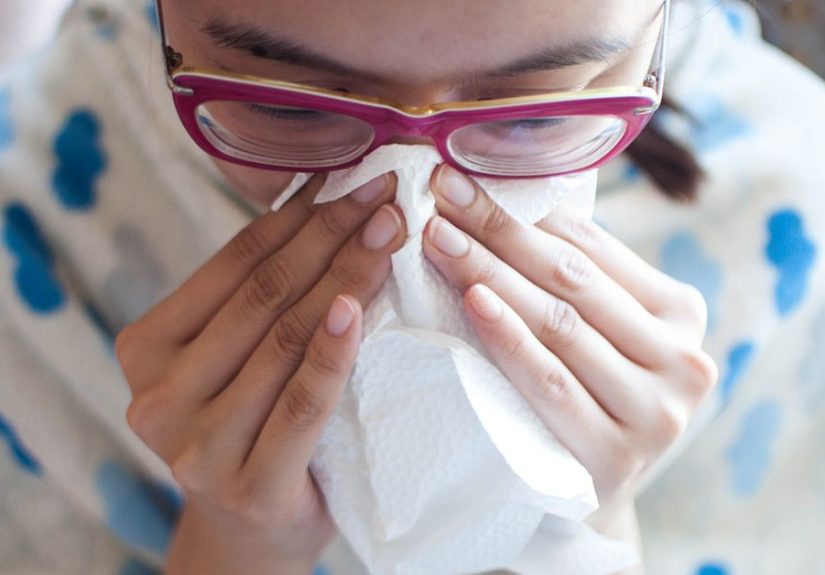
Few things are as annoying as the constant sniff, sniff that just will not quit.
Your nose is running, your tissue box looks like it lost a bar fight, and you’re wondering:
“Is this just a cold, allergies, or did I anger some mysterious nasal deity?”
The “sniffles” aren’t a diagnosis on their own they’re a symptom. Usually, they’re linked
to a runny or stuffy nose (what doctors call rhinorrhea or rhinitis).
The good news: most causes are mild and temporary. The important news: sometimes, those sniffles
are your body’s way of saying, “Hey, something more serious is going on. Please pay attention.”
This in-depth guide breaks down what’s really behind the sniffles, how to treat them, when to
call a doctor, and what you can realistically expect as you recover plus real-life tips for
living with a nose that always seems one sneeze away from chaos.
What Are the “Sniffles,” Exactly?
When people say they have “the sniffles,” they usually mean they’re dealing with:
- A runny nose (clear, watery, sometimes thicker mucus)
- Nasal congestion or stuffiness
- Frequent sniffing or nose wiping
- Sometimes sneezing, mild sore throat, or postnasal drip
Medically, a runny nose happens when the tissues inside your nose become irritated or inflamed.
They respond by producing extra mucus either to flush out viruses, allergens, or irritants,
or because the blood vessels and nerves in the nasal lining are overreacting.
Two big umbrella terms you’ll often see:
- Rhinorrhea: Thin, mostly clear fluid dripping from the nose.
- Rhinitis: Swelling and irritation inside the nose, which can cause a
runny and/or stuffy nose.
Most sniffle episodes are short-lived and tied to infections like the common cold or to allergies.
But for some people, the nose runs even when they’re not sick that’s when things like chronic
rhinitis or structural nose issues might be in play.
Common Causes of the Sniffles
1. Viral Infections: The Classic “Common Cold” Sniffles
The most common cause of sniffles is a viral upper respiratory infection,
a.k.a. the common cold. Dozens of different respiratory viruses can be responsible.
Early on, you’ll often notice:
- Runny or stuffy nose
- Sneezing
- Scratchy or sore throat
- Mild cough or general “meh” feeling
Symptoms typically start 1–3 days after you’re exposed to the virus. A cold usually improves
in about a week, though some nasal and cough symptoms can hang around for up to 10–14 days.
During that time, it’s normal for mucus to go from clear to white, yellow, or even green;
that color change alone doesn’t necessarily mean you need antibiotics.
Other viruses like those that cause the flu or COVID-19 can also cause sniffles, but they
tend to come with more intense symptoms such as higher fever, body aches, and more pronounced fatigue.
2. Allergies: When Your Immune System Overreacts
If your nose starts running anytime you’re around pollen, dust, pets, or mold,
allergic rhinitis (hay fever) may be to blame. In allergies, your immune system
reacts to harmless substances as if they’re dangerous invaders. This leads to:
- Sniffles and sneezing
- Itchy or watery eyes
- Itchy nose, throat, or the roof of the mouth
- Recurring congestion, especially in certain seasons or environments
Allergic sniffles often:
- Show up in a pattern (for example, every spring or when you visit a friend with cats)
- Come without a fever or body aches
- Improve with allergy medications like antihistamines or nasal steroid sprays
3. Nonallergic (Vasomotor) Rhinitis: The “Mystery” Sniffles
Not all sniffles are caused by infections or allergies. In nonallergic (vasomotor) rhinitis,
your nasal blood vessels are simply a little too dramatic. They react to everyday triggers like:
- Weather changes (cold air, humidity swings)
- Strong smells (perfumes, cleaning products, smoke)
- Spicy foods
- Alcohol
- Environmental irritants (pollution, dust, fumes)
The result? A runny or stuffy nose, postnasal drip, and frequent sniffing but allergy tests
are negative and there’s no obvious infection. This type of rhinitis tends to be chronic and
more common in adults, often starting after age 30–35.
4. Sinus Infections and Structural Problems
Sometimes the sniffles are part of something a bit more serious:
- Sinusitis (sinus infection): When the sinuses (air-filled spaces around your nose)
become inflamed or infected, you may notice thick nasal discharge, facial pain or pressure, reduced
sense of smell, and a stuffy nose that won’t quit. - Nasal polyps: Noncancerous growths inside the nose or sinuses that can lead to
chronic congestion and runny nose. - Deviated septum or other structural issues: These can disrupt normal airflow and
mucus drainage, which may cause chronic sniffles or sinus problems.
In kids, a runny nose from only one nostril especially if it’s foul-smelling can sometimes
be caused by a foreign object (like a small toy or bead) stuck in the nose. That’s a “do not DIY”
situation time to call the pediatrician or go to urgent care.
5. Other Possible Triggers
A few more things that can contribute to sniffles:
- Medications such as certain blood pressure drugs, birth control pills, or nasal decongestant sprays used too long
- Hormonal changes (pregnancy, thyroid problems)
- Temperature shifts, like walking out into cold winter air
- Smoking and secondhand smoke, which can irritate nasal tissues
Symptoms: When Sniffles Are “Just a Cold” (and When They’re Not)
Because so many conditions can cause sniffles, context matters. Some patterns:
Typical “Just a Cold” Sniffles
- Runny or stuffy nose, often with mild sore throat
- Sneezing and a light cough
- Low-grade or no fever
- Symptoms peak around days 2–3 and start improving by days 5–7
Allergy-Style Sniffles
- Clear nasal discharge
- Itchy, watery eyes
- Symptoms tied to specific triggers or seasons
- Usually no fever or body aches
Signs It Might Be Something More Serious
Some red flags that should make you reach out to a healthcare professional:
- Symptoms lasting more than 10 days without improvement
- High fever or fever that returns after getting better
- Thick, yellow-green mucus plus facial pain, especially around the cheeks or eyes
- Shortness of breath, chest pain, or wheezing
- Bloody nasal discharge (beyond minor streaks from irritation)
- Sniffles plus severe headache, neck stiffness, or confusion
In short: sniffles alone are usually harmless, but sniffles plus a handful of alarming symptoms
deserve medical attention.
How to Treat the Sniffles at Home
For most people, the goal isn’t to “cure” the sniffles instantly it’s to feel less miserable
while your body does the healing. Think of treatment as a support team for your immune system.
Comfort Basics
- Rest: Your immune system works better when you’re not pushing through long workdays,
intense workouts, and late nights. - Fluids: Water, broth, and herbal tea help thin mucus, making it easier to clear.
Dehydration can make congestion feel worse. - Humidifier or steamy shower: Moist air can ease nasal irritation and loosen mucus.
- Saline sprays or rinses: Simple saltwater solutions help rinse out allergens,
irritants, and excess mucus from the nasal passages. - Gentle nose blowing: Blow one nostril at a time, gently. Overly forceful blowing
can irritate your ears or sinuses.
Over-the-Counter Medications (Use Wisely)
Always read labels carefully and, when in doubt, check with a healthcare professional, especially
for children, older adults, pregnancy, or if you have other medical conditions.
-
Antihistamines: Helpful if allergies are driving your sniffles.
Newer “non-drowsy” options are designed for daytime use, while older ones can make you sleepy. -
Oral decongestants: These shrink blood vessels in your nose, easing congestion.
They’re usually for short-term use and may not be suitable if you have high blood pressure,
heart disease, or certain other conditions. -
Nasal decongestant sprays: These can give quick relief, but using them longer than
recommended (often 3 days) can cause rebound congestion where your nose gets stuffier when you stop. -
Nasal steroid sprays: Often used for chronic allergies or nonallergic rhinitis to
reduce inflammation in the nasal lining over time. -
Pain relievers: Acetaminophen or ibuprofen can help with headache, facial pressure,
or mild body aches (always follow dosing instructions).
Important: Antibiotics don’t treat viral colds or allergies. They’re only useful when a
confirmed bacterial infection is present something your healthcare provider needs to determine.
Special Situations: Kids, Pregnancy, and Chronic Conditions
- Children: Never give a child medicine labeled for adults. Many cold and cough products
are not recommended for young children. Ask a pediatrician before using them. - Pregnancy: Some decongestants and other medications aren’t ideal during pregnancy.
Always confirm safety with your prenatal care provider. - Asthma or COPD: Sniffles from infections or allergies can worsen breathing problems.
Have an action plan with your healthcare team and follow it if your respiratory symptoms change.
When to See a Doctor About Your Sniffles
Most sniffly episodes are self-limited. Still, there are definitely times when you should call a
healthcare provider. Reach out if:
- Your nasal symptoms last more than 10 days without improvement.
- You have significant facial pain, especially around your cheeks, eyes, or forehead.
- You develop a persistent high fever or feel significantly worse after initially improving.
- Your nasal discharge is thick, colored, and accompanied by severe tenderness or swelling in the face.
- You have a runny nose from only one side, especially if the discharge is bloody or foul-smelling.
- You experience difficulty breathing, chest tightness, or wheezing.
- A child has sniffles plus trouble feeding, fast breathing, bluish lips, or seems unusually lethargic.
If something just feels “off” or your symptoms don’t match your usual cold or allergy pattern,
it’s reasonable to get checked. You know your body (and your nose) better than anyone.
What to Expect: Timeline, Recovery, and Possible Complications
Typical Recovery Timeline
- Common cold: Often improves in about 7–10 days. Cough and mild congestion can linger
up to 2 weeks. - Seasonal allergies: Symptoms last as long as you’re exposed to the allergen (for example,
the whole pollen season) without treatment. - Nonallergic rhinitis: Symptoms can be chronic or recurring, flaring with triggers
like weather or odors.
For viral sniffles, you should notice a trend: even if you’re not 100% better, you feel at least a bit
better each day after the peak. If the opposite is happening symptoms are ramping up instead of
slowing down call your doctor.
Possible Complications
Most of the time, the sniffles are annoying but harmless. Occasionally, though, they may be associated with:
- Sinus infections (sinusitis)
- Ear infections, especially in children, when fluid builds up behind the eardrum
- Asthma flares triggered by infections or allergens
- Sleep problems from chronic congestion and postnasal drip
Managing the underlying cause whether that’s treating an infection, controlling allergies,
or adjusting medications is key to preventing these add-on issues.
Prevention: How to Keep the Sniffles in Check
For Infection-Related Sniffles
- Wash your hands frequently, especially during cold and flu season.
- Avoid close contact with people who are sick when possible.
- Cover coughs and sneezes with a tissue or your elbow.
- Stay up to date on recommended vaccines (flu, COVID-19, and others as advised by your provider).
- Support your immune system with sleep, a balanced diet, and regular physical activity.
For Allergy and Irritant-Related Sniffles
- Identify and reduce exposure to your personal triggers (pollen, pets, dust, mold).
- Use allergen-proof covers on pillows and mattresses if dust mites are an issue.
- Shower and change clothes after spending time outdoors during high-pollen days.
- Consider air purifiers and regular cleaning to reduce indoor allergen load.
- Don’t smoke, and minimize exposure to secondhand smoke or strong fumes.
For chronic or severe sniffles, long-term strategies may include prescription nasal sprays,
allergy shots (immunotherapy), or in select cases procedures that target overactive nasal nerves
or correct structural problems.
Real-Life Experiences: Living With the Sniffles
If you’ve ever lived through a weeks-long stretch of sniffles, you know it’s more than a minor inconvenience.
It touches your work, your sleep, your social life, and even how confident you feel talking to people.
Let’s look at what life with recurring sniffles is actually like and how people often adapt.
The Everyday Reality
Picture this: you wake up already reaching for a tissue. Before you’ve had coffee, you’ve blown your nose
three times and have mentally apologized to whoever sits next to you in the morning meeting.
By midafternoon, your nose is sore, the skin above your lip is irritated, and your brain is split between
“finish this email” and “don’t sneeze on your keyboard.”
Many people describe chronic sniffles as a low-level distraction that never fully disappears.
You might not be sick enough to stay home, but you also don’t feel 100%. Add in the self-consciousness
of constantly sniffing or excusing yourself to grab another tissue, and it can start to wear on your mood.
Building a “Sniffles Survival Kit”
Over time, people often assemble their own personal sniffles toolkit. It might include:
- Soft tissues or handkerchiefs to prevent irritation around your nose
- A small bottle of saline spray in your bag or desk drawer
- Travel-size moisturizer or petroleum jelly for chapped skin around the nostrils
- Backup antihistamines if allergies are a known trigger (used as directed by a doctor)
- A reusable water bottle to stay hydrated and help thin mucus
Having these basics on hand doesn’t cure the sniffles, but it can make the day feel more manageable and
less like you’re constantly scrambling for supplies.
Sniffles at Work or School
Sniffles in shared spaces introduce a human dilemma:
“Am I contagious or just allergic?”
You don’t want to spread illness, but you also don’t want to hide at home every time your nose acts up.
Some helpful strategies:
- Be honest with yourself: if symptoms are new, you feel achy or feverish, or you’re coughing a lot,
it may be wise to stay home or work remotely if possible. - Keep hand sanitizer or wipes nearby and use them generously after blowing your nose.
- If your sniffles are allergy-based and non-contagious, let coworkers or classmates know so they’re
not worried and so they understand why you’re occasionally sniffling through a meeting.
Traveling With the Sniffles
Planes, trains, and long car rides take sniffle discomfort to a new level. Dry cabin air, pressure changes,
and limited access to bathrooms or sinks can amplify every symptom.
People who travel frequently with sniffles often:
- Use saline nasal sprays before and after flights to keep nasal tissues comfortable
- Stay well hydrated and avoid excessive alcohol, which can worsen dehydration and congestion
- Pack a small zip bag with tissues, cough drops, and any approved medications
- Consider a mask if they’re worried about spreading or catching respiratory viruses
Emotional and Social Side of the Sniffles
It’s easy to dismiss sniffles as a minor annoyance, but if they’re frequent or chronic,
they can affect quality of life. You might:
- Skip gatherings because you’re tired of people asking, “Are you sick again?”
- Feel embarrassed during dates, presentations, or interviews when your nose won’t cooperate
- Get frustrated when you can’t exercise or sleep normally because you’re too congested
Many people find that understanding the cause of their sniffles and having a clear plan to manage them
makes a big psychological difference. Working with a healthcare provider can help you move from
“I just have a bad nose” to “I have a controllable condition and tools to handle it.”
Practical Takeaways From Real-Life Experience
- Track patterns: Keeping a simple note on your phone or in a journal about when sniffles
show up (season, location, activities) can reveal triggers you’d otherwise miss. - Prioritize sleep: People often report that even one or two good nights of sleep
dramatically improve their tolerance of symptoms. - Be proactive, not reactive: Starting allergy meds before peak pollen season,
or using saline rinses at the first sign of a cold, often leads to milder sniffle episodes. - Don’t tough it out indefinitely: If sniffles are affecting your daily life
your work, your relationships, your sleep that’s a good enough reason to talk to a healthcare provider,
even if you’re “not that sick.”
You might not be able to live a 100% sniffle-free life, especially if you’re prone to allergies or
viral infections. But you can absolutely move from “this controls my day” to “this is a manageable,
mildly annoying part of my day.”
Bottom Line
The sniffles are a common symptom with many possible causes from the classic common cold and seasonal
allergies to chronic nasal conditions and sinus issues. Most of the time, they’re mild and short-lived,
and simple home care (rest, fluids, humidified air, saline, and appropriate over-the-counter medications)
is enough to get you through.
Still, your nose is an important part of your overall health. If your sniffles last longer than they
should, keep coming back, or are paired with more serious symptoms like high fever, facial pain,
or breathing trouble, it’s worth getting checked out. With the right information, a tailored treatment
plan, and a few practical life hacks, you can keep those sniffles from running the show.