Table of Contents >> Show >> Hide
- Why tiny habits cause big dental problems
- 1. Brushing too hard like you are scrubbing a sidewalk
- 2. Skipping flossing because “brushing should be enough”
- 3. Sipping sugary or acidic drinks all day long
- 4. Constant snacking, especially on sticky carbs and sweets
- 5. Brushing right after acidic foods or drinks
- 6. Chewing ice or using your teeth as tools
- 7. Grinding or clenching your teeth
- 8. Smoking, vaping, or using tobacco and nicotine products
- 9. Treating dental checkups like an optional subscription
- How to protect your teeth without turning into an oral-health extremist
- Real-life experiences dentists see over and over
- Conclusion
Most people do not wake up one morning, glance in the mirror, and dramatically announce, “Today feels like a great day to weaken my enamel.” And yet, a surprising number of everyday habits quietly do exactly that. Teeth usually do not fall apart because of one legendary dessert, one missed brushing session, or one rogue popcorn kernel. The real trouble tends to come from repetition: the daily shortcuts, the innocent little routines, and the “it’s probably fine” habits that slowly chip away at your oral health.
Dentists see this pattern all the time. Cavities, gum irritation, enamel erosion, tooth sensitivity, cracked teeth, and even tooth loss often trace back to small behaviors that look harmless in the moment. A little soda here, some stress grinding there, maybe a toothbrush that has seen more seasons than a winter coat. Over time, those habits stack up.
If you want stronger teeth, fewer surprise dental bills, and less drama every time you drink something cold, start here. These are nine common habits dentists regularly warn about, plus what to do instead if you would prefer to keep your smile off the endangered species list.
Why tiny habits cause big dental problems
Your teeth are tough, but they are not invincible. Enamel is the hardest substance in the body, yet it can still wear down from acid, friction, pressure, and neglect. Gums are resilient, but they can become inflamed when plaque is left to settle in. And while modern dentistry can repair a lot, it is still easier and cheaper to prevent damage than to fix it after the fact.
That is why dentists focus so heavily on routine. The goal is not perfection. The goal is consistency. A soft-bristle brush used gently, daily flossing, fewer sugary exposures, less acid contact, and regular checkups do far more for your mouth than occasional bursts of guilt-fueled brushing after a week of bad habits.
1. Brushing too hard like you are scrubbing a sidewalk
Yes, brushing your teeth is good. No, trying to sandblast them into brilliance is not better. One of the most common mistakes dentists talk about is aggressive brushing. People assume a harder scrub means a cleaner mouth, but your teeth and gums are not dirty pans.
Brushing too hard can wear down enamel at the gumline, irritate soft tissue, and contribute to gum recession. Once gums start to recede, tooth roots can become exposed, which often leads to sensitivity and a greater risk of decay in areas that are not meant to be on display.
What to do instead
Use a soft-bristle toothbrush, angle it gently toward the gumline, and brush for two minutes with light pressure. Think massage, not demolition. If your toothbrush bristles flare out quickly, that is often a clue you are brushing too aggressively. It may also be time to replace the brush.
2. Skipping flossing because “brushing should be enough”
This is the oral-health equivalent of vacuuming only the middle of the room and declaring the corners a personal freedom zone. A toothbrush cleans the front, back, and chewing surfaces of your teeth, but it does not do a great job between them. That is where plaque loves to hide.
When you skip flossing or another form of interdental cleaning, plaque can stay packed between teeth and under the gumline. That buildup can irritate the gums, cause bleeding, and eventually harden into tartar. At that point, your toothbrush is out of its depth, and a professional cleaning becomes necessary.
What to do instead
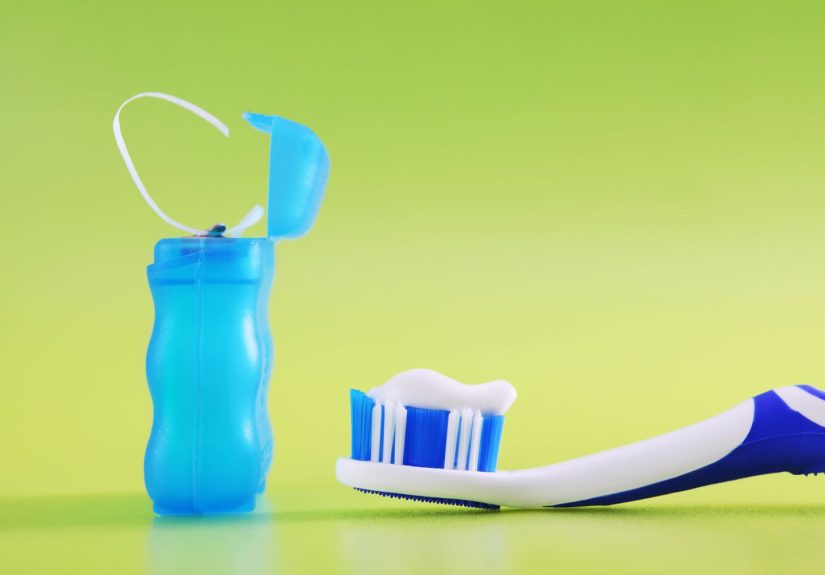
Clean between your teeth once a day. Traditional floss is great, but water flossers, interdental brushes, and floss picks can also help, depending on your teeth and dexterity. The best method is the one you will actually do consistently.
3. Sipping sugary or acidic drinks all day long
One soda is not ideal. One soda stretched across three hours is worse. Dentists worry not just about what you drink, but how often your teeth are exposed to it. Sugary drinks feed the bacteria that produce acid, while acidic drinks can directly soften enamel. That includes regular soda, sports drinks, energy drinks, sweetened coffee drinks, fruit juice, and many flavored sparkling beverages.
The problem with slow sipping is that it keeps your mouth in a repeated acid attack. Instead of letting saliva neutralize and recover your teeth, you keep hitting replay. It is a little like picking a scab, except the scab is your enamel and the result is much more expensive.
What to do instead
Drink sugary or acidic beverages with meals rather than constantly between them. Finish them in a shorter window instead of grazing on them for hours. Use a straw when appropriate, and follow with plain water. Better yet, make water your default drink most of the time.
4. Constant snacking, especially on sticky carbs and sweets
Your mouth likes breaks. Frequent snacking does not give it many. Every time you eat, especially carbohydrates and sugary foods, oral bacteria get new material to feed on. Crackers, chips, dried fruit, cookies, candy, granola bars, and sweet coffee-shop “little treats” all keep the cycle going.
Sticky foods are especially clingy troublemakers. They linger in grooves and between teeth, which means longer feeding time for acid-producing bacteria. Even snacks that seem harmless can become a problem when they happen all day long.
What to do instead
If you snack, choose options that are easier on teeth, such as cheese, nuts, plain yogurt, crunchy vegetables, or whole fruit eaten with a meal. Try to reduce nonstop grazing. Fewer eating occasions often mean fewer acid attacks and less plaque-friendly chaos.
5. Brushing right after acidic foods or drinks
This one surprises people because it sounds responsible. You drink orange juice, finish a soda, or eat something sour, then immediately brush because you are trying to be a model citizen. Unfortunately, right after an acidic exposure, enamel can be temporarily softened. Brushing at that moment may increase wear.
Dentists often recommend rinsing with water first and waiting a bit before brushing. It is a timing issue, not a laziness pass. Your saliva needs time to help rebalance the mouth.
What to do instead
After acidic foods or drinks, rinse with water. Then wait around 30 to 60 minutes before brushing. If you are heading out the door in the morning and know breakfast will be acidic, brushing before you eat can be a smart move.
6. Chewing ice or using your teeth as tools
Teeth are excellent at chewing food. They are not bottle openers, package rippers, scissors, or dedicated ice-crushing machines. Dentists regularly see chipped and cracked teeth caused by biting hard objects. Ice is a common culprit because it feels harmless, but it is hard enough to damage enamel or worsen tiny cracks that were already there.
The same goes for using your teeth to tear tape, open plastic packaging, or hold objects when your hands are full. It may save three seconds in the moment, but it is not the kind of efficiency that pays off.
What to do instead
Use scissors, openers, and actual tools. Revolutionary, I know. If you crave crunch, try chilled cucumber slices, carrots, or sugar-free gum instead of chewing ice. And if you already have a filling, crown, or hairline crack, be extra careful with anything hard.
7. Grinding or clenching your teeth
Many people grind or clench without even realizing it, especially during sleep or periods of stress. Dentists call it bruxism, and it can put serious pressure on teeth, jaw muscles, and joints. Over time, that force can flatten chewing surfaces, chip teeth, worsen gum recession, trigger headaches, and contribute to jaw pain.
Stress is often part of the story, but bite issues, sleep disruption, and habit patterns can play a role too. Some people notice tenderness in the jaw or wake up with headaches. Others first hear about it from their dentist, who spots the wear patterns before they do.
What to do instead
If you suspect grinding, talk to your dentist. A custom night guard may help protect your teeth. Stress management, better sleep habits, and being mindful of daytime clenching can also make a real difference. A relaxed jaw should not feel like it is preparing for battle.
8. Smoking, vaping, or using tobacco and nicotine products
Smoking is a well-established enemy of oral health. It increases the risk of gum disease, makes it harder for gums to heal, contributes to tooth loss, and raises the risk of oral cancer. Tobacco also helps create the kind of mouth environment dentists do not enjoy narrating.
Smokeless tobacco is not a loophole, and vaping does not earn a gold star for being trendy. Dentists remain concerned about the way nicotine and aerosols can affect oral tissues, saliva balance, and overall mouth health. If your oral-care routine is excellent but nicotine is still in the mix every day, your teeth and gums are dealing with a loaded obstacle course.
What to do instead
Quitting helps. Reducing use is a step, but quitting offers the biggest benefit. Your dentist or physician can point you toward cessation tools, nicotine-replacement options, and support programs that make the process less miserable than trying to white-knuckle it alone.
9. Treating dental checkups like an optional subscription
Skipping dental visits is one of the easiest ways to let small problems become large, expensive, and oddly urgent on holiday weekends. Cavities can start quietly. Gum disease can develop without dramatic pain. Worn enamel, hairline cracks, and recession often show up gradually. Dentists are trained to catch these things early, when they are still manageable.
Professional cleanings matter, too. Even if you brush and floss well, tartar can still build up in places that are difficult to reach. Once plaque hardens, home care alone cannot remove it. Avoiding the dentist does not make the issue disappear; it just gives it time to gain confidence.
What to do instead
Schedule routine checkups on the timeline your dentist recommends. For many people, that is every six months, though some may need more frequent visits. Also, replace your toothbrush every three to four months, or sooner if the bristles are frayed. A worn-out brush is not helping nearly as much as it thinks it is.
How to protect your teeth without turning into an oral-health extremist
The good news is that better dental habits are not complicated. You do not need a 14-step routine, five specialty gadgets, and a spreadsheet titled “Molar Optimization Plan.” You need a few solid basics done regularly.
- Brush twice a day for two minutes with fluoride toothpaste.
- Use a soft-bristle toothbrush and gentle pressure.
- Clean between your teeth daily.
- Cut back on sugary snacks and all-day sipping.
- Rinse with water after acidic drinks and wait before brushing.
- Do not chew ice or use teeth as tools.
- Address grinding, clenching, and nicotine use.
- See your dentist regularly.
That is the formula. Not glamorous, but very effective. Teeth tend to reward boring consistency more than dramatic heroics.
Real-life experiences dentists see over and over
To make this topic less abstract, it helps to picture how these habits show up in normal life. Dentists often see the office worker who starts the day with sweet coffee, keeps a soda on the desk all afternoon, and then wonders why sensitivity seems to appear out of nowhere. It is not one drink doing the damage. It is the constant exposure. Each sip resets the clock and gives enamel another acid bath.
Then there is the dedicated “hard brusher,” the person who believes enthusiasm counts as technique. Their teeth may look polished, but the gumline tells a different story. The gums start pulling back, the roots become sensitive, and brushing cold-weather teeth suddenly feels like licking a frozen mailbox. The irony is painful: in trying to clean better, they end up damaging the very tissues they are trying to protect.
Another common scenario is the chronic flosser-in-spirit. This person fully supports flossing in theory, much like people support going to bed earlier or stretching after workouts. In practice, it happens only before dental appointments and moments of extreme moral reflection. Dentists can usually tell. Gums bleed easily, plaque lingers between teeth, and there is often a familiar sentence in the room: “I brush really well though.”
Stress grinders are another classic group. They may not know they clench at night until a dentist points out flattened edges, tiny cracks, or jaw tenderness. Some wake with headaches and assume it is sleep posture or dehydration. Others notice they clamp their teeth together during work deadlines, traffic, or family chaos. Their mouth becomes an unpaid emotional support system, except it is terrible at the job.
Chewing ice also deserves its own hall of fame. Plenty of people say, “I’ve always done it and nothing happened.” That may be true until the day something does. A small crack can become a bigger one. A filling can chip. A back tooth can suddenly hurt when biting. Teeth are durable, but they are not designed for recreational glacier consumption.
And of course there is the dental appointment avoider. This person means to schedule a cleaning, then gets busy, then forgets, then decides to wait until insurance resets, then notices occasional bleeding while brushing and pretends not to. Months become years. By the time they come in, a small cavity may need a crown, or mild gingivitis may have turned into something more stubborn.
The pattern in all these experiences is simple: dental damage usually builds quietly before it announces itself loudly. That is why dentists keep repeating the basics. Not because they enjoy sounding like oral-health broken records, but because the boring habits really do work.
Conclusion
If your teeth could file complaints, these nine habits would probably be at the top of the list. Brushing too hard, skipping flossing, sipping sugar and acid all day, constant snacking, brushing right after acidic foods, chewing ice, grinding, nicotine use, and avoiding dental visits all make life harder for your enamel and gums.
The upside is encouraging: every one of these habits can be changed. You do not need to overhaul your life overnight. Start with one or two fixes that will matter most. Switch to a soft-bristle brush. Floss daily. Retire the all-day soda. Book the cleaning you have been postponing since approximately the Bronze Age. Small improvements, repeated consistently, can protect your teeth for years.