Table of Contents >> Show >> Hide
- So What Is the Green Stuff, Exactly?
- Why Your Grill Turned Green
- Is It Dangerous?
- How to Clean the Weird Green Stuff Off Your Grill
- How to Tell Whether the Grill Is Ready to Use Again
- How to Prevent Green Stuff from Coming Back
- Common Mistakes Grill Owners Make
- Final Thoughts
- Experiences from Real Grill Owners: The Green Gunk Chronicles
- SEO Tags
One day your grill is the hero of burgers, ribs, and backyard bragging rights. The next day, you lift the lid and discover something that looks like a failed high school science project. Green fuzz. Green film. Green mystery goo. Suddenly, your trusty grill looks less like a cooking machine and more like it’s growing its own ecosystem.
If you’ve ever asked, “What’s the weird green stuff on my grill?” you are very much not alone. The short answer is this: most of the time, that green stuff is mold or mildew feeding on leftover grease and food residue. In a few cases, especially on certain metal components, it may be oxidation or harmless discoloration instead of anything alive. Either way, it is your grill’s very dramatic way of saying, “Please stop ignoring me.”
The good news is that this problem is usually fixable. You do not need to host a tiny funeral for your grill just because it went green. You do, however, need to clean it the right way, figure out why it happened, and make a few changes so it doesn’t come back like an unwanted sequel.
So What Is the Green Stuff, Exactly?
Most of the time, it’s mold
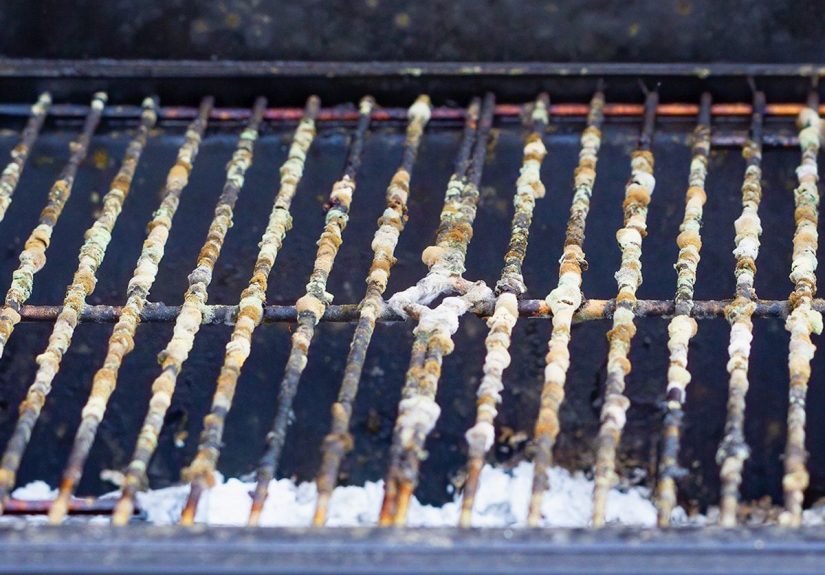
When a grill sits for a while with grease, bits of food, and moisture trapped inside, mold can grow on grates, flavor bars, drip trays, and the inner walls of the firebox. A closed grill creates the perfect little greenhouse: dark, damp, warm, and full of organic leftovers. In other words, your grill becomes less “summer cooking station” and more “all-you-can-eat buffet for spores.”
Mold on a grill can look green, greenish-white, fuzzy, dusty, blotchy, or slimy. It may appear in patches on the grates or as a film on the interior. If the grill has been sitting through humid weather, rain, or a long off-season, mold is the top suspect.
Sometimes, it’s oxidation or discoloration
Not every green tint means your grill has gone biologically rogue. Some metal parts can develop oxidation or a greenish, iridescent discoloration that looks suspiciously like mold but behaves differently. If the surface looks more like stained metal than fuzzy growth, especially on internal heat deflectors or flavorizer-style bars, oxidation may be the culprit.
Here’s the easy rule: if it looks fuzzy, powdery, patchy, or soft, think mold. If it looks smooth, metallic, or rainbow-green and doesn’t brush off like growth, think discoloration. Either way, inspect before cooking. Guessing is for game night, not food safety.
Why Your Grill Turned Green
1. Grease and food residue were left behind
Grease is the ringleader here. After cooking, drippings, sauces, and microscopic food bits stick to the grates and interior surfaces. Leave that mess in place long enough and it becomes lunch for mold. A dirty grill is basically a restaurant that never closes.
2. Moisture moved in and made itself comfortable
Humidity, rain, condensation, and even a slightly damp grill cover can create ideal conditions for mold growth. If your grill cover traps moisture instead of keeping it out, congratulations: you accidentally wrapped your grill in a reusable swamp.
3. The grill sat too long between uses
Grills that are used regularly and cleaned often are far less likely to develop green mystery stuff. The biggest risk shows up when the grill sits for weeks or months after a greasy cook, especially in spring, fall, or humid climates. That “I’ll clean it later” promise has betrayed many good people.
4. The grease tray and drip pan were forgotten
Even owners who clean the grates sometimes skip the mess underneath. But the drip tray, grease cup, and catch pan are prime real estate for foul smells, mold growth, and flare-up risks. If your grill has a hidden horror movie underneath, the green stuff may keep coming back no matter how shiny the grates look.
Is It Dangerous?
It’s definitely not appetizing, and it’s not something you should ignore. Mold spores and residue do not belong anywhere near the food you’re about to serve your family or friends. Even if a small amount would not automatically cause serious illness, it can create off smells, weird flavors, and unnecessary contamination risks. At minimum, it’s gross. At worst, it can make the whole meal questionable.
There’s also a second safety issue people forget: the tool you use to clean the grill matters. Aggressive wire-bristle brushes can leave behind loose bristles, and those tiny metal pieces are the kind of surprise nobody wants on a burger. So yes, cleaning matters. Cleaning smart matters even more.
How to Clean the Weird Green Stuff Off Your Grill
Step 1: Do a calm inspection
Before you start scrubbing like you’re in a home-improvement montage, take a look at where the green stuff is. Check the cooking grates, interior lid, burners or heat tents, drip pan, grease tray, and inside walls. If the cover smells musty or shows mildew, add that to the cleaning list too. A moldy cover can re-contaminate a freshly cleaned grill, which is deeply rude.
Step 2: Burn it off first
For a moldy grill, start with a burn-off. Fire up the grill on high with the lid closed and let the heat do the first round of work. This helps kill mold and loosens the grime before you begin the real cleanup. Think of this as preheating for sanitation, not dinner.
Once the grill has gone through a full burn-off, let it cool enough to clean safely. Hot enough to sterilize is great. Hot enough to remove your fingerprints is not.
Step 3: Remove loose debris
When the grill is cool, scrape the interior surfaces and remove ash, flakes, grease buildup, and dead residue. A putty knife, scraper, wooden grill scraper, nylon tool, or other bristle-free option can be a good choice depending on your grill surface. Take out removable parts so you can clean them properly instead of just rearranging the dirt.
Step 4: Clean the grates and internal parts
Use warm water, mild dish soap, and a non-damaging scrubber or the cleaner recommended by your grill manufacturer. For tougher buildup, a grill-safe degreaser may help. Avoid going wild with harsh chemicals or using anything your manufacturer specifically warns against. Your goal is a clean cooking surface, not a chemistry experiment.
If your grill brand allows it, common household options like vinegar or baking soda can help with stubborn residue. Just rinse thoroughly and let everything dry completely before reassembling the grill. No one wants lemon-vinegar brisket unless they deliberately made it.
Step 5: Empty and clean the grease system
Now deal with the drip pan, grease tray, grease bucket, or catch cup. This is not the glamorous part of grill ownership, but it may be the most important. Grease buildup attracts mold, smells awful, and can contribute to dangerous flare-ups. If you skip this part, the green stuff may return like it pays rent.
Step 6: Clean the grill cover too
If the cover is dirty or mildewed, wash it separately with mild soap and water. If mildew is visible, a vinegar-based cleanup is a common approach on outdoor fabric. The most important step is letting the cover dry all the way before it goes back on the grill. A wet cover is basically a mold subscription service.
Step 7: Reassemble and do one more heat cycle
After everything is rinsed, dried, and put back together, run the grill again briefly. This final heat cycle helps dry hidden moisture and gives you confidence that the cooking area is ready. It also feels emotionally satisfying, which is not scientific but still valuable.
How to Tell Whether the Grill Is Ready to Use Again
Your grill is ready when the surfaces look clean, smell normal, and no fuzzy, slimy, or patchy residue remains. The grates should feel like metal again, not like a damp craft project. If you still see suspicious growth in corners, on the underside of components, or around the grease area, clean again before cooking.
Also check for signs of damage while you’re in there. Cracked parts, heavy corrosion, peeling coatings, or clogged burner areas should not be ignored. Sometimes a cleaning session reveals that the real issue is maintenance, not just mold.
How to Prevent Green Stuff from Coming Back
Clean after every cook
You do not need to perform a full spa treatment after every burger night. But you should do a quick post-cook routine: burn off residue, brush or scrape the grates, and empty excess grease when needed. Five minutes of cleanup can save you from a two-hour mold battle later.
Deep-clean on a schedule
If you grill often, plan regular deep cleaning for the interior, grates, and grease system. The more frequently you cook fatty foods, the more often your grill needs attention. Ribs and wings are delicious, but they do not clean up after themselves.
Keep it dry
Moisture control is a big deal. Store the grill in a dry, sheltered area when possible. If you use a cover, make sure the grill has cooled and dried first, and make sure the cover itself is dry before putting it back on. A cover is supposed to protect the grill, not marinate it.
Don’t leave drippings to age like fine wine
Grease trays, drip cups, and catch pans should be checked often, especially after cooking rich or sugary foods. Old grease plus humidity equals grime, odors, mold, and sometimes fire risk. That’s a terrible four-for-one deal.
Use safer cleaning tools
Bristle-free scrapers, wooden paddles, nylon tools designed for grills, and manufacturer-approved cleaning tools can lower the odds of leaving debris behind. Whatever you use, inspect it regularly. A worn-out cleaning tool can create a new problem while pretending to solve the old one.
Common Mistakes Grill Owners Make
Assuming fire fixes everything
Heat helps a lot, but heat alone is not a magic wand. If dead residue, grease sludge, or mold remains in the tray and corners, you still need physical cleaning. Fire is helpful. Fire is not housekeeping.
Cleaning the grates but ignoring the inside
A grill can look clean on top and still be a mess underneath. If the drip pan is full and the interior walls are coated in grease, the problem has not been solved. It has just been hidden.
Putting the cover on too soon
If the grill or cover is still damp, that trapped moisture creates the exact conditions mold loves. Let everything dry fully before closing the lid and covering the unit.
Using the same plate for raw and cooked food
Once you’ve done all that work to clean the grill, don’t sabotage dinner by putting cooked chicken back onto the raw chicken plate. Food safety is not just about the grill surface. It’s about the whole routine.
Final Thoughts
The weird green stuff on your grill is usually a sign of mold, trapped moisture, and leftover grease having a party without your permission. Less often, it may be oxidation or harmless discoloration on metal components. The key is not to panic and not to cook over it like nothing happened.
Inspect the grill, burn off the residue, deep-clean the interior, wash the grease system, dry everything thoroughly, and clean the cover too. Then build a simple maintenance habit that keeps your grill ready for steaks instead of spores.
Because a grill should smell like smoke, seasoning, and summer ambition. Not like an abandoned sandwich hiding in gym socks.
Experiences from Real Grill Owners: The Green Gunk Chronicles
Talk to enough grill owners and you’ll hear the same confession over and over: “I thought I could just close the lid and deal with it next weekend.” Then next weekend became next month, the weather got weird, humidity rolled in, and the grill quietly transformed into a habitat. It usually begins with optimism and ends with someone standing in the backyard holding tongs like they’ve discovered alien life.
One common experience goes like this: a family hosts a great cookout, everyone eats too much, the sun goes down, and nobody wants to clean. The grill gets shut while still greasy because future-you is apparently a very responsible person. Fast forward a few rainy weeks, and future-you opens the lid to find green fuzz spread across the grates like a tiny shag carpet. The first reaction is disgust. The second is denial. The third is an internet search typed with deep concern and maybe a little shame.
Another familiar story happens in early spring. Someone uncovers the grill after winter expecting a triumphant return to burger season. Instead, they find a musty smell and green blotches on the inside lid, the grates, and the drip area. They immediately wonder whether the grill is ruined forever. Usually, it is not. Usually, it just needs the kind of deep cleaning they hoped to avoid all along. This moment is where many grill owners become true believers in end-of-season maintenance.
Pellet grill owners have their own version of the saga. Because these grills have more internal areas where dust, ash, grease, and moisture can settle, a neglected unit can feel especially overwhelming to clean. Owners often report that the grates looked manageable, but the real horror was the grease channel or hidden corners. The lesson they learn is simple: the green stuff you can see is often not the whole story.
Then there are the cover-related tragedies. Plenty of people assume a cover automatically solves everything. In reality, a damp or dirty cover can make matters worse. Some grill owners have cleaned the inside perfectly, put a still-wet cover back on, and reopened the grill later to find mildew had returned like it never left. That is the backyard equivalent of changing your bedsheets and then dumping mud on the mattress.
The most useful experience shared by seasoned grill owners is this: the fix is rarely glamorous, but it is usually straightforward. Burn it off. Scrape it down. Wash what needs washing. Dry everything. Empty the grease. Clean the cover. Repeat basic maintenance before the grill turns into a botanical exhibit. Once people go through the green-gunk ordeal one time, they tend to become much more disciplined. Nothing creates a cleaning habit faster than opening a grill and feeling personally insulted by it.
In that sense, the weird green stuff is gross, yes, but also oddly educational. It teaches you that grills are not self-cleaning monuments to meat. They are outdoor cooking tools that need routine care. Ignore them, and they grow things. Respect them, and they reward you with perfectly charred food and the kind of backyard confidence that makes you say, “Yeah, I’ve got dinner covered.”