Table of Contents >> Show >> Hide
- What Exactly Is an Under-Desk Hammock?
- Why a Hammock Under Your Desk Is More Than a Gimmick
- Pros and Cons of the Under-Desk Hammock Life
- How to Pitch an Under-Desk Hammock to Your Boss Without Getting That Look
- Under-Desk Hammock Etiquette: How Not to Be “That Coworker”
- Is a $55 Under-Desk Hammock Actually Worth It?
- How to Get the Most Out of Your Under-Desk Hammock
- of Real-World Vibes: Imagined Experiences from the Under-Desk Hammock Zone
- Final Thoughts
Picture this: your coworker rolls back their chair, taps a couple of clips under the desk, and suddenly disappears into a tiny hammock slung below the tabletop. No, they’re not quitting. They’re taking the most gloriously lazy, totally on-brand-for-2025 break ever: a mini nap in an under-desk hammock that costs about $55 and looks like peak “I take self-care seriously” energy.
If you’ve ever caught yourself daydreaming about napping at work but decided that drooling on your keyboard wasn’t the vibe, the under-desk hammock is basically the office gadget your tired brain has been hoping for. It’s part ergonomic accessory, part workplace meme, and part secret weapon for productivity and mood.
Let’s unpack why this quirky little sling has people talking, how it fits into the science of breaks and naps at work, and whether a $55 under-desk hammock is actually worth the hypeor just a fun story you tell in the group chat.
What Exactly Is an Under-Desk Hammock?
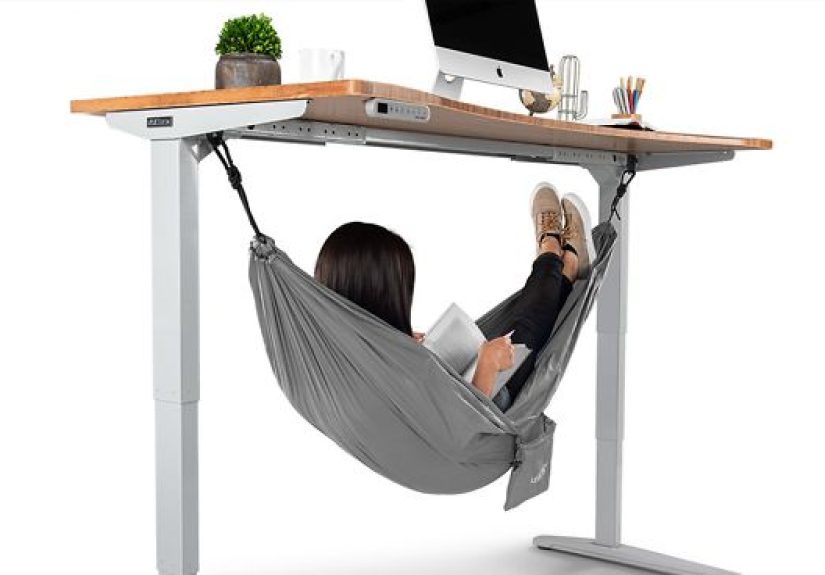
An under-desk hammock is pretty much what it sounds like: a compact fabric sling that attaches under a compatible desk frame so you can stretch out, elevate your feet, or lie down for a quick nap without leaving your workstation. Think “mini vacation” but with Wi-Fi and HR policies.
Most of these hammocks:
- Attach to metal desk frames with hooks, clips, or carabiners.
- Are made from durable canvas, nylon, or similar materials that can support adult weight.
- Roll or fold up when not in use so they don’t constantly dangle into your Zoom background.
- Are designed for standing desks or sturdy frames that can safely support both you and your hammock habit.
The “around $55” price tag lands in that sweet spot where it’s not exactly pocket change, but it’s still cheaper than most office chairs, multiple coffee runs, or a monthly subscription to yet another productivity app you’ll stop using in a week.
Why a Hammock Under Your Desk Is More Than a Gimmick
The science of short breaks and micro-naps
The under-desk hammock may look like a joke gift, but it taps into some serious research about how breaks and short naps improve performance. Studies on micro-breaks (little pauses under ten minutes) and short naps consistently show benefits like:
- Improved focus and sustained attention.
- Better mood and emotional regulation.
- Reduced fatigue and stress.
- Higher productivity and creativity after you return to work.
Short naps in the 10–20 minute range are especially powerful. They’re long enough to refresh your brain but short enough that you don’t wake up feeling like you’ve been teleported out of a different dimension. This is exactly the kind of nap you can realistically take during a lunch break or a quiet afternoon stretch.
Now add a cozy under-desk hammock to that equation. Instead of slumping in your office chair or trying to nap on the break room couch that has definitely seen things, you get a designated, comfortable, “this-is-for-rest” space. That mental separation alone can make your break feel more intentional and more restorative.
From nap pods to desk hammocks: the evolution of chill office gear
For years, big-name companies have leaned into nap pods, quiet rooms, and wellness lounges. The under-desk hammock is basically the scrappy indie version of all that: less “corporate wellness budget,” more “I found this genius gadget and now I’m the office hero.”
It fits right into a broader trend: workplaces recognizing that people aren’t machines. Employees think more clearly, make better decisions, and stay more engaged when they aren’t dragged to the edge of burnout. A hammock under the desk is visually funny, surebut it also sends a quiet message that rest is allowed, and even encouraged.
Pros and Cons of the Under-Desk Hammock Life
The seriously good stuff
Beyond the obvious “this is awesome” factor, there are legit benefits to this little hammock:
- Instant mental reset. Stepping (or sliding) into a hammock signals to your body that you’re off-duty for a moment. The gentle sway and change of position alone can help your brain reset between deep work sessions.
- Better circulation and reduced stiffness. If you spend all day sitting, lying back or elevating your legs for a few minutes can give your lower back, hips, and feet a break.
- Micro-nap friendly. It’s hard to sleep deeply sitting upright in an office chair; a hammock under your desk feels more like lying down on purpose instead of accidentally falling asleep on your keyboard.
- Morale boost. Let’s be honest: an under-desk hammock is fun. It sparks conversation, adds personality to your workspace, and can lighten the mood in a high-stress environment.
- Space-efficient relaxation. If your office doesn’t have room for nap pods or lounge chairs, a hammock that tucks away under the desk is a clever workaround.
The potential downsides (because reality checks are healthy)
As dreamy as it sounds, going full “office hammock person” does come with a few considerations:
- Not all desks are compatible. Many under-desk hammocks are designed specifically for certain standing desk frames. A random flimsy table probably isn’t a safe idea. You need a sturdy, well-supported frame with the right mounting points.
- Space can get tight. If you already share a small office, having your legs (and occasionally your entire body) floating in a sling under the desk might be… an adjustment for your neighbors.
- Company culture matters. In some workplaces, taking a visible nap might raise eyebrows. Even if the science is on your side, you’ll want to think about optics and expectations.
- Safety first. You’re still under a desk. You don’t want loose cables, sharp edges, or heavy items above you that could fall. Installation and testing need to be done carefully.
Bottom line: the hammock itself is simple, but using it wisely is the real skill.
How to Pitch an Under-Desk Hammock to Your Boss Without Getting That Look
Dropping “Hey, can I install a hammock under my desk so I can nap at work?” into Monday’s team meeting may not be the most strategic approach. A better move? Position it as a micro-wellness upgrade that aligns with productivity, focus, and employee wellbeing.
Here’s a more convincing angle:
- Lead with productivity. Frame it as a tool for short, structured breaks or power naps that help you return to work more focused, not less.
- Emphasize boundaries. Make it clear you’re not planning to spend half the day hiding in a fabric cocoon. You’ll use it during lunch, breaks, or after big tasks.
- Offer to treat it as a pilot experiment. Try it for a month, track your own energy, focus, or work output, and share what you learn. Managers love data, especially when it doesn’t cost them much.
- Pay for it yourself. At around $55, it’s a relatively low-cost personal upgrade. That also makes it feel less like a company-wide policy change and more like a personal wellness choice.
If your workplace already embraces flexible hours, hybrid work, or wellness perks, the under-desk hammock might actually fit right inonce everyone stops making jokes about it. (They won’t. But that’s part of the fun.)
Under-Desk Hammock Etiquette: How Not to Be “That Coworker”
You know the one: blasting videos without headphones, reheating fish in the office microwave, or taking loud speakerphone calls in an open-plan office. Don’t let “hammock person” be added to that list.
A few unofficial rules:
- Keep naps short. Aim for 10–20 minutes. You’ll feel refreshed, not groggy, and you won’t be out of commission when someone needs you.
- Choose your timing wisely. Peak meeting hours or moments of crisis are not hammock time. Early afternoons, quiet periods, or lunch breaks are safer bets.
- Use headphones or earplugs, not white noise machines. You’re the one napping; the whole office doesn’t need ocean sounds.
- Announce your availability. A simple Slack status like “Short break, back at 2:10” keeps expectations clear and avoids “Where did they go?” confusion.
- Stay fully clothed and reasonably professional. It’s a hammock, not a beach vacation. If your feet are right at eye level for anyone walking by, you might also want clean socks. Just saying.
Is a $55 Under-Desk Hammock Actually Worth It?
Whether this gadget is “worth it” depends on a few questions only you can answer:
- Do you regularly hit an afternoon energy crash?
- Is your office culture at least somewhat open to playful or unconventional wellness ideas?
- Does your desk frame safely support this kind of accessory?
- Are you the kind of person who will actually use it, not just show it off once and forget about it?
If you’re already serious about taking short breaksstretching, going for quick walks, or practicing mindfulnessa hammock is just another tool in the toolbox. But if you’re the type who grinds for hours, stares at the screen while your brain silently screams, and ignores your own exhaustion, this might be the nudge that reminds you to pause.
Think of it this way: one quirky gadget won’t magically fix burnout or broken workloads. But as part of a healthier routineregular breaks, realistic expectations, decent sleep at nightan under-desk hammock can be a small, tangible reminder that rest is allowed, not a moral failure.
How to Get the Most Out of Your Under-Desk Hammock
If you decide to join Team Hammock, a bit of planning goes a long way:
- Install it carefully. Follow the manufacturer’s instructions and make sure your desk frame is rated to support the hammock and your weight. Test it gently before going full “cocoon mode.”
- Pair it with a routine. Use it at predictable timeslike a 15-minute reset after deep-focus work or a midday break.
- Keep it clean. It’s made of fabric, and it lives under your desk near shoes, dust, and crumbs. Wash it regularly so “relaxing break” doesn’t become “allergy attack.”
- Combine with other break habits. Try a 5-minute stretch, a glass of water, and a 10-minute hammock rest. Tiny rituals can make your workday feel less like a blur.
of Real-World Vibes: Imagined Experiences from the Under-Desk Hammock Zone
To really understand the magic of a $55 under-desk hammock, it helps to picture how it transforms everyday office moments. So let’s walk through a few very relatable scenarios where this ridiculous-but-brilliant gadget shines.
Scenario 1: The 3 p.m. productivity cliff. You’ve been in back-to-back meetings all day. Your coffee is cold, your to-do list looks like a poorly managed group project, and your brain has quietly checked out to go scroll social media. Instead of doom-scrolling or pretending to work while reading the same sentence twelve times, you flip your chair back, hook into the hammock, set a 15-minute timer, and close your eyes.
At first, your brain is still buzzing with Slack messages and deadlines. But within a few minutes, your body catches up to the message: it’s okay to rest. The fabric cradles your weight, your shoulders drop, and your breathing slows down. When the timer goes off, you climb back up, grab some water, and realize that email you’d been putting off suddenly doesn’t feel impossible. Same tasks, different energy.
Scenario 2: Crunch-time creativity boost. You’re stuck on a big projectmaybe a presentation, a design, or a strategy doc. You’ve rearranged the same slide three times and rewritten the same paragraph five times. Inspiration has left the chat. Instead of forcing it, you decide to step away for a mini reset. You dim your monitor, slip into the hammock under your desk, and stare at the underside of your tabletop while your brain untangles itself.
Without the constant visual noise of your screen, ideas start bubbling up again. A different angle. A simpler structure. A cleaner way to tell the story. You’re not working in the hammock; you’re letting your mind wander just enough for creativity to reboot. Ten or fifteen minutes later, you climb out with two fresh ideas and a lot less frustration.
Scenario 3: Hybrid work, but make it cozy. For remote workers, the under-desk hammock becomes part of the home office ecosystem. You’re not worried about coworkers walking by, but you are battling the blurred lines between “I live here” and “I work here.” Installing a hammock under your desk becomes a way of drawing a boundary: when you’re in the chair, you’re on; when you’re in the hammock, you’re intentionally off.
Maybe you use it for five-minute rests between virtual meetings. Maybe it becomes your go-to place to listen to a quick podcast or do a short breathing exercise. It’s still just a piece of fabric and some hooks, but it helps carve out a tiny pocket of separation in a space where your job and your life share the same square footage.
Scenario 4: Quiet rebellion against hustle culture. A lot of office culture still quietly worships “looking busy.” People brag about skipping lunch or surviving on caffeine, even while research keeps screaming that this is a fast track to burnout. The under-desk hammock is a soft, slightly sarcastic protest sign against that mindset. You’re not slackingyou’re saying, “I care about doing good work, so I care about rest.”
That doesn’t mean you nap through deadlines or ignore responsibilities. It means you refuse to pretend that sheer exhaustion is a badge of honor. Every time you climb into that hammock, you’re choosing recovery over performative busyness. And that’s a quiet, powerful shift.
Scenario 5: The tiny wellness habit that actually sticks. A lot of wellness ideas sound great in theory and disappear in practice. You promise to meditate, stretch, or walk every dayand then work happens. The beauty of an under-desk hammock is that it’s physically in your way (in a good way). You see it. You step over it. It reminds you to pause, even if only for five minutes.
Over time, those little breaks can snowball into a more sustainable work rhythm: focused sprints, short rests, better evenings, and fewer days where you feel like a wrung-out dish sponge by 5 p.m. It won’t solve everything. But it might be the first habit that doesn’t vanish after week one because it’s literally attached to your desk.
So yes, on the surface, a $55 under-desk hammock is delightfully extra. It’s meme-worthy. It will absolutely earn you a few jokes. But underneath the humor is something real: a small, practical reminder that you’re a human, not a robotand humans do their best work when they’re allowed to rest.
Final Thoughts
The under-desk hammock sits at the intersection of wellness, work, and pure internet-level sillinessand that’s exactly what makes it so charming. It’s a smart little symbol of where modern work is heading: away from rigid “never stop” grind culture and toward workplaces that accept that brains need breaks, bodies need movement, and sometimes the most productive thing you can do is close your eyes and float for fifteen minutes under your desk.
If your office setup, budget, and company culture can handle it, this $55 hammock might just become your favorite midday ritual. And if nothing else, it guarantees one thing: you’ll have the chillest break setup in the building.