Table of Contents >> Show >> Hide
- What Milk Proteins Mean in Skincare (No, Your Face Isn’t Having Cereal)
- How Cleansing & Makeup Removing Wipes Actually Work
- So Why Add Milk Proteins to a Wipe?
- Can Milk Protein Makeup Wipes Replace Face Wash?
- Who Milk Protein Cleansing Wipes Are Great For (And Who Should Pause)
- Ingredient Checklist: What to Look For (And What to Side-Eye)
- How to Use Milk Protein Cleansing Wipes Like a Pro (No Face Sanding Required)
- Safety & Hygiene: Because Wet Products Can Get Weird
- Eye Area Reality Check: Gentle Wins
- Eco Reality Check: Please Don’t Flush These
- Quick FAQs
- Conclusion: The Best Way to Use Milk Protein Makeup Removing Wipes
- Experience Notes: From the Real World of Milk Protein Wipes
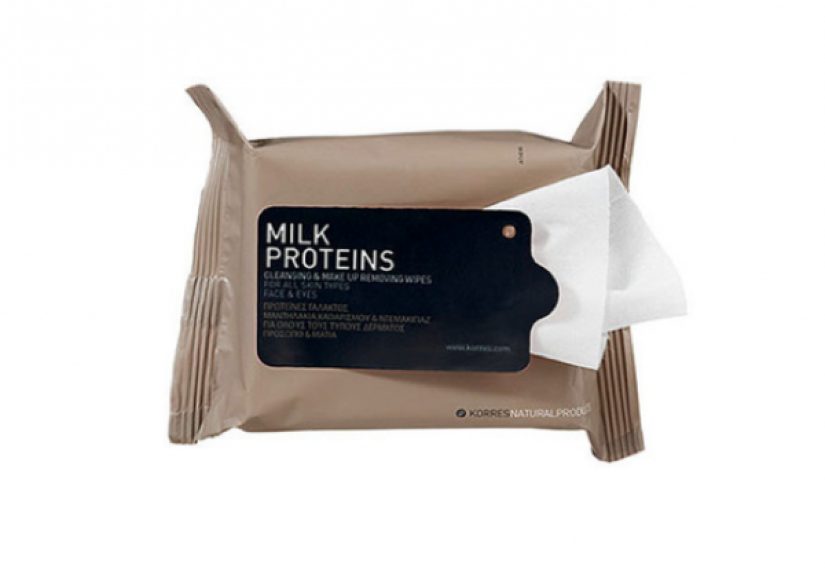
Somewhere between “I’ll take my makeup off” and “I’ve merged with my pillow,” there’s a humble hero: the makeup removing wipe. Now imagine that wipe didn’t leave your face feeling like it just walked through a desert wearing foundation. Enter: milk proteins cleansing wipesthe comfy-sweater version of makeup removing wipes.
This guide breaks down what milk proteins are doing in a cleansing wipe, who they’re best for, how to use them without scrubbing your face like a burnt pan, and what to check on the label so your “quick cleanse” doesn’t become a “why is my skin mad at me” situation.
What Milk Proteins Mean in Skincare (No, Your Face Isn’t Having Cereal)
In cosmetics, “milk proteins” usually refers to ingredients derived from milkoften casein or wheythat have been processed to behave nicely in a formula. You’ll often see them as Hydrolyzed Milk Protein, Hydrolyzed Casein, or Hydrolyzed Whey Protein. “Hydrolyzed” is a fancy way of saying the proteins were broken into smaller pieces (peptides/amino acids) so they dissolve better and feel smoother on skin.
Why do brands bother? Because these ingredients are commonly used as skin-conditioning agentsthe supportive friend in a formula who helps skin feel softer and less tight after cleansing. A major cosmetic safety review of multiple milk-derived protein ingredients describes them primarily as skin/hair conditioning ingredients used in personal care products.
Label Translator: Milk-Protein Names You Might Spot
- Milk Protein / Milk Protein Extract (broad, can vary)
- Hydrolyzed Milk Protein (smaller fragments; often smoother feel)
- Casein / Hydrolyzed Casein
- Hydrolyzed Whey Protein
- Hydrolyzed Lactalbumin / Lactoglobulin (specific milk proteins)
How Cleansing & Makeup Removing Wipes Actually Work
A wipe is basically two things working together: (1) the fabric sheet that physically lifts stuff off your skin, and (2) the liquid formula that loosens makeup, sunscreen, and grime.
The fabric matters more than people think. A textured wipe can grab onto foundation and mascara better, but it can also encourage aggressive scrubbing (and your skin barrier will file a complaint). The liquid typically includes water, mild cleansing agents (often surfactants or micellar-style cleansers), moisturizers, andbecause a wet product is basically a tiny spa for microbespreservatives.
The “Micellar” Thing (In Plain English)
Many modern wipes lean on micellar-style cleansing: tiny clusters that help lift oil and makeup without feeling as harsh as some traditional cleansers. It’s why some wipes feel “clean” but not squeaky. Still, even the gentlest wipe is usually best as a first pass, not your skin’s entire life plan.
So Why Add Milk Proteins to a Wipe?
Here’s the practical appeal: wipes can require friction. Friction can be drying or irritating. Milk-protein ingredients are often included to help skin feel conditioned, soothed, and less strippedespecially in wipe formulas that might otherwise feel a little “too efficient.”
Scientific reviews discussing milk proteins in dermatology and cosmetics describe a range of skin benefits associated with milk-based components and proteinsparticularly around moisturizing, soothing, and overall skin conditioning. That doesn’t mean milk proteins are magical erasers for all skin drama, but it does explain why formulators like them as a comfort ingredient in cleansing products.
Can Milk Protein Makeup Wipes Replace Face Wash?
For light to medium makeup, a wipe can be “good enough” sometimesespecially when you’re traveling, post-gym, or you’ve reached the bedtime stage known as “horizontal bargaining.” But if you wear heavier foundation, long-wear lipstick, waterproof mascara, or serious sunscreen, wipes are usually better as step one.
Dermatologist guidance in major beauty outlets commonly frames wipes as a convenience tool: remove most makeup with a wipe, then follow with a gentle cleanser so leftover residue doesn’t linger in pores. On top of that, clinical skin educators caution against relying on wipes regularly because preservatives and the rubbing motion can be harsh and can disrupt the skin barrier.
Who Milk Protein Cleansing Wipes Are Great For (And Who Should Pause)
Great fits
- Dry or easily “tight” skin that wants a softer post-wipe feel
- Travel, gym, festivals, late flightsanywhere a sink is a myth
- Minimal-makeup days (tinted moisturizer, concealer, mascara)
- People who will actually follow up with cleanser when needed
Use caution if…
- You have a true milk allergy. Milk allergies are reactions to milk proteins (commonly casein and whey). If you react to milk proteins, avoid dairy-derived skincare unless your allergist says otherwiseand patch test is non-negotiable.
- You’re acne-prone and wipe-only at night. Residue + sleep = a breakout buffet. Wipe first, cleanse second.
- Your eyes get irritated easily. You’ll want extra-gentle technique and likely a dedicated eye-safe remover for stubborn mascara.
- You’re vegan. Milk proteins are animal-derived; look for plant-based conditioning ingredients instead.
Ingredient Checklist: What to Look For (And What to Side-Eye)
Green flags for most people
- Milk protein derivatives (Hydrolyzed Milk Protein, Hydrolyzed Casein, Hydrolyzed Whey Protein)
- Humectants like glycerin (helps reduce that “paper towel face” feeling)
- Fragrance-free (especially if sensitive or eczema-prone)
- Simple formulas if you’re reactivefewer bells, fewer surprises
Things that commonly trigger sensitivity
- Added fragrance (including “masking fragrance”)
- Overly strong alcohol-heavy formulas (can feel stingy/drying)
- “Tingly” extras that sound fun but may irritate (depends on your skin)
“Unscented” vs “Fragrance-Free” (Not the Same Thing)
Here’s a label trap worth knowing: “unscented” can still contain fragrance ingredients used to mask odors, while “fragrance-free” is intended to mean no added fragrance ingredients. If your skin gets cranky, this difference matters.
How to Use Milk Protein Cleansing Wipes Like a Pro (No Face Sanding Required)
- Start with the eyes (gently). If your mascara is stubborn, press the wipe on closed lids for a few seconds to loosen makeupdon’t tug. The skin around your eyes is delicate; treat it like it’s made of expensive silk (because it basically is).
- Use enough wipes. One wipe for a full face of long-wear makeup is like one paper towel for a dog bath. Keep going until the wipe comes away mostly clean.
- Swipe smart. Work from the center outward and don’t forget hairline, jawline, and around the nosecommon “leftover makeup” zones.
- Follow with cleanser when needed. If you wore heavy makeup, waterproof products, or sunscreen, do a quick second cleanse with a gentle face wash.
- Optional but underrated: rinse or splash after wiping if you’re sensitive to residue.
- Moisturize. Wipes remove stuffsometimes including comfort. Put it back with a moisturizer.
Safety & Hygiene: Because Wet Products Can Get Weird
Wipes are moist, sealed, and used repeatedlymeaning preservation and proper storage matter. Cosmetic safety guidance notes that cosmetics can become harmful if contaminated with microorganisms, and manufacturers are responsible for keeping products safe and properly preserved.
- Seal the pack tightly so the wipes don’t dry out (and don’t get contaminated).
- Don’t add water to “revive” dried wipesdiluting preservatives can encourage microbial growth.
- Store as directed (hot, damp bathrooms can speed up problems).
- Don’t use on broken skin unless the product specifically says it’s appropriate.
Eye Area Reality Check: Gentle Wins
Eye makeup is designed to stay put, which is great for your eyeliner and terrible for your bedtime motivation. Clinical eye-care guidance emphasizes removing eye makeup before bed to avoid clogging oil glands and irritating the eye area, and warns to avoid getting remover into the eyes.
If you’re prone to dryness or irritation, consider a two-product approach: eye-safe remover first (especially for waterproof mascara), then your milk-protein face wipe for the rest. Bonus: less rubbing, fewer “why are my eyes angry?” mornings.
Eco Reality Check: Please Don’t Flush These
Even when wipes are labeled “flushable,” wastewater professionals repeatedly warn that wipes don’t break down like toilet paper and can clog pipes and pumps. Translation: your toilet is not a magical portal. It is a plumbing system with feelings.
The most responsible move is simple: trash it. If you want to reduce waste, reserve wipes for travel and emergencies, and use reusable cloths or a cleansing balm at home.
Quick FAQs
Do milk protein cleansing wipes work on sunscreen?
Often, yesespecially lighter sunscreens. For heavy-duty, water-resistant SPF, treat wipes as the first step and cleanse afterward.
Are milk protein wipes safe for sensitive skin?
They can be, especially if they’re fragrance-free and formulated gently. If you have eczema or frequent irritation, look for products designed for sensitive skin (some wipes even qualify for eczema-focused acceptance programs).
Will they break me out?
They might if residue remains or if you rely on wipes alone nightly. If you’re acne-prone, wipe first, cleanse second.
Conclusion: The Best Way to Use Milk Protein Makeup Removing Wipes
Milk proteins cleansing wipes can be a great “comfort upgrade” to the classic makeup wipeespecially for dry or sensitive-feeling skinbecause they’re often paired with conditioning ingredients. But the golden rule still applies: wipes are a tool, not a lifestyle.
Use them when convenience matters (travel, gym, late nights), use a gentle technique (no scrubbing), and when you’ve worn heavier makeup or sunscreen, follow with a proper cleanser. Your skin gets clean, your barrier stays calmer, and your pillowcase doesn’t have to do undercover work.
Experience Notes: From the Real World of Milk Protein Wipes
I tested the “wipe life” the way most people actually live it: not in a pristine bathroom with spa music, but in the messy in-between momentspost-gym, red-eye flights, and that midnight couch trance where your brain insists you can’t possibly stand up again.
The first thing I noticed with milk-protein-infused wipes was the finish. Regular wipes can leave my face feeling clean-ish but also oddly “tight,” like my skin is wearing a belt one notch too high. With milk-protein wipes, the after-feel was softerless squeaky, more “okay, we can negotiate.” It didn’t feel greasy; it felt like my skin wasn’t being punished for wanting to remove mascara.
The second lesson was humbling: one wipe is a lie. If you wear sunscreen and makeup, one wipe will simply move product around your face like you’re redecorating. The trick that worked best was using the wipe like a map: eyes first (press, don’t rub), then cheeks/forehead, then the “forgotten zones” (hairline and jawline). Folding mattered, too. Every fold gives you a fresh surface, which is basically the wipe equivalent of changing to clean sockssmall move, big payoff.
The eye area was where technique made or broke the experience. When I got impatient and scrubbed at waterproof mascara, my lashes and eyelids staged a protest. When I slowed downpressed the wipe gently for a few seconds and then wiped downward with the lash linethe makeup lifted with way less drama. On heavy eye days, I still preferred a dedicated remover first, then a wipe for cleanup. It felt like using the right tool instead of trying to open a wine bottle with a spoon.
The biggest surprise was how much storage affected performance. If the pack wasn’t sealed tight, the last third of the wipes turned into sad, dry napkins. If the pack lived in a hot car, the scent (even in “lightly scented” versions) felt stronger and my skin was more likely to get irritated. Keeping wipes in a cool spot and snapping the closure shut every time made them consistently usableand honestly, made me feel like an adult.
Finally, the “wipe-only” nights taught me why dermatologists keep saying wipes are step one. When I skipped a follow-up cleanse after a full face day, I’d wake up to tiny bumps that screamed, “Hello, residue.” When I did a quick gentle cleanser afterward, my skin looked clearer and felt calmer. The best routine ended up being simple: wipe to remove the bulk, cleanse to finish, moisturize to recover. Low effort, high reward.
Bottom line from the trenches: milk protein cleansing wipes are fantastic for comfort and convenienceespecially when you treat them like a smart shortcut, not the entire highway.