Table of Contents >> Show >> Hide
- What a Brake Booster Does (And Why Your Foot Loves It)
- Top Bad Brake Booster Symptoms (The Ones You’ll Actually Notice)
- 1) Hard Brake Pedal (Sudden “Leg Day” Mode)
- 2) Increased Stopping Distance (Brake Lag You Can Feel)
- 3) Hissing or Whistling Noise When You Press the Brake
- 4) Engine RPM Drop, Rough Idle, or Stalling When Braking
- 5) Pedal Changes After a Few Pumps (Vacuum Reserve Isn’t There)
- 6) Warning Lights or Messages (Especially on Newer Vehicles)
- 7) Fluid Leaks (Sometimes It’s Not the Booster… Until It Is)
- 8) Soft Pedal That Doesn’t Match the Story
- 9) Hydro-Boost Clues: Steering Feels Off, Fluid Leaks, or Grabby Brakes
- 10) Intermittent Assist (Works… Then Doesn’t)
- Why Brake Boosters Fail (The Usual Suspects)
- How to Tell If It’s the Booster (Not the Master Cylinder or Air in the Lines)
- Is It Safe to Drive With a Bad Brake Booster?
- What to Do Next (Practical Steps That Don’t Involve Panic)
- Garage Tales: Real-World Experiences With Bad Brake Boosters (About )
- Story #1: “My brake pedal turned into a gym machine overnight.”
- Story #2: “It only happens after a few quick stops.”
- Story #3: “Every time I brake at a light, the engine acts weird.”
- Story #4: “I found fluid where fluid should NOT be.”
- Story #5: “The dash lit up like a Christmas tree, and the pedal feel changed.”
- Conclusion: Catch the Symptoms Early, Stop Safely
Your brake booster is the unsung hero of stoppinga backstage crew member that never gets applause, but if it quits mid-show, everyone notices. One minute your car stops with a gentle toe tap, the next you’re doing an unplanned “leg day” workout just to slow down at a red light.
This guide breaks down the top bad brake booster symptoms in plain, standard American Englishplus what causes them, how to confirm what’s actually failing, and what to do next. If you’ve noticed a hard brake pedal, a mysterious hissing noise when braking, or your engine acting like it’s allergic to stop signs, you’re in the right place.
What a Brake Booster Does (And Why Your Foot Loves It)
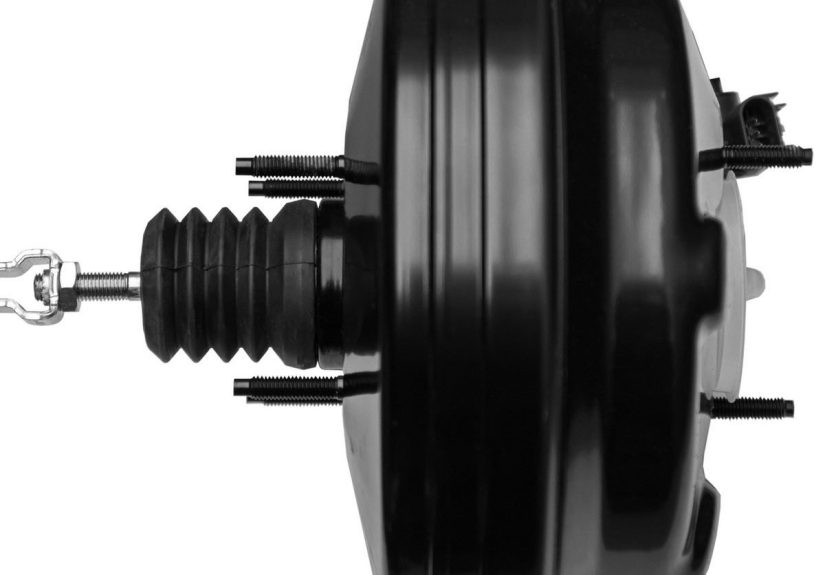
The brake booster is a force multiplier. It helps turn your normal human-leg pressure into the kind of muscle your braking system needs to clamp down hardwithout you standing on the pedal like you’re trying to squash a bug. When it works, braking feels natural. When it doesn’t, braking feels like a stubborn jar lid.
The three most common booster types
- Vacuum brake booster (most common on gas vehicles): Uses engine vacuum and a diaphragm to amplify force.
- Hydro-boost (often on trucks, diesels, some performance vehicles): Uses hydraulic pressuretypically from the power steering system.
- Electronic brake booster (more common on hybrids/EVs): Uses sensors, a control unit, and an electric motor to provide assist.
Different designs, same goal: give you power brake assist so your braking is strong, consistent, and not dependent on how many squats you did last week.
Top Bad Brake Booster Symptoms (The Ones You’ll Actually Notice)
A failing booster can be loud and obviousor sneaky and intermittent. Here are the most common warning signs, with what they feel like in real life and why they happen.
1) Hard Brake Pedal (Sudden “Leg Day” Mode)
The classic symptom: your brake pedal gets noticeably harder to press. You can still stop the car, but you’ll need significantly more force. Many drivers describe it as “stiff,” “solid,” or “why does this feel like pushing a brick?”
Why it happens: the booster isn’t multiplying your input anymore, so you’re relying mostly on raw pedal force. With vacuum boosters, this can sometimes feel worse after a couple of quick presses because the stored vacuum reserve gets depleted.
2) Increased Stopping Distance (Brake Lag You Can Feel)
A failing booster often leads to longer stopping distances because you can’t build assist consistently. You press the pedal, but the car doesn’t slow as decisively as it used to. It may feel like the brakes “wake up late,” especially in sudden stops.
Important nuance: the brakes may still work hydraulically, but the missing assist means you may not press hard enoughespecially in a panic stop, when milliseconds matter and your brain is already busy yelling, “STOP STOP STOP.”
3) Hissing or Whistling Noise When You Press the Brake
Hear a hiss under the dash, near the firewall, or around the pedal area when braking? That can signal a vacuum leak in the booster (or its hose/check valve). Think “air escaping” or “vacuum slurping,” not “normal brake squeal from pads.”
A steady hiss that changes with pedal movement is a major clue because boosters are basically vacuum-powered amplifiersleaks make them bad at their job.
4) Engine RPM Drop, Rough Idle, or Stalling When Braking
This one is weird the first time it happens: you press the brake at a stoplight and the engine stumbles, RPM drops, or it even stalls. A vacuum-style booster leak can act like a vacuum leak into the intake, upsetting the air-fuel mixture. It’s like your engine suddenly gets an uninvited gulp of air.
If this happens mostly at low speeds or when stationary, it’s a strong sign the booster is leaking internally or the vacuum circuit has a problem.
5) Pedal Changes After a Few Pumps (Vacuum Reserve Isn’t There)
Try this mental test: if the first brake press feels “okay-ish” but the next few get rapidly harder, that points toward the booster losing reserve or not holding vacuum. Vacuum boosters are designed to store enough assist for a short period even if engine vacuum drops. When reserve disappears, the pedal effort climbs fast.
6) Warning Lights or Messages (Especially on Newer Vehicles)
On vehicles with electronic or electro-hydraulic systems, a booster issue can trigger dash warningsthink brake, ABS, traction control, or stability control indicators. You might also notice sudden changes in pedal feel or travel that seem “computer-ish,” like the system moved into a fallback mode.
Translation: the car is basically saying, “I can still brake, but the easy-button is offline.”
7) Fluid Leaks (Sometimes It’s Not the Booster… Until It Is)
If you see brake fluid near where the master cylinder meets the booster, don’t ignore it. A rear master cylinder leak can allow brake fluid to get pulled into the booster. Brake fluid and rubber diaphragms do not get along. Over time, contamination can damage internal seals and compromise booster function.
In some cases, fluid contamination is why people replace a booster… and then the “new” booster fails again laterbecause the master cylinder leak never got fixed. The booster was the victim, not the original troublemaker.
8) Soft Pedal That Doesn’t Match the Story
Most of the time, booster failure points to a hard pedal, not a soft one. A soft pedal is more commonly linked to air in the lines, brake fluid leaks, or a master cylinder problem. However, if brake fluid is leaking into the booster, you can end up with a soft or inconsistent pedal because the hydraulic system is leaking pressuremeaning the “booster symptom” is actually a hydraulic leak wearing a booster costume.
9) Hydro-Boost Clues: Steering Feels Off, Fluid Leaks, or Grabby Brakes
If your vehicle uses hydro-boost, the symptoms can blend braking and steering because the system relies on hydraulic pressure. A leak can show up as power steering fluid loss, changes in low-speed steering effort, or a “grabby” braking feel that seems jerky.
It’s less “hiss hiss” and more “why are my brakes and steering both acting like they had a bad day?”
10) Intermittent Assist (Works… Then Doesn’t)
Some booster issues are not steady failures. You may have normal braking one drive, then a hard pedal the next, or assist that disappears for a moment and returns after restart. This is especially relevant for electronic boosters and electrical or software-related faults.
Why Brake Boosters Fail (The Usual Suspects)
A brake booster doesn’t typically “get tired” emotionally (same), but it can fail mechanically, hydraulically, or electronically depending on design. Here are common causes that map directly to the symptoms above.
Vacuum booster failures
- Internal diaphragm leak (loss of vacuum assist, hissing, hard pedal)
- Failed check valve (poor vacuum reserve, hard pedal after a few presses)
- Cracked or loose vacuum hose (hissing, inconsistent assist)
- Low engine vacuum (not a booster fault, but it can mimic oneespecially on certain engines or with vacuum leaks elsewhere)
- Brake fluid contamination from a leaking master cylinder (damaged seals/diaphragm over time)
Hydro-boost failures
- Power steering fluid leaks at the hydro-boost unit or lines
- Internal hydraulic failure causing inconsistent assist or a grabby/jerky feel
- Weak power steering pump (reduced hydraulic pressure means reduced assist)
Electronic booster failures
- Sensor/control faults (warning lights, fallback modes, changed pedal feel)
- Electrical issues (voltage disturbances, wiring problems)
- Software-related problems that can temporarily disable assist until reset
Real-world example: some recent vehicles have had recalls involving electronic brake booster modules that can shut off and cause a loss of boost until the vehicle is restartedexactly the kind of “it’s fine… now it’s not” experience that freaks drivers out (for good reason).
How to Tell If It’s the Booster (Not the Master Cylinder or Air in the Lines)
Diagnosing brakes is serious business, and if you’re not comfortable, a qualified technician is the best move. That said, there are a few safe, basic checks that can help you narrow it down before you schedule service.
Quick check #1: The “pedal drop” startup test (vacuum boosters)
- With the engine off, press the brake pedal several times until it feels firm.
- Keep steady pressure on the pedal.
- Start the engine.
- What you want: the pedal should soften and drop slightly as vacuum assist returns.
If it stays hard: suspect the booster, vacuum supply, hose, or check valve.
Quick check #2: Confirm the vacuum supply (don’t blame the booster unfairly)
A vacuum booster can only work if it’s fed proper vacuum. If vacuum supply is low or the hose is compromised, you can get booster-like symptoms even if the booster itself is okay. A shop can confirm vacuum with a gauge and inspect the hose and check valve for leaks or failure.
Quick check #3: Listen for leaks (the “snake hiss” clue)
With the engine idling, press and release the brake pedal slowly. If you hear a distinct hiss near the pedal/firewall area that correlates with pedal movement, that’s a strong hint of a vacuum leak in the booster system. Not every sound is a failure, but a pronounced, persistent hiss deserves attention.
How to avoid a common misdiagnosis
A spongy or sinking pedal often points to hydraulic issues (air in lines, fluid leaks, or master cylinder problems), not the booster. The booster affects assist (effort), while hydraulics affect pressure and pedal feel (firmness and travel). If the pedal is soft, don’t assume “booster” just because it sounds expensiveit may be a different (but equally urgent) fix.
Is It Safe to Drive With a Bad Brake Booster?
If your brake booster is failing, your stopping ability can change fastespecially in emergencies. Technically, many vehicles can still stop without boost, but it may require much more pedal force and can increase stopping distance. That’s not a fun gamble in traffic.
If you notice a sudden hard pedal, unpredictable braking, or stalling when braking, treat it as a stop-driving-and-diagnose situation. At minimum, avoid highway speeds and heavy traffic until a professional inspection confirms what’s going on.
What to Do Next (Practical Steps That Don’t Involve Panic)
1) Start with a visual inspection
- Check brake fluid level (low fluid suggests leaks that must be addressed immediately).
- Inspect around the master cylinder and booster for wetness or streaks.
- Look at the vacuum hose (vacuum boosters) for cracks, loose fittings, or oil contamination.
- For hydro-boost, check power steering fluid level and look for leaks near the unit and lines.
2) Don’t replace parts in a vacuum (pun fully intended)
If brake fluid is leaking into the booster, replacing only the booster can be a short-lived victory lap. The master cylinder leak must be corrected, and the braking system should be properly serviced after component replacement. Think of it like fixing a roof leak: don’t replace the soggy carpet and call it “done.”
3) Get a proper diagnosis if symptoms overlap
Booster problems can resemble other issues: vacuum leaks elsewhere, engine performance problems, worn pads/rotors, sticking calipers, or master cylinder failure. A reputable shop can test vacuum supply, confirm assist operation, inspect for fluid contamination, and verify system integrity.
Garage Tales: Real-World Experiences With Bad Brake Boosters (About )
Facts are helpful, but real driving experiences are where brake booster problems become unforgettable. Here are some common “this is how it actually feels” scenarios that drivers and technicians see all the timeso you can recognize the pattern before it becomes a story you tell at every barbecue.
Story #1: “My brake pedal turned into a gym machine overnight.”
One day the car stops normally, the next morning the pedal feels like it’s made of granite. The driver swears nothing changedno warning lights, no grinding, no dramajust a sudden hard pedal. In many cases, that’s the moment a vacuum booster diaphragm finally gives up or a check valve fails, leaving you with minimal assist. The brakes still work, which creates a dangerous illusion: “It’s fine, I can stop.” But each stop now requires more force, and panic stops get sketchy fast because most people underestimate how hard they need to press.
Story #2: “It only happens after a few quick stops.”
This one shows up in parking lots and drive-thrus: first stop feels normal, second is firmer, third feels like pushing a brick wall. That escalating stiffness often tracks with vacuum reserve disappearing. Drivers sometimes assume the brakes are “overheating,” but it’s really that stored assist isn’t being maintained due to a leak or faulty valve. It’s a classic clue because the pattern is repeatable: pump the pedal a few times and the assist fades.
Story #3: “Every time I brake at a light, the engine acts weird.”
Rough idle at stops can have a thousand causes, but when it coincides with brake application, it screams “vacuum leak” in the brake assist circuit. Drivers describe a stumble, a sudden RPM dip, or an engine that threatens to stall right as they press the pedal. The car feels moody and unpredictable, like it’s offended by your desire to stop. The fix isn’t always the booster itselfsometimes it’s a vacuum hose, sometimes it’s internal leakagebut the relationship between braking and engine behavior is the key clue.
Story #4: “I found fluid where fluid should NOT be.”
This experience usually begins with someone topping off brake fluid repeatedly, wondering why it keeps dropping. Eventually, they notice wetness where the master cylinder meets the boosteror they remove a vacuum fitting and discover fluid evidence that shouldn’t be in a vacuum chamber. That’s the point where many techs say, “We need to look at the master cylinder, too.” If fluid contamination has been happening for a while, the booster may be damaged as a secondary problem. The big lesson: a booster can be harmed by a leak upstream, so “replace booster only” is sometimes a setup for repeat failure.
Story #5: “The dash lit up like a Christmas tree, and the pedal feel changed.”
On newer vehicles, especially those with electronic boosters, drivers often report warning lights (ABS, traction, brake) plus a pedal that suddenly feels differentmore travel, different resistance, or a general sense that the car switched to a backup plan. Sometimes a restart temporarily clears it, which can trick people into ignoring the issue. But intermittent loss of boost is not a “later” problem. It’s a “schedule service now” problem.
Conclusion: Catch the Symptoms Early, Stop Safely
The big takeaway is simple: a failing booster changes how the brake pedal feels and how confidently the car stops. The most common bad brake booster symptoms include a hard pedal, increased stopping distance, hissing noises, and engine stumble or stalling during braking. Add warning lights (especially on modern electronic systems) and any sign of fluid leaks near the master cylinder, and you’ve got a strong case for immediate inspection.
If you suspect a booster problem, don’t wait for it to “get obvious.” Brake issues rarely improve with positive thinking. Get it diagnosed, fix the root cause, and enjoy the underrated luxury of stopping like a normal human again.