Table of Contents >> Show >> Hide
- What Is the Promenade Pedestal Sink?
- Why Choose a Pedestal Sink (and When It’s Genius)
- Design Ideas With a Promenade Pedestal Sink
- Installation and Practical Considerations
- Is the Promenade Pedestal Sink Right for You?
- Real-World Experiences With the Promenade Pedestal Sink
- Conclusion: A Small Fixture With a Big Design Payoff
If your bathroom feels more like a crowded subway car than a peaceful retreat, a pedestal sink might be the tiny superhero you didn’t know you needed. And if you want that sink to look like it stepped straight out of a timeless, classic hotel bath? That’s where the Promenade pedestal sink shines.
This elegant fixture, best known from TOTO’s Promenade collection, combines old-school charm with modern practicality. It’s compact without feeling skimpy, traditional without looking stuffy, and simple enough to work in everything from a powder room to a full bath remodel.
In this guide, we’ll walk through what makes the Promenade pedestal sink special, where it works best, what to watch out for, and how real homeowners feel about living with one day to day.
What Is the Promenade Pedestal Sink?
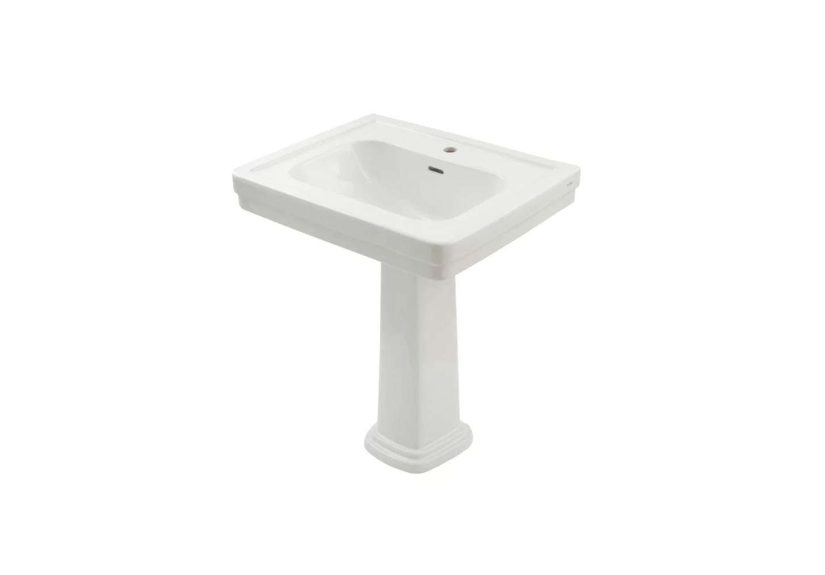
The Promenade pedestal sink is a classic-style bathroom sink made from durable vitreous china. It typically comes as a two-piece combo: a rectangular or slightly curved sink top paired with a matching pedestal base that conceals the plumbing and supports the basin.
Most Promenade pedestal sinks are:
- Around 24 inches wide, a popular size for small and medium bathrooms.
- Made of glossy white vitreous china (often marketed as “Cotton White”).
- Available with different faucet configurationssingle-hole or three-hole widespread.
- Equipped with a rear overflow to help prevent accidental floods.
Design-wise, the Promenade line leans traditional. Think: soft rectangular lines, gently beveled edges, and just enough decorative detail on the pedestal to feel intentional, not fussy. If your style falls anywhere between “vintage hotel,” “updated farmhouse,” or “classic craftsman,” this sink will blend right in.
Key Features at a Glance
- Material: Vitreous china – smooth, non-porous, and easy to wipe clean.
- Finish: Typically bright white, which plays nicely with both warm and cool color schemes.
- Size: Around 24″ wide by 19″ deep, with a comfortable 34″–ish height when installed with the pedestal.
- Faucet options: Single-hole or 3-hole configurations for widespread faucets, depending on the specific model.
- Pedestal base: Slim but sturdy, with classic lines that visually anchor the sink without feeling bulky.
- Overflow: Rear overflow slot to help prevent water from spilling over if someone forgets to turn off the tap (it happens).
In short, the Promenade pedestal sink gives you the traditional pedestal look with modern dimensions and functionality. It’s not the smallest pedestal on the market, but that’s part of its appeal: it feels substantial without hogging the room.
Why Choose a Pedestal Sink (and When It’s Genius)
Before zooming in on the Promenade specifically, it helps to understand the bigger picture: pedestal sink vs. vanity. A pedestal sink trades storage and counter space for visual openness and compact footprint. That’s a big deal in smaller bathrooms where every inch counts.
Pros of a Pedestal Sink
- Perfect for small spaces. Pedestal sinks shine in half-baths, powder rooms, and tight full baths where you’d rather have more space to move than a bulky cabinet.
- Classic, timeless style. They fit beautifully into traditional, historic, or vintage-inspired homes, and the Promenade’s details make it look like it always belonged there.
- Visually light and airy. Because you see more of the floor, the room feels biggereven if the square footage hasn’t changed.
- Easy to clean under and around. No cabinet toe-kick collecting dust bunnies for years. Just a pedestal, flooring, and a mop.
- Great for “statement” bathrooms. When you want tile, wallpaper, or a gorgeous mirror to be the star, a pedestal sink quietly supports the look instead of dominating it.
Cons You Shouldn’t Ignore
As charming as pedestal sinks are, they’re not for every bathroom or every person. A Promenade pedestal is wonderfuluntil you realize you have no place to put your enormous skincare collection.
- No built-in storage. You’ll need to get creative with shelves, baskets, medicine cabinets, or a nearby linen closet.
- Limited counter space. Most pedestal sinks only have room for soap and maybe a small tray. If you like to spread out while getting ready, this may be frustrating.
- Plumbing placement matters. The supply lines and drain need to be positioned properly behind the pedestal; otherwise installation gets complicated.
- Not ideal for multi-tasking families. If two people like to get ready at the same time, a single pedestal might cause traffic jams.
The Promenade pedestal sink is best for people who either don’t need much storage in the bathroomor are happy to store things elsewhere in exchange for a more spacious, stylish feel.
Design Ideas With a Promenade Pedestal Sink
One of the biggest strengths of the Promenade pedestal sink is its style flexibility. It’s rooted in traditional design, but the clean lines keep it from feeling dated. Here are a few ways you can build a bathroom look around it.
1. Classic Powder Room With Character
Pair the Promenade sink with:
- A framed mirror in brushed nickel or polished chrome.
- Wall sconces flanking the mirror for soft, flattering light.
- Chair rail or wainscoting painted in a crisp white or soft gray.
- Patterned floor tilethink black-and-white mosaic or subtle geometric.
This approach makes a small powder room feel intentional and upscale without over-complicating anything. The sink becomes part of a cohesive classic design instead of a random white fixture stuck against the wall.
2. Vintage-Inspired or Historic Bathroom
If your home leans craftsman, bungalow, Victorian, or early 20th-century, the Promenade pedestal sink fits right into the era. Try:
- Hex or penny tile flooring.
- Subway tile halfway up the walls or in the shower.
- Oil-rubbed bronze or polished nickel hardware and faucet.
- A wooden medicine cabinet or vintage-style mirror.
The traditional details on the pedestal and sink rim echo the architecture of older homes, so the whole space feels cohesive instead of pieced together over time.
3. Farmhouse or Cottage-Chic Space
Love the cozy charm of cottagecore or modern farmhouse? A Promenade pedestal sink works beautifully with:
- Shiplap or beadboard walls.
- Soft, neutral paint colorscream, greige, or muted sage.
- Woven baskets beneath or beside the sink for towel storage.
- A simple gingham or linen sink skirt hung from discreet rods or Velcro to hide plumbing and add softness.
Yes, sink skirts are back in style, especially in rustic and cottage-style spaces. Adding one under or around your pedestal sink can soften the lines and create a charming focal point, while hiding cleaning supplies or extra toilet paper.
4. Small Bathroom, Big Personality
In very small rooms, the Promenade pedestal sink lets you go bold elsewhere. Try:
- Statement wallpaper above the sinkbotanicals, art deco, or a graphic print.
- Colorful walls paired with crisp white trim and fixtures.
- A dramatic mirrorarched, round, or framed in brass.
- Floating glass or narrow wood shelves for storage instead of cabinets.
Because the sink is visually light, you have more freedom to play with color and pattern without the room feeling crowded.
Installation and Practical Considerations
Even the prettiest sink can cause headaches if you don’t plan ahead. Here are the practical points to consider before ordering and installing a Promenade pedestal sink.
Check Your Plumbing Layout
Pedestal sinks need your water supply lines and drain to fall within a fairly specific area behind the pedestal. If your rough plumbing is too low, too high, or too far off-center, your plumber may need to adjust it before installation.
It’s smart to:
- Review the sink’s spec sheet for recommended rough-in measurements.
- Confirm wall blocking or backing is in place to support the sink top (many pedestal sinks anchor to the wall as well as resting on the base).
- Double-check the finished floor height so the final sink height feels comfortable.
Choose Your Faucet Beforehand
The Promenade pedestal sink comes with different faucet hole layouts. Some versions are drilled for a single-hole faucet, while others accommodate widespread faucets with 8-inch centers. Decide your faucet style early so you can order the correct sink top.
If you love a vintage cross-handle widespread faucet, choose a three-hole model. If you prefer a cleaner, more modern look, the single-hole configuration will give you less visual clutter on the deck.
Plan for Storage Solutions
Since you lose a vanity cabinet when you move to a pedestal sink, plan your storage like a pro:
- Wall shelves: Above the toilet or beside the mirror for everyday items.
- Medicine cabinet: Recessed or surface-mounted above the sink to hide toiletries.
- Decorative baskets: Tuck under the pedestal or in a corner to hold extra towels and tissue.
- Tall cabinet nearby: If space allows, a narrow linen tower can handle bulkier items.
Think of the pedestal sink as the centerpiece, and build smart, vertical storage around it.
Is the Promenade Pedestal Sink Right for You?
Quick gut-check time. The Promenade pedestal sink is a strong contender if:
- You’re working with a small or narrow bathroom and want it to feel larger.
- You prefer a classic or traditional aesthetic over ultra-modern.
- You’re okay storing most toiletries in a cabinet, nearby closet, or on shelves.
- You want a sink that looks more “designed” than basic builder-grade fixtures.
It might not be the best match if you:
- Need lots of counter space for makeup, hair tools, and daily products.
- Have multiple people sharing one bathroom with no other storage.
- Prefer a minimalist, wall-hung sink with ultra-clean lines.
If you’re remodeling a powder room or classic-style bath, the Promenade pedestal sink hits that sweet spot of traditional charm, reasonable size, and durable construction.
Real-World Experiences With the Promenade Pedestal Sink
Beyond specs and design boards, what is it actually like to live with a Promenade pedestal sink? Let’s walk through some common experiences that homeowners and designers often reportwith a little friendly commentary along the way.
“My Small Bathroom Finally Feels Bigger”
One of the most frequent reactions to swapping out a bulky vanity for a Promenade pedestal sink is, “Wow, this room opened up.” Because the pedestal exposes more floor and has a smaller footprint than most vanity cabinets, it visually expands the space. People who once dreaded their cramped powder room often feel like it finally has room to breathe.
Homeowners describe walking in and seeing a graceful sink instead of a blocky cabinet. The eye travels around the room, taking in the tile, the walls, and the mirror, instead of stopping at a big box of storage. If your bathroom currently looks like a cabinet with a toilet attached, that change alone can feel transformative.
Learning to Live With Less Counter Space
Countertop minimalists tend to thrive with the Promenade. Folks who prefer one soap dispenser, a hand towel, and maybe a small tray for a candle or a plant are delighted. Those who like to leave everything outlotions, sprays, brushes, and five backup toothpaste tubesgo through a brief adjustment period.
The most successful setups treat the pedestal sink as a “display zone” rather than storage. Everyday essentials get decanted into prettier containers or moved into a medicine cabinet. Extra items migrate to baskets or drawers nearby. Many people find that this forces a bit of healthy decluttering: only the items they actually use daily get prime real estate near the sink.
Cleaning Is Surprisingly Easy
People often assume pedestal sinks are harder to clean because there’s nowhere to hide dust or grime. In reality, the opposite tends to be true. With no cabinet toe-kick or deep corners, it’s easier to wipe the pedestal, floor, and wall around the sink.
The vitreous china surface on Promenade sinks is smooth and non-porous, meaning toothpaste splatters, soap drips, and stray makeup rinse off with minimal effort. Weekly cleaning usually involves a quick wipe with a non-abrasive cleaner and a microfiber cloth. Many homeowners report that the sink still looks bright and glossy years after installation, especially when they avoid harsh scrub pads.
Installation Surprises (the Good and the “Oh, Right…”)
On the positive side, people like that the Promenade pedestal sink usually comes with clear installation instructions and mounting hardware. The two-piece design (sink top plus pedestal) allows installers to mount the basin securely to the wall and then slide the pedestal into position, which feels reassuringly solid when done correctly.
The “oh, right” moment often happens if the existing plumbing isn’t centered or is set for a vanity. Rough-in heights for vanities are typically lower and hidden inside cabinets; pedestal sinks prefer a tighter, more precise layout. When this mismatch shows up, it can mean an extra visit from the plumber to adjust the lines. It’s not a deal-breaker, but it’s something real-world remodelers encounter frequently.
Pairing the Sink With the Rest of the Bathroom
Owners who are happiest with their Promenade pedestal sink almost always planned the whole bathroom around it, rather than treating it as an afterthought. They chose:
- A faucet that matches their home’s overall hardware finish.
- Lighting that flatters the sink and mirror (sconces are especially popular).
- Wall color and tile that complement the traditional shape of the pedestal.
- Thoughtful storagelike a recessed cabinet or slim shelvingto support daily routines.
In those spaces, the sink feels like a deliberate design choice, not a compromise. Guests notice the sink first, then the tile, then the lighting, and the whole room reads as cohesive and polished.
Everyday Usability: Families, Guests, and Aging in Place
For guest baths and powder rooms, the Promenade pedestal sink gets high marks for day-to-day use. It’s comfortable for hand-washing, quick touch-ups, and teeth brushing, and the height is appropriate for most adults and older kids.
In a busy family main bathroom, experiences are mixed. Some households like the open feel so much that they happily supplement with storage towers or baskets. Others eventually move back to a vanity because they need drawers for hair tools, makeup, and kids’ bath products. It really comes down to how much you expect your sink area to multitask.
For aging-in-place or accessibility, the pedestal style may not always be ideal. Wall-hung or open-lower cabinetry can sometimes offer better knee clearance or support for grab bars. That said, the Promenade’s conventional height and generous basin can still work well if mobility isn’t a major concern.
Long-Term Satisfaction
Over time, many homeowners say the Promenade pedestal sink feels “permanent” in the best way. It doesn’t chase trends. The classic shape stays relevant even as paint colors and accessories change. If you’re tired of constantly updating your space to match the latest fad, a simple, well-designed pedestal sink like this becomes a reliable anchor that still looks good a decade later.
At the end of the day, the real-world verdict usually sounds like this: “I had to rethink storage, but I’d absolutely choose this sink again for the way it makes the bathroom feel.”
Conclusion: A Small Fixture With a Big Design Payoff
The Promenade pedestal sink is more than just a place to wash your handsit’s a design decision that shapes how your entire bathroom feels. With its classic lines, compact footprint, and durable vitreous china construction, it brings hotel-level polish to everyday spaces, especially small baths and powder rooms.
If you’re willing to trade a chunky cabinet for openness, lightness, and a timeless look, the Promenade pedestal sink is an excellent contender. Add smart storage, a well-chosen faucet, and thoughtful lighting, and you’ll end up with a bathroom that feels bigger, looks more intentional, and stays stylish for years.
SEO JSON