Table of Contents >> Show >> Hide
- So… Should You Wash Socks Inside Out?
- Why the Inside of Your Socks Gets So Gross
- 5 Reasons Laundry Pros Wash Socks Inside Out
- When You Shouldn’t Wash Socks Inside Out
- How to Wash Socks the Right Way (Step-by-Step)
- Special Sock Situations
- Common Mistakes That Ruin Your Socks
- Fast FAQ: Sock Washing Questions, Answered
- Real-Life Experiences: What Happens When You Start Washing Socks Inside Out?
- The Bottom Line
If you’ve ever pulled a “clean” pair of socks from the drawer only to realize they still smell like last week’s gym session, you’re not alone. Socks work harder than almost anything else in your wardrobe, yet most of us toss them into the washer with zero strategy and hope for the best.
Here’s the big question: Should you wash socks inside out? According to laundry experts, fabric pros, and hygiene researchers, the answer is almost always yeswith a few smart exceptions. Let’s break down why flipping those socks matters, when you shouldn’t do it, and how to wash them so they actually come out fresh, not “mildly less dirty.”
So… Should You Wash Socks Inside Out?
Short answer: Yes, you should usually wash socks inside out.
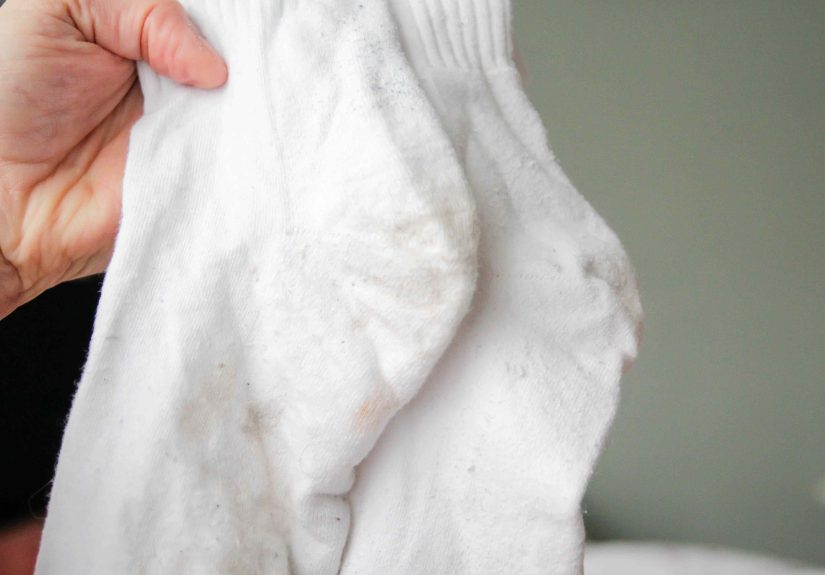
The inside of your socks is where the action happenssweat, dead skin, body oils, odor-causing bacteria, and sometimes fungus all build up there. Turning socks inside out puts the dirtiest part of the fabric directly in the path of water, detergent, and agitation, which means a deeper clean and less lingering funk.
But there’s a catch: if the outside of your socks is visibly filthy (think mud, grass, pet hair, or you wear them as “house shoes”), you may want to leave them right side out for the first wash or pre-rinse them before flipping. We’ll get into those exceptions in a minute.
Why the Inside of Your Socks Gets So Gross
Your feet have a high concentration of sweat glands, which means socks deal with constant moisture and friction. Over the course of the day, the inside of the fabric collects:
- Sweat and body oils that soak into the fibers
- Dead skin cells that slough off as you walk
- Bacteria and fungi that thrive in warm, damp environments
- Odor compounds created as microbes break down sweat
Research on laundry and microbes shows that proper washing is key to removing soils and odor-causing organisms from fabrics, especially items in close contact with skin. Socks are essentially tiny sweat sponges, so giving their inner surfaces more direct exposure to detergent makes a big difference in cleanliness and smell.
5 Reasons Laundry Pros Wash Socks Inside Out
1. You Get a Deeper Clean Where It Matters
When socks go into the washer right side out, a lot of the detergent and mechanical action is focused on the outside fabric. But that’s not where most of the grime is. Turning them inside out means:
- Detergent hits the dirtiest surface first
- Agitation helps lift dead skin and lint trapped inside
- Odor-causing bacteria are more effectively rinsed away
This is especially helpful for athletic socks, work socks, and synthetic blends that hold on to smell more than plain cotton.
2. It Helps With Odor Control
If your socks still smell even after washing, the issue is usually that the inner fibers aren’t being properly flushed. Washing inside out:
- Gives odor-causing microbes fewer places to hide
- Helps remove the buildup that leads to “permanent” stink
- Reduces the risk that lingering bacteria will transfer back to your feet
Pair this with the right detergent and, if needed, an extra rinse cycle, and you dramatically improve sock freshness.
3. It Reduces Lint, Pills, and Fuzz on the Outside
Ever notice your socks getting fuzzy or pilled on the outside after just a few washes? That’s friction damage. The outer surface of the sock rubs against other items in the load, the drum, and zippers or hooks. Turning socks inside out protects:
- Colors and patterns from looking worn too quickly
- Fine fibers (like merino wool) from over-pilling
- Compression and performance socks from losing their sleek look
Instead, any pilling and lint buildup mostly happens on the insidewhere nobody sees it.
4. It’s Better for Sensitive Skin
For people with eczema, contact dermatitis, or generally sensitive skin, how you wash socks matters. Detergent residue left on fabric can irritate skin, especially in areas where there’s friction, like ankles and toes.
Flipping socks inside out helps in two ways:
- It allows more thorough rinsing of the surfaces that touch your skin
- Combined with a fragrance-free, dye-free detergent and an extra rinse, it can reduce irritation
If your feet or ankles are prone to rashes, washing socks inside out with a gentle detergent and an extra rinse cycle is a smart habit.
5. It Extends the Life of Your Socks
By moving the worst friction to the inside, you:
- Protect the outer weave and knit from excessive wear
- Help elastic fibers last longer
- Keep patterns, logos, and colors crisper over time
Considering how often socks are worn and washed, anything that boosts their lifespan saves you money in the long run.
When You Shouldn’t Wash Socks Inside Out
There are a few situations where laundry experts might tell you to leave socks right side outat least at first.
1. When the Outside Is Visibly Dirty
If your socks are covered in mud, grass, dust, or pet hair (hello, walking around the house in socks), the outside is clearly the dirtiest part. In those cases:
- Shake or brush off loose debris first
- Pre-rinse or pre-treat muddy areas
- Wash them right side out to let water and detergent hit that grime head-on
For really stubborn dirt, you can wash them right side out first, then flip inside out for a second quick wash if odor is also an issue.
2. When Socks Are Covered in Hair or Lint
If you have pets, you know the deal: fur sticks to everything. If the outside of the sock is a fur magnet, washing right side out makes it easier for the machine to loosen and rinse away hair and lint.
Tip: A quick pass with a lint roller before washing can make a big difference.
3. When the Care Label Says Otherwise
Some specialty or novelty socks have specific washing instructionsespecially those with 3D decorations, metallic thread, or non-slip paint on the soles. Follow the label first. If there’s no mention, inside out is usually safe and beneficial.
How to Wash Socks the Right Way (Step-by-Step)
Flipping socks inside out is only part of the story. Here’s a simple routine that keeps them clean, comfortable, and long-lasting.
Step 1: Sort by Color and Fabric
- Whites with whites, darks with darks, brights with brights
- Group heavy items (like jeans and towels) separately from delicate or lightweight socks to reduce friction
Step 2: Turn Socks Inside Out (Usually)
- Flip everyday, athletic, and work socks inside out
- For socks with obvious dirt outside, wash right side out or pre-rinse
Step 3: Choose the Right Water Temperature
- Everyday cotton socks: Warm or cool water is usually ideal
- White socks with stains: Warm or occasional hot wash can help (as care label allows)
- Wool or merino socks: Cold water, gentle cycle, and mild detergent
- Compression or performance socks: Cool or warm water to protect elasticity
Step 4: Use the Right Detergent (and Amount)
- Use a high-quality liquid detergent; it dissolves better and leaves less residue
- Avoid over-pouringtoo much detergent can actually make socks feel stiff and less fresh
- For sensitive skin, choose fragrance-free, dye-free formulas
Step 5: Consider Extras for Odor and Sensitivity
- Add a vinegar rinse (about 1 cup white vinegar in the rinse cycle) to help neutralize odors
- Use baking soda with detergent for especially smelly loads
- Turn on an extra rinse cycle if you have sensitive skin or notice residue
Step 6: Dry Gently
- Tumble dry on low or medium heat to protect elastic
- Air-dry wool, merino, and compression socks whenever possible
- Avoid over-drying, which can make fabric brittle over time
Special Sock Situations
Kids’ Socks
Kids put socks through chaosplaygrounds, sports, mystery stains. For children’s socks:
- Wash after every wear
- Pre-treat grass or mud stains on the outside
- Flip inside out for odor and hygiene once the worst dirt is handled
Diabetic or Medically Sensitive Feet
For people with diabetes or circulation issues, socks are more than fashionthey’re part of foot care. In these cases:
- Wash socks after every wear
- Turn inside out to remove as much bacteria and residue as possible
- Use gentle, fragrance-free detergent and an extra rinse
Eczema or Allergy-Prone Skin
If your ankles and feet react easily, consider this routine:
- Flip socks inside out before washing
- Use a hypoallergenic, fragrance-free detergent
- Run an extra rinse cycle to reduce residue
- Skip fabric softener and perfumed dryer sheets; try wool or rubber dryer balls instead
Common Mistakes That Ruin Your Socks
- Overloading the washer: Clothes can’t circulate, and socks don’t get properly rinsed
- Using too much detergent: Leads to residue and irritation, especially on the inside
- Blasting everything on hot: Shrinks socks and weakens elastic over time
- Never turning them inside out: Allows odor and skin buildup to linger wash after wash
Fixing these habits, plus flipping your socks, can make a noticeable difference in comfort and freshness.
Fast FAQ: Sock Washing Questions, Answered
How often should you wash socks?
Every. Single. Wear. Socks sit right against your skin and collect sweat and bacteria, so re-wearing them is a fast track to odor and potential skin issues.
Can washing socks inside out fix bad smells?
It’s a big part of the solution. For stubborn odors, combine inside-out washing with warm water (if the care label allows), a quality detergent, and occasionally an odor-neutralizing boost like vinegar or baking soda.
Does it matter for cheap socks?
Yes. Even budget socks will feel better longer if you treat them right. Inside-out washing can delay thinning heels and toes, and help them look less worn.
Should I dry socks in the dryer or air-dry?
Most everyday socks are fine in a low or medium heat dryer. For wool, merino, or compression socks, air-drying is safer and helps them keep their shape and support.
Real-Life Experiences: What Happens When You Start Washing Socks Inside Out?
All of this sounds great in theory, but what does it look like in everyday life when you actually change the way you wash socks?
The First Week: “Why Didn’t I Do This Sooner?”
Most people who switch to washing socks inside out notice the odor difference first. That one pair of gym socks that always seemed to smell faintly like a locker room, even after washing, suddenly comes out noticeably fresher. You might find:
- Less “sock smell” when you open the drawer
- Fewer moments of regret when you slip off your shoes at someone else’s house
- Feet that feel drier and less clammy through the day
If you’ve ever been self-conscious about how your feet smell after a long workday or workout, this simple flip can genuinely reduce that quiet anxiety.
Month One: Your Sock Drawer Looks Better
Over a few weeks, the fabric benefits start to show. Dark socks keep their color a little longer. Patterned socks still look sharp instead of fuzzy. Those expensive merino or performance socks that used to pill quickly on the outside now stay smoother.
You may also notice less lint stuck to the outside of your socks. Instead, much of the fuzz collects inside, where you don’t see it and don’t care as much. For many people, that makes socks feel fresher longer, even between new purchases.
For Families: Fewer Sock Battles
If you’re doing laundry for a whole household, switching to an “inside out by default” rule for socks can simplify things. You can make it part of the routine:
- Teach kids to pull socks off so they automatically turn inside out
- Remind teens that if their socks smell, they go inside out before they hit the hamper
- Use mesh bags for each family member’s socks so they stay together and wash thoroughly
It won’t solve the mystery of missing socks completely (that’s between you and the laundry universe), but it can make the socks that do return feel cleaner and softer.
For Athletes and Heavy Sweaters: A Noticeable Upgrade
Runners, gym-goers, and people who stand all day at work are often the first to appreciate just how much gunk socks pick up. When they start washing socks inside out, many notice:
- Less lingering sweat smell, even in older socks
- Fewer issues with irritation where socks rub against heels and toes
- Less “stiffness” in the fabric after drying
Combine inside-out washing with a breathable sock material and a good detergent, and it’s one of the easiest ways to upgrade foot comfort without buying anything new.
A Simple Experiment You Can Try
If you’re still skeptical, run a small, low-risk test. Take two pairs of similar socks that you wear frequently:
- Wash one pair your usual way, right side out
- Wash the other pair inside out, with the same detergent and settings
After a few weeks of doing this consistently, compare them side by side. Smell them after washing, check the fabric for pilling, and see how they feel on your feet. For most people, the inside-out pair will look and feel betterand smell noticeably fresher.
The Bottom Line
Yes, you should wash socks inside out most of the time. It targets the dirtiest surfaces, helps control odor, reduces irritation, and keeps the outside of your socks looking newer for longer. Just remember the few exceptionslike visibly dirty or hairy socksand pair the habit with sensible choices about detergent, water temperature, and drying.
It’s a tiny change in your laundry routine that pays off every time you open your sock drawer, lace up your shoes, and confidently know your socks are actually cleannot just “less dirty than before.”