Table of Contents >> Show >> Hide
- At-a-Glance: Which One Should You Use?
- Meet the Contenders
- How Alcohol Actually Kills Germs (And Why Water Matters)
- Effectiveness: Hands, Surfaces, and the “What Are You Trying to Kill?” Question
- 1) Hand Hygiene: Ethanol vs. Isopropyl in Hand Sanitizer
- 2) Surface Disinfection: “Works” Depends on Contact Time and Label Claims
- 3) Virus Differences: Ethanol and IPA Aren’t Identical
- 4) Electronics Cleaning: Why People Love Isopropyl Alcohol
- 5) First Aid and Wound Care: Don’t “Disinfect” Your Skin Into a Problem
- Common Myths (Politely Roasted)
- Safety: The Unsexy Part That Matters
- How to Choose: A Simple Decision Guide
- Real-World Experiences: What People Notice (and What Actually Helps)
- Conclusion
If you’ve ever stood in a store aisle holding two nearly identical bottlesone labeled ethyl alcohol
(a.k.a. ethanol) and the other isopropyl alcohol (often shortened to IPA)
you’ve probably had the same thought: “Is one of these secretly better… or did chemistry just make two versions of the same thing?”
The short answer: they’re cousins, not twins. They overlap a lot, but the “best” choice depends on what you’re trying to do:
disinfect hands, sanitize a surface, clean electronics, or tackle sticky gunk without melting your favorite plastic.
This guide breaks down how ethanol and isopropyl alcohol work, what they’re best at, where they disappoint (yes, even the mighty 70%),
and how to use them safely. No scare tactics, no miracle claimsjust practical, real-world clarity with a dash of humor,
because cleaning is already boring enough.
At-a-Glance: Which One Should You Use?
Here’s the “save your brain cells” version. (Don’t worrywe’ll give the nuanced version next.)
| Goal | Best Pick (Usually) | Why |
|---|---|---|
| Hand sanitizing (when soap/water aren’t available) | Ethanol or isopropyl (≥60% alcohol) | Both can work well at the right concentration; use enough and rub until dry. |
| Quick disinfection of small, hard, nonporous surfaces | Either (often ~70%) | Good general disinfectants when the surface stays wet long enough. |
| Cleaning electronics / removing oils, flux, ink | Isopropyl (often 90%+ for cleaning) | Less water helps with sensitive components; great solvent for grime. |
| Odor sensitivity | Ethanol (often smells “lighter”) | Many people find IPA smell more pungent; your nose may vote. |
| Food-contact contexts (with proper products/labels) | Ethanol (product-dependent) | Ethanol is widely used in consumer and food-related sanitizing productsfollow label directions. |
Meet the Contenders
Ethyl Alcohol (Ethanol): The “Familiar” Alcohol
Ethanol is the alcohol most people recognize by name. It’s used in hand sanitizers, surface disinfectants,
labs, hospitals, pharmaceuticals, perfumes, and plenty of cleaning products. It can also be “denatured,” meaning additives were included
to make it undrinkable (and potentially more irritating or toxic if misused). For our purposes, ethanol is mainly a
fast-acting antimicrobial and a versatile solvent.
Isopropyl Alcohol (IPA): The “Rubbing Alcohol” Staple
Isopropyl alcohol is the classic “rubbing alcohol” you see in first-aid aisles and toolboxes.
It’s extremely common for cleaning glass, degreasing surfaces, wiping down tools, andespeciallycleaning electronics and residues.
IPA is also widely used in healthcare settings and manufacturing. It’s effective against many germs at appropriate concentrations,
but it’s also more toxic if swallowed and needs the same respect as any strong chemical.
How Alcohol Actually Kills Germs (And Why Water Matters)
Ethanol and isopropyl alcohol work primarily by denaturing proteins and disrupting key structures in microbes.
Put simply: they mess up the machinery and “walls” that keep germs functioning. For many bacteria and enveloped viruses
(viruses with a lipid membrane), alcohol can be very effective.
Here’s the twist that surprises almost everyone: higher percentage isn’t always better.
People assume 99% must be the boss level, but for disinfection, it often isn’t. Water helps alcohol penetrate cells and slows evaporation,
which can improve contact time and protein denaturation. That’s why you’ll often see 60–95% referenced as the effective range,
with around 70% commonly used for many disinfecting tasks.
Think of it like washing dishes. If the soap disappears instantly and you never scrub long enough, you don’t get clean dishesjust optimism.
Disinfection needs wet contact time, not a quick drive-by misting.
Effectiveness: Hands, Surfaces, and the “What Are You Trying to Kill?” Question
1) Hand Hygiene: Ethanol vs. Isopropyl in Hand Sanitizer
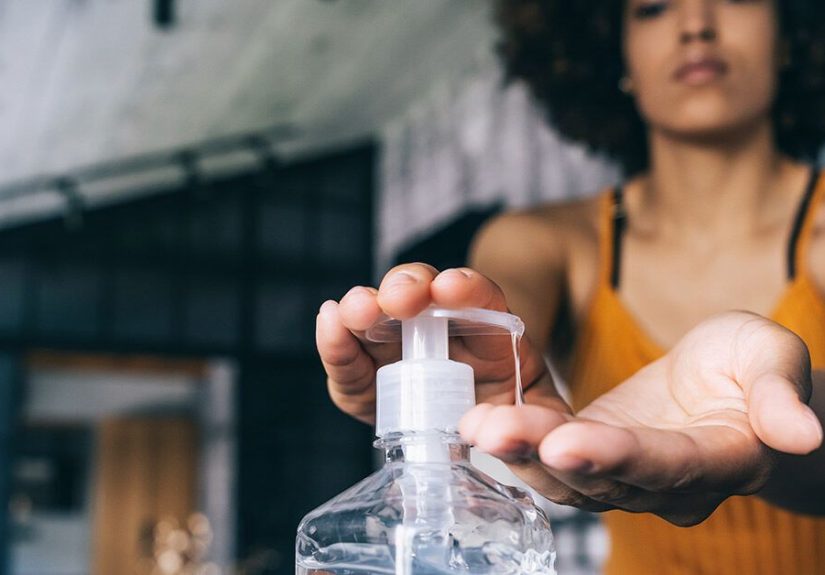
For everyday hand hygiene, the big rule is concentration: choose an alcohol-based hand sanitizer with at least 60% alcohol.
When used correctly (enough product, all hand surfaces, rub until dry), alcohol-based sanitizers can reduce many germs efficiently.
But they’re not magicsoap and water still win when hands are visibly dirty, greasy, or after certain exposures.
Also, some germs are stubborn. Alcohol-based sanitizers don’t perform well against certain pathogens (one famous example: norovirus),
and they don’t remove harmful chemicals like pesticides or heavy metals. Translation: use sanitizer as a strong backup,
not as a replacement for handwashing in every situation.
Practical tip: If you’re using sanitizer and it evaporates instantly, you may not have used enough.
Your hands should stay wet long enough to rub thoroughlyusually around 20 seconds, give or take. If you’re done in five seconds,
you didn’t sanitize; you just applied “hand cologne.”
2) Surface Disinfection: “Works” Depends on Contact Time and Label Claims
Disinfecting a surface isn’t the same thing as cleaning it. First you remove dirt and grime (cleaning),
then you apply a product that can inactivate microbes (disinfection). Alcohol can do both sometimes,
but it’s best viewed as a quick disinfectant for small, hard, nonporous surfaceslike doorknobs,
phone cases (if the material tolerates it), thermometer casings, or the outside of tools.
For disinfectants that make specific claims (for example, against certain viruses), U.S. guidance often points to
EPA-registered disinfectants and emphasizes following label directions.
That includes the hard part everyone wants to skip: keeping the surface wet for the required time.
Some products need 30 seconds; others need several minutes. If it dries early, the “effective” part might not happen.
Alcohol is also not a sterilant. It generally won’t kill spores reliably, and it’s not a good choice for sterilizing instruments.
It’s a strong tool, not the entire toolbox.
3) Virus Differences: Ethanol and IPA Aren’t Identical
Here’s a nerdy-but-useful nuance: ethanol and isopropyl alcohol overlap a lot, but they’re not perfectly interchangeable.
In healthcare disinfection guidance, ethanol in the 60–80% range is described as a potent virucidal agent for many viruses,
especially lipophilic (enveloped) viruses. Isopropyl alcohol is also effective against many lipid viruses,
but it can be less active against some nonlipid viruses.
In real life, the bigger driver is still using the right concentration and enough wet time.
But if you’re disinfecting during a known outbreak (like a tough stomach bug),
it’s smart to follow disease-specific recommendations rather than wing it with whichever bottle is closest.
4) Electronics Cleaning: Why People Love Isopropyl Alcohol
When it comes to electronics, you’ll often see people reach for isopropyl alcohol.
That’s because IPA is a fantastic solvent for oils, fingerprints, thermal paste, and certain residues.
For cleaning sensitive components, many people prefer higher concentrations (like 90%+) because there’s less water,
which can reduce the chance of moisture lingering where it shouldn’t.
But here’s the catch: the best cleaning concentration is not always the best disinfecting concentration.
A high-purity IPA can evaporate quickly, which is great for drying but not ideal if you’re trying to disinfect
and the surface needs to remain wet for a certain contact time.
Material warning: alcohol can damage some plastics, adhesives, and screen coatings.
If you’ve ever seen a cloudy spot on a clear plastic or a sticky edge on a laminated surface,
alcohol may have been the culprit. When in doubt, test a tiny hidden area first.
5) First Aid and Wound Care: Don’t “Disinfect” Your Skin Into a Problem
Rubbing alcohol has a long history in home first aid, but modern guidance is more cautious.
Using rubbing alcohol on an open cut can irritate tissue and may delay healing.
For minor cuts and scrapes, gentle cleaning with water (and soap around the wound) is usually preferred,
and harsh agents are often discouraged for routine wound cleaning.
That said, alcohol still has roles in medical settingssuch as certain skin-prep products used before procedures
(often in combination with other antiseptics). The key distinction is intact skin prep vs. pouring alcohol into a wound.
One is controlled and purposeful; the other is a bad time with a side of stinging regret.
Common Myths (Politely Roasted)
Myth 1: “99% always disinfects better than 70%.”
Not necessarily. For disinfection, water can help alcohol work better by improving penetration and contact time.
Very high concentrations can evaporate too fast and may not be more effective for many microbes.
Myth 2: “If it smells strong, it must be working.”
Smell is not a performance metric. A strong odor mostly means “volatile chemicals are volatilizing,” which is
chemistry’s way of saying “this is in the air now.” Effectiveness depends on concentration, coverage, and wet contact time.
Myth 3: “Hand sanitizer replaces handwashing.”
Alcohol-based sanitizer is useful, but it doesn’t work well for all pathogens (like norovirus), and it doesn’t remove certain chemicals.
Soap and water are still the gold standard when availableespecially when hands are visibly dirty.
Safety: The Unsexy Part That Matters
Both ethanol and isopropyl alcohol are flammable. They also produce vapors, especially when used heavily in a small space.
Use them with good ventilation, keep them away from flames or heat sources, and store them securely.
Also: these are not beverages. Isopropyl alcohol in particular can be toxic if swallowed,
and even ethanol-based products may be denatured or formulated with additives not meant for ingestion.
Keep all alcohol products away from young children and supervise sanitizer use to prevent accidental swallowing.
If someone accidentally ingests rubbing alcohol or a large amount of sanitizer, contact a medical professional or poison control right away.
It’s not a “wait and see” situationmore like a “call now, worry less later” situation.
How to Choose: A Simple Decision Guide
-
You’re sanitizing hands: Choose an alcohol-based sanitizer with ≥60% alcohol (ethanol or isopropyl) and use it correctly.
If hands are dirty or you’re dealing with a tough stomach-bug situation, soap and water is the better move. -
You’re disinfecting a small hard surface: Either ethanol or isopropyl alcohol can work in effective ranges,
but you must keep the surface wet long enough. For specific pathogens, follow disinfectant label directions and public health guidance. -
You’re cleaning electronics or delicate parts: Isopropyl alcohol is often preferred for cleaning because it’s a great solvent
and high concentrations leave less water behind. Avoid soaking devices and be mindful of plastics/coatings. -
You’re cleaning a wound: Skip the rubbing alcohol routine for open cuts; gentle cleaning is typically recommended instead.
Alcohol can irritate tissue and may slow healing.
Real-World Experiences: What People Notice (and What Actually Helps)
In day-to-day life, the ethanol vs. isopropyl debate often feels less like a scientific showdown and more like a series of tiny household dramas.
For example, many people love isopropyl alcohol for cleaning electronics because it “feels” saferespecially at 90% or higher.
You wipe, it flashes dry, and you don’t see moisture hanging around. That quick evaporation can be genuinely convenient when you’re cleaning
sticky fingerprints off a mouse, removing thermal paste during a PC build, or cleaning residue on a small tool.
The experience is often: fast, effective, no streaks.
Ethanol, on the other hand, tends to show up in hand sanitizers and some surface sprays that feel more “everyday.”
People often describe ethanol-based products as having a less harsh smell, and many prefer the way they feel on the skin
especially when the formula includes moisturizers. The experience is often: less industrial, more routine.
That said, any alcohol product can leave hands feeling dry if you use it repeatedly, which is why frequent users often end up pairing sanitizer
with a plain, fragrance-free moisturizer. (Your skin is not a cast-iron pan; it doesn’t need to be “seasoned” by suffering.)
Where people get tripped up most is confusing cleaning with disinfecting.
A common scenario: someone wipes a countertop with alcohol and assumes it’s disinfected because it looks clean and smells “medical.”
But if the surface dries in seconds, the disinfecting benefit may be reducedbecause many disinfecting instructions depend on the surface
staying wet for a minimum contact time. Real-world lesson: if you’re trying to disinfect, don’t do a quick swipe-and-run.
Use enough product to keep it wet, and let it air dry.
Another frequent experience is “plastic heartbreak.” People discover the hard way that alcohol can haze certain plastics,
weaken adhesives, or dull screen coatings. It’s not that alcohol is “bad”it’s that materials are picky.
The practical habit that saves a lot of regret is testing a tiny, hidden area first, especially on glossy plastics,
painted finishes, and anything with a protective coating. If you’ve ever seen a once-shiny surface turn permanently cloudy,
you know exactly why this tip exists.
Finally, many households report using alcohol products more during cold-and-flu season and then easing off later.
The best long-term experience tends to come from balance: using alcohol where it shines (quick hand hygiene, small surface wipe-downs,
residue removal), and switching to soap-and-water or properly labeled disinfectants when the situation calls for it
(dirty hands, outbreak guidance, larger surfaces, or pathogen-specific needs). In other words: alcohol is a great supporting actor,
but it shouldn’t be cast as the hero in every scene.
Conclusion
When you compare ethyl alcohol (ethanol) and isopropyl alcohol (IPA), the headline is simple:
both can be effectivewhen used at the right concentration and with enough contact time.
Ethanol is extremely common in hand sanitizers and disinfectant formulations, and isopropyl alcohol is a go-to for cleaning and degreasing
(especially electronics). Neither is universally “better.” The smarter approach is choosing based on the job:
hands vs. surfaces vs. electronics, cleaning vs. disinfecting, and the material you’re touching.
If you take one practical lesson from this: don’t obsess over the label name as much as you obsess over how you use it.
Use the right concentration, cover the whole surface, let it stay wet long enough, and keep safety in mind
(flammability, ventilation, and keeping it away from kids and mouths). Do that, and you’ll get real effectiveness
not just the illusion of cleanliness with a sharp scent.