Table of Contents >> Show >> Hide
- Quick Answer: Do Dust Mites Bite Humans?
- So Why Do People Think They’re Being Bitten?
- Meet the Real Culprit: What Dust Mites Actually Do
- Dust Mites vs. Bed Bugs, Fleas, and Scabies: A Simple Detective Guide
- Can Dust Mites Cause Skin Rashes?
- How to Know for Sure: Testing and When to Get Help
- How to Reduce Dust Mite Allergens (Without Turning Your Home Into a Laboratory)
- Treatment Options if Symptoms Keep Coming Back
- FAQ: The Most Common Dust Mite “Bite” Myths
- Conclusion
- Real-Life Experiences: What People Notice When They Tackle “Dust Mite Bites”
Waking up itchy can feel like your bed is hosting a midnight buffetfeaturing you. And if you’ve ever googled
“dust mite bites,” you’re not alone. The phrase is everywhere… which is impressive, because it’s basically a
misunderstanding wearing a trench coat.
Here’s the truth: dust mites don’t bite people. They don’t drink blood. They don’t have little vampire fangs.
What they do have is an unfortunate talent for triggering allergiesespecially in bedroomsso the symptoms can show
up right where you sleep. That timing is what convinces a lot of people they’re dealing with bites.
Quick Answer: Do Dust Mites Bite Humans?
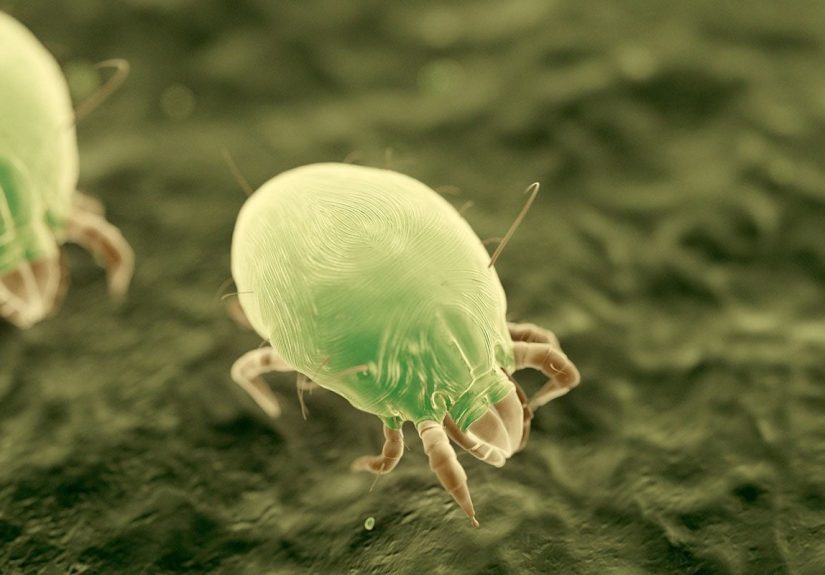
No. Dust mites are microscopic relatives of spiders and ticks, and they survive by eating tiny flakes of dead
skin (from people and pets) and soaking up moisture from the environment. They’re not parasites and they don’t feed on
blood, so they don’t need to bite you to get dinner.
The real issue is that dust mites leave behind proteins in their waste and in their body fragments.
Those proteins can become allergens. If your immune system is sensitive to them, you can end up with symptoms that look
like a cold, asthma flare-ups, or even itchy skin.
So Why Do People Think They’re Being Bitten?
Because allergies can be sneaky. Dust-mite reactions often feel worst at night and in the morning,
when you’ve spent hours close to mattresses, pillows, and blanketsprime dust-mite real estate. That “I only feel it in bed”
pattern makes it easy to connect the dots incorrectly.
Dust Mite Allergy vs. “Bites”: How It Can Look
Dust mites don’t create a classic “bite mark,” but allergy-related skin symptoms can still happen. Some people get:
- Itchy, irritated skin that comes and goes
- Hives (raised, itchy welts)
- Eczema flare-ups, especially if they already have sensitive or atopic skin
- Rashes that look patchy rather than like neat dots
True insect bites (like bed bugs or fleas) are more likely to show as distinct bumps in clusters or lines,
often on exposed skin. Dust-mite symptoms are more likely to be diffuseplus they often come with respiratory signs
(hello, sneezing).
Meet the Real Culprit: What Dust Mites Actually Do
Dust mites are common in homes because they thrive on things we can’t realistically stop doing, like shedding skin and
using blankets. They tend to concentrate in soft, fabric-heavy places where skin flakes collect and humidity stays higher.
Where Dust Mites Live
- Mattresses, pillows, and bedding
- Carpets and rugs
- Upholstered furniture
- Curtains and fabric décor
- Stuffed animals and soft toys
The Allergens (Yes, It’s the Poop)
This is the part nobody wants framed on a motivational poster, but it matters: many dust-mite allergens come from
proteins in dust-mite droppings and tiny fragments of their bodies. These particles can end up in dust, get stirred into
the air, and land in your nose, eyes, airways, or on your skin.
If your immune system treats those proteins like a threat, it can spark inflammationresulting in allergy symptoms that
range from annoying to “why am I wheezing in my own house?”
Dust Mites vs. Bed Bugs, Fleas, and Scabies: A Simple Detective Guide
If you’re itchy, the fastest way to lower your stress is to figure out what’s actually on the suspect list.
Here’s a practical comparison:
| Suspect | Do they bite? | What you might notice | Common location clues |
|---|---|---|---|
| Dust mites | No | Allergy symptoms: sneezing, congestion, itchy eyes; sometimes itchy skin or eczema flare | Worse in bedroom, worse at night/morning; not visible |
| Bed bugs | Yes | Itchy bumps often in clusters/lines; may appear after sleeping | May see bugs, shed skins, tiny dark spots on mattress seams |
| Fleas | Yes | Small itchy bites often around ankles/legs | More likely if pets have fleas; can be in carpets |
| Scabies mites | They burrow (not typical “bites”) | Intense itch, often worse at night; rash in common areas (wrists, between fingers) | Usually spreads person-to-person; needs medical treatment |
Clues That Point Away From Dust Mites
- You see distinct bumps that line up like a trail
- You recently traveled, brought home used furniture, or stayed somewhere new
- Others in the home have new bite-like bumps but no allergy symptoms
- You find signs on the bed (spots, shed skins) or you actually spot insects
Clues That Point Toward Dust Mite Allergy
- Symptoms include sneezing, stuffy/runny nose, post-nasal drip, cough, or itchy/watery eyes
- You feel worse after making the bed, lying down, or waking up
- You have asthma or eczema that flares indoorsespecially in bedrooms
- Symptoms improve when you’re away from home for a while
Can Dust Mites Cause Skin Rashes?
They can contribute, indirectly. Dust mites don’t puncture skin, but dust-mite allergens can irritate sensitive skin or
aggravate conditions like eczema. Some people also experience hives or generalized itchiness during allergy flares.
A key detail: if the “rash” is actually raised bumps with a clear pattern (like clusters), it’s smart to
consider other causes (bed bugs, fleas, contact dermatitis, even new detergents) and not assume dust mites are “biting.”
How to Know for Sure: Testing and When to Get Help
If symptoms are frequent, disruptive, or confusing, an allergist can help confirm whether dust mites are a trigger.
Common methods include skin-prick testing or blood testing for specific allergens.
Seek medical care sooner if you have asthma symptoms (wheezing, chest tightness, shortness of breath), severe swelling,
or recurring rashes that don’t improve with basic changes. And if you suspect scabies, it’s especially important to get
treated promptly because it won’t resolve with home cleaning alone.
How to Reduce Dust Mite Allergens (Without Turning Your Home Into a Laboratory)
Completely eliminating dust mites isn’t realistic, but reducing exposure is very doableand often makes a noticeable
difference. The best strategy is to focus on the places where mites and allergens concentrate most: the bedroom.
1) Make Your Bed Less Mite-Friendly
- Use allergen-proof encasements for mattresses and pillows (zippered covers designed to block allergens).
- Wash bedding weekly in hot water. Many expert guidelines recommend around 130°F (54°C) to kill mites, then dry thoroughly.
- If you can’t wash something hot, a hot dryer cycle can help; freezing items can kill mites but may not remove allergens.
2) Control Humidity (Dust Mites Love “Spa Weather”)
Dust mites absorb water from the air, so humidity matters. Aim to keep indoor relative humidity around
40%–50% (or lower if your home allows) using air conditioning or a dehumidifier. Fix leaks and address damp
areas so soft surfaces don’t stay moist.
3) Clean Smarter, Not Just Harder
- Damp dust with a slightly wet cloth so particles don’t fly back into the air.
- Vacuum regularly, ideally with a HEPA filter (especially in bedrooms and living rooms).
- If vacuuming triggers symptoms, consider having the sensitive person leave the room during cleaning.
4) Reduce “Soft Stuff” Where It Matters Most
Bedrooms collect fabric like it’s their job. If symptoms are stubborn, consider:
- Replacing heavy drapes with easy-clean blinds
- Choosing washable rugs instead of wall-to-wall carpet
- Limiting stuffed animals on the bed (or washing them regularly)
- Picking bedding that’s easy to launder (washable comforters/quilts)
5) Consider a HEPA Air Purifier (Support, Not Magic)
A properly sized HEPA purifier in the bedroom can help reduce airborne particles and may support symptom control for some
people. It won’t remove mites from your mattress, but it can help lower what you breathe in after allergens get stirred up.
A Simple 7-Day “Dust Mite Reset” Plan
- Day 1: Encase mattress and pillows; remove extra throw pillows from the bed.
- Day 2: Wash all bedding hot; dry thoroughly; remake the bed with clean linens.
- Day 3: Damp-dust bedroom surfaces (nightstands, baseboards, blinds).
- Day 4: Vacuum bedroom and under the bed; clean/replace vacuum filters if needed.
- Day 5: Set up a dehumidifier or adjust HVAC settings to keep humidity under control.
- Day 6: Wash or dry-clean curtains (or switch to easy-clean window coverings).
- Day 7: Decide what to reduce long-term: carpet, clutter, stuffed toys, heavy bedding.
Treatment Options if Symptoms Keep Coming Back
Reducing allergens is the foundation, but many people also use medical treatmentespecially during flare-ups.
Depending on symptoms and age, common options may include:
- Antihistamines for sneezing, itch, and runny nose
- Intranasal corticosteroid sprays for congestion and nasal inflammation
- Eye drops for itchy, watery eyes
- Asthma medications as directed if wheezing or chest tightness is present
- Allergen immunotherapy (allergy shots or other forms) in select cases, guided by an allergist
If you’re not sure what’s safe or appropriate, a clinician or allergist can help match treatment to symptoms and confirm
whether dust mites are truly the trigger.
FAQ: The Most Common Dust Mite “Bite” Myths
“Can I feel dust mites crawling on me?”
Not really. Dust mites are microscopic; people typically don’t feel them. If you feel crawling sensations, consider other
causes (dry skin, irritation, anxiety, or visible pests) and check your environment.
“Are dust mites dangerous?”
They don’t bite and they aren’t known for spreading disease in the way some pests do. The danger is mostly in
allergic inflammationespecially if asthma is involved.
“Do I need to throw out my mattress?”
Usually, no. A high-quality allergen-proof encasement plus regular hot-wash bedding routines can make a big difference.
Replacing a mattress can help in some situations, but it’s rarely step one.
“Can I get rid of dust mites completely?”
Probably not, and that’s okay. The realistic goal is reducing allergens enough that your symptoms calm down.
Think “management,” not “total extinction event.”
Conclusion
Dust mites don’t biteso if you’re picturing tiny mouthparts plotting a midnight snack, you can retire that image.
But dust mites can cause very real misery through allergies and irritation, especially in bedrooms where we spend
hours breathing close to the mattress and bedding.
If you’re waking up itchy or congested, the smartest path is to treat it like a mystery with multiple suspects:
rule out obvious biting pests, look for allergy patterns, and focus on the high-impact fixesencasements, hot-wash
bedding, humidity control, and better cleaning habits. If symptoms persist, testing can bring clarity and open up more
targeted treatments.
Real-Life Experiences: What People Notice When They Tackle “Dust Mite Bites”
Because dust mites don’t bite, the “experience” most people talk about is actually the experience of misreading the
symptomsthen feeling surprised when the solution looks more like laundry day than pest control. Here are a few
common, real-world patterns people report when dust mites are the hidden trigger.
1) The “Morning Miseries” Mystery. A lot of people describe the same routine: they wake up with a stuffy nose,
scratchy throat, and itchy eyes, and they assume they caught a coldagain. Then they notice it improves by late morning,
only to repeat the next day. When they finally try a bedroom-first approachwashing bedding weekly in hot water, adding
allergen-proof pillow and mattress covers, and damp-dusting instead of dry-wipingmornings gradually feel less like a
sneeze marathon. The biggest “aha” is realizing the bed wasn’t biting them; it was simply hosting allergens.
2) The Eczema Flare That Wouldn’t Quit. People with eczema often describe a frustrating cycle: skin gets itchy at
night, they scratch in their sleep, and they wake up with irritated patches that look like “something got them.” When they
reduce dust-mite exposure (especially by removing extra pillows, washing bedding more often, and keeping bedroom humidity
lower), some notice fewer nighttime flare-ups. It’s not an instant cureeczema is complicatedbut lowering triggers can
make bedtime feel less like a wrestling match with your own skin.
3) The College Apartment Reality Check. A classic story: someone moves into a new place with old carpet, a
hand-me-down couch, and a bedroom that doubles as a laundry-folding station. They start waking up congested and itchy,
and they assume the building is “gross” or that bugs are biting them. After checking for bed bugs (and finding none),
they try changes that fit a student budget: a zippered mattress encasement, washing sheets on the hottest safe setting,
vacuuming more often (preferably with a HEPA filter), and running a small dehumidifier. The biggest improvement usually
comes from the basics, not fancy spraysespecially when humidity drops and the bed gets cleaned on a schedule.
4) The “It Only Happens at Home” Clue. Some people notice they feel fine on vacation and awful at homethen
assume the trip “cured” them. What’s really happening is exposure changes. Bedrooms with heavy drapes, plush carpet, and
older pillows can concentrate dust-mite allergens. When those people swap curtains for washable options, declutter
bedside dust-catchers (books, fabric bins, piles of clothes), and keep humidity below about 50%, they often report that
the difference feels like “breathing room.” It’s less dramatic than a miraclemore like your house stops picking a fight
with your immune system.
5) The Family Asthma Factor. Parents of kids with allergies or asthma frequently describe nighttime coughing that
improves after a “bedroom intervention”: encasing mattresses and pillows, washing bedding weekly, and removing stuffed
animals from the bed (or limiting them to one washable favorite). Some families rotate stuffed toys through the wash or
keep them off the pillow zone. The experience they describe isn’t “no dust mites ever again”it’s fewer flare nights and
a calmer baseline. And in many homes, that’s a huge win.
The common thread: when people think they’re getting “dust mite bites,” they’re usually noticing the timing of
symptomsworse in bed, better away from it. Once the focus shifts from “What’s biting me?” to “What am I reacting to?”,
the fixes become clearer, more practical, and a lot less terrifying than imagining invisible nocturnal attackers.