Table of Contents >> Show >> Hide
- What Is Poikilocytosis?
- How Red Blood Cells Are Supposed to Look (and Why Shape Matters)
- Types of Poikilocytes (Abnormal Red Blood Cell Shapes)
- What Causes Poikilocytosis?
- Symptoms of Poikilocytosis
- How Is Poikilocytosis Diagnosed?
- Treatment Options for Poikilocytosis
- Outlook and Possible Complications
- When Should You See a Doctor?
- Living with Poikilocytosis: Experiences and Practical Tips
- Conclusion
If you’ve ever had a lab report that sounded more like a spell from Harry Potter than a medical test (looking at you, “poikilocytosis”), you’re not alone. The word is long, but the idea is straightforward: your red blood cells are showing more creativity in their shapes than they should. Understanding what that means can help you and your healthcare team figure out what’s going on in your body and how to treat it.
What Is Poikilocytosis?
Poikilocytosis is the medical term for having abnormally shaped red blood cells (RBCs), called poikilocytes, in your bloodstream. Normally, RBCs look like smooth, round discs with a thinner center like tiny doughnuts without a hole. This shape helps them squeeze through blood vessels and carry oxygen efficiently.
When more than about 10% of your red blood cells have abnormal shapes, a lab professional may describe your blood smear as showing poikilocytosis. It’s not a disease by itself, but a sign that something else may be affecting your blood, such as anemia, a genetic blood disorder, nutritional deficiencies, or liver disease.
How Red Blood Cells Are Supposed to Look (and Why Shape Matters)
Red blood cells are oxygen delivery specialists. Their flexible, biconcave disc shape maximizes surface area for oxygen exchange and lets them bend as they travel through tiny capillaries. When their shape changes, several things can go wrong:
- They may break more easily (hemolysis).
- They may get stuck in small vessels and block blood flow.
- They may not carry oxygen as efficiently.
That’s why poikilocytosis is important: it can be a visual clue that your red blood cells are under stress, being destroyed, or not produced properly.
Types of Poikilocytes (Abnormal Red Blood Cell Shapes)
Poikilocytosis is an umbrella term. Under that umbrella are many specific abnormal shapes, and each one gives doctors hints about possible underlying conditions.
1. Target Cells (Codocytes)
Target cells look like bull’s-eyes: a dark center with a lighter ring and another darker outer ring. They’re commonly seen in:
- Thalassemia (a genetic blood disorder)
- Liver disease
- Iron deficiency anemia
- After removal of the spleen (post-splenectomy)
2. Sickle Cells
Sickle cells are crescent- or banana-shaped red blood cells. They’re a hallmark of sickle cell disease, an inherited condition where abnormal hemoglobin makes RBCs stiff and curved. These cells can block small blood vessels, causing painful crises and organ damage if not managed properly.
3. Schistocytes (Fragmented Cells)
Schistocytes are RBC fragments that look jagged or helmet-shaped. They usually signal that red blood cells are being physically torn apart within blood vessels. This can happen in serious conditions such as:
- Disseminated intravascular coagulation (DIC)
- Thrombotic thrombocytopenic purpura (TTP)
- Hemolytic uremic syndrome (HUS)
- Mechanical heart valves that damage cells as blood flows past
4. Spherocytes
Spherocytes are round, sphere-shaped RBCs with little or no central pallor (the lighter center you usually see in normal RBCs). They’re less flexible and more prone to getting trapped and destroyed in the spleen. Spherocytes are typically seen in:
- Hereditary spherocytosis (a genetic membrane disorder)
- Autoimmune hemolytic anemia
5. Elliptocytes and Ovalocytes
Elliptocytes (or ovalocytes) look elongated, like little cigars or pencils. A small number can be normal, but increased numbers may be seen in:
- Hereditary elliptocytosis
- Iron deficiency anemia
- Megaloblastic anemia (due to vitamin B12 or folate deficiency)
- Some bone marrow disorders
6. Tear-Drop Cells (Dacrocytes)
Dacrocytes look like teardrops and are often associated with conditions that affect the bone marrow, such as myelofibrosis or marrow infiltration by cancers. They can also appear in severe forms of anemia or other bone marrow diseases.
7. Acanthocytes and Echinocytes
Both are spiky-looking RBCs, but with slightly different appearances:
- Acanthocytes (spur cells) have irregular, uneven spikes and are associated with severe liver disease and some rare lipid disorders.
- Echinocytes (burr cells) have more regular, short projections and can be seen in kidney disease, liver disease, and sometimes as an artifact of how the smear was made.
8. Mixed Shapes in Nutritional Anemia
In iron deficiency anemia or vitamin B12/folate deficiency, you might see a mix of shapes target cells, elliptocytes, and others plus changes in cell size. The lab report may mention both poikilocytosis (shape variation) and anisocytosis (size variation).
What Causes Poikilocytosis?
Because poikilocytosis is a sign rather than a stand-alone disease, the most important step is to figure out what’s causing it. Common causes include:
Anemia
- Iron deficiency anemia: Often due to blood loss, low iron intake, or poor absorption.
- Megaloblastic anemia: Caused by vitamin B12 or folate deficiency.
- Hemolytic anemias: Conditions where RBCs are destroyed faster than they can be made (e.g., autoimmune hemolytic anemia, hereditary spherocytosis).
Inherited Blood Disorders
- Sickle cell disease and sickle cell trait
- Thalassemias (alpha or beta)
- Hereditary elliptocytosis or spherocytosis
Liver Disease and Alcohol Use
Liver disease can change the composition of the red cell membrane, leading to shapes like target cells and acanthocytes. Heavy, long-term alcohol use can also affect bone marrow and RBC production.
Bone Marrow Disorders
Conditions that affect the bone marrow such as myelofibrosis, myelodysplastic syndromes, or bone marrow infiltration by cancers can lead to poikilocytosis along with other abnormalities in blood counts.
Other Causes
- Severe infections or inflammation
- Autoimmune diseases affecting the blood
- Kidney disease
- Certain medications or toxins
Symptoms of Poikilocytosis
Poikilocytosis itself doesn’t cause specific symptoms that you can feel. Instead, your symptoms come from the underlying condition and from how well your red blood cells are doing their job.
Common symptoms related to anemia and abnormal red blood cells include:
- Fatigue or feeling unusually tired
- Weakness
- Shortness of breath, especially with exertion
- Rapid heartbeat or heart palpitations
- Pale or yellowish skin
- Dizziness or lightheadedness
- Cold hands and feet
- Headaches or difficulty concentrating
In more serious conditions, symptoms might also include chest pain, swelling in the legs, frequent infections, or unexplained bruising. Any sudden or severe symptoms such as trouble breathing, chest pain, or confusion are medical emergencies and require immediate care.
How Is Poikilocytosis Diagnosed?
1. Complete Blood Count (CBC)
A CBC is usually the starting point. It measures your hemoglobin, hematocrit, and red and white blood cell counts, as well as platelet levels. Abnormal values can suggest anemia, infection, or a bone marrow problem.
2. Peripheral Blood Smear
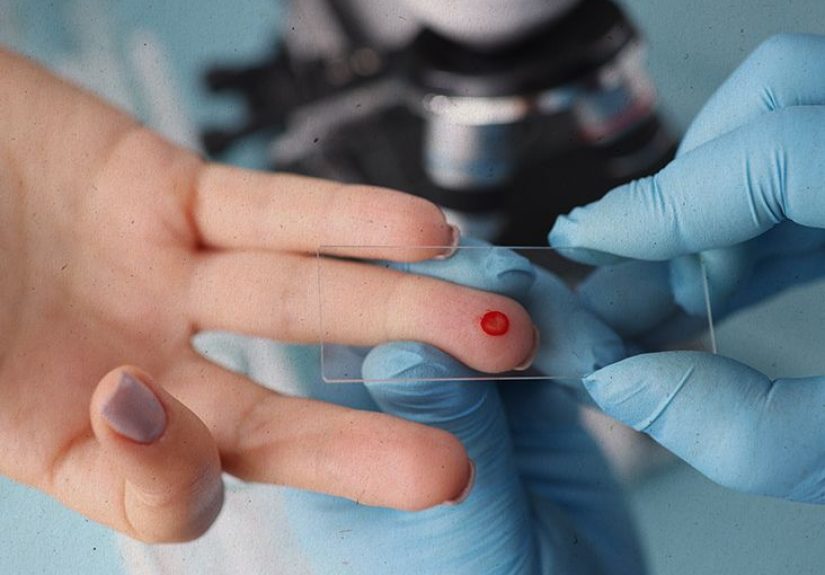
A peripheral blood smear is the key test for poikilocytosis. A drop of your blood is spread on a glass slide, stained, and examined under a microscope by a lab professional or pathologist. They assess:
- Size, shape, and color of red blood cells
- Presence of specific abnormal shapes (poikilocytes)
- Changes in white blood cells and platelets
The report might say something like “moderate poikilocytosis with target cells and elliptocytes,” which helps your provider narrow down possible causes.
3. Additional Lab Testing
Depending on the suspected cause, your clinician may order:
- Iron studies (ferritin, transferrin saturation)
- Vitamin B12 and folate levels
- Liver and kidney function tests
- Hemoglobin electrophoresis (for sickle cell disease or thalassemia)
- Autoimmune panels or Coombs test (for autoimmune hemolytic anemia)
4. Bone Marrow Evaluation
If a bone marrow disorder is suspected, a bone marrow biopsy or aspiration may be recommended to look directly at how blood cells are being produced.
Treatment Options for Poikilocytosis
Here’s the key point: there is no “poikilocytosis pill.” Treatment focuses on the underlying cause and helping your body make healthy red blood cells again.
Treating Nutritional Deficiencies
- Iron deficiency may be treated with iron supplements and dietary changes, and by finding and addressing the source of blood loss (like heavy menstrual periods or gastrointestinal bleeding).
- Vitamin B12 or folate deficiency is usually treated with supplements, either oral or injections, and sometimes with dietary counseling.
Treating Inherited Blood Disorders
For conditions like sickle cell disease or thalassemia, treatment is more complex and may include:
- Medications that affect hemoglobin production
- Regular blood transfusions in some cases
- Pain management strategies
- Vaccinations and antibiotics to prevent infections
- In select cases, bone marrow or stem cell transplant
Managing Liver Disease, Kidney Disease, or Alcohol Use
When liver or kidney disease is driving the changes in red blood cells, treatment targets those organs. This may involve medications, lifestyle changes, treating underlying hepatitis or other causes, and, in some cases, advanced therapies like dialysis or transplant. Reducing or stopping heavy alcohol use is also crucial when alcohol is a contributing factor.
Treating Bone Marrow Disorders
If poikilocytosis is linked to a bone marrow disease (such as myelofibrosis, leukemia, or myelodysplastic syndromes), treatment may involve:
- Chemotherapy or targeted cancer therapies
- Immunotherapy
- Blood transfusions
- Growth factors that help the bone marrow produce blood cells
- Stem cell or bone marrow transplant in selected patients
Supportive Care
Regardless of the cause, your provider may use supportive measures such as:
- Blood transfusions if anemia is severe
- Oxygen therapy in certain cases
- Treatment of complications like blood clots or infections
Outlook and Possible Complications
The outlook for poikilocytosis depends entirely on what’s causing it and how early it’s identified and treated. For example, poikilocytosis caused by iron deficiency often improves once iron levels are corrected. In contrast, poikilocytosis from a serious bone marrow disorder may require long-term management.
Potential complications from the underlying conditions can include chronic anemia, organ damage from poor oxygen delivery, blood clots, or increased risk of infections. That’s why regular follow-up with your healthcare team and sticking to your treatment plan are so important.
When Should You See a Doctor?
You might first hear the word “poikilocytosis” after a routine blood test. Even if you feel fine, it’s a signal that something deserves closer attention. You should contact a healthcare professional if you:
- Have unexplained fatigue, weakness, or shortness of breath
- Notice pale skin, yellow eyes or skin (jaundice), or frequent headaches
- Have a family history of blood disorders and abnormal lab results
- Receive a lab report mentioning poikilocytosis, abnormal RBC morphology, or a high level of fragmented or oddly shaped cells
Only a qualified healthcare professional can interpret your blood smear in the context of your symptoms, medical history, and other lab results. Online information (even when written with a good sense of humor) is not a substitute for professional medical advice.
Living with Poikilocytosis: Experiences and Practical Tips
Hearing that your blood cells are “abnormally shaped” can sound scary. In real life, people’s experiences with poikilocytosis vary widely from “I just needed iron pills” to “This led to a diagnosis that finally explained years of symptoms.” Here are some common patterns and practical takeaways drawn from real-world experiences.
The “I’m Just Tired” Story
Many people first discover poikilocytosis when they go to their doctor complaining of fatigue. Maybe climbing a flight of stairs suddenly feels like a workout, or afternoon naps become non-negotiable. A CBC shows anemia, and a peripheral blood smear reveals poikilocytosis with target cells or elliptocytes. Further testing uncovers iron deficiency from heavy menstrual bleeding or a slow, chronic stomach bleed.
In these situations, treatment might be as “simple” (though not always easy) as iron supplementation, treating the source of bleeding, and changing the diet. Over a few months, energy often improves, and repeat blood smears show more normal-looking RBCs. The big lesson from these experiences: long-term fatigue isn’t just “getting older” or “being busy” sometimes it’s your blood asking for help.
The Family History Clue
In other cases, poikilocytosis helps connect the dots in families where “people have always been a bit anemic” or “Grandma needed her spleen removed.” A young adult might have mild jaundice, occasional fatigue, and a lab report showing poikilocytosis with spherocytes. Genetic testing or specialized labs reveal hereditary spherocytosis or another inherited disorder.
For these individuals, learning about the condition can be empowering. They may work with a hematologist, follow a regular monitoring schedule, and share information with relatives who may also be affected. Knowing the diagnosis early can help prevent complications and guide future decisions about pregnancy, surgery, or medication use.
Chronic Conditions and Daily Life
People living with chronic illnesses such as sickle cell disease or thalassemia often deal with poikilocytosis as part of the bigger picture. Their stories highlight practical strategies that can help anyone managing blood-related conditions:
- Energy budgeting: Learning to pace activities, prioritize rest, and listen to early signs of fatigue.
- Symptom tracking: Keeping a simple journal of symptoms, medications, and triggers can help spot patterns and guide treatment adjustments.
- Partnering with specialists: Regular visits with a hematologist or primary care provider who understands your history can make a big difference.
- Planning ahead: For travel, surgery, or pregnancy, early conversations with your healthcare team help reduce risks related to anemia or abnormal red blood cells.
Emotional Reactions Are Normal
Finding out that your blood cells are unusual can trigger a lot of feelings worry, frustration, or even relief if you finally have an explanation for how you’ve been feeling. Many people say that having clear, understandable information and a concrete plan from their healthcare team makes the situation feel much more manageable.
Support can come from different places: family, friends, online communities for people with specific blood disorders, or mental health professionals. If your diagnosis leads to big life changes (like frequent medical visits or limits on certain activities), having emotional support is just as important as taking your medications.
What You Can Do Today
If poikilocytosis shows up on your lab report, here are some practical steps to consider discussing with your healthcare team:
- Ask for a clear explanation of what type of abnormal cells were seen and what conditions they’re associated with.
- Review your full lab workup, including iron levels, vitamin levels, and any additional tests ordered.
- Talk honestly about your symptoms, even if they feel vague (“just tired,” “short of breath when I carry groceries,” “I get dizzy when I stand up”).
- Ask what lifestyle changes such as nutrition, hydration, sleep, or alcohol reduction might support your overall blood health.
- Clarify your follow-up plan: when to repeat labs, what warning signs to watch for, and when to seek urgent care.
Most importantly, remember that poikilocytosis is information, not a verdict. It’s a lab finding that helps you and your care team ask better questions, find underlying problems sooner, and choose treatments that protect your long-term health.
Conclusion
Poikilocytosis may sound intimidating, but at its core, it simply means your red blood cells are not all shaped the way they should be. That shape change can give your healthcare team powerful clues about what’s happening in your body from nutritional issues to inherited conditions or organ disease.
By understanding the types of abnormal red blood cells, the symptoms to watch for, the tests used in diagnosis, and the range of treatments available, you’re better equipped to participate in your care. If poikilocytosis appears in your lab results, use it as a prompt to ask informed questions, follow through with recommended testing, and work with your healthcare team on a personalized plan.
And no, you don’t have to pronounce “poikilocytosis” perfectly to take good care of yourself but if you want to impress your hematologist, go right ahead.
SEO Summary