Table of Contents >> Show >> Hide
- Why Small Mudroom Makeovers Work So Well
- 10 Small Mudroom Makeovers That Make a Big Difference
- 1. The Floating Bench Makeover
- 2. The Hook-and-Rail Wall That Replaces Bulky Furniture
- 3. The Closet-to-Mudroom Conversion
- 4. The Under-Stair Mudroom Nook
- 5. The Laundry Room Combo Makeover
- 6. The Dark Paint, Big Style Upgrade
- 7. The Patterned Floor That Defines the Space
- 8. The Closed Storage Rescue
- 9. The Mirror-and-Lighting Refresh
- 10. The Family-Specific Zone Makeover
- Design Rules That Make a Tiny Mudroom Feel Bigger
- Common Mistakes to Avoid in a Small Mudroom Makeover
- What These Small Mudroom Makeovers Feel Like in Real Life
- Conclusion
If your entryway currently looks like a jacket convention collided with a shoe explosion, take heart: a tiny mudroom can still become one of the hardest-working spots in the house. In fact, small mudroom makeovers often deliver the biggest payoff because every inch has a job. A bench can hide boots, a wall can hold hooks, a narrow shelf can save your keys from entering the witness protection program, and a little paint can make the whole area feel intentional instead of accidental.
The best small mudroom ideas are not about cramming in more stuff. They are about creating a smart landing zone that helps your household walk in, put things down, and move on with life without leaving chaos by the front or back door. Whether your “mudroom” is a hallway sliver, a closet by the garage, or a lonely patch of wall near the laundry room, the right makeover can make that tiny space look polished, feel bigger, and work much harder.
Below, you will find practical, stylish, and very doable mudroom makeover ideas that show how a compact space can handle coats, bags, shoes, pet gear, sports equipment, and daily clutter without waving a white flag.
Why Small Mudroom Makeovers Work So Well
A large mudroom is nice. A small mudroom that is designed well is better than most people expect. That is because compact spaces force you to edit. You stop pretending you need six decorative bowls and a random chair that holds exactly one scarf and a deep sense of regret. Instead, you choose storage that solves real problems.
When homeowners upgrade a tiny mudroom, they usually focus on a few high-impact changes: vertical storage, seating that doubles as hidden storage, durable finishes, and visual tricks that make the area feel brighter and more organized. That combination can transform even the most cramped drop zone into a streamlined, attractive transition space.
Another reason these makeovers succeed is that small mudrooms are perfect candidates for zoning. One family member gets a hook. One basket holds dog leashes. One cubby catches shoes. One tray corrals keys and mail. Suddenly, the room is not small. It is efficient.
10 Small Mudroom Makeovers That Make a Big Difference
1. The Floating Bench Makeover
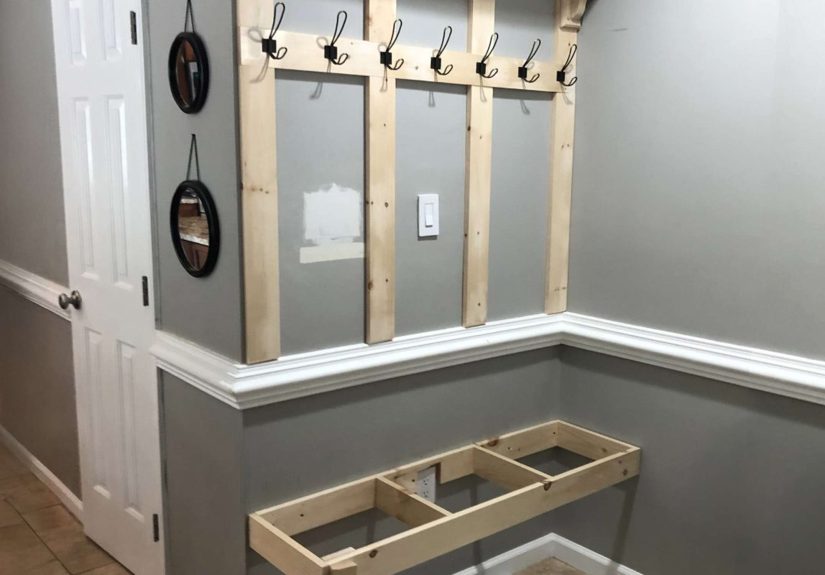
A floating bench is one of the smartest upgrades for a tiny mudroom. It gives you a seat for taking off boots, keeps the floor visually open, and leaves room underneath for baskets or lined bins. In a small entryway, that open space matters. It makes the room feel lighter while still adding storage.
The trick is to keep the bench slim and pair it with two or three simple baskets rather than a dozen mismatched containers. Add hooks above it, and you have a complete mini mudroom built from one wall. Clean, useful, and suspiciously satisfying.
2. The Hook-and-Rail Wall That Replaces Bulky Furniture
Not every home has room for lockers or full built-ins, but almost every small mudroom has wall space. A simple rail with sturdy hooks can hold coats, backpacks, hats, and tote bags without eating up floor area. In a tight entry, this is often the makeover that changes everything.
For a more polished look, mount the hooks over beadboard, shiplap, or a painted panel. That adds architectural interest and protects the wall from scuffs. It also makes the setup look like a design choice rather than a last-minute surrender to reality.
3. The Closet-to-Mudroom Conversion
If you have a coat closet near an exterior door, you may already have the bones of a great small mudroom. Remove the traditional hanging rod setup and replace it with a custom mix of low hooks, upper shelves, and a small bench. Suddenly, the closet becomes a drop zone that actually supports daily life.
This makeover works especially well for families with kids because it brings storage down to kid height. Translation: children can hang up their own backpacks, which is both charming and statistically rare.
4. The Under-Stair Mudroom Nook
Under-stair space is often wasted, awkward, or used to store mystery items nobody claims. A small mudroom makeover can turn that tucked-away area into one of the most functional zones in the home. Even a shallow setup can fit cubbies, hooks, and a bench.
Because the shape is unusual, built-ins often work best here. But even a freestanding bench, a few wall hooks, and stacked bins can make the nook feel purposeful. Add a sconce or compact ceiling light so it does not feel like a cave where umbrellas go to reflect on life.
5. The Laundry Room Combo Makeover
In many homes, the mudroom and laundry room have to share space. That is not a flaw. It is a power move. When designed well, a small mudroom laundry room combo becomes a command center for messy shoes, wet jackets, muddy paws, and the endless pile of socks that appears to multiply when nobody is looking.
The best combo makeovers use vertical cabinets, wall hooks, and durable flooring while reserving one section for drop-zone storage. A countertop over the washer and dryer can double as a folding area and catchall station. One room, two jobs, zero apologies.
6. The Dark Paint, Big Style Upgrade
For years, people assumed tiny spaces had to be painted white to feel open. But some of the most striking small mudroom makeovers prove the opposite. Deep green, navy, charcoal, and other moody colors can make a compact entry feel intentional, cozy, and upscale.
The key is contrast. Pair the darker walls with lighter trim, warm wood, brass hooks, or patterned tile so the room still feels layered and inviting. A rich paint color can help a tiny mudroom feel finished, not forgotten.
7. The Patterned Floor That Defines the Space
Sometimes a tiny mudroom is not a separate room at all. It is just part of a hallway or back entry. In that case, flooring can do the heavy lifting. A patterned tile, brick-style floor, or durable runner instantly defines the mudroom zone and gives the eye a clear sense of purpose.
This is especially helpful in open-plan homes where the entry can otherwise disappear into nearby living space. The floor says, “Yes, this is where the muddy sneakers stop.” A good rug or tile pattern can also distract from a lack of square footage, which is basically visual diplomacy.
8. The Closed Storage Rescue
Open storage looks lovely in photos, but real life contains neon raincoats, dog towels, sports gear, and that one bag you keep meaning to donate. In a tiny mudroom, too much open storage can make the whole area feel messy fast.
That is why some of the best small mudroom makeovers include at least one closed element: a cabinet, drawers under a bench, or even a slim wardrobe. Closed storage hides visual clutter and helps a small space feel calmer. Use open hooks for daily essentials and closed storage for the stuff you need, but do not necessarily want starring in your home’s first impression.
9. The Mirror-and-Lighting Refresh
Two of the easiest ways to improve a small mudroom are also among the most overlooked: better lighting and a mirror. A mirror bounces light and can make a narrow space feel wider, while upgraded lighting makes the area look less like a forgotten hallway and more like part of the home’s design story.
A compact flush mount, mini pendant, or stylish sconce can add personality without crowding the room. Together, a mirror and good lighting help even the tiniest mudroom feel brighter, larger, and more polished.
10. The Family-Specific Zone Makeover
One reason mudrooms fail is that they try to store everything for everyone in one generic pile. The smarter approach is to create mini zones. Give each person one hook, one bin, and one small area for shoes or daily gear. In a tiny mudroom, this can be as simple as labeling baskets or assigning individual cubbies.
This makeover idea is not glamorous, but it is wildly effective. It reduces clutter, cuts down on morning scavenger hunts, and makes the room easier to maintain. A beautiful mudroom is great. A beautiful mudroom where nobody is yelling “Where is my other shoe?” is even better.
Design Rules That Make a Tiny Mudroom Feel Bigger
Use the walls all the way up
Small mudroom storage works best when it goes vertical. Add upper shelves for seasonal items, baskets, or less-used gear. Keep daily essentials lower and easy to reach. This approach frees up the floor and makes the room feel taller.
Choose hardworking materials
A mudroom is not a delicate flower. It deals with wet shoes, dirt, backpacks, pet paws, and the occasional sports bottle leak. Durable flooring, wipeable paint, washable textiles, and solid hardware are worth it. Pretty matters, but practical wins the long game.
Mix open and closed storage
The best small mudroom ideas balance accessibility and visual calm. Open hooks are perfect for coats you grab every day. Closed cabinets or drawers are ideal for backup supplies, seasonal accessories, and everything that tends to make the room look busy.
Keep the palette controlled
Even bold mudrooms benefit from a clear color story. Too many finishes in a tiny space can feel chaotic. Stick with two or three main materials or tones, then add texture with baskets, rugs, or wood accents.
Give every item a home
This is the boring advice that secretly changes your life. Keys need a tray. Shoes need a shelf or bin. Umbrellas need a stand or basket. Dog gear needs a hook. When every item has a place, the mudroom starts working like it was always meant to.
Common Mistakes to Avoid in a Small Mudroom Makeover
Going too deep with furniture: Oversized benches and giant cabinets can overwhelm a narrow entry. Slim pieces are usually the smarter choice.
Using only open storage: It looks airy at first, then turns into a visual junk drawer. Add something with a door or drawer if you can.
Ignoring the floor: Fussy rugs and delicate finishes will not enjoy a mudroom lifestyle. Choose something durable and easy to clean.
Forgetting the landing surface: Even a tiny wall shelf can make a huge difference for keys, mail, and sunglasses.
Trying to make it too decorative too soon: Function comes first. Once the storage works, then add wallpaper, artwork, or a cute lamp and let the room show off a little.
What These Small Mudroom Makeovers Feel Like in Real Life
One of the most interesting things about a small mudroom makeover is that the transformation is not just visual. It changes the rhythm of daily life. Before the makeover, the entryway often feels like a traffic jam. Shoes pile up by the door. Jackets land on chairs. Bags drift from room to room like they are testing new real estate. The area looks messy, but more importantly, it feels stressful. You walk in already annoyed, and you leave the house wondering where your keys went.
After a thoughtful makeover, the same tiny space starts acting like a quiet assistant. You come in, hang your bag, kick off your shoes, drop your keys in the tray, and move on. That may sound small, but it adds up fast. Mornings become smoother because the things you need are where they should be. Evenings feel calmer because clutter is contained before it spreads into the rest of the house.
There is also something deeply satisfying about watching an awkward little corner become useful. A blank wall with hooks and a bench suddenly feels custom. A converted closet feels like a hidden gem. A cramped back door area starts looking styled instead of neglected. You stop seeing the square footage you do not have and start noticing how well the space performs.
Many people also find that a small mudroom makeover changes habits without requiring a big family meeting or a laminated chart. When storage is easy to use, people tend to use it. Kids are more likely to hang backpacks on a low hook than on a hanger inside a crowded closet. Adults are more likely to put shoes in a basket if the basket is right there, waiting patiently and judging no one.
The emotional effect is real too. A clean, attractive entry creates a stronger sense of arrival. Instead of being greeted by clutter, you are greeted by order. Instead of a random pile of life by the door, you get a tidy little transition space that says, “Welcome home. Please place your chaos here.” That is not just convenient. It is comforting.
And then there is the style factor. Small mudrooms are often overlooked, which means they are a fantastic place to take a modest design risk. A moody paint color, a patterned tile, a striped runner, a vintage mirror, or pretty brass hooks can all add charm without demanding a full renovation budget. Because the room is small, even a few thoughtful details can make it feel finished and memorable.
Perhaps the biggest lesson from these tiny-space makeovers is that function and beauty are not enemies. In a well-designed mudroom, the practical elements become the design. The bench is the focal point. The baskets add texture. The hooks create rhythm. The rug defines the zone. The room works hard, but it also looks good doing it.
That is why these makeovers resonate. They are not about luxury for luxury’s sake. They are about improving everyday life in visible, immediate ways. A tiny mudroom may not sound glamorous, but when it saves time, cuts clutter, and makes the house feel more organized from the second you walk in, it earns its keep. Honestly, that is more impressive than a room that just sits there looking expensive.
Conclusion
These small mudroom makeovers prove that limited square footage does not have to mean limited function. With a smart mix of vertical storage, durable finishes, compact seating, and clutter control, even the tiniest entry can become beautiful and useful. The most successful tiny mudroom ideas do not try to do everything. They do the right things well. And in a busy home, that is more than enough.