Table of Contents >> Show >> Hide
- Why a light blue ceiling works so well in a kitchen
- How to choose the right shade of light blue
- The best paint finish for a kitchen ceiling
- How to paint a kitchen ceiling without creating a speckled disaster
- What a light blue kitchen ceiling pairs with best
- Common mistakes to avoid
- Why this update feels bigger than it is
- Experience: what it felt like after I painted my kitchen ceiling a light blue
Note: This article is an original, web-ready synthesis written in standard American English and cleaned of stray citation markup for publishing.
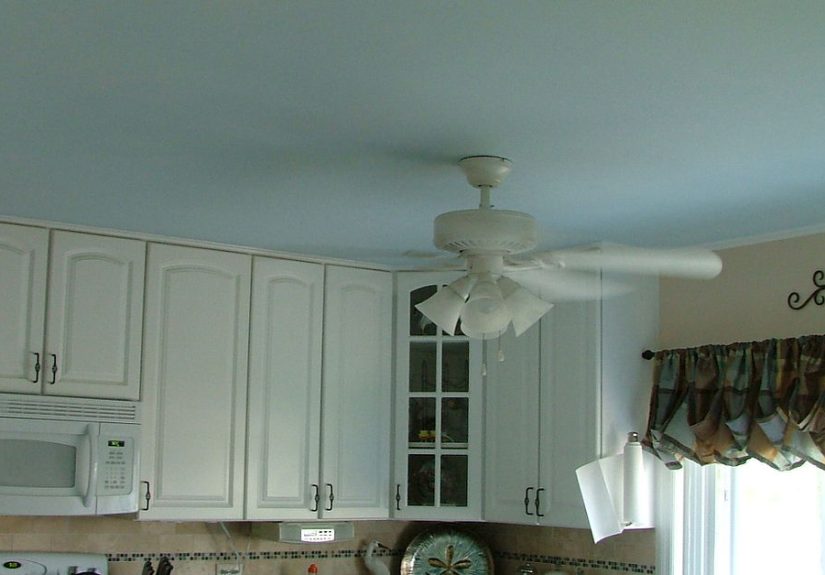
Some home projects are practical. Some are pretty. And some manage to do both while making you stare upward like you have suddenly become a very emotional pigeon. Painting a kitchen ceiling a light blue falls into that last category. It is a small change on paper, but in real life it can shift the entire mood of the room. The ceiling stops being a blank lid over the kitchen and starts acting like a design feature with opinions, charm, and surprisingly good manners.
If you have ever looked at your kitchen and thought, “This room is fine, but it could use a little personality without requiring a second mortgage,” a light blue ceiling is worth considering. It is softer than a dramatic dark paint color, more interesting than basic ceiling white, and often more timeless than trendy feature walls that age faster than bananas on a windowsill. In the right kitchen, a pale blue ceiling can make the room feel brighter, calmer, and more intentional. It can also highlight cabinetry, warm wood tones, brass hardware, natural stone, and white trim in a way that feels fresh instead of fussy.
The best part is that this look can work in several styles. A light blue ceiling fits a cottage kitchen, a coastal kitchen, a traditional kitchen, a farmhouse kitchen, and even a more modern space that needs one softer note. It has range. It contains multitudes. It also does not require you to replace your countertops, which is always nice.
Why a light blue ceiling works so well in a kitchen
A ceiling is sometimes called the “fifth wall,” and that is not just designer poetry. It is a useful reminder that the overhead plane affects how a room feels just as much as the walls and cabinets do. When painted thoughtfully, a ceiling can change visual height, influence how light moves around the room, and soften hard edges created by tile, stone, appliances, and straight cabinet lines.
Light blue works especially well because it carries a natural association with open sky, fresh air, and a sense of ease. In a kitchen, where you are often dealing with visual busyness from stools, cookware, backsplash patterns, small appliances, and open shelving, a pale blue ceiling can calm the composition. It gives the eye a place to rest. Instead of the room feeling top-heavy or boxed in, the upper part of the space feels lighter and more breathable.
This matters even more in kitchens with standard ceiling heights. A strong dark ceiling can be beautiful, but it is not always forgiving. Light blue tends to be gentler. It introduces color without making the room feel heavy. In smaller kitchens, that can be the difference between “cozy” and “I can feel the ceiling judging me while I make toast.”
There is also a practical design benefit. Blue sits beautifully beside many common kitchen materials. White cabinets look crisp against it. Warm oak or walnut looks richer. Black metal accents feel cleaner. Brass and aged bronze hardware take on a warmer glow. Even stainless steel appliances seem a bit less cold when the room includes a soft sky-like note above them.
How to choose the right shade of light blue
Not every light blue is created equal, and this is where many people go wrong. They hear “light blue” and imagine one cheerful paint chip. In reality, light blue can lean gray, green, lavender, or aqua. Some shades look airy and elegant. Others look like a nursery threw a surprise party in your kitchen. The difference usually comes down to undertones and lighting.
Pay attention to undertones
If your kitchen already has cool finishes, such as bright white cabinetry, chrome fixtures, gray countertops, or a crisp marble backsplash, a blue with a slightly gray undertone often feels polished and balanced. It reads sophisticated rather than sugary. If your kitchen has warm woods, cream cabinets, brass accents, terracotta, or beige stone, a blue with a subtle green or soft aqua undertone may feel more natural and welcoming.
Test the color at different times of day
Kitchens change dramatically from morning to night. A blue ceiling that looks breezy in daylight can turn icy under cool LEDs or oddly minty at sunset. Paint a few large sample swatches or use peel-and-stick samples on the ceiling area if possible. Then look at them with the lights you actually use while cooking, cleaning, and pretending not to snack before dinner.
Think about contrast
A pale blue ceiling works best when it feels connected to the rest of the room. If your walls are bright white, the ceiling color will stand out more. If your walls are a soft warm white, pale gray, or muted greige, the blue may read more subtle and atmospheric. Neither approach is wrong. It just depends on whether you want the ceiling to whisper or introduce itself properly.
A good rule is this: if the kitchen is already visually busy, choose a quieter blue. If the room is simple and neutral, you can afford a slightly more saturated light blue that still feels soft but has enough presence to matter.
The best paint finish for a kitchen ceiling
This is where style meets reality. Traditional ceiling paint is usually flat because flat finishes help hide small imperfections, seams, and texture issues. That is useful because ceilings are not always showroom-perfect. They often have patches, subtle waves, or the ghost of an old repair that only appears when light hits it just right.
But kitchens are not ordinary rooms. Steam, grease, dust, and airborne cooking residue have a way of drifting upward and settling where you least want them. That means some homeowners prefer a more washable finish for kitchen ceilings, especially in hardworking spaces where frying, simmering, and enthusiastic pasta water events happen regularly.
So what is the answer? Usually this: if your ceiling has visible imperfections, use a high-quality flat or matte ceiling paint in your chosen light blue. If the ceiling is smooth and you want easier cleaning, an eggshell or soft satin can be a smart compromise. It adds a touch more cleanability without going shiny enough to spotlight every flaw like an interrogation lamp.
The key is balance. A glossy ceiling in a kitchen can feel harsh and may emphasize uneven patches. A super-flat finish in a heavy-use kitchen may look beautiful at first but be harder to clean later. The sweet spot for many people is a washable matte, flat ceiling paint formulated for interiors, or a very low-luster eggshell if the surface is in good shape.
How to paint a kitchen ceiling without creating a speckled disaster
Painting a kitchen ceiling is not difficult, but it is unforgiving if you rush. Gravity remains extremely committed to its job, and paint will remind you of that. A good result comes down to prep, patience, and using the right materials.
1. Clean first, because kitchens are sneaky
A kitchen ceiling may look clean until you start painting and discover years of invisible residue. Grease, dust, and cooking film can interfere with adhesion and leave you with patchy results. Wipe the ceiling with a gentle but effective cleaner appropriate for painted surfaces, especially near the stove area. Let it dry fully before moving on.
2. Repair flaws before color makes them famous
Fill nail pops, hairline cracks, and small dents. Sand rough spots lightly. If there are stains from moisture or old splatters, use the appropriate primer. Light blue is forgiving in spirit, but it is still paint. It will not magically erase damage just because the color is charming.
3. Use the right primer when needed
If the ceiling has stains, uneven porosity, patched areas, or a dramatic color underneath, priming is worth the extra step. Skipping primer is one of those shortcuts that feels rebellious for about twelve minutes and regrettable for the next five years.
4. Cut in and keep a wet edge
Use an angled brush to cut in around the perimeter, light fixtures, and any molding. Then roll the main field of the ceiling in manageable sections. Work steadily so the edges stay wet and blend together. This helps prevent lap marks and striping, especially with color.
5. Roll in a consistent direction
Many painters like to finish the final roller passes in the same direction, often toward the primary light source. This can help the finish look more uniform. Use an extension pole if possible. It gives you better reach, steadier pressure, and a smaller chance of inventing new neck problems by noon.
6. Ventilate the room
Open windows when possible, use ventilation, and keep air moving safely while the paint dries. This makes the project more comfortable and helps the room feel normal again sooner. It is not glamorous advice, but neither is lingering paint odor over breakfast.
What a light blue kitchen ceiling pairs with best
One reason this choice works is that it is surprisingly flexible. A soft blue ceiling can support several different kitchen looks without becoming the whole show. It is a supporting actor with leading-role cheekbones.
White cabinets and trim
This is the most classic combination. White cabinetry lets the blue ceiling stand out just enough, and the overall effect feels bright, clean, and relaxed. In a small kitchen, this pairing can make the room feel fresh without becoming sterile.
Warm wood tones
Light blue and warm wood are excellent together. Think white oak shelves, walnut stools, butcher-block accents, or a medium-tone dining table nearby. The coolness of the ceiling and warmth of the wood create a balanced contrast that feels designed rather than accidental.
Brass, bronze, or matte black accents
Hardware and lighting matter more when you add ceiling color. Brass can make the room feel warmer and slightly more traditional. Matte black gives a cleaner graphic edge. Bronze works beautifully in kitchens that lean classic or rustic.
Natural materials and layered neutrals
Stone, linen, woven shades, ceramic tile, and textured runners all play nicely with a pale blue ceiling. The ceiling adds atmosphere; the natural materials keep it grounded. That is often the difference between “designerly” and “why does my kitchen feel like a themed café?”
Common mistakes to avoid
Choosing a blue that is too bright: A ceiling color should usually feel softer overhead than it does on a tiny chip. What looks cheerful in the store can feel loud once it covers the whole room.
Ignoring the bulbs in the kitchen: Warm bulbs, cool bulbs, and daylight bulbs can shift a blue dramatically. Always test the color under the lighting you already live with.
Using too much sheen on a flawed surface: A shinier finish can be easier to wipe down, but it can also draw attention to every patch, seam, and old repair.
Forgetting the transition to adjacent rooms: If your kitchen opens to a dining or living space, think about how the ceiling color relates to the nearby palette. It should feel like part of the home, not a random weather event.
Rushing the prep: Cleaning, patching, priming, and taping are not thrilling, but they are what make the final result look intentional instead of improvised.
Why this update feels bigger than it is
Painting a kitchen ceiling light blue is not just a color choice. It is a mood adjustment. It changes the way the room holds light. It changes what feels highlighted. It can make the cabinets look crisper, the wood warmer, and the room more finished. Because ceilings are often ignored, any thoughtful treatment there has outsized impact. The room feels designed from top to bottom rather than assembled in sections.
That is why this project often surprises people. It seems small. It sounds almost too simple. But once it is done, the kitchen can feel more open, more charming, and more personal. The ceiling no longer disappears. It participates. And in a room where people gather every day, that subtle shift can make the whole house feel more alive.
Experience: what it felt like after I painted my kitchen ceiling a light blue
When I first decided to paint my kitchen ceiling a light blue, I expected a modest change. I thought it would be one of those updates that mainly I would notice, like finally replacing a dented cabinet pull or organizing the junk drawer into categories that last exactly three days. I was wrong. The difference was immediate, and not in a loud, dramatic, reality-show-renovation way. It was quieter than that. The room simply started to feel better.
Before the paint, my kitchen ceiling was standard white. There was nothing offensive about it, but it was doing the absolute minimum. It looked flat, a little tired, and disconnected from the rest of the room. My cabinets were a warm off-white, my shelves were oak, and I had a mix of brass hardware and matte black stools. Everything was decent, but the room lacked that last layer that makes a space feel intentional. Once the light blue went up, the kitchen suddenly felt finished. Not fancy. Not precious. Just complete.
The most surprising change was the way the light moved. In the morning, especially, the ceiling took on a soft glow that made the whole room feel calmer. Coffee tasted more sophisticated. Toast crumbs seemed slightly less insulting. The blue did not scream for attention, but it reflected daylight in a gentler way than white ever had. Instead of the upper part of the room feeling stark, it felt airy and relaxed.
I also noticed that the cabinets looked cleaner and the wood tones looked richer. The blue created contrast, but not the kind that chops a room into pieces. It tied everything together. My brass hardware looked warmer. My white dishes looked brighter on the shelves. Even the stainless steel appliances felt less cold and more integrated into the room. It was as if the ceiling had quietly stepped in and started mediating arguments between all the other finishes.
There were practical lessons too. I was glad I spent extra time cleaning the ceiling first, because the area near the stove definitely had more buildup than I had realized. I was also glad I tested the paint under both daylight and evening bulbs. One of my sample blues looked beautiful in the afternoon and slightly gloomy at night. The shade I chose ended up being soft, muted, and just gray enough to stay sophisticated.
If I were doing it again, I would still choose a light blue, but I would tell myself not to overthink whether it was “too different.” That was my biggest hesitation. I worried that ceiling color might feel gimmicky. In practice, it felt classic. It gave the kitchen personality without making the room feel trendy or overly decorated. Friends noticed it almost immediately, but the reaction was never, “Whoa, blue ceiling.” It was more like, “Why does your kitchen feel so nice?” That, to me, is the best possible compliment.
Living with it day to day has only made me like it more. The ceiling gives the room a soft backdrop in every season. It feels cool and crisp in summer, cozy with warm lighting in fall, and cheerful in winter when the days are short and gray. It does not fight with seasonal decor, dish towels, flowers, or whatever fruit is pretending to be decorative in a bowl on the counter. It simply works.
So yes, I painted my kitchen ceiling a light blue. It seemed like a small move. It ended up changing the whole atmosphere of the room. That is the magic of a well-chosen ceiling color: it does not need to be loud to be transformative. Sometimes all a kitchen really wants is a little sky overhead.